Plastic Footprint & Polluter Impact Calculator
Estimate Your Usage
Enter your average daily consumption of single-use plastics.
Your Annual Plastic Footprint
Enter your data to calculate your contribution to global plastic waste.
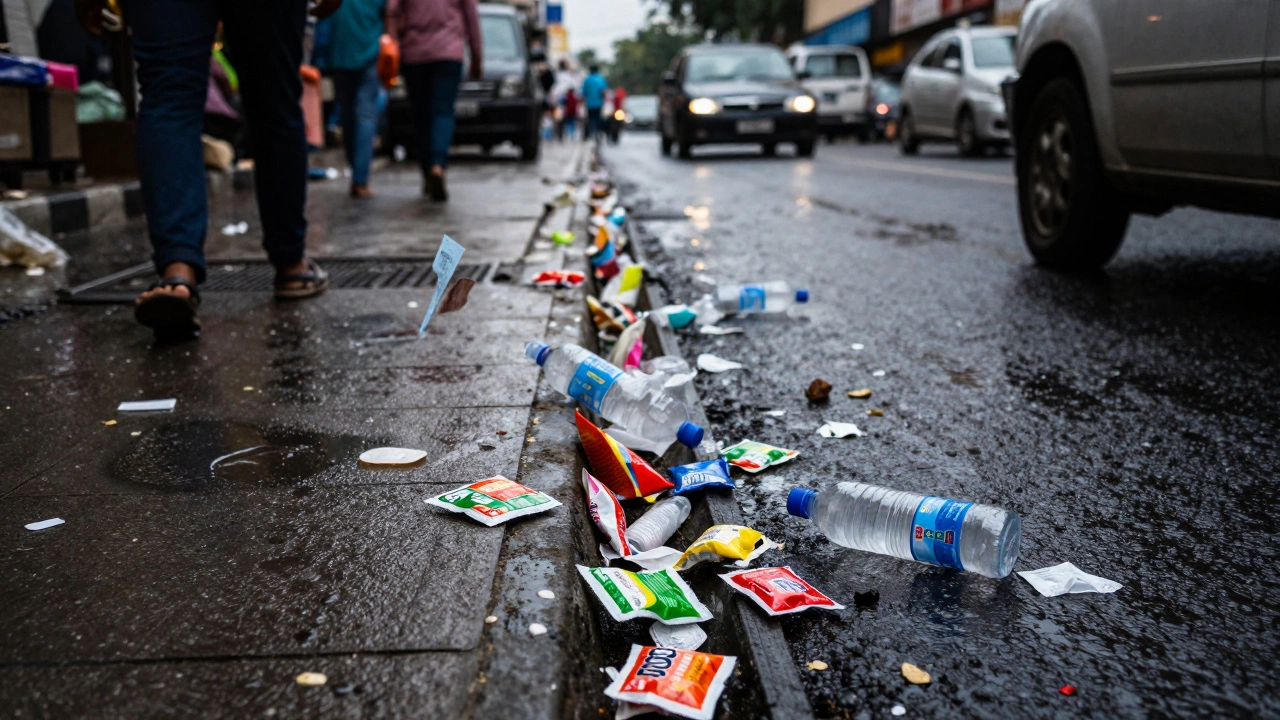
Walk down any street in Birmingham, or indeed anywhere on the planet, and you will see it. A crisp packet fluttering in a gutter. A water bottle half-buried in the grass. It is everywhere, and it is not going away. We often blame ourselves for not recycling enough, but the truth is far more uncomfortable. The problem isn't just our habits; it is the source. If you want to know who is responsible for the mountain of waste choking our oceans and landfills, you have to look at the balance sheets of the world's biggest corporations.
The question "who is the largest plastic polluter" does not have a simple one-name answer. It is a list of giants. These are the companies that produce the raw materials for packaging, bottles, and disposable goods. They are the ones moving the most volume, year after year. Understanding this landscape is crucial if we want to hold anyone accountable.
The Big Four: Who Produces the Most Virgin Plastic?
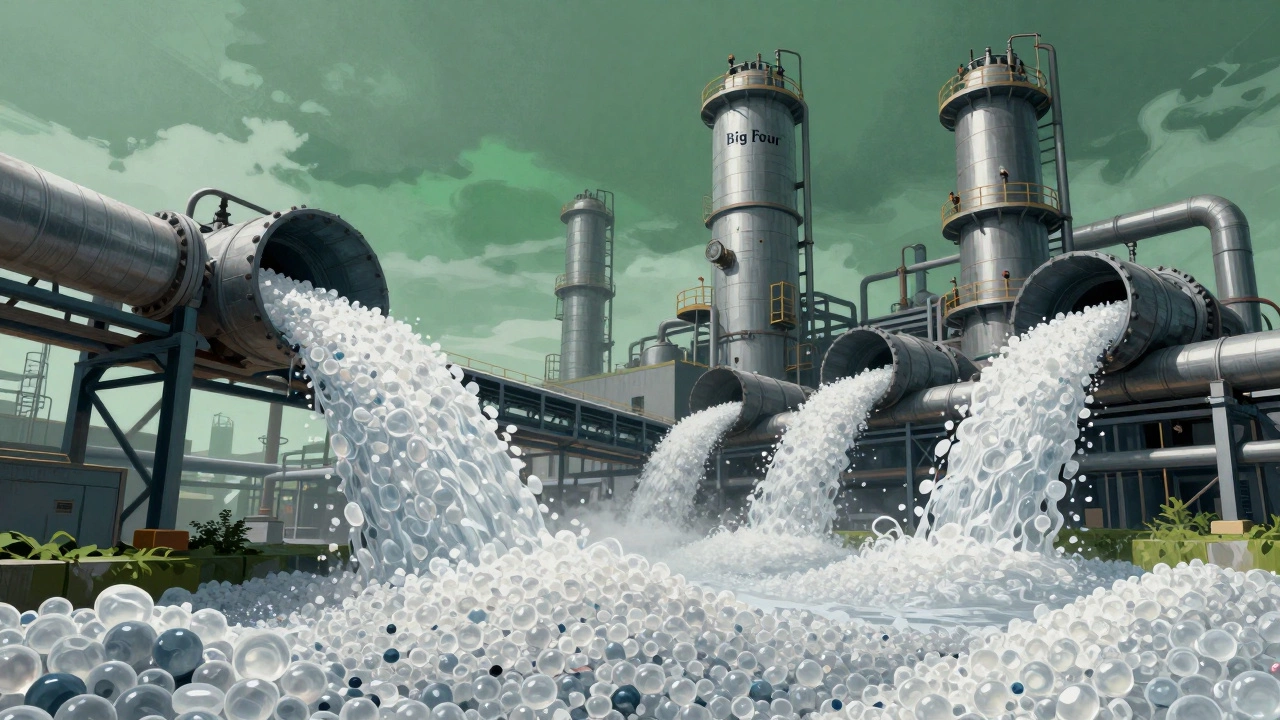
When environmental researchers dig into supply chain data, four names consistently rise to the top. These companies are not just large; they are monopolistic in scale. According to data tracked by organizations like Break Free From Plastic and reports from CIEL (Center for International Environmental Law), these entities dominate the production of virgin plastic-the fresh material made from fossil fuels that has never been recycled.
Sinopec stands as the undisputed heavyweight. Based in China, this state-owned enterprise produces an staggering amount of polyethylene and polypropylene. In recent years, their output has surpassed 30 million metric tons annually. To put that in perspective, that is enough plastic to wrap around the Earth multiple times every single day. Sinopec benefits from massive government subsidies and cheap energy access, allowing them to undercut competitors while scaling up production aggressively.
Close behind is ExxonMobil. You know the brand from gas stations, but their chemical division is a monster. ExxonMobil is one of the few Western companies still expanding its plastic capacity. They have invested billions into new crackers-facilities that break down natural gas into ethylene, the building block for plastic bags and bottles. Their strategy relies on the assumption that demand for single-use plastics will continue to grow indefinitely.
Dow Chemical and SABIC (Saudi Basic Industries Corporation) round out the top tier. Dow operates globally with a heavy focus on packaging materials. SABIC, backed by Saudi Aramco, leverages low-cost feedstock to produce high volumes of polymers. Together, these four companies account for a significant percentage of global plastic production. They are the engines driving the pollution crisis.
| Company | Headquarters | Primary Products | Key Concern |
|---|---|---|---|
| Sinopec | China | Polyethylene, Polypropylene | Highest total volume output |
| ExxonMobil | USA | Ethylene, Propylene | Aggressive capacity expansion |
| Dow Chemical | USA | Packaging resins | High reliance on single-use markets |
| SABIC | Saudi Arabia | Polymers, Compounds | Subsidized feedstock costs |
The Fast-Moving Consumer Goods (FMCG) Connection
It is easy to point fingers at the chemical makers, but what about the brands you see on supermarket shelves? This is where the concept of "brand ownership" comes in. While Sinopec makes the resin, companies like Nestlé, Coca-Cola, and PepsiCo design the packages that end up in the trash. They dictate how much plastic is used and whether it is recyclable.
Coca-Cola has long been identified as the world's largest single-source plastic polluter in terms of litter. Break Free From Plastic’s annual audits consistently find Coca-Cola bottles and cans among the top five most collected items during beach cleanups worldwide. The company produces billions of PET bottles annually. Despite pledging to collect and recycle more plastic than they sell, their actual usage of virgin plastic continues to climb. The gap between their promises and their production rates is widening.
Nestlé faces similar scrutiny. As the maker of KitKat, Nescafé, and Pure Life water, Nestlé uses vast quantities of flexible plastic films and rigid containers. Many of these flexible wrappers are technically unrecyclable in standard municipal systems because they are multi-layered composites. When consumers try to recycle them, the machines reject them. This design choice shifts the burden of waste management onto taxpayers and local governments.
Then there is Unilever and Procter & Gamble. These personal care giants rely heavily on plastic tubs for shampoo, conditioner, and detergent. While they have introduced some refill stations and concentrated formulas, the core business model remains dependent on selling product inside new plastic containers every time you buy.
Why Do They Keep Producing More?
If everyone agrees that plastic pollution is bad, why are these companies increasing production? The answer lies in profit margins and consumer convenience. Plastic is incredibly cheap to make. For many manufacturers, switching to glass, aluminum, or paper increases costs significantly. Glass is heavier, which raises shipping emissions and fuel costs. Paper requires different storage conditions to prevent moisture damage. Plastic offers durability, light weight, and low cost all in one package.
Furthermore, the infrastructure for recycling is broken. Less than 10% of all plastic ever produced has been recycled. The rest is buried in landfills, burned, or leaked into the environment. Because recycling fails at scale, companies have little financial incentive to design products that can be easily reused. They get away with it because the true cost of cleaning up the mess is externalized-it is paid for by public funds, not corporate budgets.
There is also a geopolitical angle. As Western countries tighten regulations on single-use plastics, production is shifting to Asia and the Middle East. Countries like India and Vietnam are seeing a boom in new plastic cracking facilities. This migration allows multinational brands to source materials from regions with laxer environmental standards, effectively outsourcing their pollution footprint.
The Illusion of "Recyclable" Packaging
You have likely seen the chasing arrows symbol on a yogurt cup or a chip bag. It suggests that the item is recyclable. Often, it is misleading. This practice, known as greenwashing, tricks consumers into thinking they are making an eco-friendly choice when they are not.
Many plastic types, such as polystyrene (Styrofoam) and multi-layered films, cannot be processed by most recycling centers. Even when a container is labeled #1 PET, which is theoretically recyclable, contamination from food residue often renders it useless. Companies argue that they provide the option to recycle, but they ignore the reality that the collection systems do not exist to handle the volume they generate.
This disconnect creates a false sense of security. Consumers feel guilty if they don't recycle, so they try their best. Meanwhile, the corporations continue to pump out virgin plastic because the market demand remains high. The responsibility is shifted entirely onto the individual, distracting from the systemic failure of the linear economy: take, make, dispose.
What Can Be Done? Accountability and Alternatives
So, where do we go from here? Blaming individuals for buying a bottled water is ineffective when the alternative is tap water that tastes like chlorine or is unsafe to drink due to poor infrastructure. The solution must start at the top.
First, we need extended producer responsibility (EPR) laws. These regulations force manufacturers to pay for the entire lifecycle of their packaging, including collection and disposal. If Coca-Cola had to pay for every bottle that ends up in a river, their business model would change overnight. Several European countries have implemented strict EPR schemes, leading to higher recycling rates and innovative packaging designs.
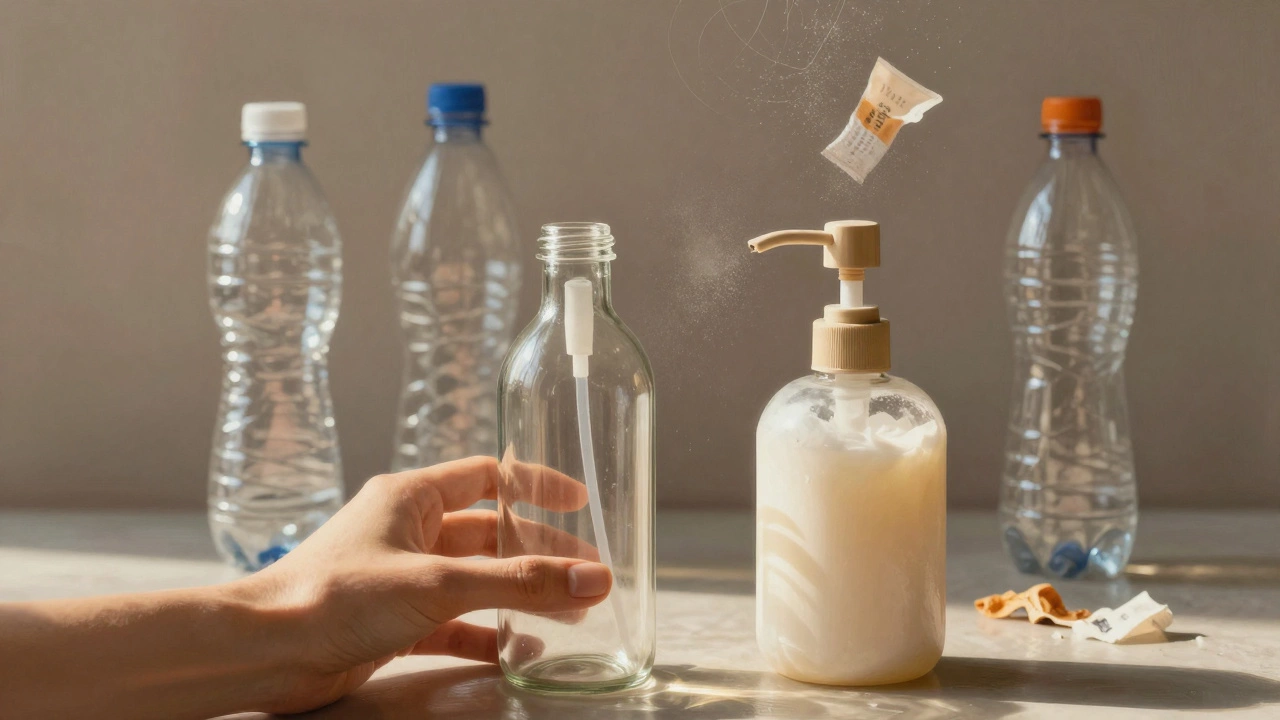
Second, we must support circular economy initiatives. This means designing products for reuse rather than recycling. Imagine a world where you buy soap in a glass dispenser that you refill from a bulk station, or where milk is delivered in returnable glass bottles. These models exist today, but they are niche. Scaling them up requires policy support and consumer pressure.
Finally, transparency is key. Organizations like CIEL publish detailed reports naming the worst offenders. By tracking supply chains, we can identify which brands are making genuine progress and which are just talking. Investors are beginning to take notice. ESG (Environmental, Social, and Governance) criteria are pushing pension funds and banks to divest from companies with high pollution risks.
Looking Ahead: The 2026 Landscape
As we move through 2026, the pressure is mounting. The UN Global Plastics Treaty negotiations have intensified, aiming to cap global plastic production for the first time. While progress is slow, the momentum is undeniable. Consumers are more informed than ever before. They scan labels, check sustainability reports, and vote with their wallets.
However, the sheer volume of plastic being produced continues to rise. New facilities are coming online in Southeast Asia and the Middle East. Without binding international agreements and strict national regulations, the trend will continue. The largest polluters will remain the largest until their profits are directly tied to their environmental impact.
Understanding who these companies are is the first step. Knowing that Sinopec, ExxonMobil, Coca-Cola, and Nestlé sit at the center of the crisis empowers us to demand change. It moves the conversation from "did you recycle your bottle?" to "why did this company produce a bottle that cannot be recycled?" That shift in perspective is where real action begins.
Is Sinopec really the largest plastic polluter?
Yes, in terms of total volume of virgin plastic resin produced, Sinopec is currently the world's largest producer. They manufacture over 30 million metric tons of plastic annually, primarily polyethylene and polypropylene, used in packaging and construction.
Which brand is the biggest source of plastic litter?
According to annual audits by Break Free From Plastic, Coca-Cola is consistently ranked as the number one brand found in litter across beaches and waterways globally. This is due to the massive volume of single-use PET bottles and cans they distribute.
Why don't these companies stop producing plastic?
Plastic is highly profitable because it is cheap to produce from fossil fuels and meets high consumer demand for convenient packaging. Until regulations force companies to pay for waste management or consumers switch to reusable alternatives, the economic incentive to produce plastic remains strong.
What is the difference between a plastic producer and a brand owner?
Plastic producers, like ExxonMobil or Sinopec, create the raw resin material. Brand owners, like Nestlé or Unilever, purchase this resin and shape it into final products like bottles or wrappers. Both play critical roles in the pollution cycle, but brand owners control the design and volume of single-use items.
How can I avoid supporting major plastic polluters?
You can reduce your footprint by choosing products with minimal or no packaging, opting for glass or metal containers, and using refill stations where available. Additionally, supporting brands that have committed to verified reduction targets and transparent supply chains helps drive market change.