Manufacturing and Industry: What Drives Modern Production in the US and India
When we talk about manufacturing and industry, the process of turning raw materials into finished goods at scale. Also known as industrial production, it's the backbone of economic power—from the factories of Texas to the textile mills of Gujarat. This isn’t just about making stuff. It’s about jobs, innovation, exports, and national competitiveness.
In the US, manufacturing, a sector that produces over $2.5 trillion in goods yearly. Also known as industrial output, it leads the world in high-value areas like aerospace, semiconductors, and pharmaceuticals, not volume. States like Tennessee and North Carolina are growing fast because of skilled workers, tax breaks, and smart logistics. Meanwhile, India’s chemical industry, a key pillar of its manufacturing base. Also known as process manufacturing, it’s expanding thanks to low-cost talent and government push, even as it battles infrastructure gaps. And let’s not forget plastic—manufacturing supply chain, the network that turns oil and gas into pellets, then into bottles, parts, and packaging. Also known as raw material flow, it’s the silent engine behind nearly every product you touch.
Not all manufacturing is the same. Some factories build one car at a time—those are job shops. Others churn out millions of identical chips—those are process manufacturers. Then there are the ones making TVs or laptops—discrete manufacturers. Each type needs different tools, people, and planning. That’s where the 5 Ps come in: Product, Process, Plant, People, Planning. Get one wrong, and your factory stalls. Get them all right, and you’re competitive globally.
India isn’t just making textiles—it’s chasing FDA approvals for drug exports. The US isn’t just building machines—it’s racing to stay ahead of China in automation and AI-driven factories. Meanwhile, some industries are fading. Others are booming. The ones that survive will be the ones that adapt, invest in people, and understand their supply chains from raw material to final box.
Below, you’ll find clear, no-fluff guides on who leads global manufacturing, what’s changing in US factories, how Indian chemical makers are rising, and why the right type of manufacturer matters for your business. No theory. No jargon. Just what works.
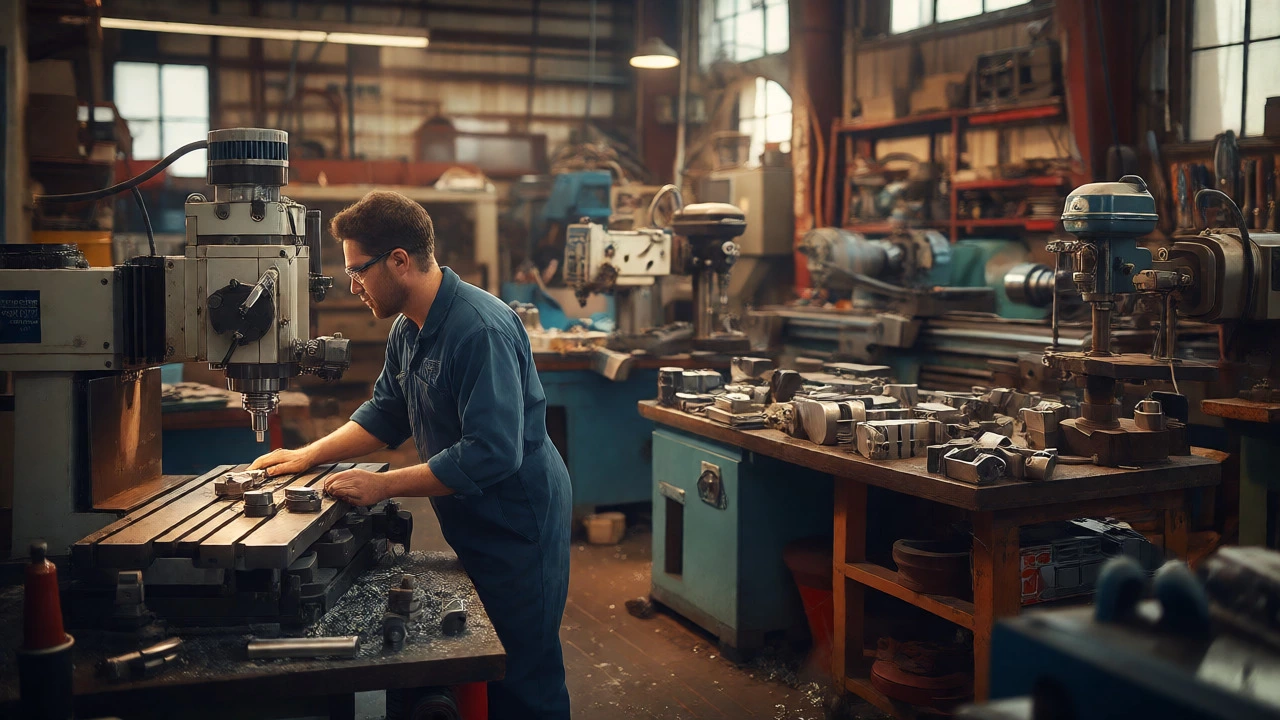
Discover the most common manufacturing systems, from job shops to continuous processes. Learn how volume, variety, and flexibility dictate the right choice for your business.

Discover why Henry Ford is called the father of manufacturing. Learn how the assembly line changed industry and apply these lessons to modern business.
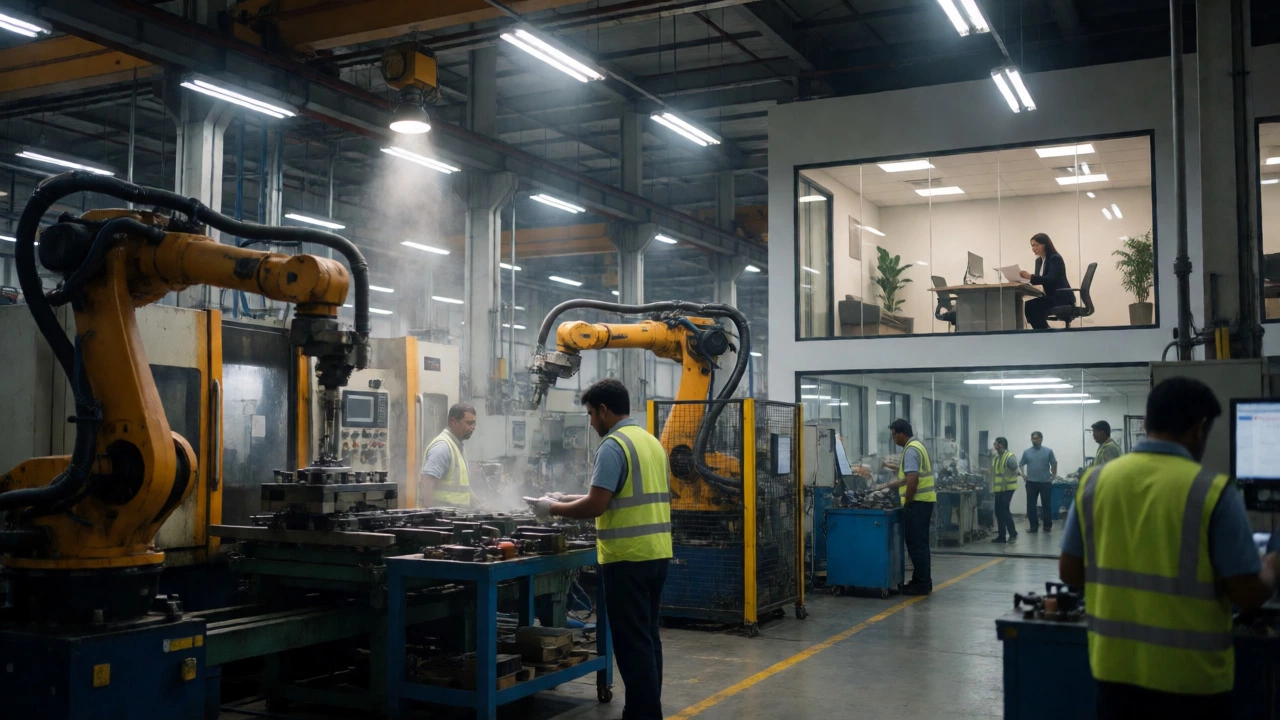
Discover who really runs a manufacturing company, from CEOs to Plant Managers. Learn how leadership roles shape factory efficiency, safety, and profitability.

Discover the oldest manufacturing companies in history, including Japan's Kongō Gumi and Takeda Shoten. Learn how these ancient firms survived for centuries through niche focus and family governance.
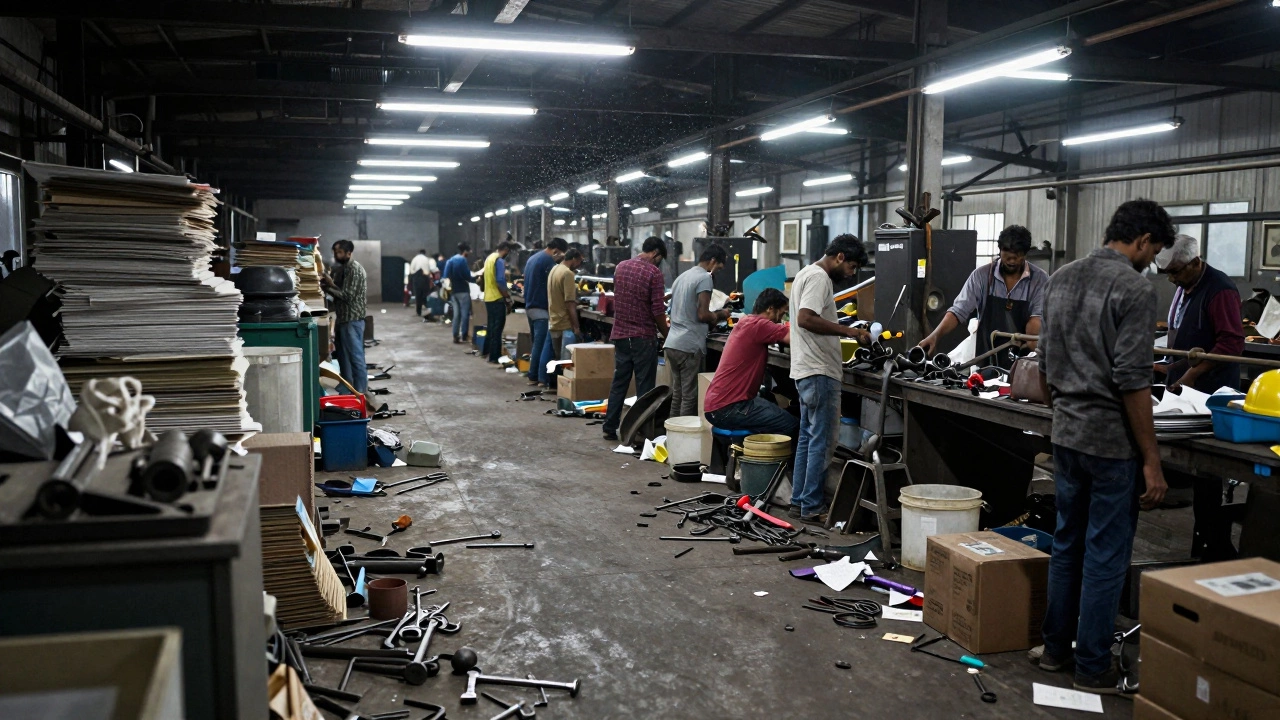
Discover the 7s of manufacturing: a comprehensive guide to upgrading from 5S by adding Safety and Sustainability. Learn how to boost efficiency, reduce waste, and ensure a safer workplace.
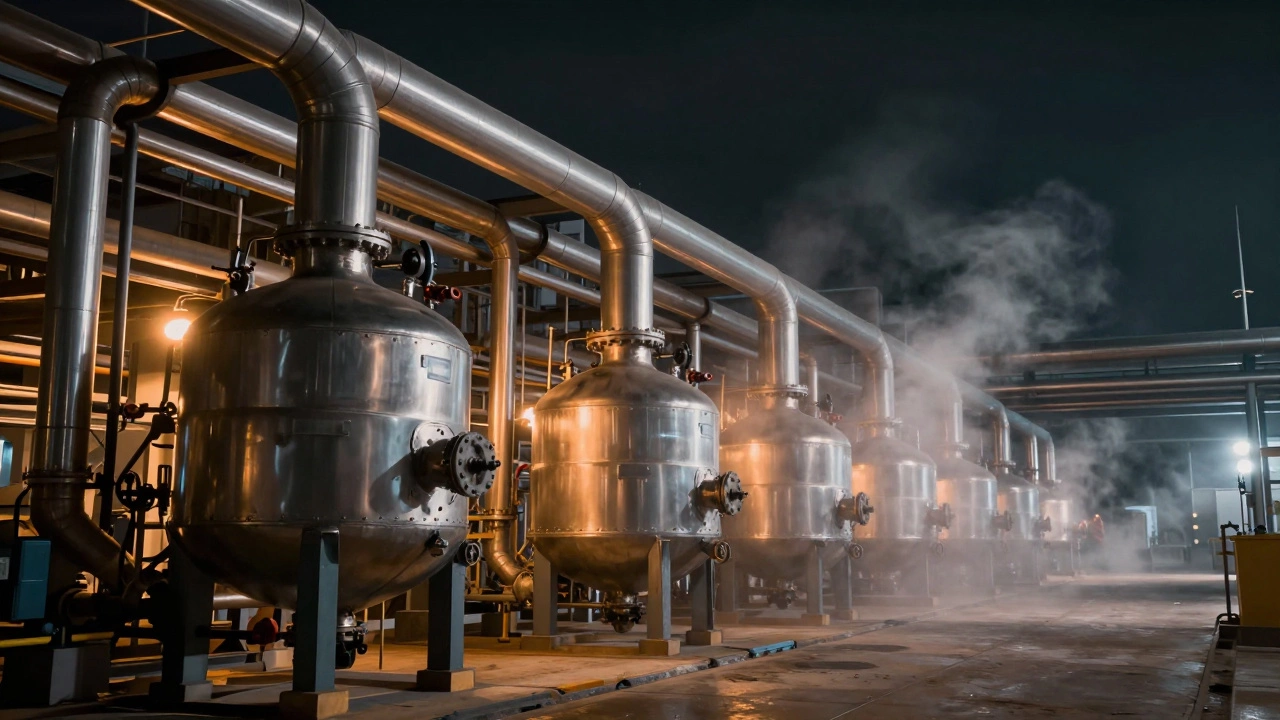
Explore the six primary types of manufacturing: continuous, discrete, additive, subtractive, repetitive, and batch. Learn how each method works, their pros and cons, and which industries use them.
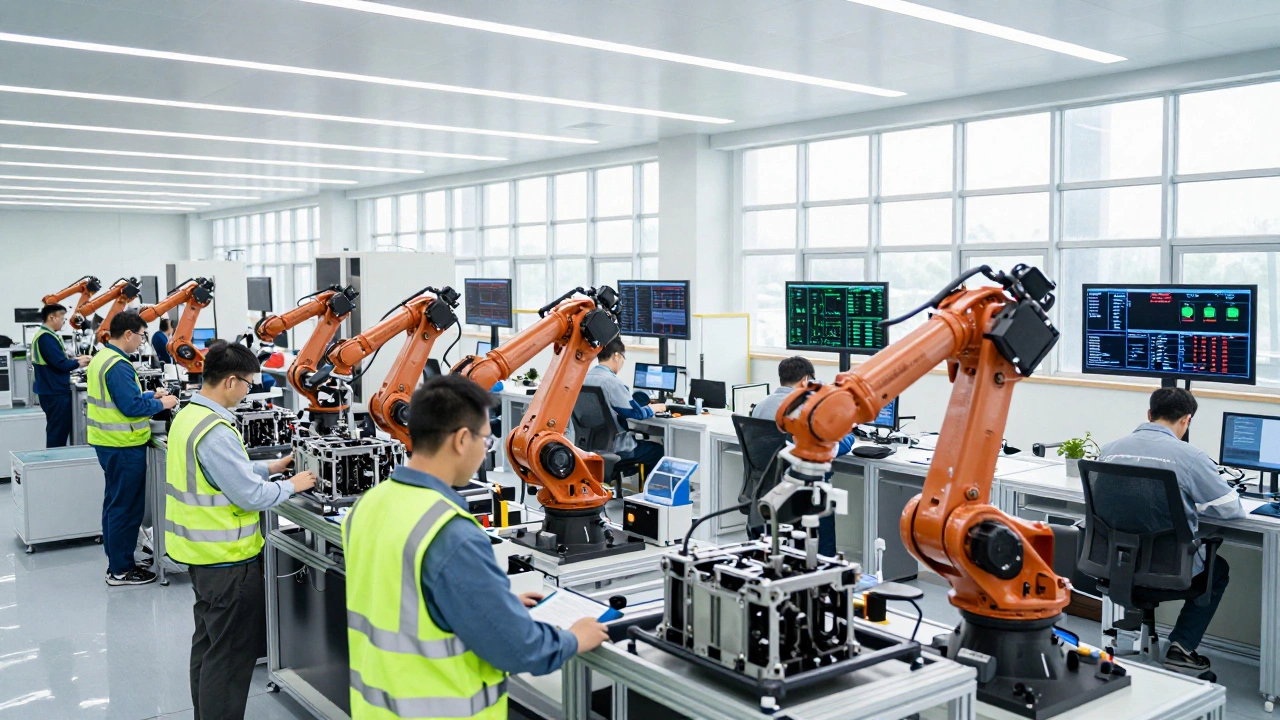
Discover the latest stats on US manufacturing employment. Learn what percent of the workforce works in factories, how automation affects jobs, and which states lead in 2026.

The most sold product on earth is the plastic water bottle-over 500 billion sold yearly. For manufacturing startups, the real opportunity isn’t making more bottles-it’s replacing them with reusable, sustainable systems that eliminate waste.
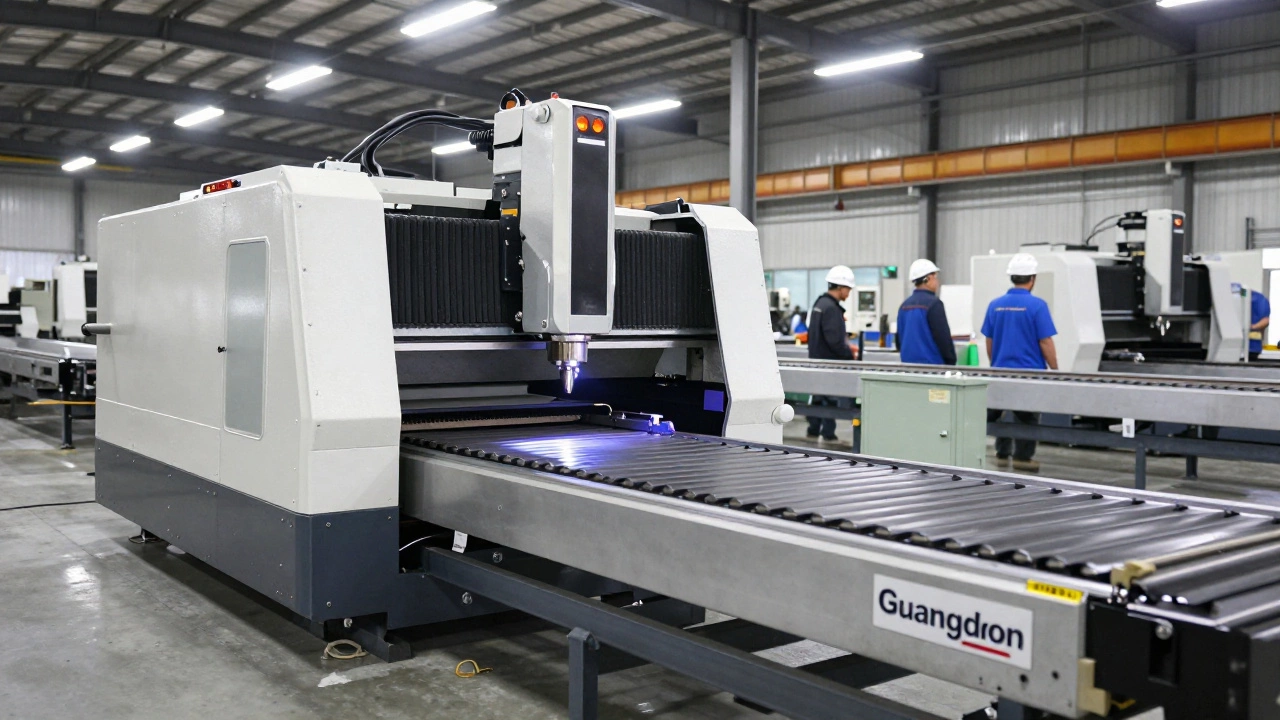
The U.S. imports machinery from China, Germany, Japan, India, and South Korea. Each country offers different strengths-China for volume, Germany for precision, India for value, and Japan for reliability. Understanding where equipment comes from helps businesses make smarter buying decisions.
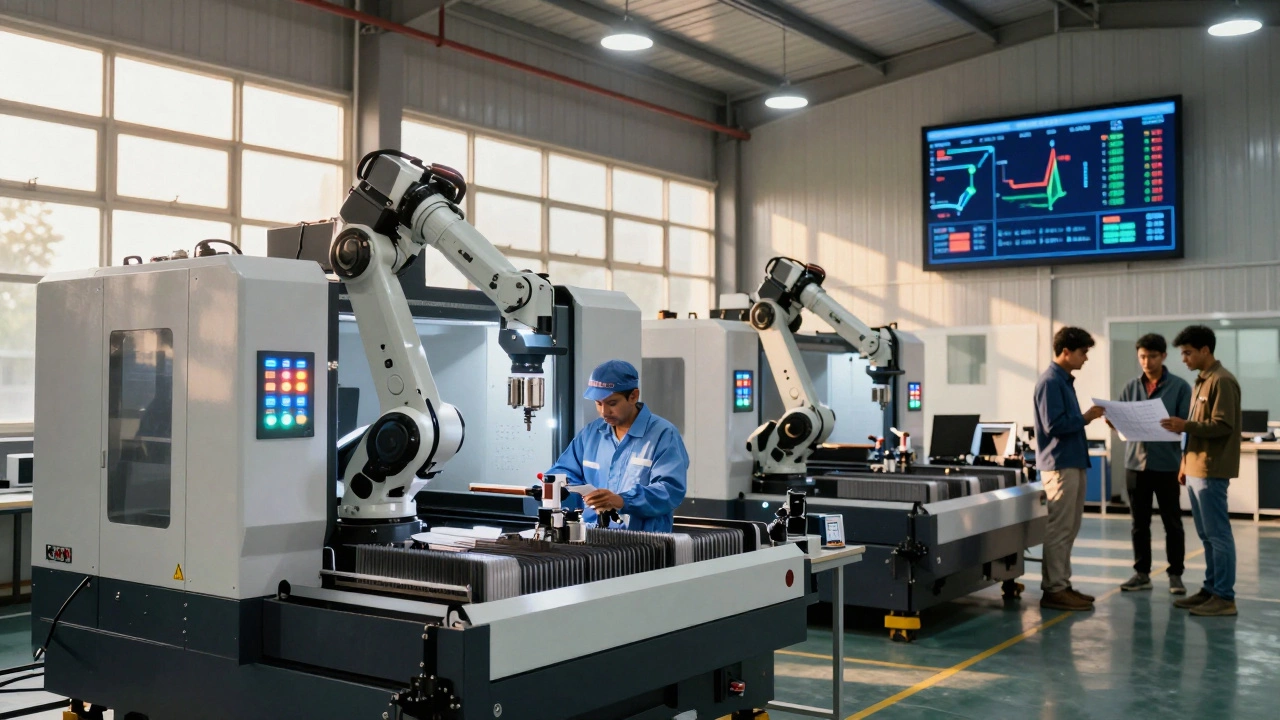
Manufacturing drives job creation, economic growth, innovation, and national security. Government schemes make it possible for businesses of all sizes to thrive, turning local factories into engines of progress.
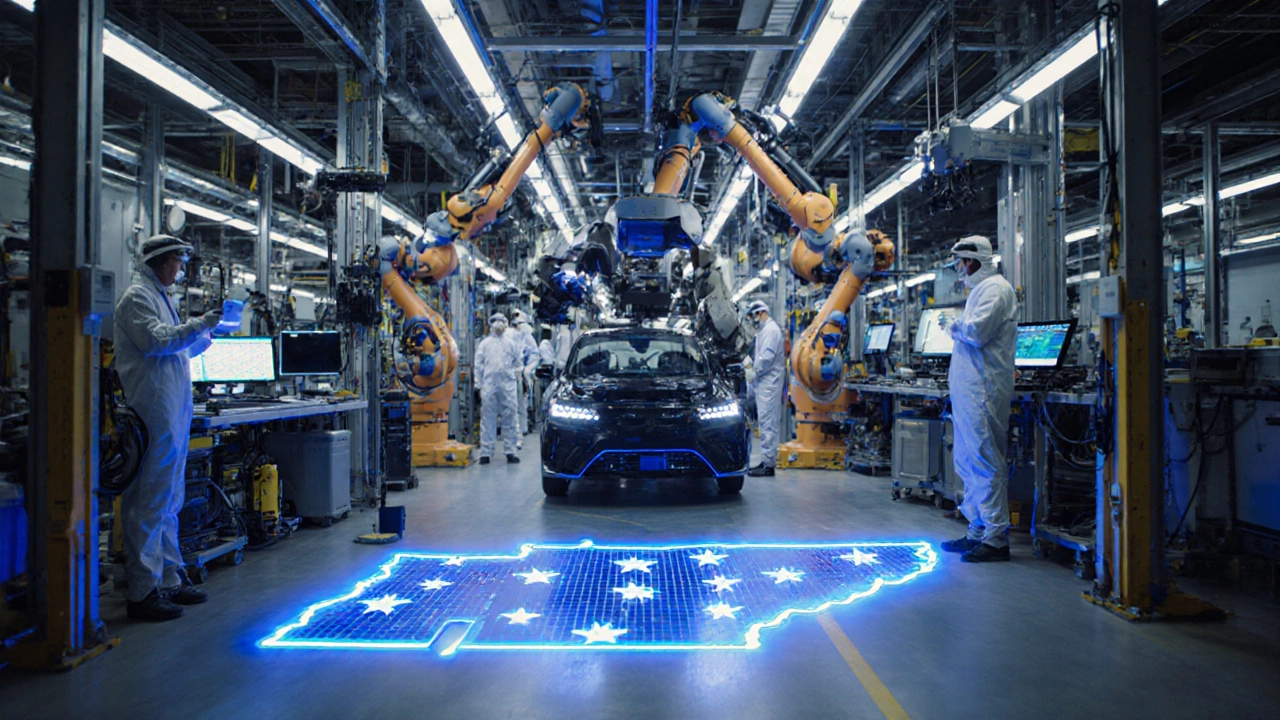
Discover the top U.S. states with the fastest manufacturing growth in 2025, including Tennessee, Texas, and North Carolina, and learn why location, workforce training, and state incentives are key to success.
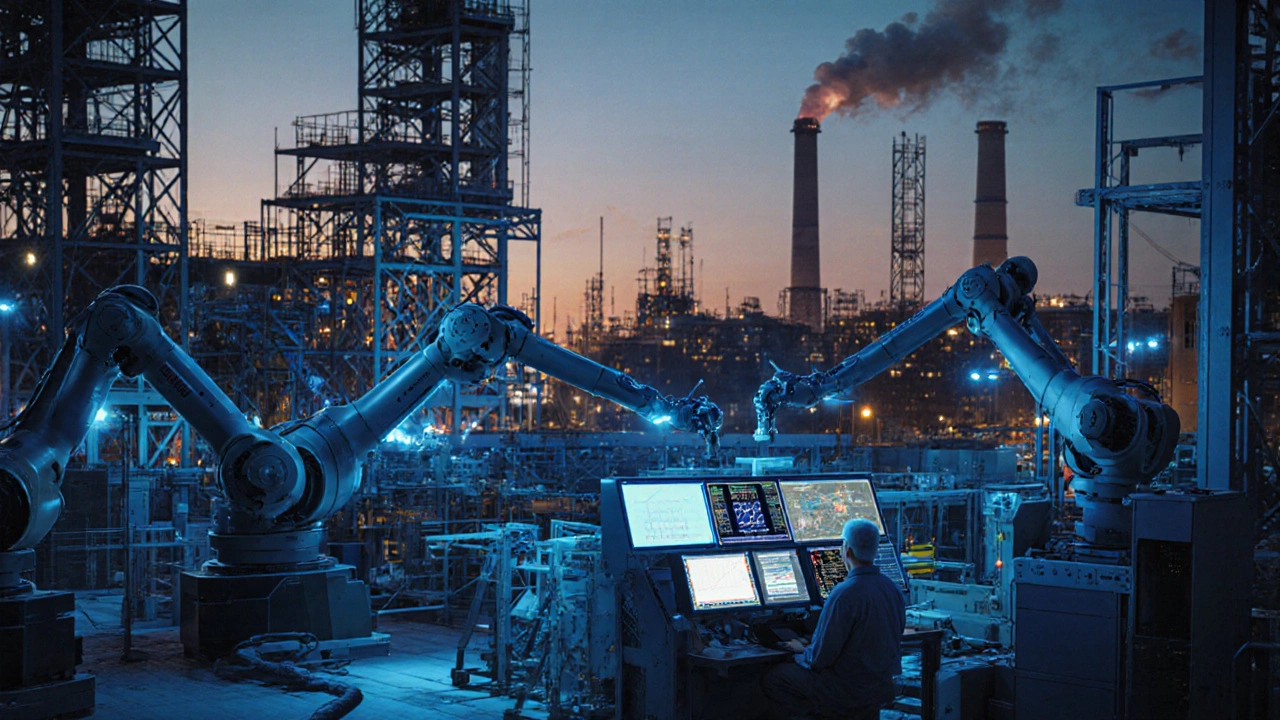
The US is the second-largest manufacturing nation in the world, producing over $2.5 trillion in goods annually. It leads in high-value industries like aerospace, semiconductors, and pharmaceuticals, not volume.