7S Implementation ROI Calculator
Select how well you plan to implement each 'S' (1=Minimal, 5=Excellent). This affects the savings estimate.
Efficiency Gains
Safety Reduction
Energy & Waste
Total Estimated Annual Savings:
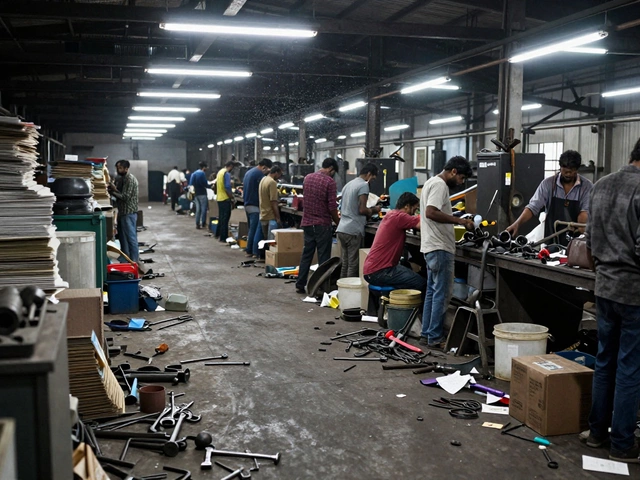
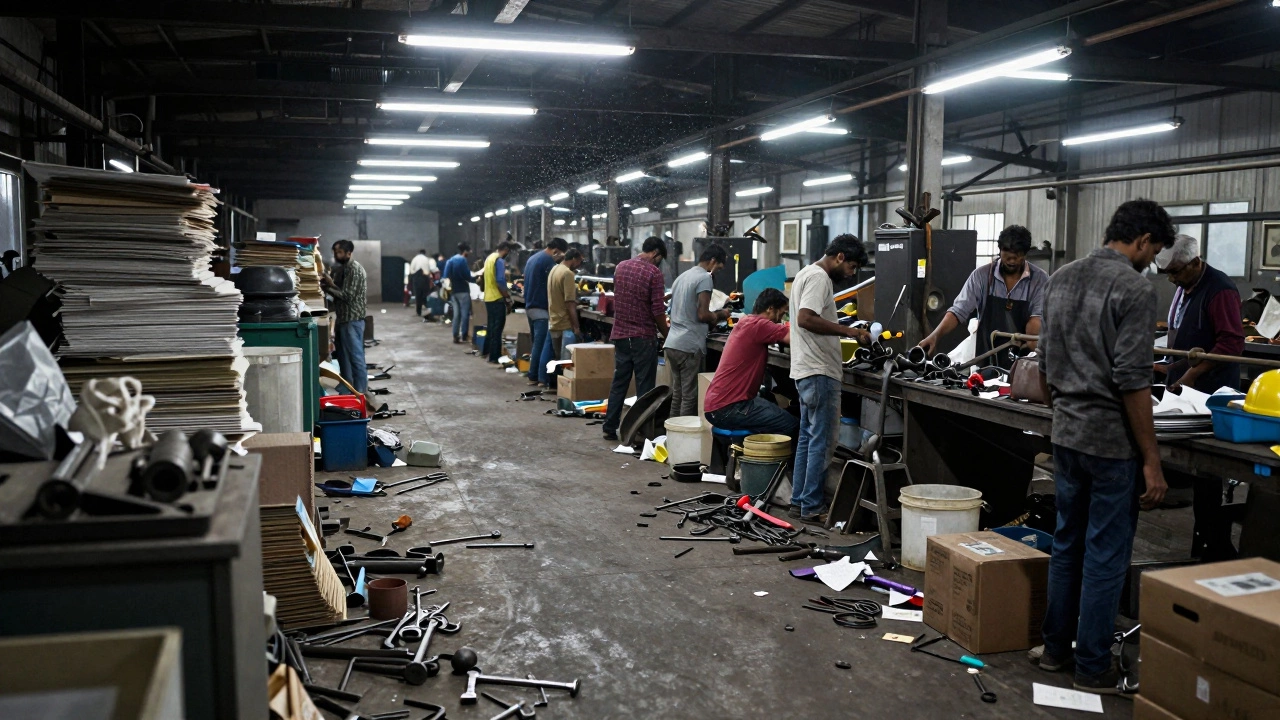
Based on current inputs and implementation qualityWalk into a chaotic factory floor. Tools are scattered on the floor, raw materials are piled up in random corners, and workers spend half their day looking for what they need to finish a task. Now, walk into a high-efficiency plant. Everything has a place. Surfaces are clean. Safety protocols are visible. Workers move with purpose. The difference isn't magic; it's a system known as the 7s of manufacturing.
If you are running a production line, a workshop, or even a small-scale assembly unit, you know that waste kills profit. Time spent searching is time not spent producing. Clutter causes accidents. Confusion leads to defects. The 7s framework is the antidote to this chaos. It builds on the famous 5S methodology from Japan but adds two critical layers-Safety and Sustainability-to create a modern, robust standard for industrial excellence.
Understanding the Foundation: From 5S to 7S
To get the 7s right, you first have to respect where they came from. The original 5S model (Sort, Set in Order, Shine, Standardize, Sustain) was developed by Toyota in the mid-20th century as part of their Production System. It focused heavily on visual management and workspace organization. For decades, this was the gold standard.
However, as global manufacturing evolved, two gaps became obvious. First, safety incidents were still happening in "organized" workplaces because safety wasn't baked into the daily routine-it was an afterthought. Second, environmental regulations and cost pressures forced companies to look at waste beyond just physical clutter. This led to the expansion into the 7S model. By adding Safety and Sustainability, the framework shifted from being just about cleanliness to being about holistic operational health.
What is the difference between 5S and 7S?
The primary difference is scope. 5S focuses on workplace organization and efficiency (Sort, Set in Order, Shine, Standardize, Sustain). 7S expands this by explicitly integrating Safety as a core pillar and adding Sustainability to address environmental impact and long-term resource efficiency.
The First Step: Sort (Seiri)
You cannot organize what you do not understand. The first 'S' is Sort. This is the most aggressive step. You go through every single item in your workspace and ask one question: "Do we need this here, right now?"
If the answer is no, it goes. This doesn't mean throwing everything away immediately. It means removing it from the active work area. Use red tags for items that are questionable. If a tool hasn't been used in three months, tag it. Move it to a quarantine zone. After a set period, if nobody claims it, dispose of it or sell it.
In a real-world scenario, a machine shop might find fifty unused drill bits clogging a drawer. Sorting reveals that only five types are actually used for current orders. Removing the other forty-five saves seconds every time a worker opens that drawer. Those seconds add up to hours over a year.
The Second Step: Set in Order (Seiton)
Once you've sorted out the junk, you arrange the essentials. This is often called "a place for everything and everything in its place." But it’s more specific than that. It’s about ergonomics and flow.
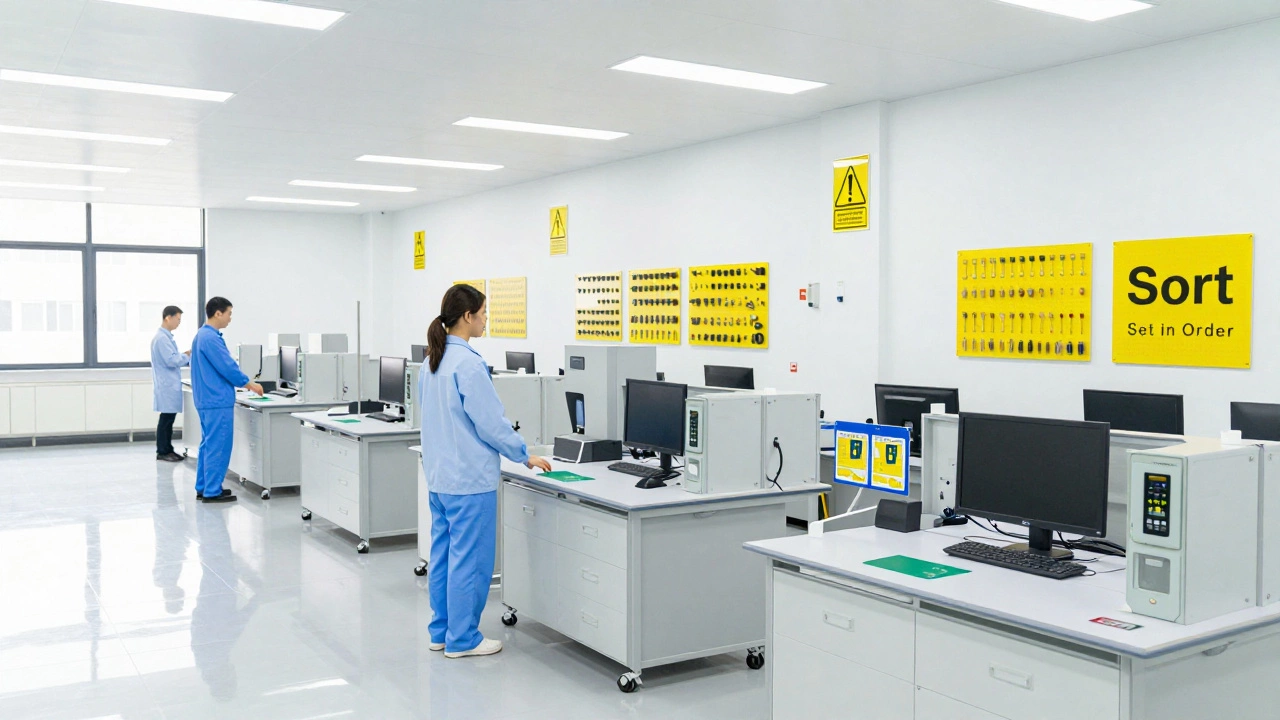
Use shadow boards for tools. Outline where each wrench belongs so that if one is missing, you see the empty shape instantly. Label bins clearly. Place frequently used items within arm's reach and rarely used items higher up or further back. The goal is to eliminate motion waste. If a worker has to walk ten steps to get a screwdriver, you’ve designed a bad workflow. Set in Order minimizes movement, reducing fatigue and increasing speed.
The Third Step: Shine (Seiso)
Cleanliness is inspection. When you clean a machine, you are also checking it. Grease buildup can hide leaks. Dust can obscure cracks. Dirt can jam mechanisms. The third 'S', Shine, requires that cleaning be part of the daily job description, not a weekend chore done by a janitor.
Workers should clean their own stations. As they wipe down a conveyor belt, they notice a frayed wire. They fix it before it causes a breakdown. This proactive maintenance prevents costly downtime. Shine turns cleaning into a diagnostic tool.
The Fourth Step: Standardize (Seiketsu)
Without standards, your workplace will slide back into chaos. The fourth 'S' ensures that the first three steps become the norm, not the exception. You create checklists, color-coding systems, and visual guides.
For example, define exactly what "clean" looks like. Take photos of a perfect workstation and post them above the desk. Create a schedule: who cleans what, and when? Standardize makes it easy for new employees to learn the system and for managers to audit performance objectively. It removes ambiguity.
The Fifth Step: Sustain (Shitsuke)
This is the hardest step. Sustaining discipline requires culture change. It’s easy to implement 5S for a week during an audit, then let it slip. Sustain means making these habits automatic. It involves regular audits, training, and leadership buy-in.
Leaders must walk the floor. If the manager ignores clutter, the team will too. Celebrate improvements. Recognize teams that maintain high standards. Sustain transforms the 7S from a project into a way of life.
The Sixth Step: Safety (Anzen)
Here is where the 7S model diverges significantly from traditional lean practices. Safety is not just a compliance requirement; it is integrated into the workflow. In a 7S environment, you identify hazards during the Sort and Shine phases.
Is that cable tripping people? Remove it. Is that chemical stored improperly? Relocate it. Safety signs should be clear and visible. Emergency exits must never be blocked by boxes. By embedding safety into the daily routine, you reduce accidents and insurance costs. More importantly, you protect your people. A safe worker is a confident worker, and confidence drives productivity.
The Seventh Step: Sustainability (Kaizen/Kankyo)
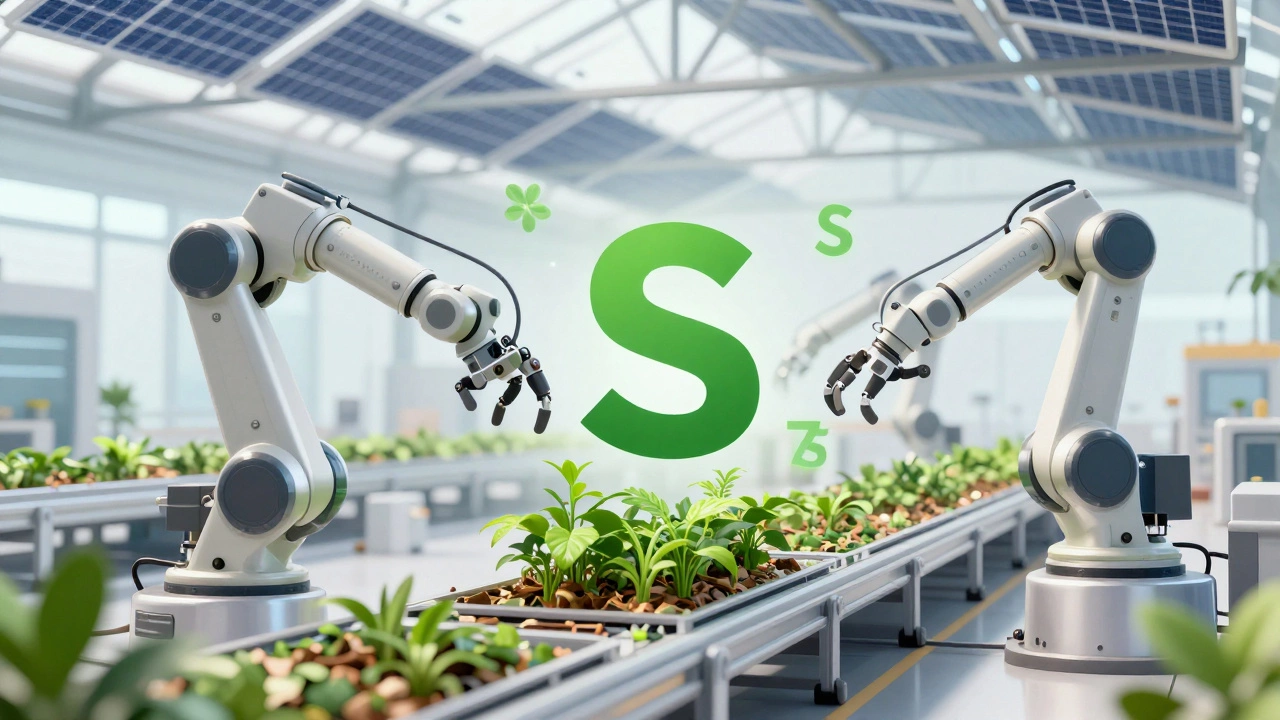
The final 'S' addresses the future. Sustainability in manufacturing means minimizing environmental impact and optimizing resource use. This aligns perfectly with the lean principle of waste reduction.
Consider energy consumption. Are lights left on in empty rooms? Can machines run on lower power during idle times? Look at material waste. Can scrap metal be recycled directly on-site? Can packaging be reduced? Sustainability also includes social sustainability-ensuring fair labor practices and community engagement. In 2026, consumers and regulators demand green practices. Implementing this 'S' future-proofs your business against tightening regulations and shifting market preferences.
| Aspect | 5S Methodology | 7S Methodology |
|---|---|---|
| Primary Focus | Workplace Organization & Efficiency | Holistic Operational Excellence |
| Safety Integration | Implicit (part of general order) | Explicit Pillar (dedicated focus) |
| Environmental Impact | Minimal consideration | Core Component (Sustainability) |
| Regulatory Compliance | Basic OSHA standards | Advanced ESG & Safety Standards |
| Long-term Viability | Operational stability | Future-proofing & Brand Reputation |
Implementing the 7s in Your Facility
How do you start? Don't try to boil the ocean. Pick one pilot area-a single production line or a warehouse section. Train a small team. Give them the tools to sort, set, shine, standardize, sustain, secure, and save resources.
Measure the results. Track metrics like time-to-find-tools, accident rates, and waste volume. Show the data to the rest of the company. Success breeds adoption. Once the pilot proves its worth, roll it out department by department.
Remember, the 7s is not a one-time cleanup. It is a continuous cycle. You sort, you improve, you repeat. It requires patience, leadership, and a willingness to challenge the status quo. But the payoff is clear: a safer, cleaner, more efficient, and more profitable operation.
Common Pitfalls to Avoid
Many companies fail at implementing the 7s because they treat it as a cosmetic exercise. They paint lines on the floor but don't change the behavior underneath. Avoid these traps:
- Lack of Leadership Support: If bosses don't care, workers won't either.
- Ignoring Employee Input: Workers know where the bottlenecks are. Listen to them.
- Skipping the Sustain Phase: Without ongoing audits, entropy wins.
- Treating Safety as Separate: Integrate safety checks into daily routines, not monthly meetings.
The 7s of manufacturing is a powerful toolkit. It simplifies complexity. It brings order to chaos. And in today's competitive landscape, that order is your biggest advantage.
Is the 7S method suitable for small businesses?
Yes. Small businesses often benefit more because they have less bureaucracy to overcome. Implementing 7S in a small workshop can drastically improve cash flow by reducing waste and improving speed, without the need for expensive software or consultants.
How long does it take to implement the 7S system?
Initial implementation in a pilot area can take 2-4 weeks. Full facility rollout may take several months. However, sustaining the system is a lifelong commitment requiring daily attention and periodic reviews.
Does 7S replace ISO standards?
No, it complements them. 7S provides the cultural and physical foundation that makes achieving ISO 9001 (Quality) or ISO 14001 (Environment) certifications much easier and more authentic.
What role does technology play in the 7S?
Technology supports 7S through digital checklists, IoT sensors for monitoring equipment health (Shine), and inventory tracking systems (Sort/Set in Order). However, technology cannot replace the human discipline required for Sustain and Safety.
How do I measure the ROI of 7S?
Track metrics such as reduced search time for tools, fewer safety incidents, lower utility bills (due to sustainability measures), and increased output per hour. These tangible savings directly translate to return on investment.