US Plastic Production Quiz
Test Your Knowledge
How much do you know about where plastic is made in the US? Answer these questions based on the article content to see how much you've learned.
Plastic isn’t made in one place. It’s not hidden in a single factory or tucked away in a remote corner of the country. It’s made across dozens of states, in massive industrial zones, near oil refineries, and along major shipping routes. If you’re wondering where plastic is actually made in the US, the answer isn’t a single city - it’s a network of industrial hubs, each playing a different role in the chain.
Where Most Plastic Starts: The Gulf Coast
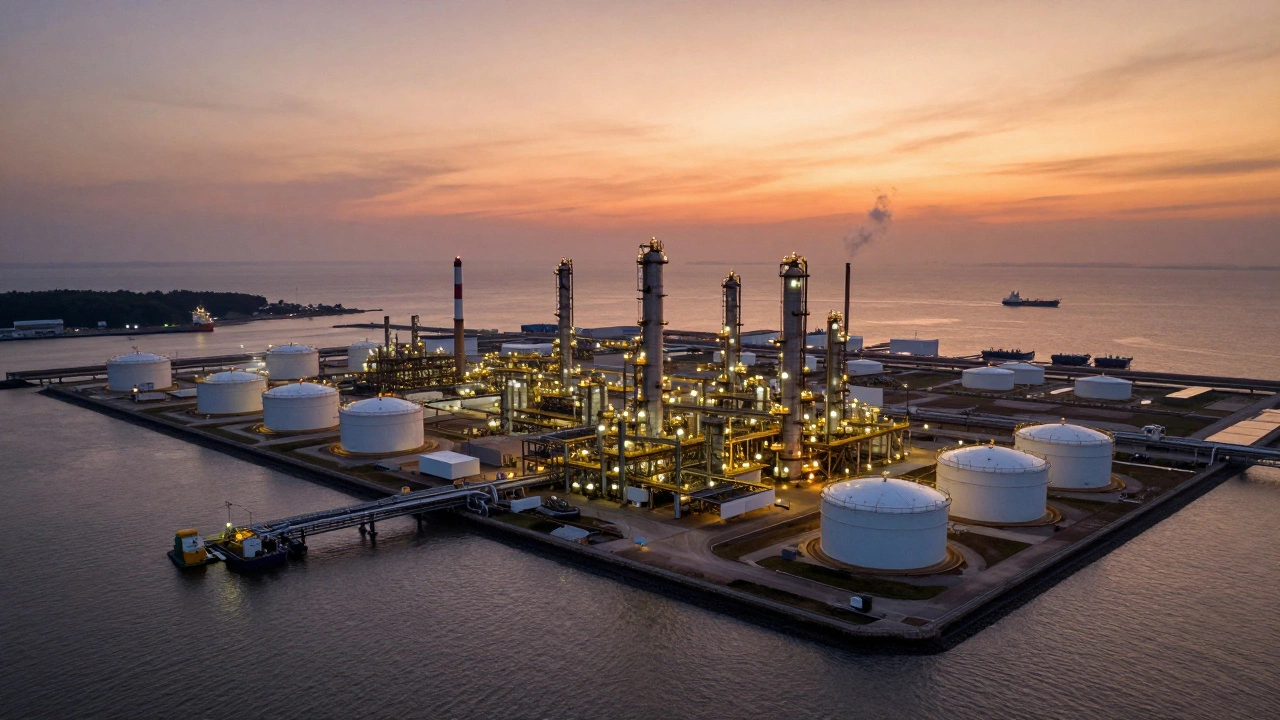
The heart of plastic production in the US beats along the Gulf Coast, especially in Texas and Louisiana. This region handles over 60% of the country’s plastic resin manufacturing. Why? Because it’s where crude oil and natural gas are refined. Plastic starts as ethane and propane - byproducts of fracking and oil drilling. These feedstocks are turned into ethylene and propylene, the building blocks of polyethylene and polypropylene - the most common plastics on Earth.
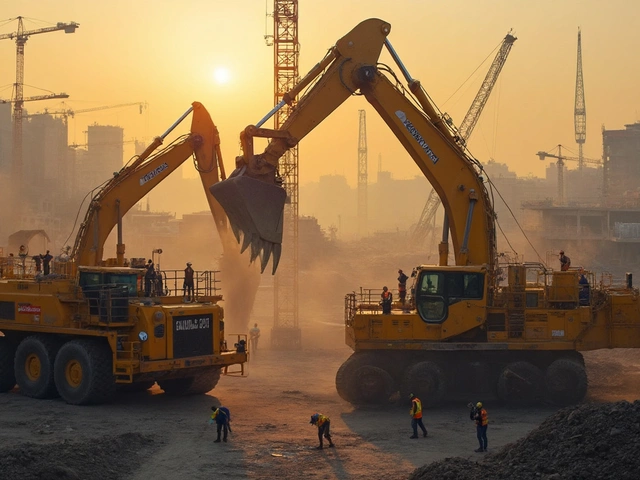
Companies like Dow Chemical, LyondellBasell, and Shell Chemical operate massive cracker plants here. The Shell petrochemical complex in Pennsylvania, Texas, for example, is one of the largest single-site plastic producers in North America. It makes over 1.6 million tons of ethylene annually, feeding factories that turn it into grocery bags, milk jugs, and packaging film.
The Midwest: A Hub for Injection Molding and Reprocessing
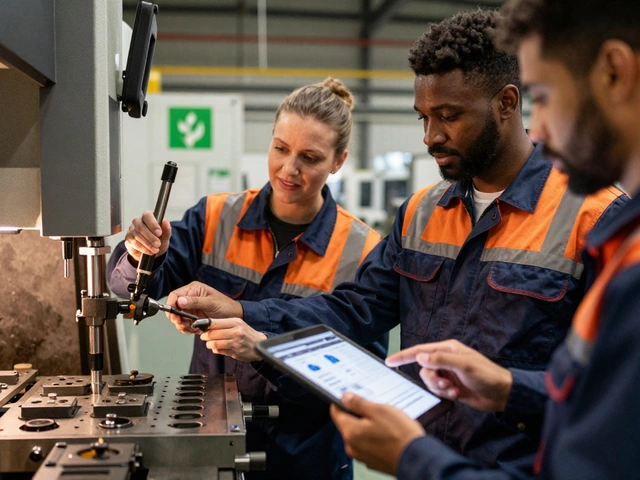
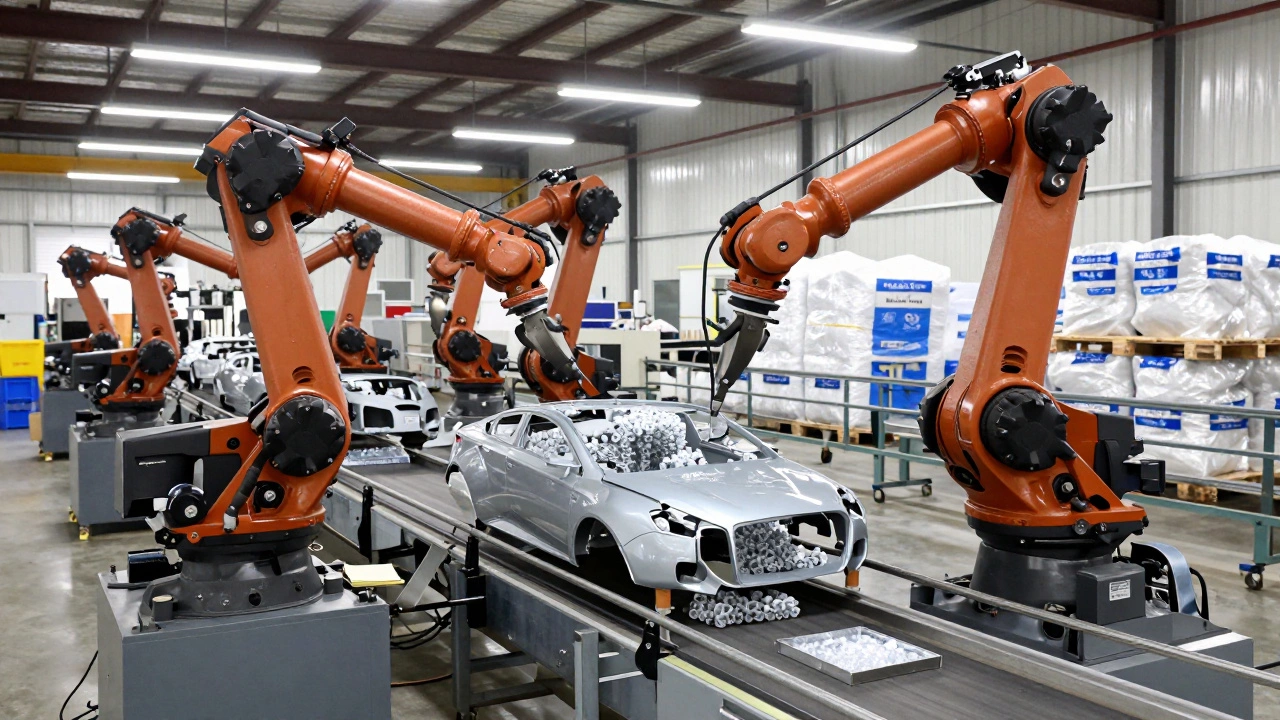
While the Gulf Coast makes the raw plastic pellets, the Midwest turns them into real products. Ohio, Michigan, Indiana, and Illinois are packed with injection molding plants. These aren’t resin factories - they’re where plastic gets shaped. Think car parts, appliance housings, toys, and medical devices.
Companies like Cardinal Health, Johnson Controls, and countless smaller suppliers run facilities here. Detroit’s legacy as an auto manufacturing center means it also hosts dozens of plastic part makers. A single plant in Toledo might produce 5 million plastic dashboard components a year. These facilities don’t make plastic from scratch - they buy pellets shipped from Texas and reshape them.
The West Coast: Innovation and Specialty Plastics
California and Washington are home to a different kind of plastic maker. Instead of mass-producing polyethylene, they focus on high-performance materials. Silicon Valley’s tech ecosystem drives demand for engineered plastics used in electronics, medical implants, and aerospace. Companies like DuPont and Arkema operate R&D labs and small-batch production lines here.
One facility in Fremont, California, makes biodegradable packaging for food delivery startups. Another in Seattle produces flame-retardant plastics for electric vehicle batteries. These aren’t huge volume operations, but they’re critical for innovation. The West Coast also leads in recycling tech - many plastic reprocessing plants here turn post-consumer waste into new pellets, cutting down on virgin plastic use.
The Southeast: Fast-Growing and Labor-Friendly
Over the last decade, North Carolina, Georgia, and Alabama have become hotspots for new plastic plants. Why? Lower taxes, cheaper land, and workforce training programs. Alabama’s Mobile County now hosts a $1.8 billion ethylene cracker from Formosa Plastics - the largest foreign investment in the state’s history.
These new facilities are built with modern efficiency in mind. They use AI-driven monitoring, automated packaging, and closed-loop water systems. The goal isn’t just to make plastic - it’s to make it cheaper and cleaner than older plants on the Gulf Coast. Many of these new sites are owned by Asian conglomerates like LG Chem and SK Global Chemical, which see the US as a stable, low-risk market.
Why Location Matters: Logistics and Feedstock
Plastic production isn’t random. It follows three rules: proximity to feedstock, access to ports, and reliable energy. Plants near fracking fields save millions on raw material transport. Plants near the Gulf of Mexico or the Great Lakes can ship resin by barge - far cheaper than trucks or trains. And because making plastic uses a lot of electricity and steam, most facilities are tied to power grids or co-located with natural gas plants.
Look at a map of US plastic plants and you’ll see a pattern: clusters along the Mississippi River, near Houston’s ship channels, and around the Ohio River Valley. These aren’t accidents. They’re engineered for efficiency.
What Gets Made Where?
Not all plastic is the same. The type of product made depends on the facility:
- Resin plants (Gulf Coast): Make pellets - polyethylene, polypropylene, PVC. These go to other factories.
- Injection molding centers (Midwest): Turn pellets into car bumpers, toy parts, and food containers.
- Extrusion lines (Northeast): Produce plastic film, pipes, and sheets for construction.
- Recycling plants (West Coast, Midwest): Process used bottles and packaging into new resin.
- Specialty labs (California, Massachusetts): Develop medical-grade, high-heat, or biodegradable plastics.
So if you’re holding a plastic water bottle, it likely started as ethane in Texas, became pellets in Louisiana, was shipped to Ohio, and was molded into shape in a factory near Cleveland. The journey is long - but it’s all part of a tightly connected system.
Who’s Really Making It?
Most people think big names like Coca-Cola or Walmart make plastic. They don’t. They buy it. The real makers are industrial giants you’ve never heard of:
- Dow Inc. - Based in Midland, Michigan, but operates major cracker plants in Texas and Louisiana. Makes over 10 million tons of plastic resin yearly.
- LyondellBasell - Headquartered in Houston. One of the world’s largest polyethylene producers.
- ExxonMobil Chemical - Runs plants in Baytown, TX, and Baton Rouge, LA. Supplies plastic for packaging, automotive, and construction.
- Formosa Plastics Group - Taiwanese company with massive new facilities in Mississippi and Louisiana.
- Eastman Chemical - Based in Kingsport, TN. Specializes in advanced polymers for electronics and medical devices.
These companies don’t advertise. You won’t see their logos on products. But every plastic container, every car part, every medical syringe you touch likely came from one of their factories.
The Future: Where Will Plastic Be Made Next?
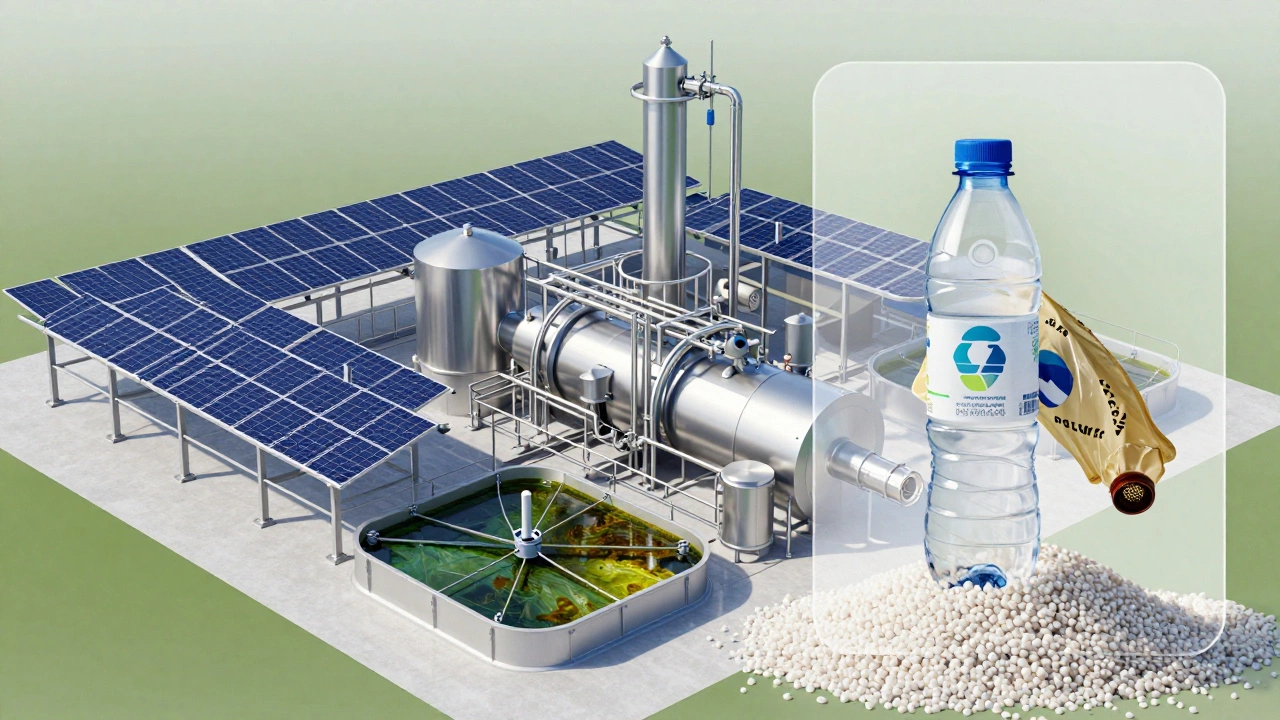
By 2030, the US is expected to add over 20 new ethylene cracker plants. Most will be in the Gulf Coast and Southeast. But there’s a shift happening. Older plants built in the 1970s are being replaced with smaller, modular units that can run on renewable feedstocks. Some companies are testing bio-based ethylene from sugarcane or algae.
Recycling is also changing the map. Companies like Veolia and Renewlogy are building advanced recycling plants in Ohio and Pennsylvania that turn mixed plastic waste into virgin-quality resin. These facilities could one day reduce the need for new cracker plants altogether.
For now, though, the answer is clear: plastic is made where the feedstock is, where the energy is cheap, and where the shipping lanes are wide. And for the foreseeable future, that means the Gulf Coast still leads - but the rest of the country is catching up, fast.