Water Bottle Waste Calculator
Environmental Impact
Total bottles sold annually: 0
Plastic ending in landfill: 0%
Water used in production: 0 gallons
Carbon footprint: 0 tons CO2
Reusable System Savings
Potential bottles saved: 0
Water saved: 0 gallons
Carbon emissions reduced: 0 tons CO2
Assuming 70% reduction in bottled water consumption with refill systems
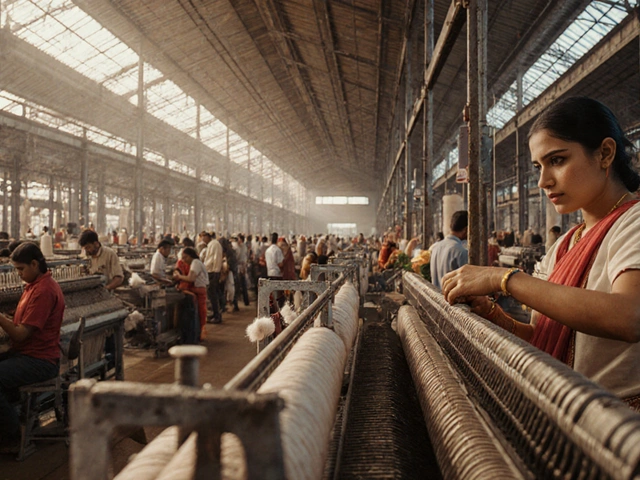
Think about the things you buy every day. Coffee. Phone chargers. Toilet paper. But none of those come close to what’s actually the most sold product on earth. It’s not a smartphone, not a car, not even a pack of gum. It’s a simple, cheap, plastic water bottle. Every year, over 500 billion plastic water bottles are sold worldwide. That’s more than 68 million per hour. Every single hour. For context, that’s enough to circle the Earth 1,500 times in plastic. And this isn’t a fad. It’s been growing for decades.
Why Water Bottles Dominate the Market
Water bottles aren’t sold because they’re fancy. They’re sold because they’re necessary. In 2025, over 2.3 billion people still don’t have safe tap water at home. That’s nearly one in three people on the planet. Bottled water isn’t a luxury-it’s survival for millions. In places like India, Nigeria, and parts of Southeast Asia, bottled water is the only reliable source of drinking water. In wealthier countries, it’s convenience. People grab one on their way to work, the gym, or a road trip. The average American drinks over 40 gallons of bottled water a year. That’s more than soda.
Manufacturers don’t need fancy tech to make this work. A basic 500ml PET bottle costs less than 10 cents to produce. The real profit? The brand. Nestlé, Coca-Cola, and PepsiCo don’t sell water-they sell trust. A label that says "purified," "alkaline," or "glacier-sourced" makes people pay $2 for something that’s basically tap water. And because the margins are so high, companies can afford to flood the market. Every year, over 1.2 million tons of plastic are used just for water bottles. That’s more than the weight of 100 Eiffel Towers.
What This Means for Manufacturing Startups
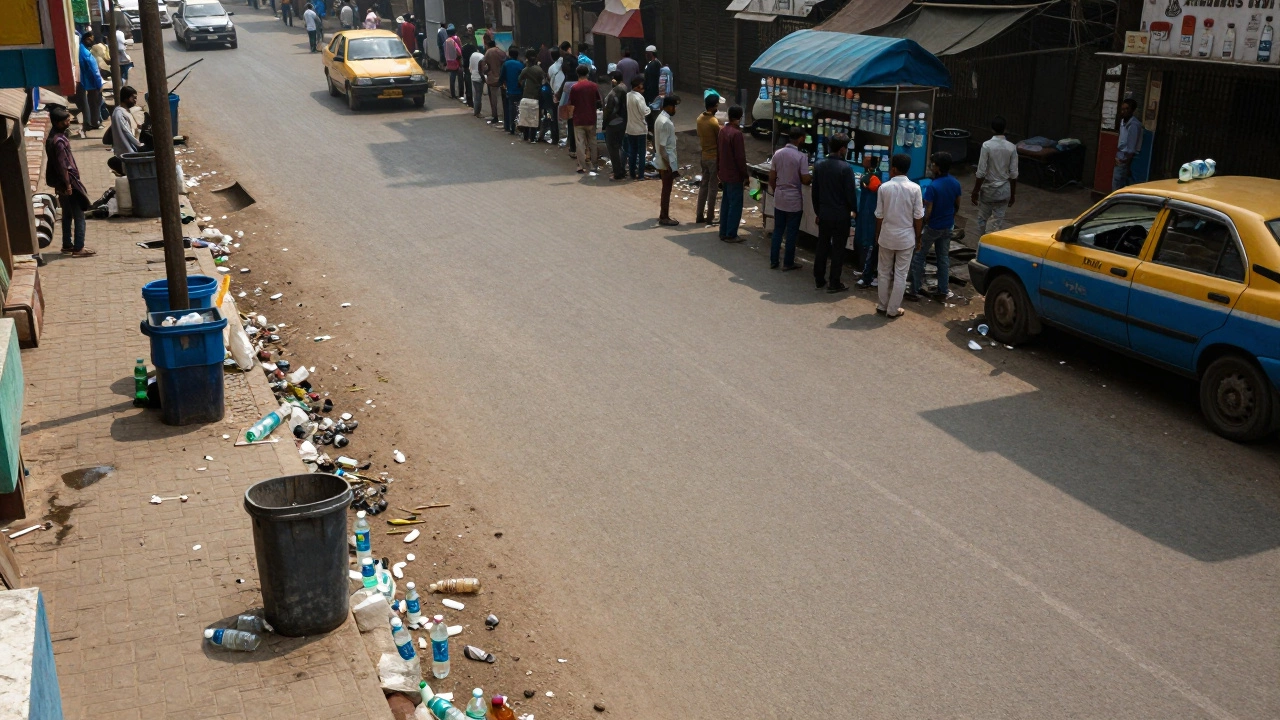
If you’re thinking about starting a manufacturing business, this is your wake-up call. The water bottle market isn’t just big-it’s broken. It’s drowning in waste. Over 80% of these bottles end up in landfills or oceans. Only 9% get recycled. That’s not a failure of consumers. It’s a failure of design. And that’s where opportunity lives.
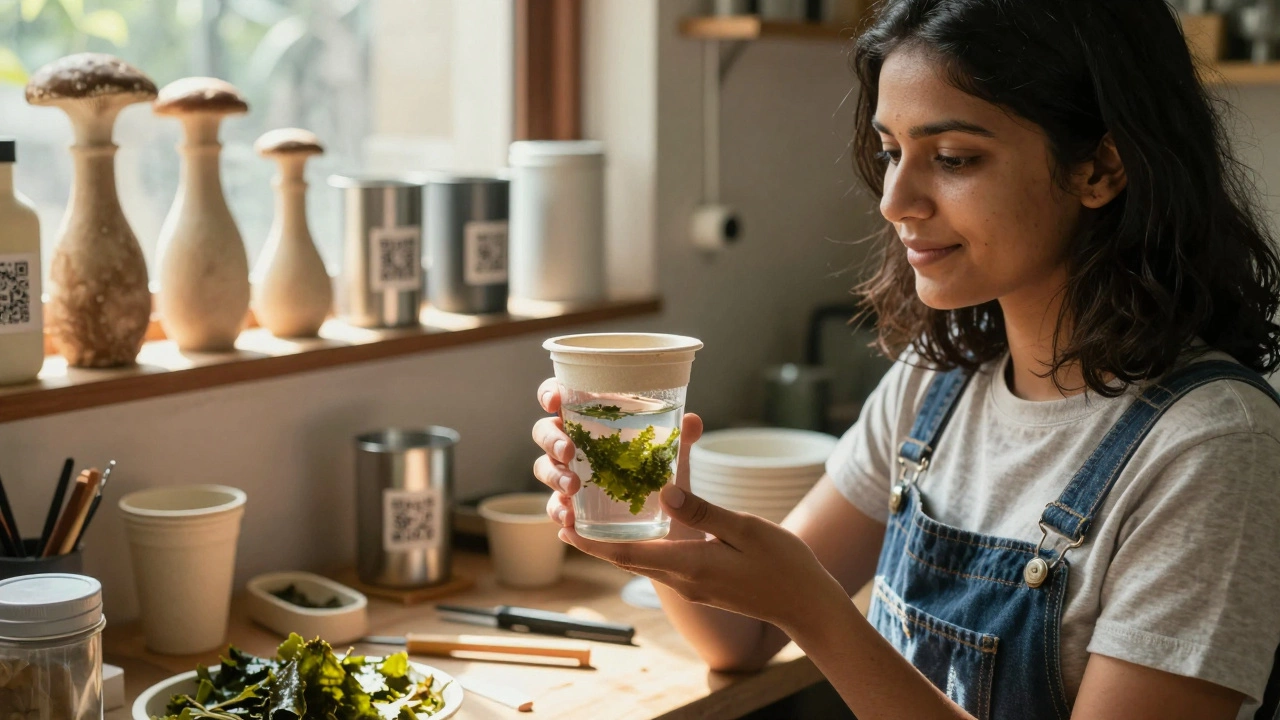
Startups that are winning now aren’t making more plastic bottles. They’re replacing them. Companies like Loliware are making drinkable seaweed cups. Others are using plant-based bioplastics that decompose in 90 days. In 2024, a startup in Vietnam launched a refillable aluminum bottle with a QR code that tracks your usage and rewards you with discounts. Sales hit 2 million units in six months. Why? Because people don’t hate water bottles. They hate waste.
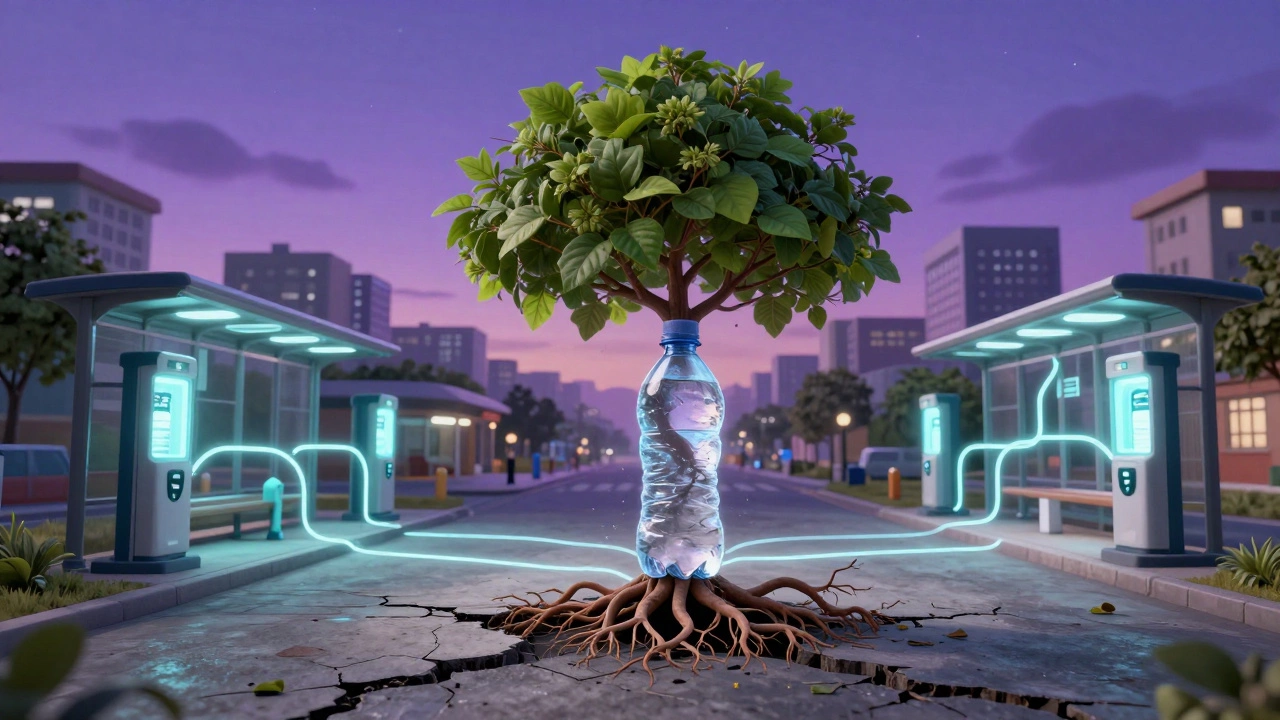
Here’s the truth: no one needs another single-use plastic bottle. But everyone needs clean, accessible water. The winning manufacturing idea isn’t about volume-it’s about value. Can you make a bottle that’s reusable, recyclable, or edible? Can you build a refill network so people don’t need to buy one in the first place? Can you partner with local governments to install water stations in bus stops and markets? The biggest market isn’t the bottle. It’s the system around it.
The Hidden Costs of the Water Bottle Empire
Behind every plastic water bottle is a hidden chain of costs. First, the oil. It takes 3 liters of water to make 1 liter of bottled water. That’s not just wasteful-it’s unsustainable. In drought-stricken regions like California and Cape Town, companies are pumping groundwater to bottle and ship overseas. Locals are left with dry taps.
Then there’s transportation. Bottled water is shipped across continents. A bottle made in Fiji ends up in a London supermarket. That’s 18,000 miles of diesel, emissions, and fuel costs. The carbon footprint of one bottle is 82 times higher than tap water. And yet, it’s cheaper to buy bottled water in New York than to fix the aging pipes that deliver tap water.
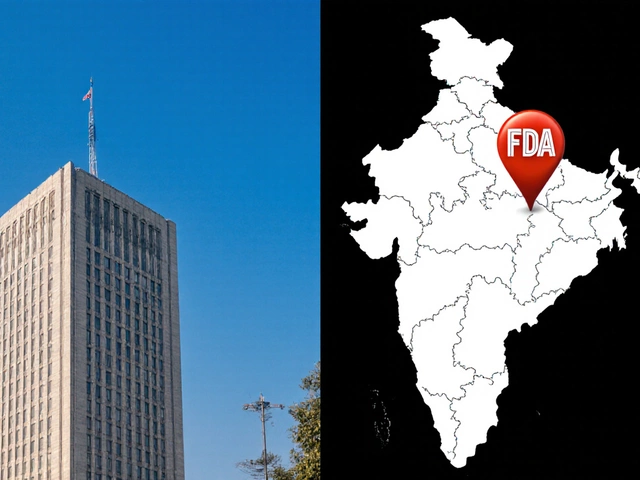
Regulation is patchy. In the EU, water bottle labels must say "bottled at source." In the U.S., the FDA treats bottled water like food. But there’s no requirement to test for microplastics. A 2023 study found 93% of bottled water samples contained plastic particles. We’re drinking our own pollution.
Real Alternatives Already Exist
Let’s look at what’s working right now. In Germany, a refill station network called "Trinkwasser" has over 12,000 public taps. People bring their own bottles. The city saves millions on bottled water contracts. In Kenya, a startup called "Safarilink" sells solar-powered water purifiers for $15. They install them in kiosks and charge 2 cents per liter. Over 200,000 people use them daily. No plastic. No delivery trucks. Just clean water.
Even big brands are shifting. Coca-Cola’s "World Without Waste" plan aims to make 100% of packaging recyclable by 2025. They’re testing paper bottles. PepsiCo is investing in algae-based packaging. These aren’t PR stunts-they’re survival moves. Consumers are demanding change. In 2025, 68% of buyers under 30 said they’d pay more for a product with zero plastic packaging.
Where to Start as a Manufacturer
If you’re serious about entering this space, here’s where to focus:
- Material innovation: Explore bioplastics made from corn, algae, or even mushroom roots. They’re not perfect yet, but they’re getting cheaper.
- Refill infrastructure: Partner with local governments, transit agencies, or malls to install water refill stations. Your product isn’t the bottle-it’s the access point.
- Subscription models: Sell reusable bottles with a refill service. Charge monthly. Build loyalty.
- Zero-waste certifications: Get your product certified by organizations like Cradle to Cradle. It’s a trust signal buyers trust.
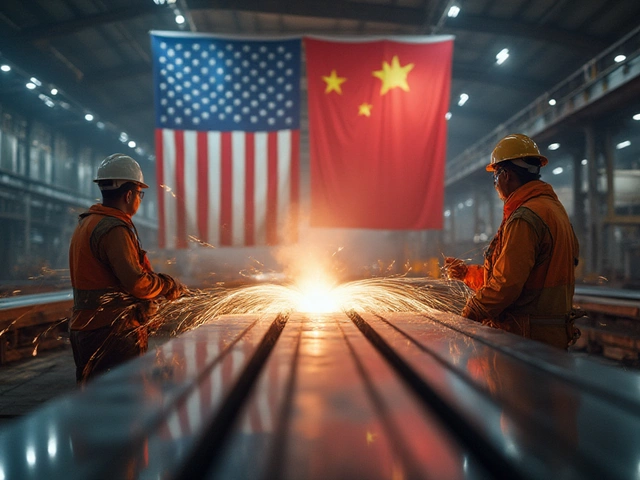
- Localized production: Don’t ship bottles from China. Make them near your customers. Cut shipping, cut emissions, cut cost.
The old model-mass produce, ship globally, sell cheap-is collapsing. The new model-local, circular, transparent-is already here. You don’t need to invent something new. You need to fix something broken.
What’s Next for the Industry
By 2030, the global bottled water market will hit $300 billion. But the plastic bottle segment? It’s expected to shrink by 30%. The growth will come from reusable systems, smart hydration tech, and water-as-a-service platforms. The companies that survive won’t be the ones making the most bottles. They’ll be the ones making the fewest.
Think about it: the most sold product on earth is also one of the most wasteful. That’s not a coincidence. It’s a signal. The next big manufacturing startup won’t be the one that sells more plastic. It’ll be the one that makes plastic unnecessary.
Is bottled water really the most sold product on earth?
Yes. Over 500 billion plastic water bottles are sold each year-more than any other single product. That includes smartphones, shoes, or even cigarettes. No other consumer item comes close in volume. The reason? Accessibility, convenience, and lack of alternatives in many parts of the world.
Why don’t governments just fix tap water instead of letting bottled water dominate?
In many countries, aging infrastructure, corruption, or lack of funding make it cheaper to sell bottled water than to upgrade pipes. In the U.S., over 60% of water pipes are over 40 years old. Fixing them would cost $1 trillion. Bottled water, meanwhile, is a $100 billion industry with no public oversight. It’s easier to sell a bottle than to fix a system.
Can reusable bottles really replace single-use ones?
Absolutely-if the system supports it. Cities like Berlin and San Francisco have cut bottled water sales by 70% just by adding free refill stations. People will reuse if it’s easy and cheap. The bottleneck isn’t consumer behavior-it’s infrastructure. Startups that build refill networks are the ones winning.
Are bioplastics a viable alternative to regular plastic bottles?
They’re promising, but not perfect. PLA (corn-based) bioplastics break down only in industrial composters-not in oceans or home bins. But new materials like PHA (made by bacteria) decompose in seawater. Companies like Danone and Evian are testing them. The real advantage? They’re made from renewable sources, not oil. For startups, the key is combining bioplastics with return-and-reuse systems.
What’s the biggest mistake startups make when entering this space?
They focus on the bottle instead of the system. Building a fancy bottle won’t matter if people can’t refill it. The winning model isn’t selling more products-it’s reducing the need to buy them. Successful startups are designing services, not just packaging.
Stop asking how to sell more water bottles. Start asking how to make them obsolete.