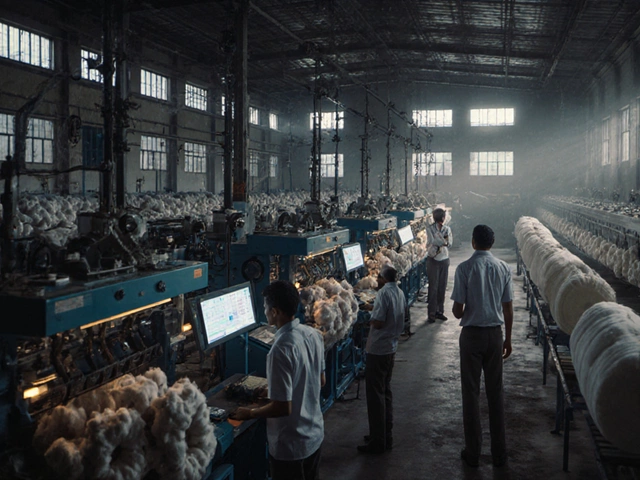
Manufacturing Profitability Calculator
There is no single "most profitable" product. If there were, everyone would be making it, margins would collapse, and the opportunity would vanish. The real question isn't what to make, but what you can make better, faster, or cheaper than anyone else while solving a problem people are desperate to fix.
In 2026, the landscape of manufacturing is the process of converting raw materials into finished goods at scale shifting away from cheap, mass-produced commodities toward specialized, value-added items. Consumers and businesses are willing to pay premiums for sustainability, customization, and local production. Your profitability depends on your access to capital, your technical skills, and your ability to navigate supply chains.
The Math Behind Product Profitability
Before picking a product, you need to understand the numbers. Profitability isn't just about revenue; it's about gross margin and cash flow. A product selling for $100 with a $40 cost has a 60% margin. But if it takes six months to sell one unit, you're broke. A product selling for $20 with a $5 cost has a 75% margin. If you sell ten units a day, you're wealthy.
Focus on these three metrics when evaluating any idea:
- Gross Margin: (Selling Price - Cost of Goods Sold) / Selling Price. Aim for at least 50% to cover overhead and marketing.
- Turnover Rate: How quickly does inventory move? Fast-moving goods free up cash for reinvestment.
- Barrier to Entry: Is it easy for someone else to copy you? Higher barriers mean protected profits.
High-Margin Niches for Small-Scale Manufacturers
If you are starting with limited capital, avoid heavy industrial machinery. Instead, look at sectors where craftsmanship and niche demand drive prices up. Here are five categories showing strong potential in 2026.
1. Sustainable Packaging Alternatives
Plastic bans are expanding globally. Companies are scrambling for alternatives that don't compromise on durability or cost. Making biodegradable packaging is eco-friendly containers made from plant-based materials like cornstarch, mushroom mycelium, or seaweed is a booming sector. You can start small by producing molded pulp trays for electronics or food service. The raw materials are often agricultural waste, keeping costs low. The selling point is clear: brands pay more to look green.
2. Specialized Food Supplements
The health and wellness industry continues to grow. However, generic vitamins are a red ocean. The money is in functional, targeted supplements. Think adaptogens for stress relief, nootropics for focus, or gut-health probiotics tailored to specific diets. Private label supplement manufacturing involves producing dietary supplements under another brand's name. You handle the formulation and production; they handle the marketing. Margins here can exceed 70% because the perceived value of health is incredibly high.
3. Custom Home Automation Components
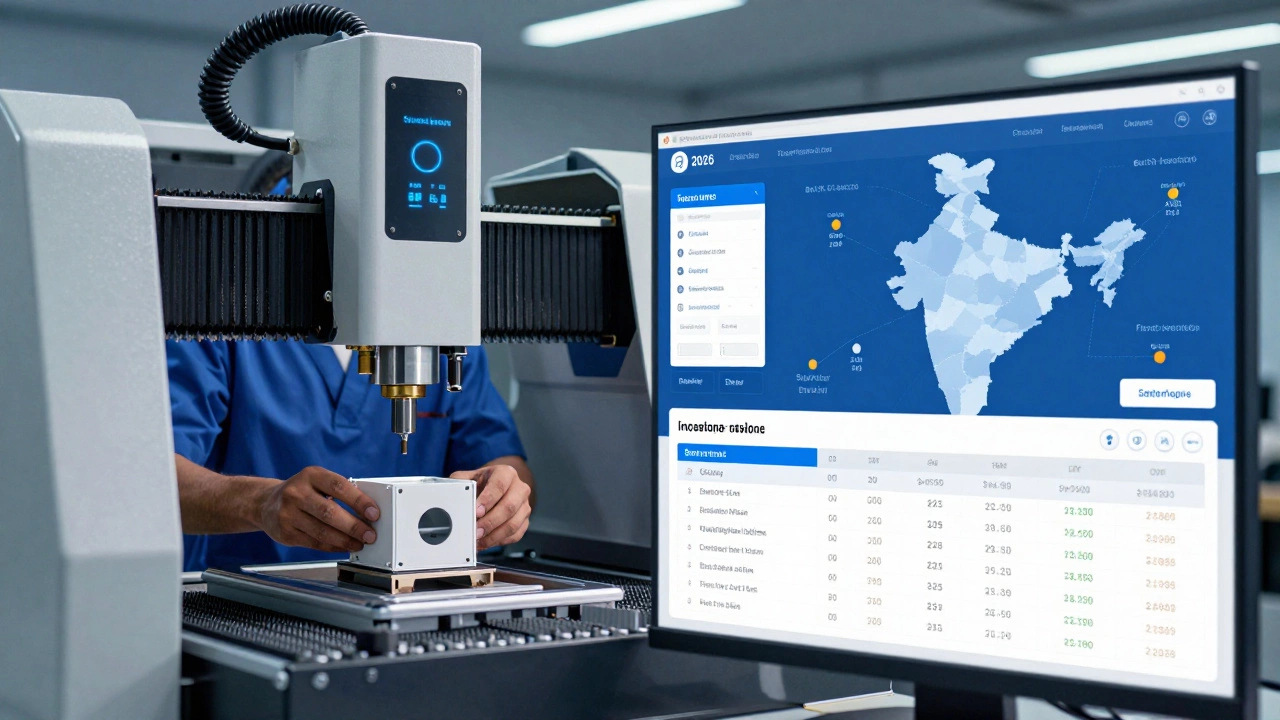
Smart homes are standard now, but off-the-shelf solutions are often clunky. There is a growing market for custom enclosures, mounting brackets, and integration hubs for smart home devices. If you have access to a CNC machine or 3D printers, you can produce high-precision parts for installers and tech enthusiasts. These are B2B sales, meaning larger order volumes and less price sensitivity.
4. Artisanal Skincare and Cosmetics
People are tired of chemical-heavy products. Clean beauty is not a trend; it's a permanent shift. Making small-batch soaps, balms, or serums requires relatively low equipment costs. The key is branding and storytelling. You aren't just selling soap; you're selling a lifestyle. With direct-to-consumer e-commerce, you keep all the margin that retailers usually take. Focus on unique ingredients sourced locally to differentiate yourself.
5. Replacement Parts for Legacy Equipment
This is an overlooked goldmine. Many industries rely on old machinery where original parts are discontinued. By reverse-engineering and manufacturing replacement gears, belts, or electronic boards, you solve a critical pain point. Customers will pay premium prices because downtime costs them far more than your part. This requires technical expertise but offers incredible job security.
| Product Category | Startup Cost | Margin Potential | Difficulty | Key Success Factor |
|---|---|---|---|---|
| Biodegradable Packaging | Medium | High | Medium | Sourcing raw materials |
| Supplements | Low-Medium | Very High | High (Regulations) | Compliance & Trust |
| Custom Tech Parts | Medium-High | High | High | Precision Engineering |
| Skincare | Low | High | Low | Branding & Marketing |
| Replacement Parts | Medium | Very High | High | Technical Knowledge |
Validating Your Idea Before Production
Don't build anything until you know someone wants it. Validation saves you from expensive mistakes. Start by talking to potential customers. Ask them what problems they face with current solutions. Join online forums related to your niche. See what complaints pop up repeatedly.
Create a minimum viable product (MVP). This doesn't have to be perfect. It just needs to work. For physical goods, this might mean hand-making ten units and selling them on Etsy or directly to local businesses. Gather feedback. Iterate. Only then should you invest in tooling and bulk production.

Supply Chain Resilience in 2026
Your profit margin can disappear overnight if your supplier raises prices or ships late. In recent years, global disruptions have taught manufacturers a hard lesson: diversify. Don't rely on a single source for critical components. Build relationships with multiple suppliers, preferably local ones. Local sourcing reduces shipping times and carbon footprint, which is also a selling point.
Keep safety stock for essential raw materials. Calculate your lead times accurately. If a shipment takes four weeks, order when you have two weeks of stock left. Use simple inventory management software to track levels automatically. This prevents both stockouts and overstocking, which ties up cash.
Scaling Without Losing Control
As orders increase, the temptation is to hire quickly and buy more machines. Resist this urge initially. Optimize your current processes first. Can you reduce waste? Can you streamline assembly? Often, small tweaks yield significant gains. When you do hire, focus on cross-training employees. This ensures flexibility if someone is absent.
Automate repetitive tasks. Whether it's invoicing, inventory tracking, or even part of the assembly line, automation reduces errors and frees you up to focus on growth. Start with digital tools before investing in robotics. Software is cheaper and easier to implement.
Avoiding Common Pitfalls
Many new manufacturers fail due to poor financial planning. They underestimate costs and overestimate sales. Always build a buffer into your budget. Assume things will cost 20% more and take 20% longer than planned. This conservative approach keeps you solvent during rough patches.
Another mistake is trying to please everyone. Niche down. Being the best provider of a specific product to a specific audience is more profitable than being an average provider of many products. Clarity attracts customers. Confusion drives them away.
Finally, ignore regulations at your peril. Depending on your product, you may need FDA approval, ISO certification, or environmental permits. Research these requirements early. Non-compliance can result in fines, shutdowns, or lawsuits that wipe out your business.
Next Steps for Aspiring Manufacturers
Start small. Pick one idea from the list above that aligns with your skills and interests. Validate it with real customers. Build a prototype. Sell it. Reinvest the profits. Grow slowly and sustainably. Manufacturing is a marathon, not a sprint. Patience and persistence will pay off.
Connect with other makers. Join trade associations. Attend industry conferences. Learning from others' mistakes is faster than learning from your own. Share your journey. Transparency builds trust with customers and partners alike.
Remember, the most profitable product is the one you can consistently deliver with quality and reliability. Focus on solving a real problem, and the profits will follow.
What is the easiest product to manufacture for beginners?
Simple handmade goods like candles, soaps, or printed t-shirts are the easiest entry points. They require minimal equipment, low startup costs, and straightforward production processes. These products allow you to learn the basics of manufacturing, packaging, and sales without significant risk.
How much money do I need to start a manufacturing business?
It varies widely. You can start a small-scale operation like candle making with under $1,000. More complex ventures like electronics or supplement production might require $10,000 to $50,000 for equipment, licensing, and initial inventory. Always budget for unexpected expenses.
Is dropshipping better than manufacturing?
Dropshipping has lower upfront costs but lower margins and less control. Manufacturing offers higher long-term profitability and brand ownership but requires more initial investment and operational complexity. Choose based on your risk tolerance and goals.
How do I find suppliers for raw materials?
Search online directories like Alibaba or ThomasNet. Attend trade shows. Ask competitors or industry peers for recommendations. Request samples before committing to large orders. Build relationships with multiple suppliers to ensure reliability.
What legal requirements do I need for manufacturing?
Requirements depend on your product and location. Generally, you need a business license, tax ID, and possibly specific permits (e.g., FDA for food/drugs, EPA for chemicals). Consult with a local attorney or accountant to ensure compliance with all regulations.