Plastic Decomposition & Lifecycle Simulator
Decomposition Timeline vs. Human Life
Visualizing how long this material persists in nature compared to an average human lifespan (80 years).
End State in Nature
Microplastics
Fragments into tiny particles found in oceans and soil.Recycling Integrity
Excellent (Virgin Material)
Full molecular structure intact.Manufacturer Insight
This material creates a long-term liability if treated as single-use waste.
Select a plastic type and adjust recycling cycles to see the environmental impact.
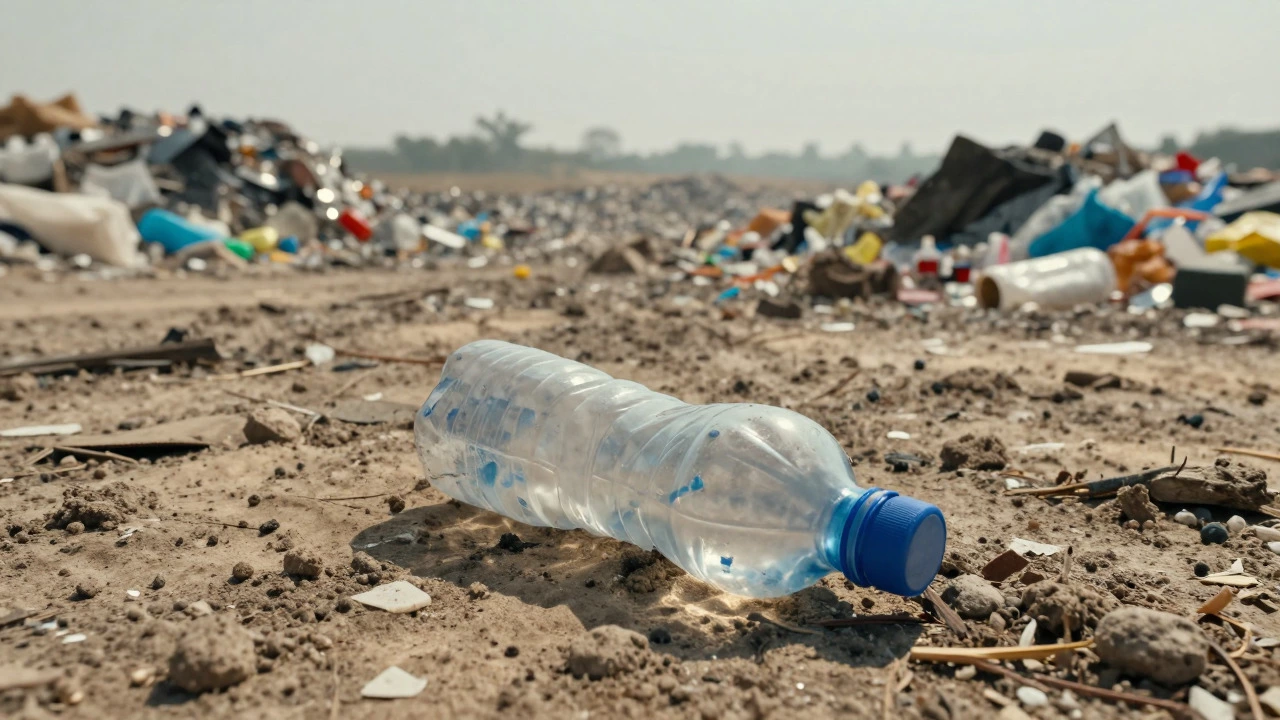
Walk through any landfill in the UK or watch a documentary on ocean currents, and you see the same stark reality: plastic isn't disappearing. It’s just changing form. For years, we’ve been told that if we recycle enough, the problem solves itself. But here is the hard truth that every plastic manufacturing company needs to face today: conventional plastic does not simply vanish. It fragments. And that fragmentation creates a crisis that will last centuries.
If you are asking "how long until plastic is gone," you are looking for a date on the calendar. The answer depends entirely on what kind of plastic you mean. A PET bottle might take 450 years to decompose. A fishing net could linger for 600. Some industrial polymers may never fully break down into harmless elements under natural conditions. This isn’t just an environmental concern; it’s a business risk. As regulations tighten across Europe and globally, manufacturers who ignore this timeline will find themselves holding inventory that society no longer wants.
The Chemistry of Persistence: Why Plastic Lasts So Long
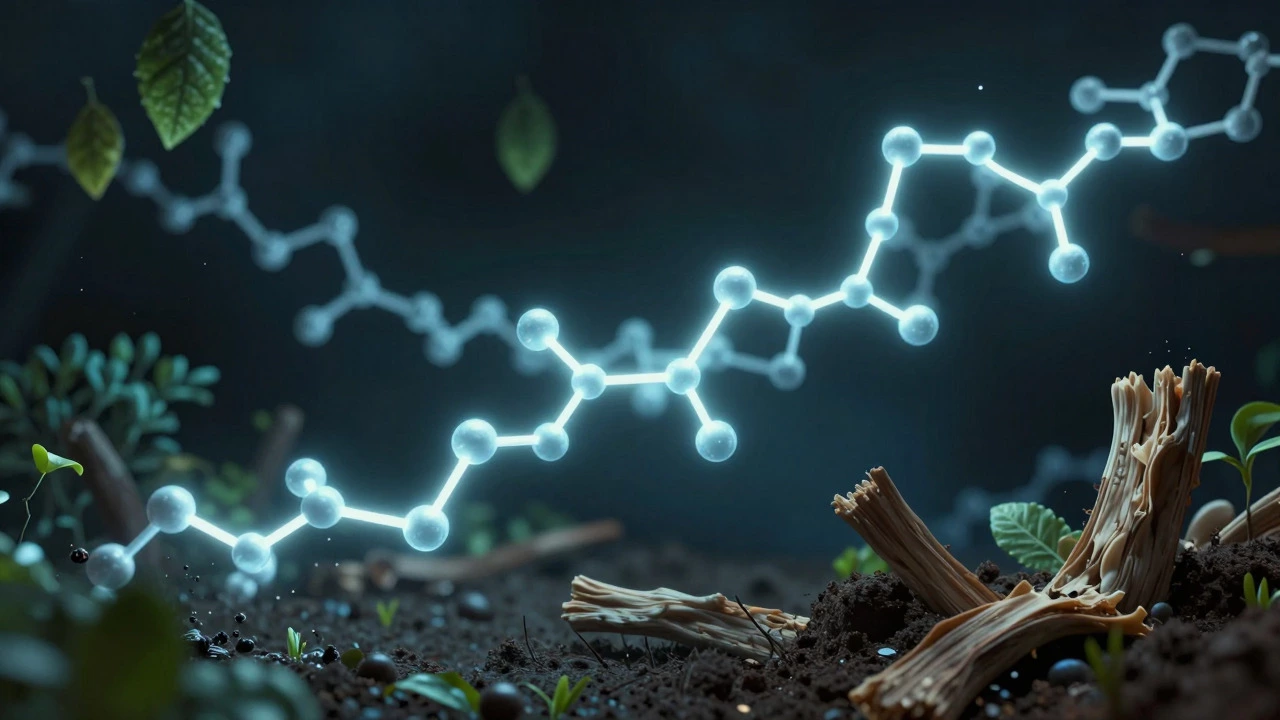
To understand the timeline, you first have to understand the material. Most common plastics are polymers-long chains of carbon atoms bonded together with incredible strength. Nature has evolved enzymes to break down wood (cellulose) or leaves (lignin), but it hasn’t had millions of years to evolve a way to digest synthetic hydrocarbons.
| Plastic Type | Common Uses | Estimated Breakdown Time | End State |
|---|---|---|---|
| PET (Polyethylene Terephthalate) | Bottles, clothing fibers | 450+ years | Microplastics |
| HDPE (High-Density Polyethylene) | Milk jugs, detergent bottles | 100-500 years | Fragmented shards |
| PVC (Polyvinyl Chloride) | Pipes, vinyl siding | 100-500+ years | Chemical leaching |
| Polystyrene (Styrofoam) | Coffee cups, packaging foam | 500+ years | Microbeads |
| Nylon | Fishing nets, textiles | 30-40 years (partial) | Microfibers |
Notice the "End State" column. None of these materials turn into soil nutrients. They break into smaller pieces called microplastics. These particles are now found in Arctic ice, deep-sea trenches, and human bloodstreams. For a manufacturer, this means that producing single-use items based on traditional petroleum-based resins is effectively creating a liability that outlasts the customer’s lifetime.
The Myth of Biodegradability
Many companies try to solve the timeline problem by switching to "biodegradable" plastics. But this term is often misunderstood. There is a massive difference between compostable in an industrial facility and breaking down in a forest.
Bioplastics derived from corn starch or sugarcane sound like a silver bullet. However, many require temperatures above 60°C (140°F) and specific humidity levels to decompose within months. If you throw a PLA (polylactic acid) cup into a standard home compost bin or a landfill, it will sit there for decades, just like regular plastic. Only about 1% of biodegradable plastics actually reach the industrial composting facilities needed to process them correctly.
This creates a greenwashing trap. If your marketing claims your product is "eco-friendly" because it’s bioplastic, but it ends up in a landfill where it doesn’t degrade, you’re facing regulatory scrutiny. In the UK and EU, new labeling laws are cracking down on vague environmental claims. You need to know exactly where your product goes after use.
Recycling Isn't the Exit Strategy
We are often told that recycling solves the persistence issue. The data suggests otherwise. Globally, less than 10% of all plastic ever produced has been recycled. In the UK, while recycling rates for household plastics are higher, they still hover around 30-40%, depending on the local council and collection method.
Why is the rate so low? Because plastic degrades in quality every time it is melted down. Mechanical recycling breaks the polymer chains slightly each cycle. After three or four cycles, the plastic becomes brittle and unusable for high-quality applications. It gets "downcycled" into park benches or road filler-items that won’t be recycled again. This is a linear end-of-life, not a circular one.
For manufacturers, relying on mechanical recycling as your primary sustainability strategy is risky. The infrastructure simply isn’t built to handle the volume, and the economic incentives often favor cheap virgin resin over expensive recycled content.
The Chemical Recycling Frontier
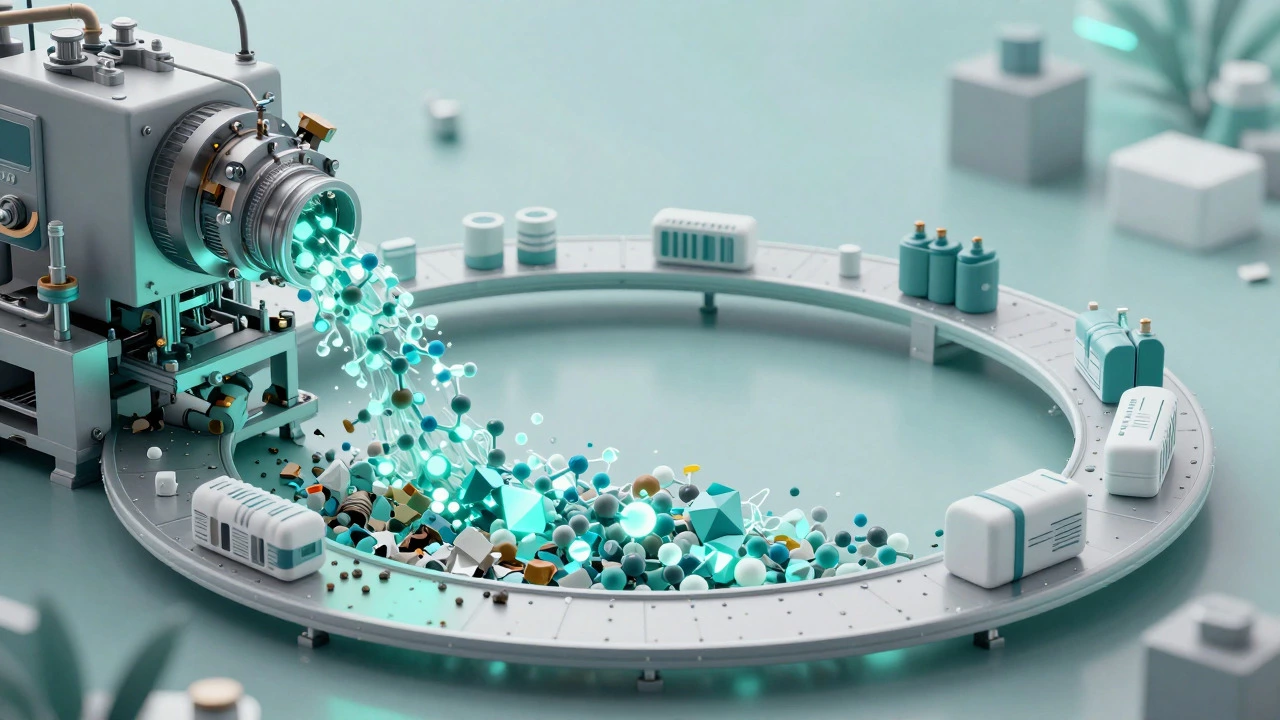
If mechanical recycling hits a wall, chemical recycling offers a potential workaround. This process breaks plastic down to its molecular building blocks (monomers) using heat or solvents, allowing it to be rebuilt into virgin-quality plastic. Theoretically, this can happen infinitely.
However, chemical recycling is energy-intensive and currently expensive. It also faces criticism for potentially increasing fossil fuel dependence if not powered by renewable energy. While pilot projects are scaling up in Europe and North America, it is not yet a widespread solution. For most small-to-medium manufacturers, this technology is still on the horizon, not in the factory floor.
Regulatory Timelines: When Will Change Be Forced?
Nature moves slowly, but governments move faster. The timeline for plastic disappearance is being accelerated by policy. Here is what manufacturers need to watch:
- Extended Producer Responsibility (EPR): Across the EU and increasingly in the UK, producers are paying for the end-of-life management of their packaging. This shifts the cost of waste from taxpayers to manufacturers, incentivizing lighter, recyclable designs.
- Single-Use Plastics Bans: Items like cutlery, plates, and cotton buds are already banned in many jurisdictions. Expect this list to grow to include more food packaging and cosmetic containers by 2030.
- Recycled Content Mandates: The EU’s Packaging and Packaging Waste Regulation (PPWR) aims to require significant percentages of recycled content in plastic bottles and other packaging by 2030. This forces demand for recycled materials, raising prices and encouraging better collection systems.
These regulations don’t make plastic disappear overnight, but they change the economics. By 2035, the cost of using virgin plastic for disposable applications will likely be prohibitively high due to taxes and EPR fees.
A Realistic Roadmap for Manufacturers
So, how long until plastic is gone? Conventional plastic won’t be gone in our lifetimes. But its role in single-use applications will shrink dramatically. Here is a practical approach for businesses navigating this transition:
- Audit Your Material Flow: Identify which products are truly essential and which are convenience-driven. Can you eliminate packaging altogether? Can you switch to refillable models?
- Design for Disassembly: If you must use plastic, ensure it is mono-material. Mixed materials (like laminated pouches) are nearly impossible to recycle. Pure PE or pure PP structures are far easier to process.
- Invest in Reusables: The most sustainable plastic is the one that is used repeatedly. Shift business models from selling units to selling services (e.g., reusable container systems).
- Partner with Innovators: Look into enzymatic degradation technologies or true marine-degradable plastics that break down in ambient conditions without leaving toxic residues.
The goal isn’t necessarily to ban all plastic-it’s too useful for medical devices, electronics, and lightweight vehicles. The goal is to stop treating durable materials as disposable trash. When you align your production with the actual lifespan of your materials, you reduce waste and future-proof your brand against tightening regulations.
Conclusion: The Clock is Ticking
Plastic isn’t going away soon. But the era of careless disposal is ending. For manufacturers, the question isn’t just "how long until it’s gone?" but "how quickly can we adapt before the market forces us to?" Those who act now, shifting toward circular design and genuine sustainability, will lead the next generation of industry. Those who wait will be left cleaning up a mess that lasts centuries.
How long does it take for a plastic bottle to decompose?
A standard PET plastic bottle takes approximately 450 years to decompose in a natural environment. It rarely disappears completely; instead, it breaks down into microplastics that persist in ecosystems for centuries.
Are biodegradable plastics a complete solution?
No. Most biodegradable plastics require industrial composting facilities with high heat and humidity to break down. In landfills or nature, they often degrade at similar slow rates to conventional plastics. They are a partial solution, not a cure-all.
What is the difference between recyclable and recycled plastic?
Recyclable plastic means the material *can* be processed again, but it doesn't guarantee it *will* be. Recycled plastic is material that has already been collected and reprocessed into new products. Currently, only a small fraction of recyclable plastic actually becomes recycled plastic.
When will single-use plastics be banned in the UK?
The UK has already banned several single-use items like cutlery and straws. Future bans are expected to target more food packaging and checkout bags by 2030, driven by Extended Producer Responsibility (EPR) schemes and alignment with EU standards.
Can plastic ever fully disappear from the environment?
Existing plastic pollution will remain for hundreds of years. However, new plastic production can be managed through circular economies where plastic is kept in use via reuse and high-quality recycling, preventing new waste from entering the environment.