Small Scale Production Viability Checker
Answer the following questions to determine if a small-scale production model aligns with your product's needs.
Your Score: 0
VerdictYou might think bigger is always better in manufacturing. After all, economies of scale are the holy grail for giants like Toyota or Ford. But here is the twist: massive factories often struggle to turn on a dime. They are slow, rigid, and expensive to change. This is where small scale production, defined as the manufacturing of goods in limited quantities using simpler machinery and fewer employees, flips the script.
If you are running a startup, a craft workshop, or a specialized factory in a city like Birmingham, you aren't trying to out-produce the world. You are trying to out-maneuver it. The primary advantage of small scale production isn't just lower costs; it is agility. It is the ability to pivot from making one product to another before your competitor has even finished their quarterly budget meeting. Let's break down why this model works so well for modern businesses.
The Core Advantage: Agility and Flexibility
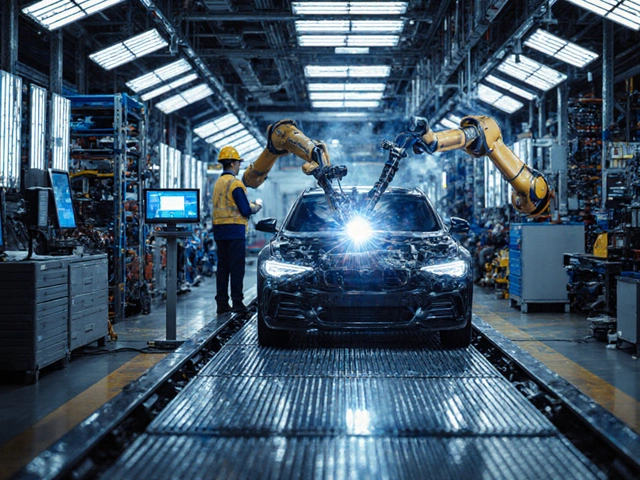
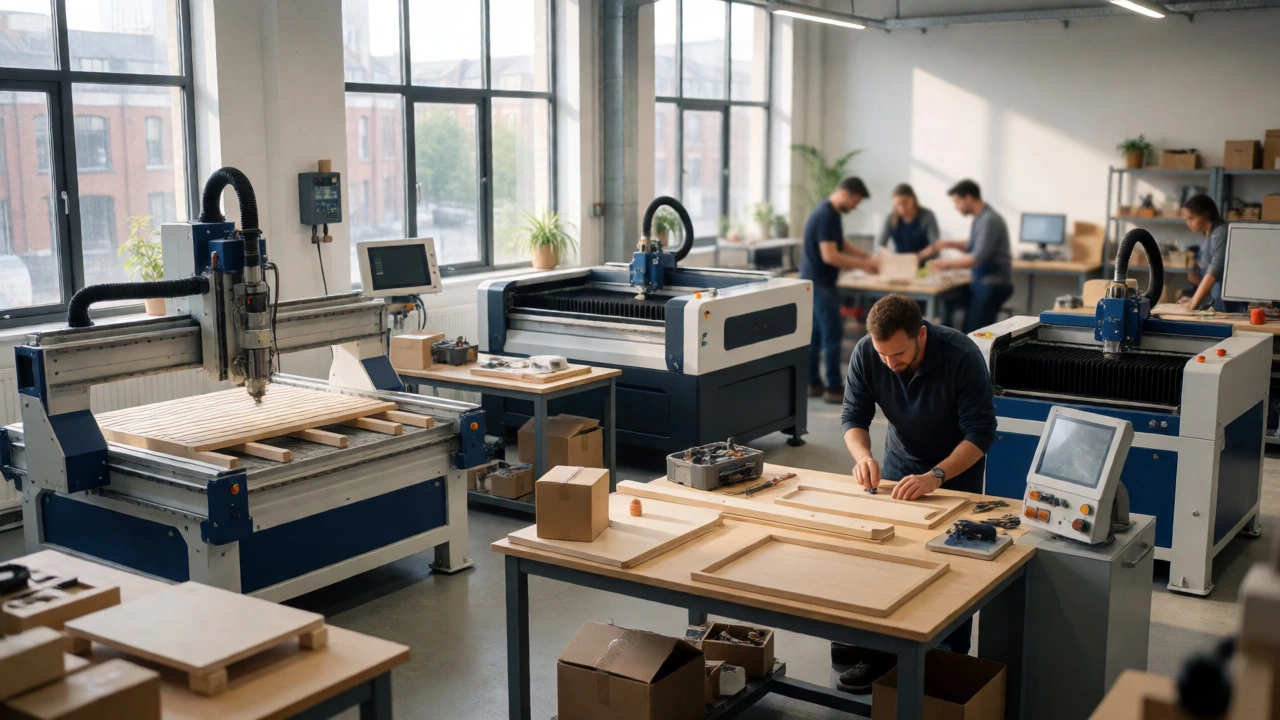
The biggest win for small-scale manufacturers is speed. Large factories rely on dedicated assembly lines. If you want to change a product design, you might need to retool entire machines, retrain hundreds of workers, and halt production for weeks. In contrast, small-scale operations use general-purpose machinery. You can switch from producing custom furniture parts to electronic enclosures in a single shift.
This flexibility allows you to respond to market trends instantly. Did a new social media trend spike demand for eco-friendly packaging? A small producer can adjust their material sourcing and output within days. A large corporation needs months to approve the change. This responsiveness is critical in today's fast-moving consumer landscape.
- Rapid Prototyping: Test ideas with real customers without committing to thousands of units.
- Customization: Offer bespoke options that mass producers ignore because they require too much manual labor.
- Seasonal Adjustments: Scale up or down quickly based on holiday spikes or weather patterns.
Lower Barrier to Entry and Reduced Risk
Starting a large factory requires millions in capital expenditure (CapEx). You need land, heavy infrastructure, and complex supply chains. Small scale production drastically lowers this barrier. You can start in a garage, a rented warehouse unit, or a co-working maker space.
Financial risk is also significantly reduced. With smaller batches, you tie up less cash in inventory. If a product fails, you haven't lost a fortune on unsold stock sitting in a warehouse. You simply stop making it. This low-risk environment encourages innovation. You can afford to fail fast and learn faster, which is essential for startups and independent makers.
Superior Quality Control and Craftsmanship
In mass production, quality control is statistical. You inspect a sample size and assume the rest are good. In small scale production, every single unit can be inspected by hand. The owner or the lead artisan often checks each item personally. This level of attention creates a premium perception.
Customers pay more for products that feel personal and well-made. Think about local bakeries versus supermarket bread. The bakery uses small-scale production methods. The result? Fresher taste, unique shapes, and a story behind the loaf. This perceived value allows you to charge higher margins, offsetting the higher per-unit cost compared to mass manufacturing.
| Feature | Small Scale Production | Mass Production |
|---|---|---|
| Initial Investment | Low (under £50k typical) | High (millions required) |
| Production Speed | Slower per unit, faster setup | Very fast per unit, slow setup |
| Customization | Highly flexible | Limited to standard variants |
| Quality Control | 100% inspection possible | Statistical sampling |
| Market Response | Agile and quick | Slow and bureaucratic |

Niche Market Domination
Big companies chase volume. They need to sell millions of units to make a profit. This forces them to target broad demographics. They ignore niches because the volume isn't there. Small scale production thrives in these gaps.
Consider the market for left-handed scissors or vegan leather watch straps. These are niche products. A mass producer won't bother setting up a line for them. But a small manufacturer can serve this audience exclusively. By focusing on a specific segment, you build intense brand loyalty. Your customers feel seen and understood. This emotional connection is a powerful moat against larger competitors who treat customers as numbers.
Reduced Environmental Impact
Sustainability is no longer a buzzword; it is a business requirement. Small scale production naturally aligns with green practices. Because you produce less waste, you have a smaller carbon footprint. There is less overproduction, meaning fewer goods end up in landfills.
Local sourcing becomes easier. A small workshop in the UK can source materials from nearby suppliers, reducing transport emissions. This "farm-to-table" approach applies to manufacturing too. Consumers increasingly prefer brands that know where their materials come from. Small producers can tell this story authentically, adding another layer of value to their products.
Stronger Community and Customer Relationships
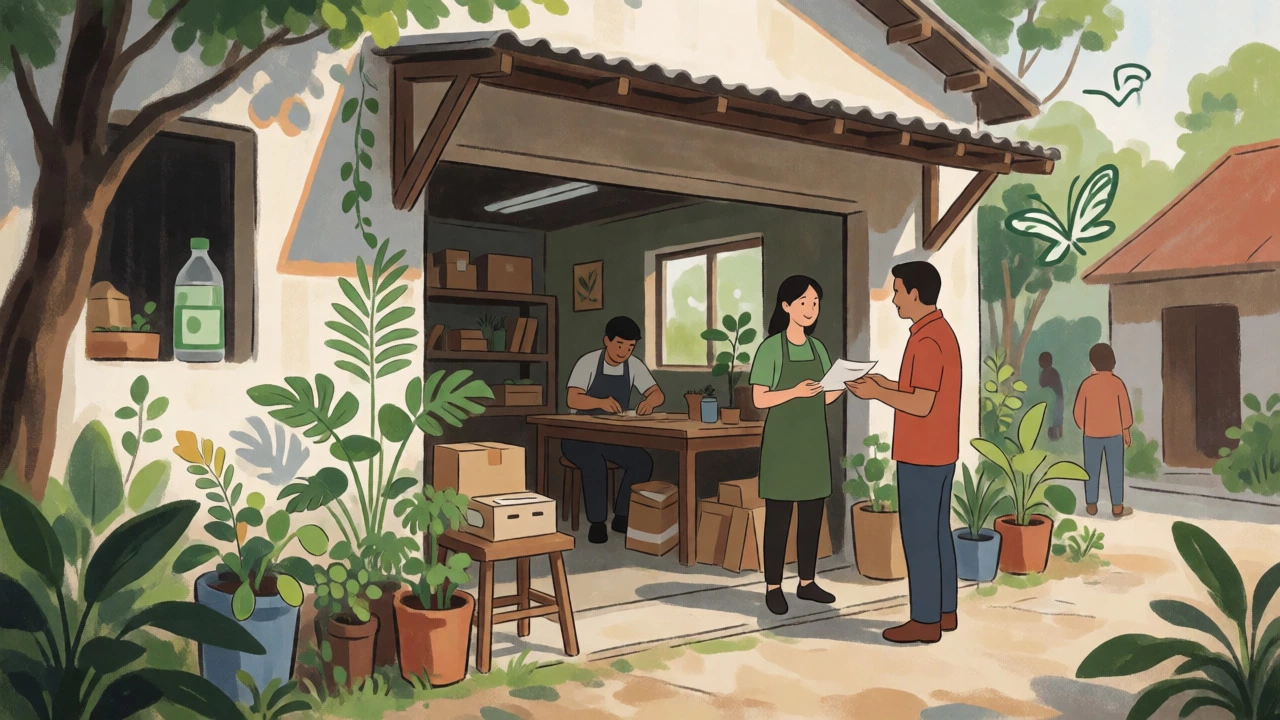
When you run a small operation, you talk to your customers directly. You hear their feedback immediately. This direct line of communication helps you improve products constantly. You aren't relying on third-party retailers to pass along complaints.
This proximity builds trust. People love supporting local businesses. In cities like Birmingham, the revival of traditional industries shows that people value craftsmanship and local identity. Small scale producers become part of the community fabric. This social capital translates into repeat business and word-of-mouth marketing, which is far cheaper than digital advertising.
Challenges to Keep in Mind
It isn't all sunshine. Small scale production has downsides. Your cost per unit is higher because you don't benefit from bulk buying discounts. You might struggle to compete on price alone. Scaling up later can be difficult if your processes aren't documented properly.
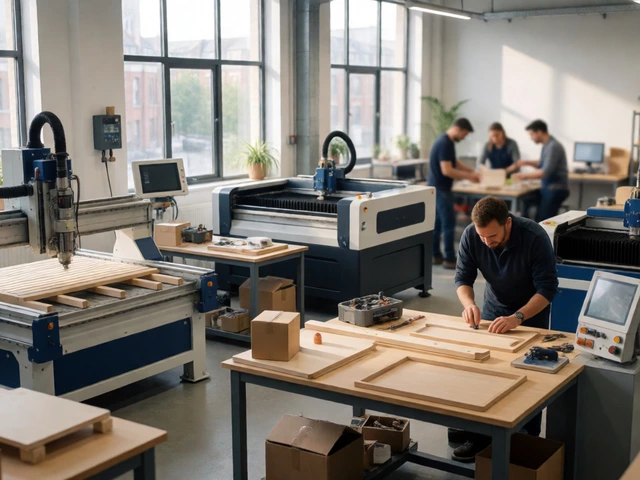
To succeed, you must focus on value, not price. Don't try to beat Amazon on shipping speed or cost. Beat them on uniqueness, quality, and service. Use technology like CNC machines and 3D printers to keep efficiency high while maintaining small batch sizes.
Is small scale production profitable?
Yes, but profitability depends on margin strategy. Since unit costs are higher, you must sell at a premium price point. Success comes from targeting customers willing to pay for quality, customization, and ethical production rather than competing on lowest price.
What industries benefit most from small scale production?
Industries requiring customization or high craftsmanship benefit most. This includes jewelry making, bespoke furniture, specialty foods, artisanal clothing, and prototype electronics. Any sector where individuality matters more than uniformity is ideal.
How does small scale production handle supply chain disruptions?
Small producers are often more resilient. They can switch suppliers quickly due to lower dependency on long-term contracts. Their smaller inventory buffers mean they aren't stuck with obsolete stock if raw material prices spike or availability drops suddenly.
Can small scale production scale up easily?
Scaling requires careful planning. You cannot simply add more workers to a craft process without losing quality. Successful scaling involves documenting processes, investing in semi-automated tools, and gradually increasing batch sizes while maintaining quality control standards.
What equipment is needed for small scale manufacturing?
Equipment varies by industry but generally includes versatile machines like CNC routers, laser cutters, sewing machines, or basic injection molding units. The key is choosing general-purpose tools that allow for multiple product types rather than single-use dedicated lines.