India's No. 1 Car Brand Finder
Select a priority below to see which brand leads the Indian market according to that specific metric.
Maruti Suzuki
~40% Market Share
Tata Motors
>60% EV Share
Hyundai
Premium Features
Mahindra
Large SUV Dominance
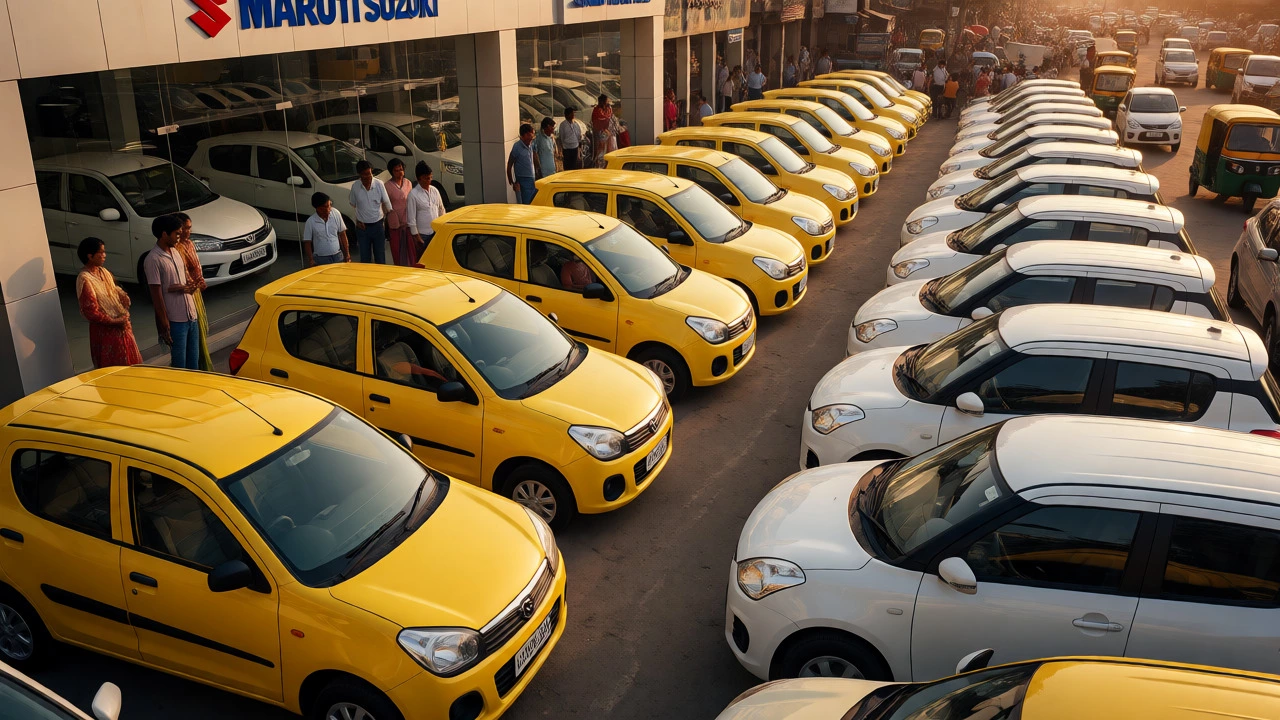
If you walk into a dealership in Delhi or browse the used car listings in Bangalore, one name pops up more than any other. It’s not the flashy European imports, and it’s certainly not the new-age electric startups yet. The answer to which is India's No 1 car brand has remained stubbornly consistent for decades: Maruti Suzuki.
But here is the twist. While Maruti holds the crown by volume, the definition of "number one" is shifting depending on whether you look at units sold, revenue generated, or profit margins. In November 2026, the landscape is more complex than just counting badges on the road. Tata Motors is closing the gap in the SUV segment, Hyundai remains a fierce competitor in premium features, and new players like MG are carving out niches. So, who really leads the pack right now?
The Unshakable Throne: Why Maruti Suzuki Still Leads
Let’s address the elephant in the room first. If you define "No 1" by sheer number of vehicles sold, Maruti Suzuki is the largest passenger vehicle manufacturer in India, commanding over 40% of the domestic passenger vehicle market share as of late 2025. This isn't just a recent trend; it’s a structural reality built over thirty years.
Why do they hold this position? It comes down to three things: trust, cost, and network. When an average Indian family buys their first car, they aren’t looking for 0-100 km/h acceleration times. They want reliability and cheap maintenance. Maruti’s dealer network reaches places where no other brand bothers to set up shop. You can find a spare part for a 15-year-old Alto in a remote village in Assam. That kind of logistical dominance creates a moat that competitors struggle to cross.
Consider the Maruti Swift and Alto. These aren't just cars; they are cultural staples. For millions of buyers, the choice isn't between a Swift and a Hyundai i20; it's between buying a car and waiting another year. Maruti wins because they make entry-level mobility accessible. Their low total cost of ownership (TCO) means insurance, fuel efficiency, and resale value all align in favor of the buyer. This economic logic keeps them at the top of the sales charts, even when newer, fancier options hit the market.
Volume vs. Value: The Hidden Leaders
Now, let’s change the lens. If "No 1" means making the most money per unit, the conversation changes entirely. Enter Tata Motors, which has emerged as the second-largest automaker in India by market capitalization and revenue growth, driven heavily by its strong presence in the SUV and commercial vehicle segments.
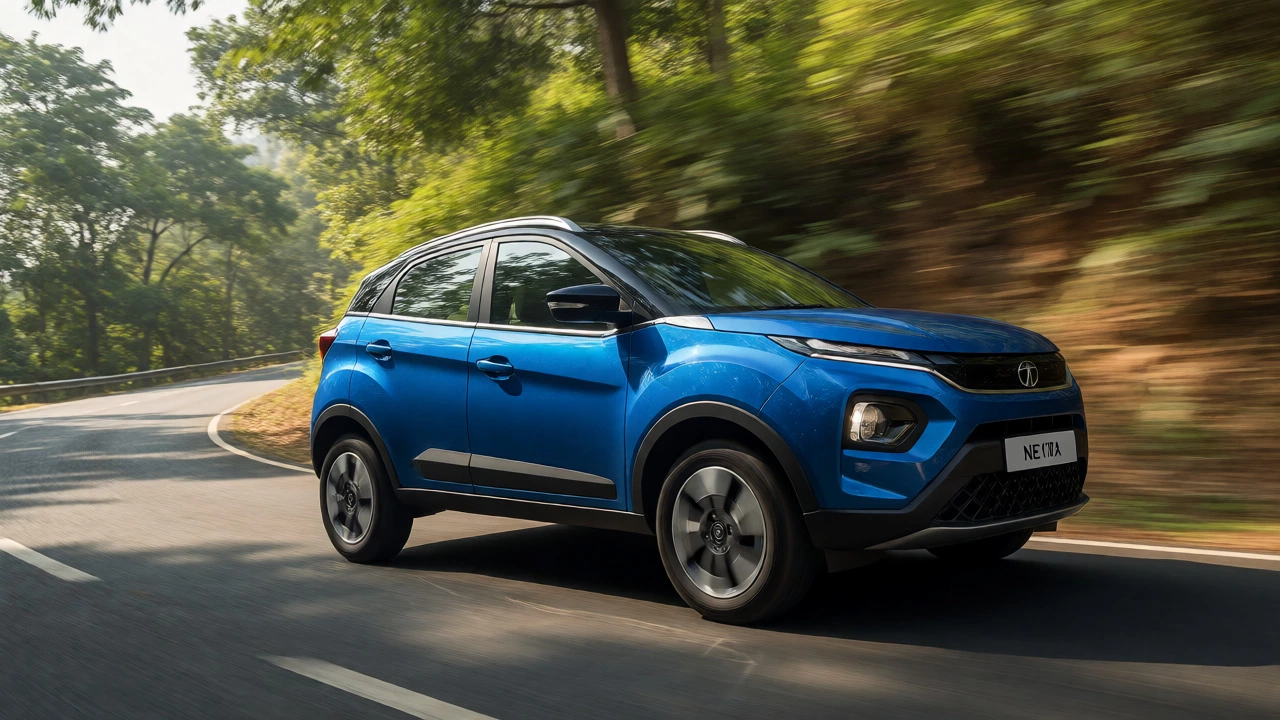
Tata doesn’t sell as many small hatchbacks as Maruti. But when they sell a Nexon or a Harrier, they make significantly more margin. In 2026, the Indian consumer has moved up the value chain. People aren't just buying transport; they are buying status and safety. Tata capitalized on this shift early with the Altroz and Nexon EV platforms. While Maruti might sell 10,000 units of a budget sedan, Tata might sell 8,000 units of a feature-rich SUV that generates twice the profit. So, if you ask investors who is winning, Tata often takes the lead in stock performance and profitability metrics.
| Brand | Market Share (Units) | Primary Strength | Key Model Drivers | Profitability Trend |
|---|---|---|---|---|
| Maruti Suzuki | ~40% | Affordability & Network | Dzire, Baleno, Ertiga | Stable, High Volume |
| Tata Motors | ~15% | SUVs & Safety Ratings | Nexon, Punch, Curvv | Rising, High Margin |
| Hyundai Motor India | ~13% | Premium Features & Tech | Creta, Venue, Verna | Consistent, Moderate |
| Mahindra & Mahindra | ~12% | Utility Vehicles & Off-road | XUV700, Scorpio-N, Thar | Strong, Niche Dominance |
| Kia India | ~5% | Design & Feature Loading | Seltos, Sonet, Carens | Growing, Competitive |
This table highlights a crucial distinction. Maruti owns the volume game. Tata and Hyundai own the value game. When people search for the best-selling car, they usually mean volume. But when business analysts talk about the "leading" brand, they often factor in revenue health and future-proofing. Tata’s aggressive push into electric vehicles (EVs) gives them a strategic advantage that Maruti is only beginning to match with models like the e-Vitara.
The Challenger Next Door: Hyundai’s Premium Play
You cannot discuss the top brands without mentioning Hyundai, which consistently ranks as the second or third largest seller by volume, known for introducing advanced technology and premium interiors to the mass market. Hyundai has mastered the art of being "aspirational but affordable."
For a long time, Hyundai was the safe alternative to Maruti. If you wanted something that felt slightly more modern than a Dzire, you bought a Verna. Today, Hyundai competes directly with Tata in the SUV space. The Creta remains one of the most popular compact SUVs in India. Why? Because it balances design, tech, and brand prestige better than most rivals. Hyundai appeals to urban professionals who want connectivity features, sunroofs, and leatherette seats without paying luxury prices.
Hyundai’s strength lies in its product lifecycle management. They refresh their cars frequently, keeping them relevant. However, they lack the deep rural penetration of Maruti. Try finding a service center for a Hyundai i10 in a tier-3 town compared to a Maruti WagonR. The difference is stark. This limits Hyundai’s ceiling in terms of pure volume, keeping them firmly in the #2 or #3 spot rather than challenging for the absolute top throne.
Mahindra’s Rise in the Utility Segment
If we narrow the focus to Sport Utility Vehicles (SUVs), the narrative shifts again. Mahindra & Mahindra dominates the large SUV and utility vehicle segment in India, leveraging its heritage in tractors and rugged engineering to build robust, high-demand vehicles.
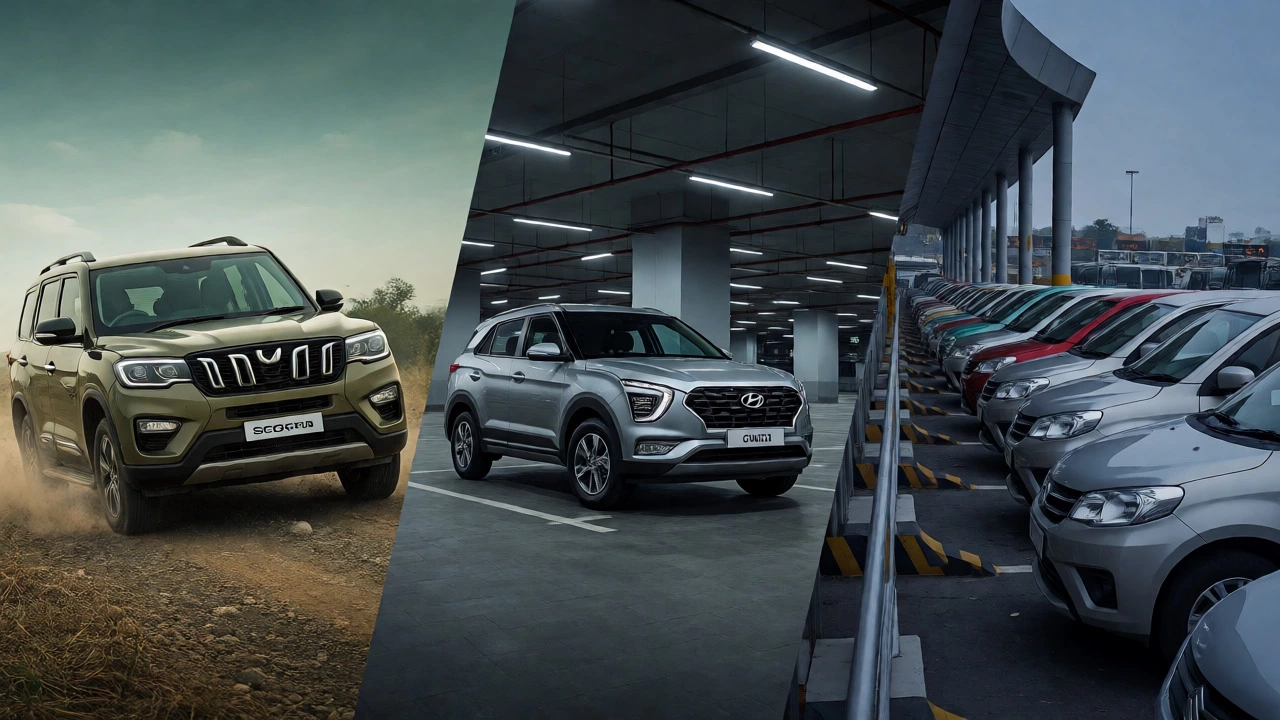
In the last five years, Mahindra transformed from a maker of utilitarian jeeps to a producer of lifestyle SUVs. The XUV700 and Scorpio-N became instant hits. For families wanting space, power, and a commanding road presence, Mahindra is often the default choice. They don’t compete with Maruti in the hatchback segment anymore. Instead, they own the mid-to-large SUV category. In this specific niche, Mahindra is arguably the No 1 brand. If your question is "who sells the biggest cars," Mahindra wins hands down.
This segmentation matters. A user asking "which is India's No 1 car brand" might be shopping for a city runabout or a family road-tripper. The answer depends entirely on the use case. Maruti wins the city. Mahindra wins the highway. Tata wins the balance of safety and tech. Hyundai wins the style points.
The Electric Shift: Who Leads Tomorrow?
We can’t ignore the elephant charging in the corner: Electric Vehicles (EVs). As of late 2026, the EV market is still small compared to internal combustion engines (ICE), but it is growing fast. Here, the rankings flip completely.
Tata Motors currently holds over 60% of the electric passenger vehicle market share in India, thanks to early launches of the Nexon EV and Tiago EV. While Maruti is launching its first EVs now, Tata had a five-year head start. This first-mover advantage is significant. Infrastructure, software updates, and consumer trust in battery longevity currently favor Tata.
However, Maruti is playing catch-up with massive scale. Once they roll out their dedicated EV platform, their distribution network could overwhelm smaller EV-focused startups. New entrants like BYD and MG are also gaining traction, offering competitive pricing and range. But for now, if you ask "who is the No 1 EV brand," it’s Tata. If you ask "who is the No 1 overall brand," it’s still Maruti. The transition period is messy, and the lines are blurring.
What Does "No 1" Mean to You?
So, how do you interpret the title of this article? Are you a buyer? An investor? Or just curious about industrial trends?
- For Buyers: If you want low running costs and easy resale, Maruti is your No 1. If you want safety ratings and modern tech, Tata or Hyundai are better choices. If you need space and power, go with Mahindra.
- For Investors: Look beyond unit sales. Profit margins matter. Tata’s pivot to EVs and premium SUVs offers higher growth potential, while Maruti offers stability and dividends.
- For Industry Watchers: The market is consolidating. Small players are dying out. The battle is now between established giants adapting to electrification and localization pressures.
It’s worth noting that government policies like the Production Linked Incentive (PLI) scheme have pushed manufacturers to source more components locally. This benefits companies with strong local supply chains, further cementing the positions of Maruti, Tata, and Hyundai. Foreign brands that rely heavily on imported parts face higher costs, making them less competitive in price-sensitive segments.
Frequently Asked Questions
Is Maruti Suzuki still the best-selling car brand in India in 2026?
Yes, by unit volume, Maruti Suzuki remains the undisputed leader with approximately 40% market share. Their extensive dealer network and affordable entry-level models keep them ahead of competitors like Hyundai and Tata in total numbers sold.
Which car brand makes the most profit in India?
While Maruti has the highest revenue due to volume, Tata Motors often reports stronger profit margins per unit due to its focus on higher-value SUVs and electric vehicles. Mahindra also boasts healthy margins in the utility vehicle segment.
Who is the leading electric car brand in India?
Tata Motors is currently the dominant player in the Indian electric vehicle market, holding over 60% of the share. Their early launch of the Nexon EV gave them a significant head start over competitors like MG, BYD, and Maruti Suzuki.
Is Hyundai better than Maruti for city driving?
It depends on priorities. Maruti offers lower maintenance costs and better fuel efficiency in traffic. Hyundai provides superior cabin comfort, noise insulation, and advanced safety features. For pure economy, Maruti wins; for comfort and tech, Hyundai is preferred.
Which brand has the best resale value in India?
Maruti Suzuki consistently commands the highest resale values across most segments due to widespread demand and perceived reliability. Hyundai and Toyota also retain value well, but Maruti’s ubiquity ensures faster sales and better prices in the used car market.