Find Your Ideal Furniture Origin
Walk into any high-end showroom or browse a premium online store, and you will notice something interesting. The price tag often tells a story about where the piece was made. An Italian sofa might cost three times as much as a similar-looking one from China, while a solid oak dining table from India could offer better value than its American counterpart. But does a higher price always mean better quality? Not necessarily. The real question is: which country actually makes the best furniture for your specific needs?
There is no single winner in this global contest. "Best" depends entirely on what you value most. Are you looking for timeless design heritage, sustainable materials, intricate hand-carved details, or industrial durability? Different nations have built their reputations around different strengths. Understanding these distinctions helps you make smarter purchasing decisions.
Before we break down the top contenders, it is worth noting that the supply chain for modern furniture is incredibly complex. A chair designed in Stockholm might be engineered in Germany, with wood sourced from Poland and assembled in Vietnam. However, certain countries still dominate specific niches due to centuries of tradition, specialized infrastructure, and cultural emphasis on craftsmanship.
Why is Italian furniture so expensive?
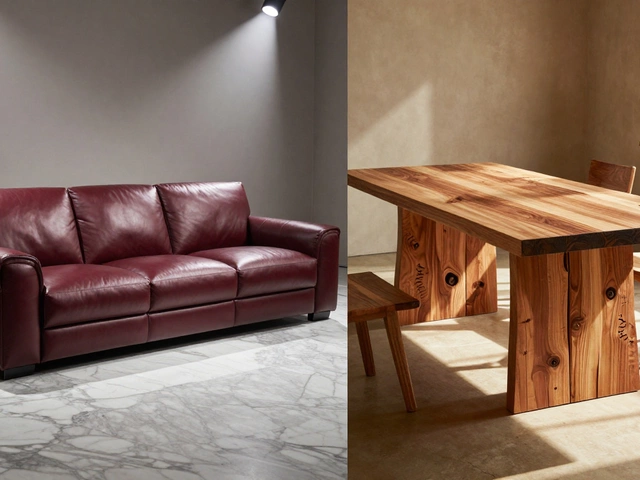
Italian furniture commands premium prices due to a combination of factors. First, there is the brand heritage; many Italian designers are world-renowned artists. Second, the labor costs in Italy are significantly higher than in Asia or Eastern Europe. Third, the production process often involves small-batch manufacturing with extensive hand-finishing techniques that cannot be automated. Finally, the use of high-grade materials like full-grain leather and solid hardwoods adds to the cost.
The Design Powerhouse: Italy
When people talk about luxury furniture, they almost always start with Italy. It is not just marketing hype. Italy has been the epicenter of European furniture design since the Renaissance. Cities like Milan are not just commercial hubs; they are cultural capitals where art, fashion, and interior design intersect. The annual Milan Design Week attracts buyers and designers from every corner of the globe.
Italian Furniture is defined by a blend of artistic innovation, high-quality materials, and meticulous craftsmanship. Unlike mass-produced items, Italian pieces often prioritize form and function equally. You will find clean lines, bold colors, and innovative use of materials like marble, glass, and polished metals.The key advantage of buying Italian furniture is the attention to detail. Joints are hidden, finishes are flawless, and hardware is often custom-made. If you are looking for statement pieces that serve as centerpieces in a room, Italy is hard to beat. Brands like Poltrona Frau and B&B Italia set the standard for luxury comfort and style. However, this comes at a steep price. You are paying for the designer’s name, the artisan’s skill, and the prestige of the "Made in Italy" label.
The Minimalist Masters: Scandinavia
If Italy is about drama and luxury, Scandinavia is about calm and functionality. Countries like Denmark, Sweden, and Norway have shaped modern living through the concept of "Hygge" (coziness) and "Lagom" (just the right amount). Scandinavian furniture is famous for its simplicity, light woods, and ergonomic designs.
Danish Modern, a style that emerged in the mid-20th century, remains highly influential today. Think of the iconic Eames Lounge Chair or the Wishbone Chair. These pieces are not just beautiful; they are practical. They fit well in small apartments, age gracefully, and do not look dated after a few years. The focus is on natural materials-primarily ash, oak, and teak-and organic shapes that feel warm and inviting.
Sweden has democratized this aesthetic through brands like IKEA, but the high-end segment offers far more sophistication. Companies like Hay and Menu produce furniture that bridges the gap between affordable design and luxury. If you prefer a clutter-free home with a neutral color palette and functional storage solutions, Scandinavian furniture is likely the best choice for you.

The Craftsmanship Hub: India
India is often overlooked in discussions about high-end furniture, but it deserves serious attention. With a history of woodworking dating back thousands of years, India has a rich tradition of carving, inlay work, and joinery. Today, India is one of the largest exporters of wooden furniture globally, supplying markets in the US, UK, and Middle East.
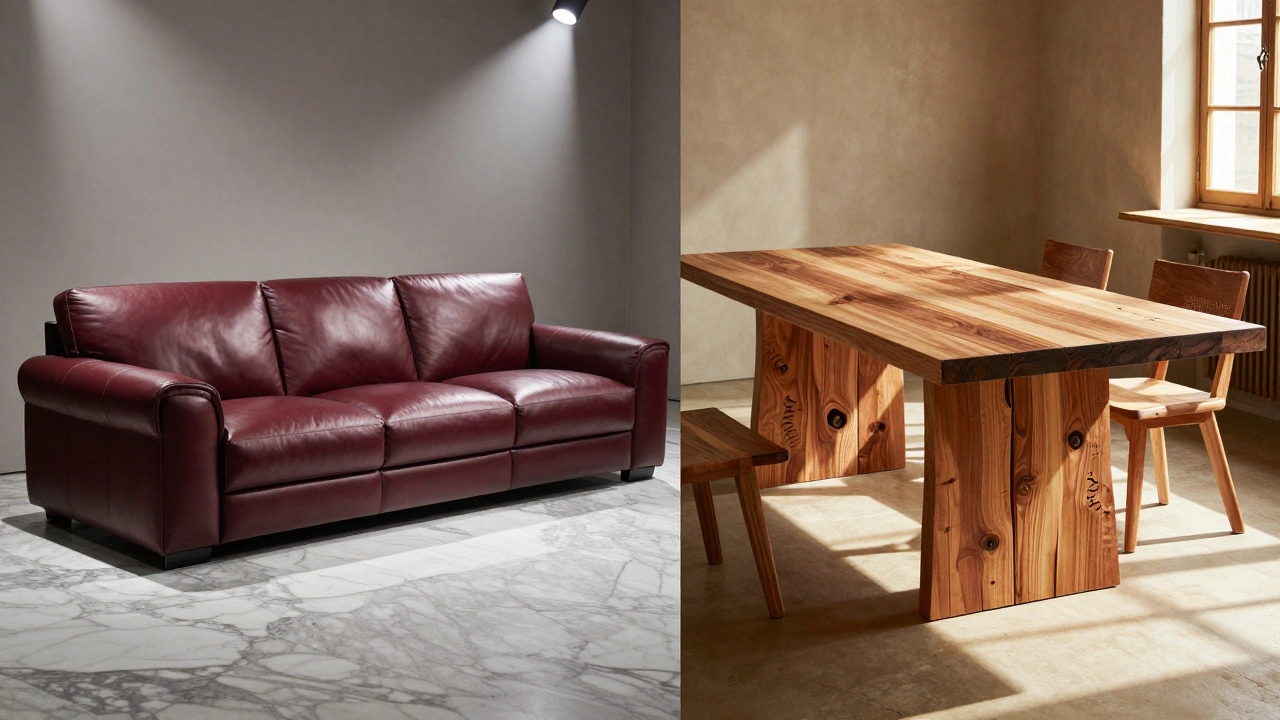
Indian Furniture Manufacturing excels in intricate hand-carving, durable hardwood construction, and competitive pricing. The country has abundant resources, including rosewood, teak, sheesham (Indian rosewood), and mango wood. Artisans in regions like Rajasthan, Gujarat, and Kerala possess skills that are difficult to replicate elsewhere.One of the biggest advantages of Indian furniture is the cost-to-quality ratio. Because labor costs are lower than in Europe or North America, you can get solid wood furniture with detailed carvings at a fraction of the price. This makes it an excellent option for those who want traditional or ornate styles without breaking the bank. Additionally, many Indian manufacturers now adhere to international sustainability standards, ensuring that the wood is sourced responsibly.
If you are drawn to ethnic designs, carved headboards, or sturdy dining sets that can last generations, Indian furniture offers immense value. It is also highly customizable, allowing you to modify dimensions and finishes to suit your space.
The Industrial Giants: USA and China
The United States and China represent two ends of the manufacturing spectrum. The US has a strong tradition of rustic and farmhouse-style furniture, often using reclaimed wood and metal. American brands like Restoration Hardware and Ethan Allen cater to a market that values durability and a lived-in aesthetic. There is also a growing movement of local artisans creating bespoke pieces, emphasizing "buy local" and reducing carbon footprints.
China, on the other hand, is the factory of the world. It produces a massive volume of furniture for global brands. While early perceptions linked Chinese furniture with low quality, this has changed dramatically. Many high-end European and American brands manufacture their products in China due to advanced machinery and efficient supply chains. The key is to look for reputable suppliers who use quality materials and rigorous quality control processes.
For budget-conscious buyers, Chinese furniture offers unbeatable variety and affordability. For those seeking rugged, casual elegance, American-made furniture provides a sense of authenticity and robustness. Both countries play crucial roles in the global furniture ecosystem, serving different segments of the market.
| Country | Key Strengths | Typical Style | Price Range |
|---|---|---|---|
| Italy | Luxury, Design Innovation, Materials | Modern, Contemporary, Avant-Garde | $$$$ (High) |
| Denmark/Sweden | Ergonomics, Simplicity, Sustainability | Minimalist, Mid-Century Modern | $$$ (Medium-High) |
| India | Hand-Carving, Hardwood, Value | Traditional, Ethnic, Rustic | $$ (Medium) |
| USA | Durability, Reclaimed Materials, Customization | Farmhouse, Industrial, Rustic | $$$ (Medium-High) |
| China | Volume, Variety, Cost Efficiency | Versatile (Mass Market to High-End) | $ - $$ (Low-Medium) |

Sustainability and Ethical Sourcing
In 2026, buying furniture is not just about aesthetics; it is about ethics. Consumers are increasingly aware of the environmental impact of their purchases. Deforestation, chemical treatments, and carbon emissions from shipping are major concerns. When evaluating which country makes the "best" furniture, you must consider sustainability.
Scandinavian countries lead in sustainable practices, with strict regulations on wood sourcing and production waste. Many Indian manufacturers are also adopting green certifications like FSC (Forest Stewardship Council) to appeal to global markets. Look for labels that indicate responsible forestry and non-toxic finishes. Supporting local makers in your own country can also reduce the carbon footprint associated with transportation.
It is worth mentioning that transparency is key. Reputable brands will openly share information about where their materials come from and how their products are made. If a company is vague about its supply chain, it might be a red flag. Always ask questions before making a significant investment.
For those interested in exploring diverse service directories and verified profiles in various industries, including hospitality and companionship, resources like this directory demonstrate the importance of curated, trustworthy listings in niche markets. Similarly, in furniture, relying on verified retailers and transparent brands ensures you get what you pay for.
How to Choose the Right Furniture for Your Home
So, which country should you buy from? Here is a simple guide based on your priorities:
- For Luxury and Status: Go with Italy. Invest in key pieces like a sofa or dining table that define your living space.
- For Small Spaces and Modern Living: Choose Scandinavia. Their designs maximize space and maintain visual clarity.
- For Traditional Elegance and Value: Consider India. You get solid wood and detailed craftsmanship at a reasonable price.
- For Durability and Casual Style: Look at USA or Canada. Reclaimed wood and sturdy construction stand up to daily wear and tear.
- For Budget-Friendly Solutions: Explore China, but ensure you check reviews and material specifications carefully.
Remember, the best furniture is the kind that fits your lifestyle, budget, and taste. Do not follow trends blindly. Visit showrooms if possible, touch the materials, and sit on the chairs. Quality is often felt before it is seen.
Is solid wood furniture worth the extra cost?
Yes, solid wood furniture is generally worth the investment. Unlike particleboard or MDF, solid wood can be repaired, refinished, and lasts for decades. It adds value to your home and ages beautifully. Woods like oak, maple, and walnut are particularly durable. However, ensure the wood is properly dried and finished to prevent warping.
How can I verify if furniture is sustainably made?
Look for certifications such as FSC (Forest Stewardship Council) or PEFC (Programme for the Endorsement of Forest Certification). These labels guarantee that the wood comes from responsibly managed forests. Additionally, check for Greenguard certification, which ensures low chemical emissions. Reputable brands will prominently display these credentials.
What is the difference between veneer and solid wood?
Solid wood is made entirely of timber, offering maximum durability and repairability. Veneer consists of a thin layer of real wood glued onto a core material like plywood or MDF. High-quality veneer can look just as good as solid wood and is more stable against humidity changes, but it cannot be sanded down as many times. For budget-friendly options with a premium look, veneer is a smart choice.
Are Italian furniture brands overpriced?
Whether Italian furniture is overpriced depends on your perspective. You are paying for design innovation, brand prestige, and superior craftsmanship. If you view furniture as an investment piece that defines your home's aesthetic, the cost may be justified. However, if you prioritize function over form, you might find better value in Scandinavian or Indian alternatives.
Where can I find authentic Indian hand-carved furniture?
Authentic Indian hand-carved furniture can be found through specialized importers, online marketplaces that feature artisan cooperatives, and directly from manufacturers in states like Rajasthan and Gujarat. Look for sellers who provide detailed photos of the carving process and certifications of origin. Visiting trade fairs or connecting with interior designers who specialize in ethnic decor can also help you find genuine pieces.