Ocean Plastic Footprint Estimator
Calculate Your Household's Annual Ocean Plastic Contribution
Estimate how much plastic from your home potentially enters the ocean each year based on consumption patterns and local waste management infrastructure.
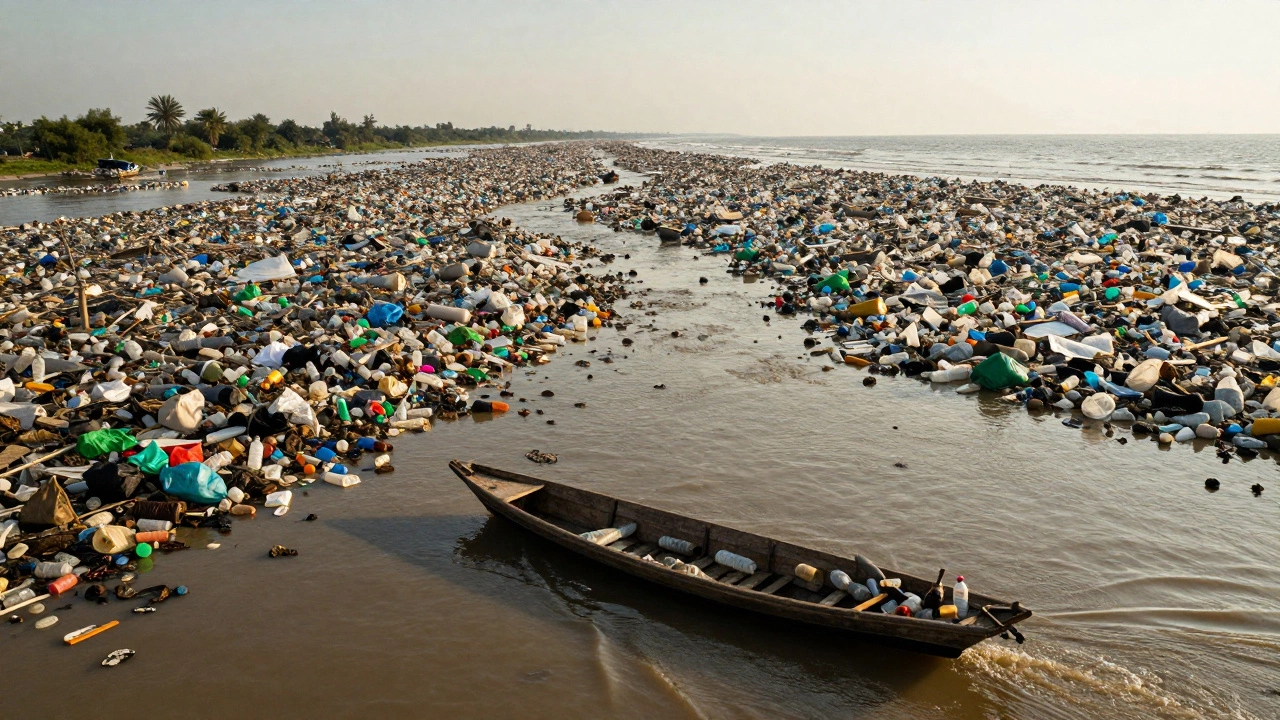
Every minute, the equivalent of one garbage truck of plastic is dumped into our oceans. It’s a staggering image, but it’s also the reality we face today. If you’ve ever wondered where all this waste comes from, the answer isn’t just about careless tourists on beaches or littering in parks. The root cause lies much deeper-in global consumption habits, inadequate waste management infrastructure, and the sheer volume of plastic production that has skyrocketed over the last few decades.
So, which country puts the most plastic in the ocean? The short answer is complex because "most" can mean different things: total tonnage, per capita contribution, or mismanaged waste. However, data consistently points to a specific group of nations responsible for the vast majority of riverine plastic leakage. Understanding this breakdown is crucial if we want to tackle the crisis at its source rather than just cleaning up the symptoms.
The Global Leaders in Ocean Plastic Leakage
When researchers talk about countries putting plastic in the ocean, they are usually referring to "mismanaged plastic waste." This includes waste that is openly dumped, burned, or leaked into waterways due to insufficient collection systems. A landmark study by the University of Georgia and Orb Media identified the top contributors based on population size, economic development, and solid waste management infrastructure.
China was historically the largest contributor, accounting for nearly 20% of global riverine plastic leakage. However, after implementing strict domestic recycling bans and improving waste management in recent years, its relative share has decreased, though it remains a significant player due to its massive population.
Currently, the burden has shifted. Countries like Indonesia, Philippines, Vietnam, and Sri Lanka often appear at the top of lists for highest mismanaged waste entering the ocean. In absolute tonnage, larger economies with high consumption rates-such as the United States, India, and Brazil-also contribute significantly, even if their per-capita leakage rates might be lower than some developing nations.
| Country | Primary Cause | Key Challenge |
|---|---|---|
| China | Historical volume & river systems | Aging infrastructure in rural areas |
| Indonesia | High single-use plastic use | Inadequate waste collection services |
| United States | High per capita consumption | Low recycling rates & landfill reliance |
| India | Rapid urbanization | Open dumping practices |
| Brazil | Cultural preference for plastics | Informal waste sector limitations |
It’s important to note that while these countries are highlighted, the problem is truly global. Even nations with advanced waste management systems, like those in Europe and North America, export a significant portion of their plastic waste to developing countries, indirectly contributing to the leakage there.
Why Do These Countries Leak More Plastic?
Blaming individual nations oversimplifies the issue. The drivers behind ocean plastic pollution are systemic and interconnected. Let’s look at the three main factors that determine why certain regions end up with more plastic in their waters.
- Inadequate Waste Management Infrastructure: Many of the top-leaking countries lack comprehensive waste collection systems. If trash isn’t collected, it doesn’t go to a landfill or recycling plant-it goes into streets, drains, and eventually rivers. In Southeast Asia, for example, only a fraction of municipal solid waste is formally collected.
- High Consumption of Single-Use Plastics: The global shift toward convenience has led to an explosion in single-use items like bottles, bags, and food packaging. Countries with rapidly growing middle classes see a surge in plastic demand outpacing their ability to manage the resulting waste.
- Riverine Transport: Not all plastic enters the ocean directly from beaches. Studies show that a small number of major rivers account for a disproportionate amount of plastic flow. Rivers like the Yangtze, Ganges, and Mekong act as highways, carrying debris from inland cities directly into the sea.
Additionally, the design of plastic products plays a huge role. Most conventional plastics are designed to last forever, yet they are used for minutes. Without extended producer responsibility laws, manufacturers have little incentive to create recyclable or biodegradable alternatives.
The Role of Plastic Manufacturing Companies
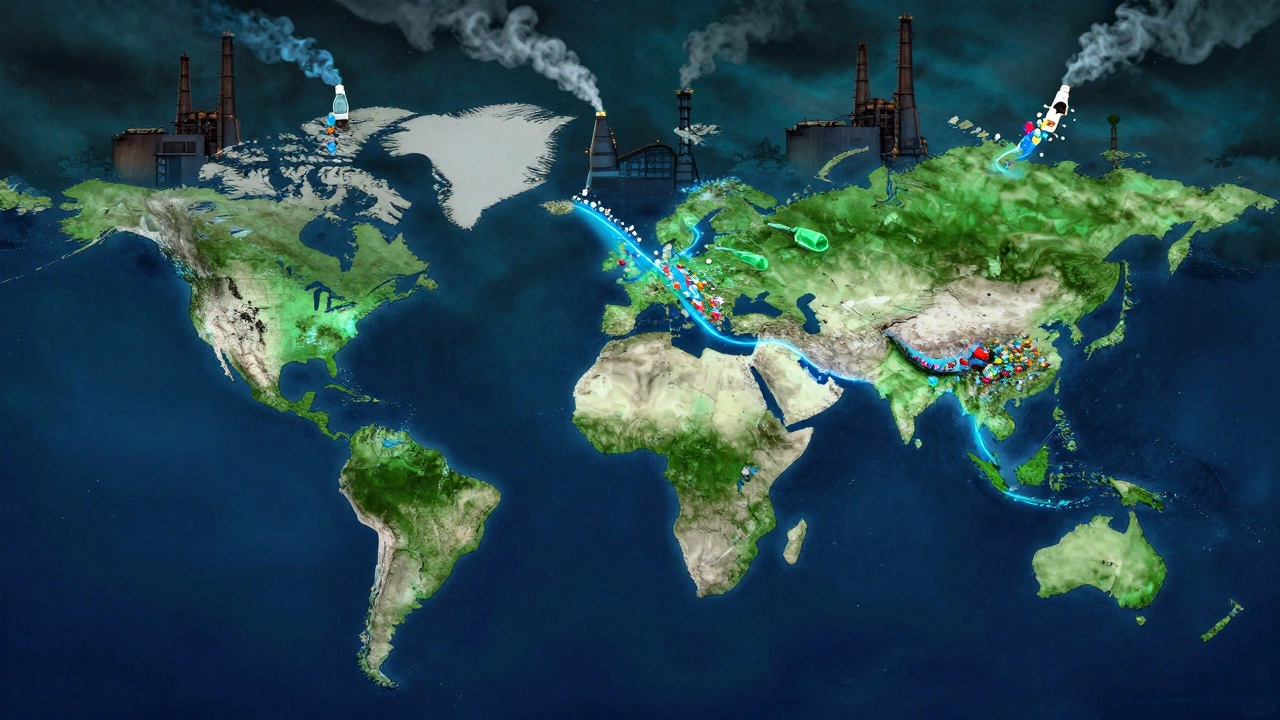
You mentioned plastic manufacturing companies in your query, and this is a critical piece of the puzzle. While consumers generate the waste, corporations produce the material. A report by Break Free From Plastic revealed that a handful of multinational brands are responsible for the majority of plastic waste found during global cleanups.
These companies benefit from the low cost of virgin plastic production. Oil and gas giants often own the upstream supply chain, making plastic a profitable byproduct of fossil fuel extraction. As long as it’s cheaper to produce new plastic than to recycle old plastic, the cycle continues. Major players include Coca-Cola, PepsiCo, Nestlé, Unilever, and Procter & Gamble.
However, the landscape is shifting. Regulatory pressure and consumer awareness are forcing these companies to adopt circular economy models. Some are investing in chemical recycling technologies, while others are committing to reduce virgin plastic use by specific percentages by 2030. But progress is slow, and greenwashing remains a concern.
Environmental and Economic Impacts
The consequences of unchecked plastic pollution extend far beyond ugly beaches. Marine ecosystems are under siege. Sea turtles mistake plastic bags for jellyfish, seabirds feed plastic fragments to their chicks, and microplastics have been found in the deepest parts of the Mariana Trench.
From an economic standpoint, the World Bank estimates that plastic pollution costs the global economy billions annually through lost tourism revenue, fisheries damage, and cleanup costs. Coastal communities, particularly in developing nations, bear the brunt of these impacts, losing livelihoods and facing health risks from contaminated seafood.
Solutions: What Can Be Done?
Tackling ocean plastic requires a multi-pronged approach involving governments, industries, and individuals. Here’s what’s working and what needs to scale up.
- Policy and Legislation: Bans on single-use plastics are becoming common globally. The European Union’s Single-Use Plastics Directive and similar laws in Canada and Australia are reducing the influx of disposable items. Extended Producer Responsibility (EPR) laws hold manufacturers accountable for the entire lifecycle of their products.
- Improved Waste Infrastructure: Investing in waste collection and recycling facilities in high-leakage countries is essential. International aid and public-private partnerships can help bridge the funding gap.
- Innovation in Materials: Bioplastics and compostable materials offer alternatives, but they must be properly managed to avoid contaminating recycling streams. True innovation lies in designing products that don’t become waste at all.
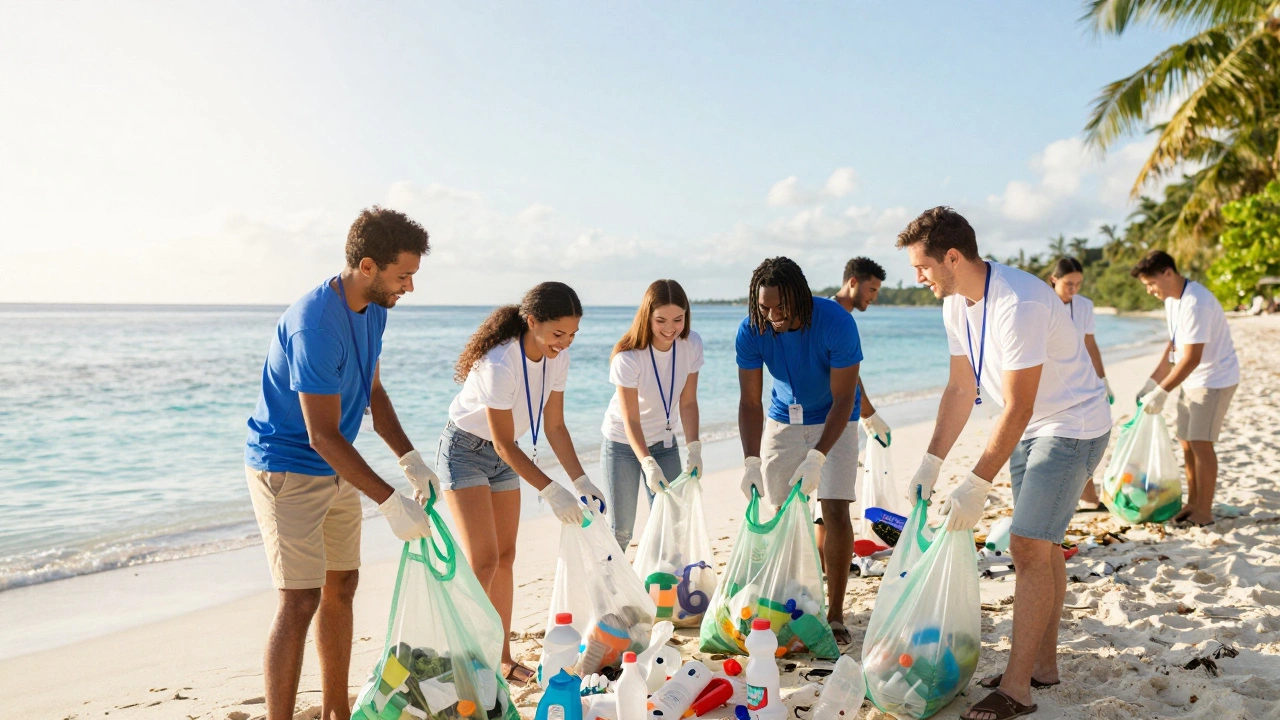
- Consumer Action: Reducing personal plastic use, supporting brands with sustainable packaging, and participating in local cleanups make a difference. Every piece of plastic refused is one less potential pollutant.
The Future of Ocean Plastic
Can we reverse the trend? Yes, but it requires urgent action. The United Nations Environment Programme has called for a legally binding international treaty on plastic pollution. Negotiations are underway to address the full lifecycle of plastic, from production to disposal.
Technological solutions like ocean cleanup arrays are capturing headlines, but prevention is infinitely more effective than cure. By targeting the sources-both the countries with poor waste management and the companies producing excessive packaging-we can stem the tide of plastic entering our oceans.
The question isn’t just "which country puts the most plastic in the ocean?" It’s "how do we stop them all?" The answer lies in collective responsibility, smarter design, and robust policy enforcement. The time for incremental change has passed; we need systemic transformation.
Which country is the biggest polluter of the ocean?
Historically, China was the largest contributor to ocean plastic due to its large population and rapid industrialization. However, recent improvements in waste management have shifted the lead. Currently, countries like Indonesia, the Philippines, and Vietnam are among the top contributors in terms of mismanaged waste entering the ocean, largely due to inadequate collection infrastructure. In absolute tonnage, larger economies like the US and India also contribute significantly.
How does plastic get into the ocean?
Most ocean plastic originates on land. It enters via rivers, wind-blown litter, improper dumping, and inadequate waste management systems. Major rivers act as conduits, carrying plastic from inland cities directly into the sea. Additionally, fishing gear and maritime activities contribute directly to marine debris.
What are the top 10 plastic-polluting countries?
While rankings vary by study, the top contributors often include China, Indonesia, Philippines, Vietnam, Sri Lanka, Thailand, Egypt, Malaysia, Nigeria, and Bangladesh. These countries typically share challenges related to waste collection infrastructure and high volumes of single-use plastic consumption.
Do Western countries contribute to ocean plastic?
Yes, Western countries contribute significantly through high per-capita consumption and waste generation. Although many have better waste management systems, they also export large amounts of plastic waste to developing nations, where it may end up leaking into the environment. Additionally, microplastics from synthetic clothing and tire wear enter waterways in these regions.
What can individuals do to reduce ocean plastic?
Individuals can reduce single-use plastic consumption by using reusable bags, bottles, and containers. Supporting companies with sustainable packaging, properly recycling according to local guidelines, and participating in beach or river cleanups are effective actions. Advocating for stronger environmental policies also drives systemic change.
Are plastic manufacturing companies being held accountable?
Accountability is increasing through Extended Producer Responsibility (EPR) laws and consumer pressure. Many major brands have committed to reducing virgin plastic use and improving recyclability. However, enforcement varies globally, and some critics argue that current corporate pledges are insufficient to meet the scale of the crisis.