Machinery Import Advisor
Select your industry and priorities to see recommended source countries, typical equipment, and strategic insights.
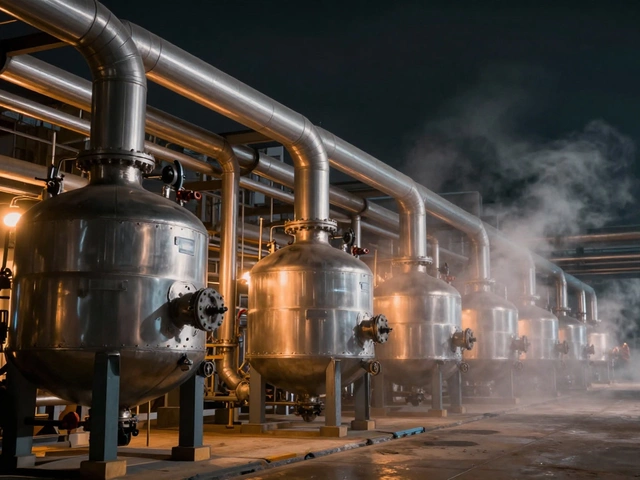
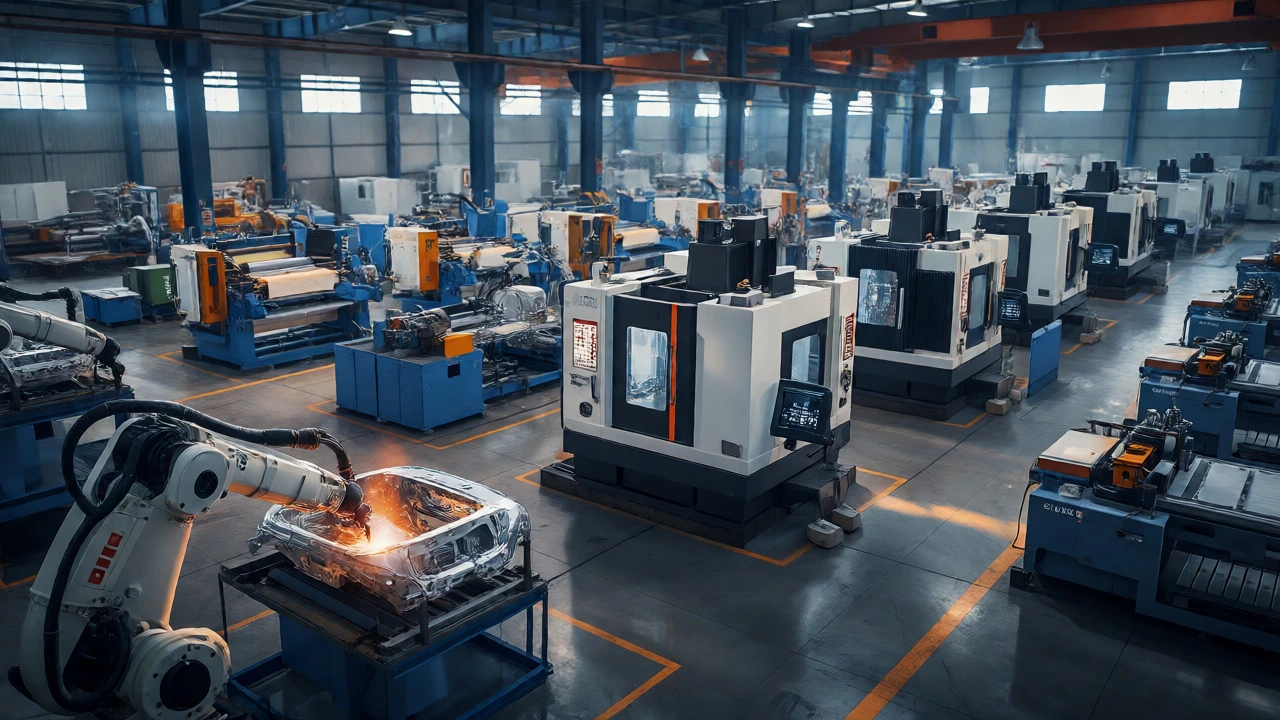
Think about the last time you walked into a modern Indian factory. The robotic arms welding car frames, the CNC machines carving aerospace parts, or even the packaging lines sealing your favorite snack packets-chances are, they didn’t come from India. Despite being a global manufacturing hub, India still relies heavily on foreign technology for its most critical production tools. In fact, in recent fiscal years, India’s capital goods imports have hovered around $100-$120 billion annually, with machinery accounting for a massive chunk of that spend. If you’re running a plant, sourcing equipment, or just curious about the supply chain, understanding where this machinery comes from is non-negotiable.
You might assume it’s all coming from one place, but the reality is far more fragmented. It’s a mix of high-precision German engineering, cost-effective Chinese volume, and increasingly, competitive offerings from South Korea and Japan. This article breaks down exactly which countries dominate the landscape, why specific industries lean toward certain suppliers, and what this means for your bottom line in 2026.
The Big Three: China, Germany, and Japan
If you look at the raw data, three names stand out above the rest. These aren’t just competitors; they serve different niches within the Indian market. China is currently the largest source of imported machinery for India by volume. Why? Price. For small and medium enterprises (SMEs) looking for basic lathes, injection molding units, or textile looms, Chinese equipment offers a price point that Western alternatives simply can’t match. A standard CNC machine from Shenzhen might cost 40% less than its European counterpart. However, this often comes with trade-offs in longevity and after-sales support.
On the other end of the spectrum sits Germany. When precision is non-negotiable, Indian manufacturers turn to German engineering. Think automotive transmission testing rigs, high-end printing presses, or medical device assembly lines. German machinery is known for durability and efficiency, often lasting decades longer than cheaper alternatives. While the upfront cost is steep, the total cost of ownership over ten years often favors Germany due to lower downtime and higher output quality. Companies like Siemens and Bosch Rexroth are household names in Indian industrial parks.
Japan occupies the middle ground but excels in specific sectors. Japanese brands like Fanuc, Mitsubishi Electric, and Okuma are dominant in robotics and automation. If an Indian auto manufacturer wants reliable robot arms for their assembly line, they’re likely buying Japanese. Japan’s strength lies in balancing high reliability with reasonable maintenance costs, making them a favorite for large-scale continuous operations.
Why Specific Industries Choose Specific Countries
It’s not just about budget; it’s about compatibility with existing ecosystems. Let’s break this down by sector, because the supplier choice varies wildly depending on what you’re building.
| Industry | Primary Source Country | Reasoning | Common Equipment |
|---|---|---|---|
| Automotive | Japan & Germany | High precision needs; integration with global OEM standards | Robotics, Stamping Presses, Paint Lines |
| Textiles | China & Italy | Cost sensitivity vs. high-speed weaving tech | Looms, Spinning Frames, Dyeing Machines |
| Pharmaceuticals | Germany & USA | Regulatory compliance (FDA/GMP); validation requirements | Blister Packing, Tablet Presses, Lyophilizers |
| Construction | China & USA | Heavy duty capacity; availability of spare parts | Excavators, Cranes, Concrete Mixers |
| Electronics | South Korea & Japan | Miniaturization tech; SMT placement accuracy | SMT Machines, Pick-and-Place, Reflow Ovens |
Take the pharmaceutical sector, for instance. An Indian pharma company exporting to the US or Europe cannot risk using unproven machinery. They need equipment that validates easily against Good Manufacturing Practices (GMP). This is why German and American suppliers dominate here, despite the higher cost. Conversely, a textile mill in Surat competing on price might opt for Chinese looms because the ROI period is shorter, even if the machine requires more frequent repairs.
The Rise of South Korea and Emerging Players
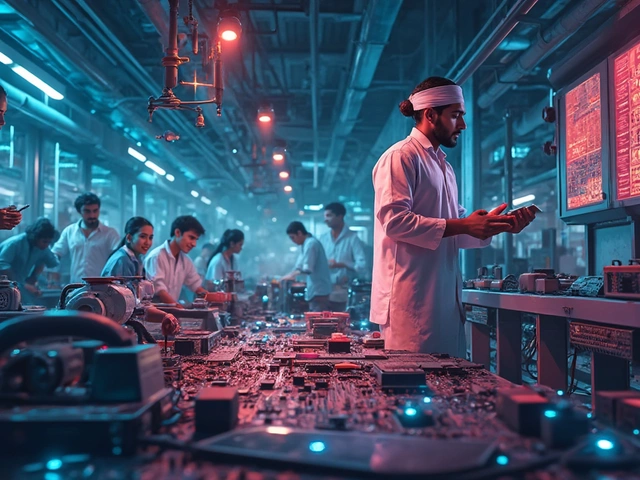
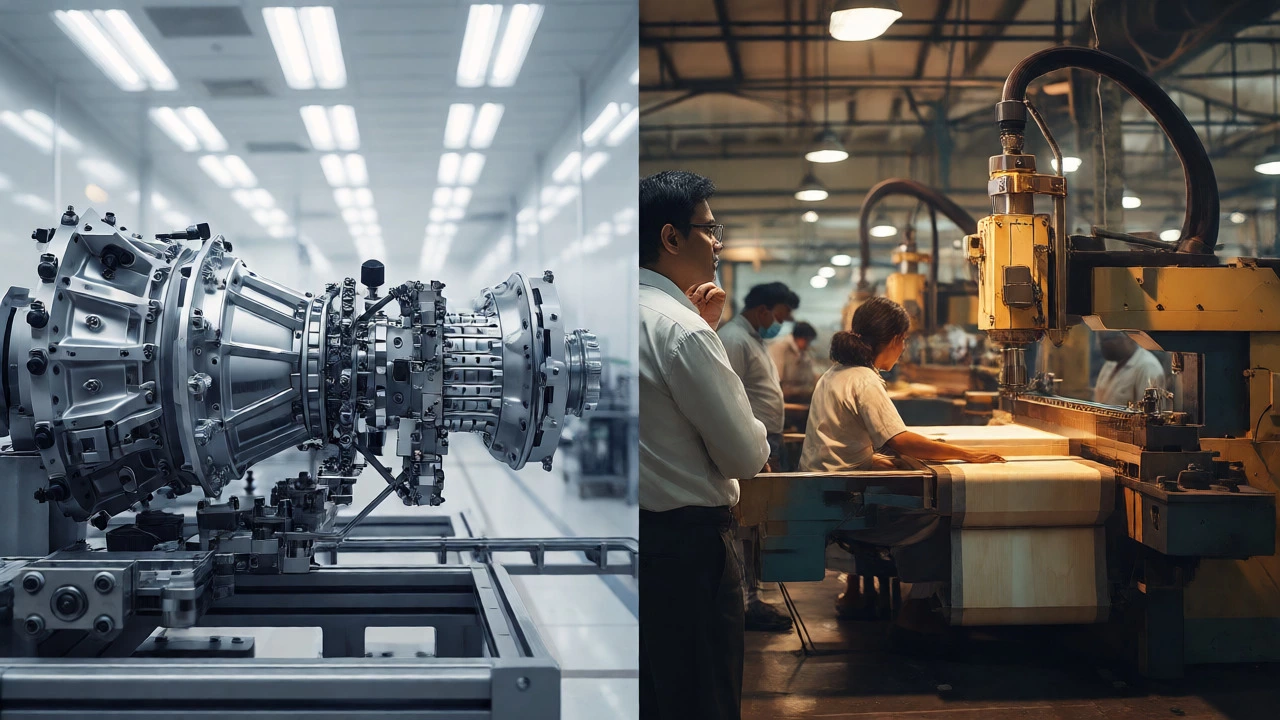
While China, Germany, and Japan hold the lion’s share, don’t ignore South Korea. Over the past decade, Korean manufacturers have aggressively targeted the Indian market, particularly in electronics and shipbuilding. Brands like Samsung Industrial and Hyundai Heavy Industries offer technology that rivals Japan but often comes with more flexible financing options. For Indian startups scaling up electronics manufacturing, Korean SMT (Surface Mount Technology) lines have become a popular alternative to expensive Japanese setups.
There’s also a growing trend of importing specialized components from Italy, especially in the packaging and food processing sectors. Italian machinery is renowned for its design flexibility and hygiene standards, crucial for dairy and beverage plants. If you’re setting up a bottling line, you’ll likely find Italian fillers and cappers everywhere.
Interestingly, Turkey has emerged as a niche player for light industrial machinery. Their proximity to Europe allows them to offer EU-standard equipment at slightly lower costs than Germany, appealing to mid-tier manufacturers who want European quality without the premium price tag.
How "Make in India" Is Changing the Landscape
You might wonder: isn’t the government pushing for local manufacturing? Yes, and it’s working-but slowly. The Production Linked Incentive (PLI) schemes have encouraged some domestic production of electronic components and white goods. However, “Made in India” often still means “Assembled in India.” Many domestic manufacturers import sub-assemblies, motors, and control systems from abroad.
This hybrid model creates a complex import profile. You might buy a machine branded as an Indian product, but its core PLC (Programmable Logic Controller) could be from Germany, its servo motors from Japan, and its structural steel fabricated locally. Understanding this supply chain helps when negotiating service contracts. If your machine breaks, knowing whether the component is locally stocked or needs to be flown in from Osaka matters when calculating downtime costs.
Furthermore, tariffs play a huge role. India imposes customs duties on imported machinery to protect local industry. However, there are exemptions for capital goods that aren’t manufactured domestically. Savvy procurement teams leverage these exemptions. For example, if you’re importing a specialized laser cutter that no Indian firm makes, you might qualify for reduced duty rates under specific government notifications. Always check the latest tariff lists before finalizing a purchase order.
Navigating Logistics and After-Sales Support
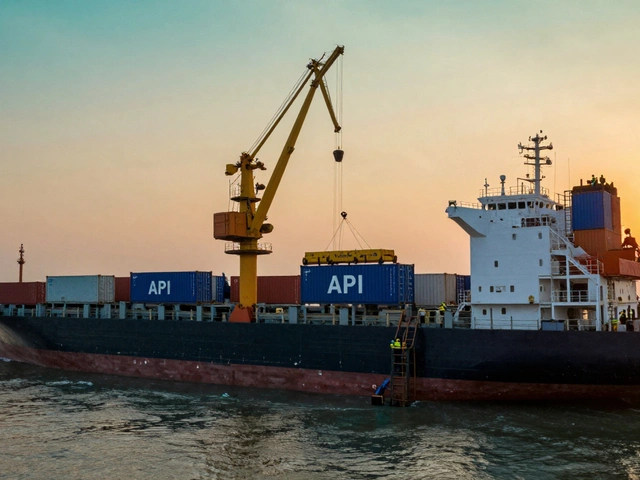
Importing machinery isn’t just about the sticker price. The hidden costs lie in logistics and support. Shipping a 5-ton press from Hamburg to Mumbai takes weeks and involves port charges, insurance, and inland transit. But the real headache starts after installation.
German and Japanese companies typically have strong local partners or direct subsidiaries in India, ensuring quick access to spare parts and technical expertise. Chinese suppliers, while improving, sometimes struggle with consistent after-sales service outside major metros like Delhi, Mumbai, or Chennai. If you’re located in Tier-2 cities like Coimbatore or Jamshedpur, verify that the vendor has a local technician network. Otherwise, you might wait days for a specialist to fly in, halting production.
Here’s a practical checklist for evaluating a foreign supplier:
- Local Presence: Do they have a warehouse or service center within 200 km of your plant?
- Spare Parts Availability: Are common wear-and-tear parts stocked in India, or do they ship from overseas?
- Training: Will they provide on-site training for your operators, or is it remote-only?
- Payment Terms: Can you negotiate LC (Letter of Credit) terms that align with your cash flow?
- Compliance: Does the machinery meet BIS (Bureau of Indian Standards) requirements to avoid clearance delays?
The Future: Automation and Green Tech Imports
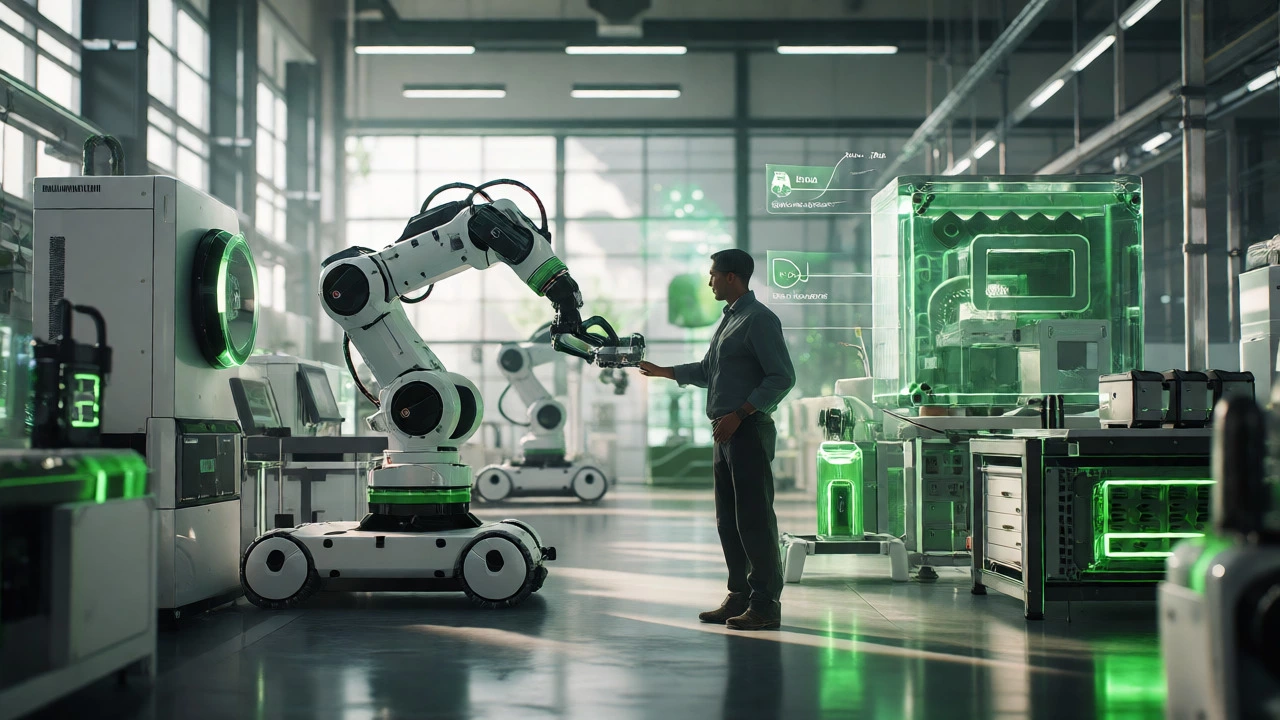
Looking ahead to 2026 and beyond, two trends will reshape import patterns. First, the demand for automation is skyrocketing. As labor costs rise in urban India, factories are replacing manual tasks with collaborative robots (cobots). Most of these cobots still come from Denmark (Universal Robots), Germany (KUKA), and Japan (Fanuc). Expect imports in this category to grow faster than traditional heavy machinery.
Second, sustainability is driving new imports. Energy-efficient boilers, waste heat recovery systems, and electric material handling equipment are becoming essential. European suppliers lead in green tech, offering solutions that help Indian factories reduce carbon footprints and energy bills simultaneously. If you’re planning a plant upgrade, consider sourcing eco-friendly machinery now-it may future-proof your operations against stricter environmental regulations.
In short, India’s machinery imports are a mirror of its industrial ambitions. We buy cheap volume from China for scale, precision from Germany for quality, and reliability from Japan for uptime. Knowing where to look-and what to watch out for-can save you significant money and headaches. Don’t just buy the machine; buy the ecosystem that supports it.
Which country supplies the most machinery to India?
China is currently the largest supplier of machinery to India by volume, particularly for cost-sensitive sectors like textiles and basic metalworking. However, Germany and Japan lead in value and high-precision segments such as automotive and pharmaceuticals.
Is German machinery worth the extra cost for Indian SMEs?
For SMEs focused on export markets requiring high quality standards, yes. German machinery offers superior durability and precision, reducing long-term downtime. However, for domestic mass-market products where price is key, Chinese or Indian alternatives may offer better ROI.
What are the main challenges in importing machinery to India?
Key challenges include complex customs clearance processes, BIS certification requirements, high initial logistics costs, and potential difficulties in securing timely after-sales support and spare parts, especially from vendors without local presence.
Are there tax benefits for importing specific machinery?
Yes, India offers customs duty exemptions or reductions for capital goods that are not manufactured domestically. Additionally, specific PLI schemes may provide incentives for importing technology that enhances local manufacturing capabilities.
How does "Make in India" affect machinery imports?
While "Make in India" promotes local assembly, many finished machines still rely on imported core components like controllers, sensors, and high-grade alloys. Thus, imports remain high even as local assembly grows, creating a hybrid supply chain.