India Chemical Export Value Calculator
Calculate the estimated export value of Indian chemical products based on quantity and type. The values are based on current market rates for Indian chemical exports.
India exports over $60 billion worth of chemical products annually, with pharmaceutical intermediates representing over 40% of the value. The US is the largest importer ($10B+ annually), followed by the EU and rapidly growing ASEAN markets.
India doesn’t just make chemicals-it ships them all over the world. Every year, the country exports over $60 billion worth of chemical products, making it one of the top five chemical exporters globally. You might think of India for textiles or IT, but its chemical industry quietly powers everything from medicines in Europe to fertilizers in Africa and dyes in Southeast Asia.
What kinds of chemicals does India actually export?
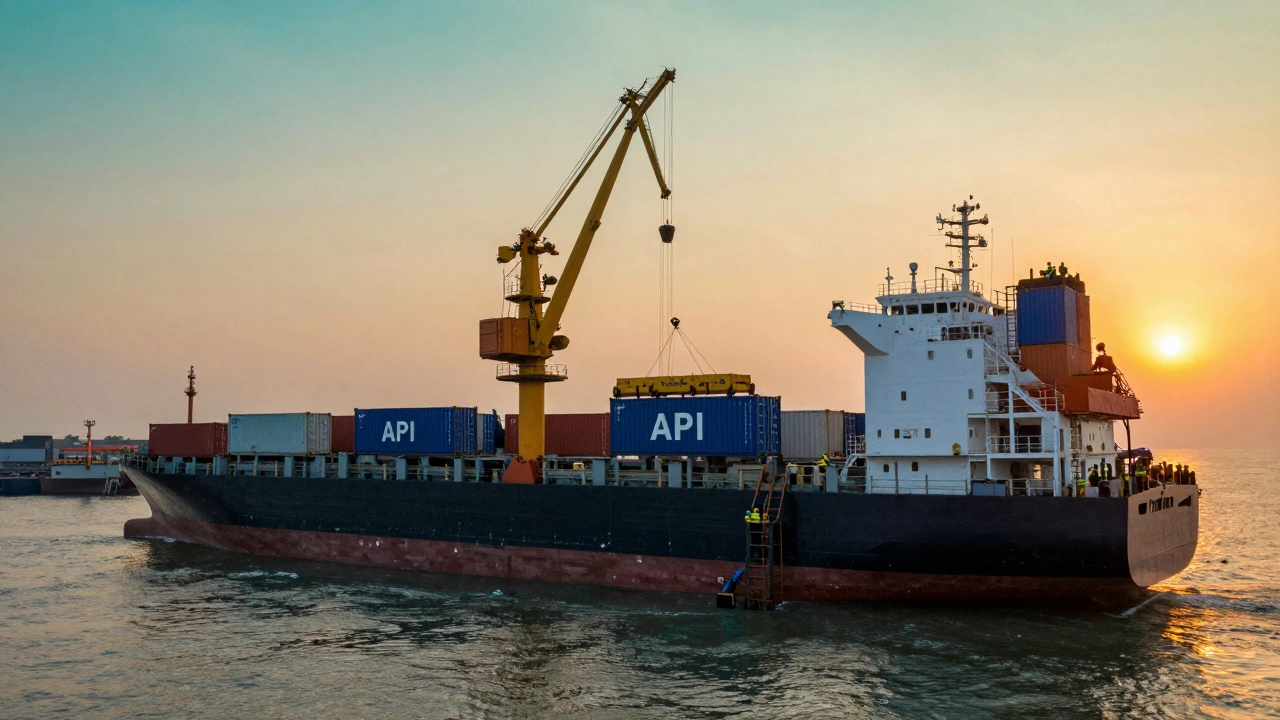
India’s chemical exports aren’t one thing-they’re dozens of specific products, each with its own market. The biggest chunk comes from pharmaceutical intermediates. These are the building blocks for medicines. Companies in India make active pharmaceutical ingredients (APIs) and send them to countries like the U.S., Germany, and Italy, where they’re turned into pills, syrups, and injections. For example, over 40% of the generic drugs used in the U.S. rely on APIs made in India.
Next up are organic chemicals. These include things like methanol, acetic acid, and phenol. They’re used in plastics, paints, solvents, and even food additives. Gujarat and Maharashtra are the main hubs for these exports, with factories running nonstop to meet global demand.
Inorganic chemicals like sulfuric acid, sodium hydroxide, and calcium chloride are also big. These are essential for water treatment, metal processing, and construction. India exports millions of tons of these every year, mostly to Southeast Asia and the Middle East.
Then there are dyes and pigments. India is one of the world’s largest producers of textile dyes. Brands in Turkey, Bangladesh, and Vietnam buy Indian dyes to color their fabrics. The quality is consistent, and the prices are competitive-key reasons why buyers keep coming back.
And don’t forget pesticides and agrochemicals. India exports herbicides, insecticides, and fungicides to Brazil, Argentina, and African nations. These help farmers increase crop yields. Many of these products are developed locally but meet international safety standards.
Where do these chemicals go?
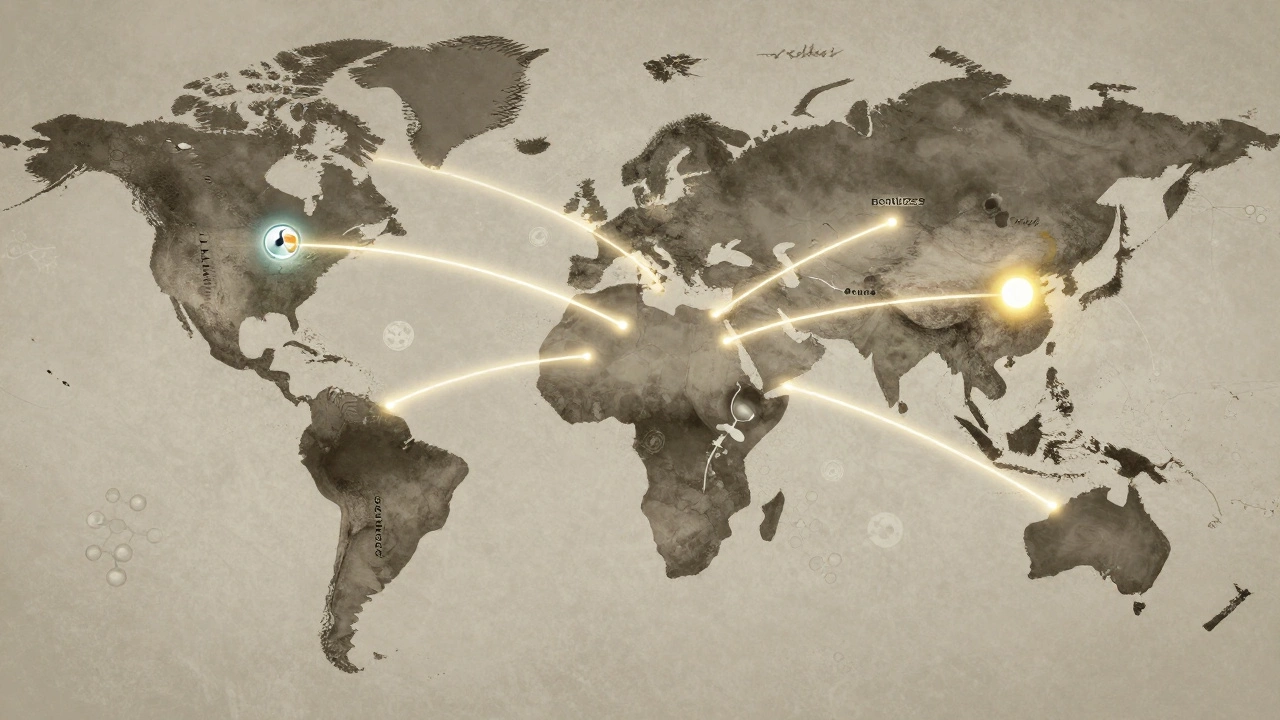
India’s chemical exports go to more than 180 countries, but a few markets dominate. The U.S. is the single largest buyer, spending over $10 billion a year on Indian chemicals-mostly pharmaceuticals and organic compounds. The European Union comes second, with Germany, France, and the Netherlands importing everything from dyes to industrial solvents.
Asia is the fastest-growing region. Bangladesh, Vietnam, and Indonesia rely on Indian chemical suppliers for their textile and pharmaceutical industries. In 2025, India’s chemical exports to ASEAN countries jumped by 18% compared to the year before.
Africa and the Middle East are also rising fast. Countries like Nigeria, Egypt, and Saudi Arabia import Indian fertilizers, caustic soda, and chlorine compounds. These aren’t high-value items, but they’re essential-and India delivers them reliably.
Who are the biggest chemical exporters in India?
It’s not just one company. It’s a network of hundreds of manufacturers, from giant corporations to small specialized factories. Some of the top names include:
- Dr. Reddy’s Laboratories - One of the biggest exporters of APIs and finished drugs.
- Sun Pharmaceutical Industries - Ships over $4 billion in pharma chemicals annually.
- Reliance Industries - Produces bulk organic chemicals like terephthalic acid for global plastic makers.
- Navin Fluorine International - A leader in fluorinated chemicals used in refrigerants and electronics.
- Atul Ltd. - Major exporter of dyes, pigments, and specialty chemicals.
Smaller players matter too. In Vadodara and Ankleshwar, dozens of mid-sized firms supply niche chemicals to global buyers. Many of them don’t have big brand names, but they’re trusted for consistent quality and quick turnaround.
Why is India so good at exporting chemicals?
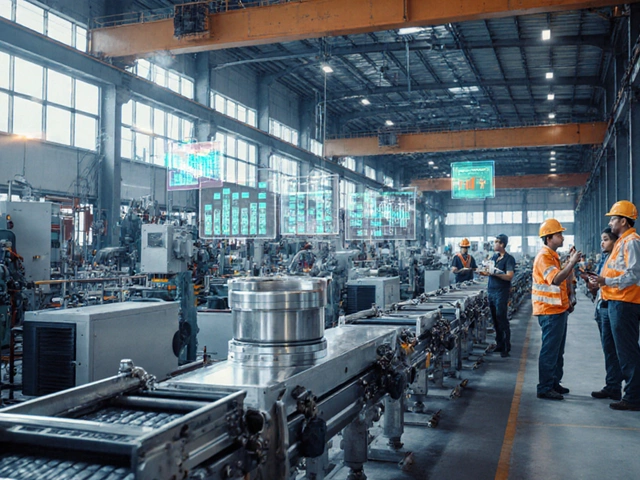
It’s not luck. It’s a mix of cost, skill, and infrastructure. Indian chemical manufacturers have spent decades perfecting how to make complex molecules at low cost. Labor is cheaper than in Europe or the U.S., but the technical know-how isn’t. Many engineers in India have trained at top institutes like IITs and have worked with global firms.
Government support plays a role too. The Production Linked Incentive (PLI) scheme for bulk drugs and chemicals gives tax breaks to companies that increase exports. The government also helps with certifications-making sure Indian factories meet U.S. FDA and EU GMP standards.
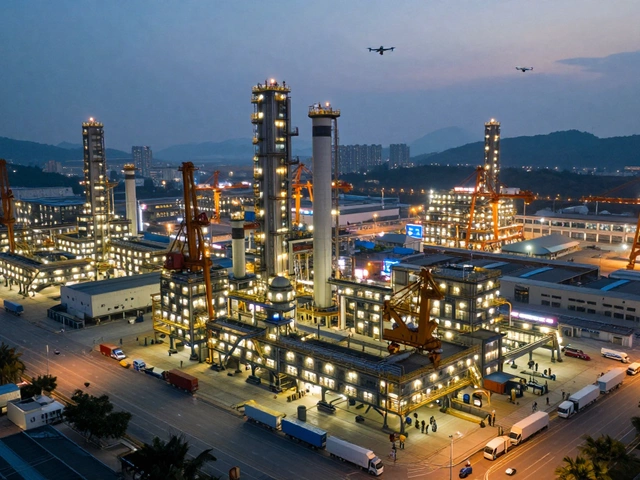
And then there’s the supply chain. India has over 30 chemical industrial clusters, mostly in Gujarat, Maharashtra, Tamil Nadu, and Andhra Pradesh. These areas have dedicated ports, power supply, waste treatment plants, and logistics networks. A factory in Dahej can ship a container of API to Rotterdam in under 25 days.
What challenges do Indian chemical exporters face?
It’s not all smooth sailing. Rising raw material costs are a problem. Crude oil prices affect everything from solvents to plastics. When oil goes up, so do production costs-and some buyers look elsewhere.
Environmental regulations are tightening. The EU and U.S. now demand stricter proof of sustainable production. Factories that still use outdated waste disposal methods are getting shut out of key markets.
Competition is growing. China still dominates in volume, especially for basic chemicals. But Indian exporters are winning on reliability and compliance. Many global buyers now prefer India because it’s less risky-no trade wars, no sudden export bans.
Another issue: skilled labor shortages. While engineers are plentiful, skilled operators and maintenance technicians are harder to find. Companies are investing in training centers, but progress is slow.
What’s next for India’s chemical exports?
The next five years will be decisive. India aims to become a $300 billion chemical industry by 2030, with exports making up half of that. New investments are pouring in-especially in specialty chemicals like lithium-ion battery materials, biodegradable polymers, and green solvents.
Companies are also moving up the value chain. Instead of just exporting APIs, they’re now shipping finished drugs. Instead of selling dyes, they’re offering custom color solutions for global fashion brands.
Green chemistry is the new frontier. Indian firms are developing chlorine-free dyes, water-based solvents, and low-energy manufacturing processes. Buyers in Europe and North America are paying premiums for these.
India’s chemical exports aren’t just about quantity anymore. They’re about quality, innovation, and trust.
What are the top 5 chemicals India exports?
The top five chemical exports from India are: pharmaceutical intermediates (APIs), organic chemicals like methanol and acetic acid, inorganic chemicals such as sulfuric acid and sodium hydroxide, textile dyes and pigments, and agrochemicals including pesticides and herbicides. Together, these make up over 80% of India’s total chemical export value.
Which countries import the most chemicals from India?
The United States is the largest importer, buying over $10 billion worth annually, mostly pharmaceuticals. The European Union follows closely, with Germany, France, and the Netherlands as top buyers. In Asia, Bangladesh, Vietnam, and Indonesia are growing fast. Africa and the Middle East import large volumes of fertilizers and industrial chemicals.
Are Indian chemical exports safe and regulated?
Yes. Most major Indian chemical exporters follow international standards like FDA (U.S.), GMP (EU), and REACH (Europe). Factories are regularly audited, and certifications are mandatory for export. Smaller players are catching up, but buyers now prefer suppliers with proven compliance records.
How has India’s chemical export industry changed in the last 5 years?
India has shifted from exporting raw materials to higher-value products. Five years ago, most exports were bulk chemicals. Now, over 40% are specialty chemicals, APIs, and finished pharmaceuticals. Export volumes grew by 22% between 2021 and 2025. Sustainability and green chemistry have also become key selling points.
Can small chemical manufacturers in India export too?
Absolutely. Many small and medium-sized firms export niche products like specialty dyes, organic intermediates, or lab-grade chemicals. They often partner with export houses or use government platforms like the India Chemical Export Promotion Council. With the right certifications and consistent quality, even small players can find global buyers.