Manufacturing Startup Cost Calculator
Estimated Startup Costs
Starting a manufacturing company doesn’t require millions - but it does require knowing where your money actually goes. Too many people think they need a factory full of robots and a warehouse the size of a football field. The truth? You can start making real products with under $50,000 - if you’re smart about it.
What Kind of Manufacturing Are You Talking About?
There’s no single answer because manufacturing isn’t one thing. Making custom metal brackets is totally different from bottling organic syrup or sewing branded tote bags. The cost jumps wildly based on what you’re making, how you’re making it, and where.
Let’s break it down by category:
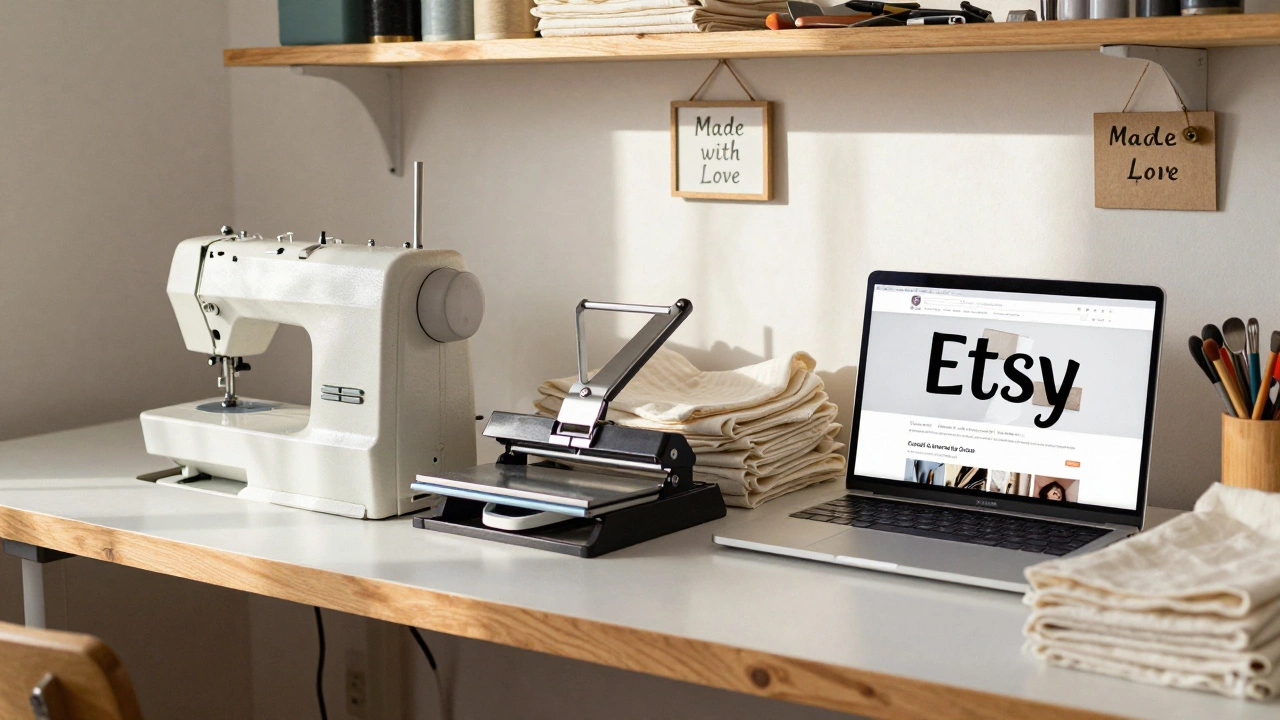
- Low-cost manufacturing (under $20,000): Hand-assembled products like jewelry, candles, soap, printed apparel, or small wooden items. You might use a heat press, a sewing machine, or a 3D printer.
- Mid-range ($20,000-$100,000): Light assembly, small-batch production like custom electronics enclosures, packaging, food packaging, or simple metal fabrication. You’ll need basic machinery like a CNC router, a laser cutter, or a small injection molder.
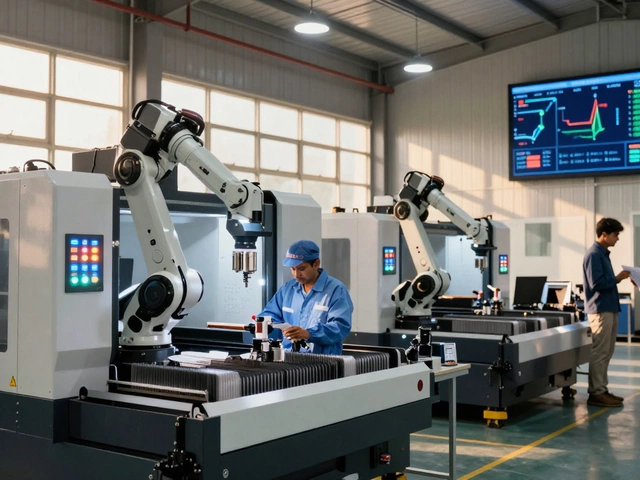
- Higher-end ($100,000+): Anything requiring heavy machinery - stamping presses, injection molding lines, CNC machining centers, or automated assembly. This is where you start dealing with industrial power needs, permits, and safety compliance.
Most people who start small skip the high-end route. They focus on what they can build with their hands, a few tools, and a garage. That’s where the real opportunity is right now.
Where Does the Money Actually Go?
It’s not just equipment. You’ll spend on things no one talks about until it’s too late.
Equipment - This is the biggest chunk. A decent CNC machine costs $15,000-$40,000. A used industrial sewing machine? $2,000. A small 3D printer? $1,500. You don’t need top-of-the-line gear at first. Buy used. Lease. Rent time on a shared machine at a makerspace.
Raw materials - You can’t make anything without stuff to make it from. A $5,000 order of plastic pellets, aluminum sheets, or fabric might sound high - until you realize you need to keep inventory flowing. Plan for at least two months of material stock upfront.
Workspace - Renting a 1,000 sq ft industrial unit in a suburban area runs $800-$2,000/month. Some people start in a garage. That’s fine - but you’ll need proper ventilation, electrical upgrades, and possibly zoning approval. Don’t assume your city lets you run a business from home.
Permits and licenses - This varies by state and product type. A food manufacturer needs FDA registration. A chemical producer needs EPA compliance. Even a simple toy maker might need CPSC certification. Budget $1,000-$5,000 for legal paperwork, inspections, and safety certifications.
Insurance - General liability? $800/year. Product liability? $2,000-$5,000/year. Workers’ comp? Mandatory if you hire anyone. You can’t sell to retailers without this. Skip it, and you’re out of business before your first order ships.
Marketing and sales - You can make great products, but if no one knows they exist, you’re just a hobbyist. A simple website, product photos, and a few targeted Facebook ads might cost $1,000-$3,000 to launch. Don’t underestimate this. It’s not optional.
Real Examples - How Much Did It Actually Cost?
Let’s look at three real startups from 2024:
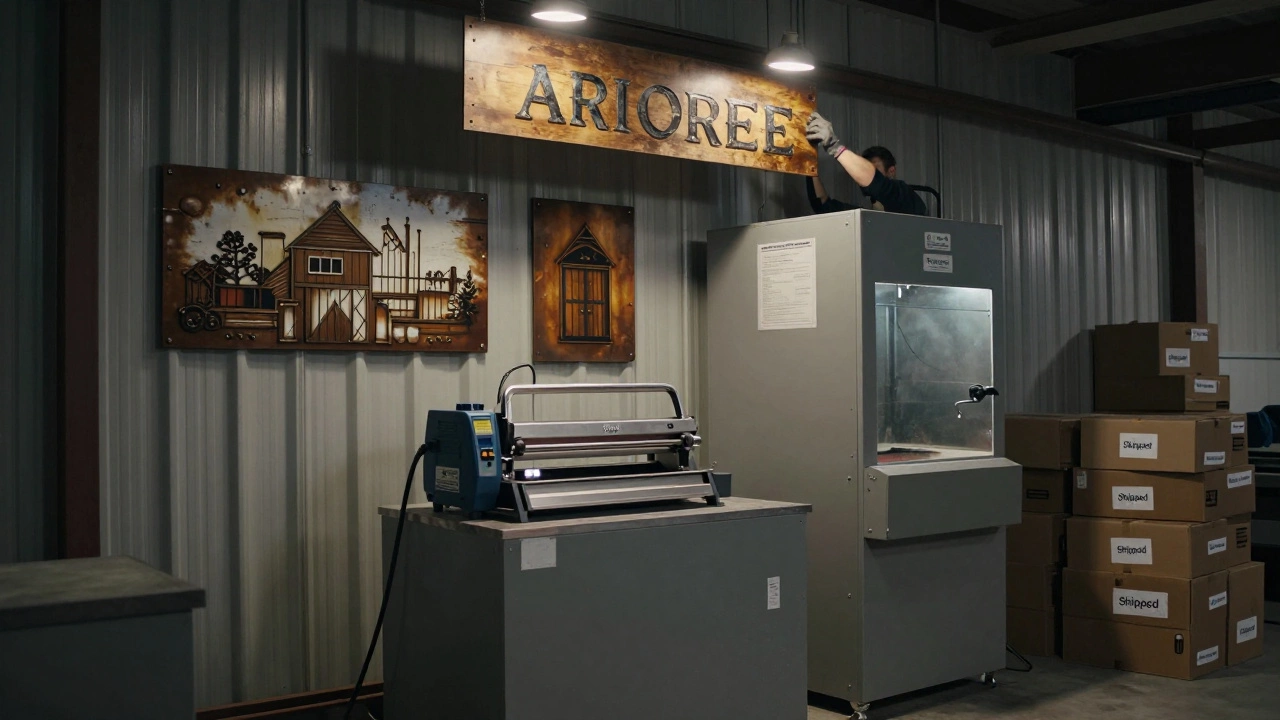
Example 1: Custom Metal Signs - A couple in Ohio started making personalized steel signs for homes and farms. They bought a used plasma cutter ($4,500), a small bending brake ($2,200), and a powder coating setup ($6,000). They rented a 600 sq ft shop ($900/month). Their first batch of materials cost $1,800. They spent $1,200 on a website and Instagram ads. Total startup cost: $16,700. They broke even in 5 months.
Example 2: Organic Honey Bottling - A beekeeper in Georgia started bottling and labeling his own honey. He bought a semi-automatic filler ($8,000), a label printer ($1,200), and glass bottles in bulk ($3,500). He got a food handler’s license ($150) and FDA registration ($250). He spent $2,000 on branding and Amazon FBA setup. Total: $15,100. He’s now selling 2,000 jars a month.
Example 3: Printed Tote Bags - A designer in North Carolina used a heat press ($1,100), a commercial sewing machine ($2,800), and bought 500 yards of organic cotton fabric ($3,000). She made her own website using Shopify ($30/month). No rent - she worked out of her garage. Total: $7,000. She hit $10,000 in sales in her first quarter.
Notice the pattern? None of them spent six figures. They focused on one product, one channel, and one customer.
How to Start With Almost Nothing
You don’t need to own everything. You can outsource parts of the process.
- Use contract manufacturers: Find a local shop that already has the machines you need. You supply the design and materials; they handle production. You pay per unit. This cuts your upfront cost by 70%.
- Start with drop shipping or print-on-demand: For apparel, mugs, or posters, use services like Printful or Gooten. You design, they make and ship. No inventory. No equipment.
- Rent equipment: Companies like Tooling Up or local makerspaces let you rent CNC machines, laser cutters, or 3D printers by the hour. You test demand before buying.
- Pre-sell to fund production: Use Kickstarter or Instagram to get orders before you buy materials. If 100 people pay $25 for your product, you’ve got $2,500 to start making it.
One woman in Indiana started making wooden phone stands. She didn’t own a saw. She found a local woodworker who charged $10 per unit to cut and sand them. She painted them herself at home. She sold them on Etsy. Her first month: $1,200 profit. She reinvested into a small band saw. Six months later, she hired her first employee.
Common Mistakes That Cost Money
People lose money not because they spend too much - but because they spend it on the wrong things.
- Buying the biggest machine possible: A $50,000 CNC router is useless if you only need to cut 10 parts a week. Start small. Scale up when you have steady demand.
- Ignoring regulations: One guy made custom pet collars with metal charms. He didn’t know he needed lead-free certification. His first big order from a pet store got rejected. He lost $8,000 in materials and shipping.
- Not testing the market: Spending $15,000 on a mold for a product no one wants is a death sentence. Make 10 samples. Sell them to 5 friends. Get feedback. Then invest.
- Thinking you need a brand: You don’t need a logo, fancy packaging, or a website with animations. You need a product that solves a problem. Build that first.
Where to Find Funding (Without Going Into Debt)
You don’t need a bank loan to start. Here’s what actually works:
- Bootstrapping: Use your savings, side income, or profits from a previous business. Keep it lean. This gives you full control.
- Pre-orders: As mentioned - get paid before you make. Use platforms like Etsy, Shopify, or even Facebook Marketplace.
- Small business grants: Look for local economic development grants. Many cities offer $5,000-$15,000 for manufacturing startups that create jobs. Search “[Your City] manufacturing grant 2025”.
- Equipment leasing: Instead of buying a $20,000 machine, lease it for $400/month. That’s cash flow friendly.
- Community investment: Some towns have crowdfunding programs for local makers. Ask your chamber of commerce.
One Michigan maker got a $10,000 grant just because she promised to hire two part-time workers within six months. She didn’t need a business plan. She just showed a prototype and a list of local suppliers she’d work with.
Can You Start With $10,000?
Yes. But you’ll need to be ruthless.
Here’s a realistic $10,000 plan:
- $3,000 - Used sewing machine and heat press
- $2,000 - 500 yards of fabric and thread
- $1,500 - Website and domain (Shopify + Canva design)
- $1,000 - Packaging and labels
- $1,000 - Facebook/Instagram ads (test 3 products)
- $1,000 - Emergency fund for materials
- $500 - Business license and insurance
You’re making custom aprons, tote bags, or pet bandanas. You sell them on Etsy and local craft fairs. You don’t hire anyone. You don’t rent space. You work from home. You reinvest every dollar of profit into more materials or better equipment.
After 6 months, you’re making $3,000/month. You buy a second machine. You hire a part-timer. You’re a manufacturer.
What to Do Next
Stop thinking about the money. Start thinking about the product.
Ask yourself:
- What can I make with tools I already have or can borrow?
- What problem does this solve for someone?
- Who will pay for it - and where do they shop?
- Can I make 10 units in a weekend?
If you can answer those, you’re already ahead of 90% of people who say they want to start a manufacturing business.
Don’t wait for the perfect amount of cash. Start with what you have. Make something real. Sell it. Learn. Then build again.
Manufacturing isn’t about big factories. It’s about solving small problems with your hands, your time, and your persistence.
Can I start a manufacturing business with no experience?
Yes. Many successful manufacturers started with zero experience. What matters is learning by doing. Start with a simple product you can make yourself. Watch YouTube tutorials on basic machining, sewing, or molding. Join local maker groups. Take a class at a community college. Experience beats theory every time.
Do I need to register my business to start manufacturing?
Technically, you can sell small handmade items without a formal business structure - but you shouldn’t. Registering as an LLC protects your personal assets. You’ll also need a business license and an EIN to open a bank account, collect sales tax, and sell to retailers. Most platforms like Amazon and Etsy require it. It costs under $200 in most states.
How long does it take to break even in manufacturing?
It depends on your product and sales speed. Most small manufacturers break even between 3 and 8 months. If you’re selling $50 products and making 10 a week, you’ll hit $2,000/month in sales quickly. If you’re waiting for big wholesale orders, it could take 6-12 months. The key is to get your first 10 paying customers as fast as possible.
Is manufacturing profitable in 2025?
Absolutely - especially for small, niche manufacturers. Big brands are struggling with supply chain delays and high costs. Customers are actively looking for locally made, unique products. A maker selling custom kitchen tools or eco-friendly packaging can charge premium prices and build loyal customers. Profit margins of 40-70% are common when you cut out middlemen.
What’s the easiest manufacturing business to start?
Printed apparel (t-shirts, hoodies), custom signs (wood or metal), and handmade candles or soaps are the easiest. They require minimal equipment, low upfront inventory, and can be sold online with little marketing. You can make your first sale within a week if you have a clear product and a simple website.