Small Scale Production Profitability Calculator
Production Inputs
Financial Breakdown
Enter your production details to see if your business model is profitable.
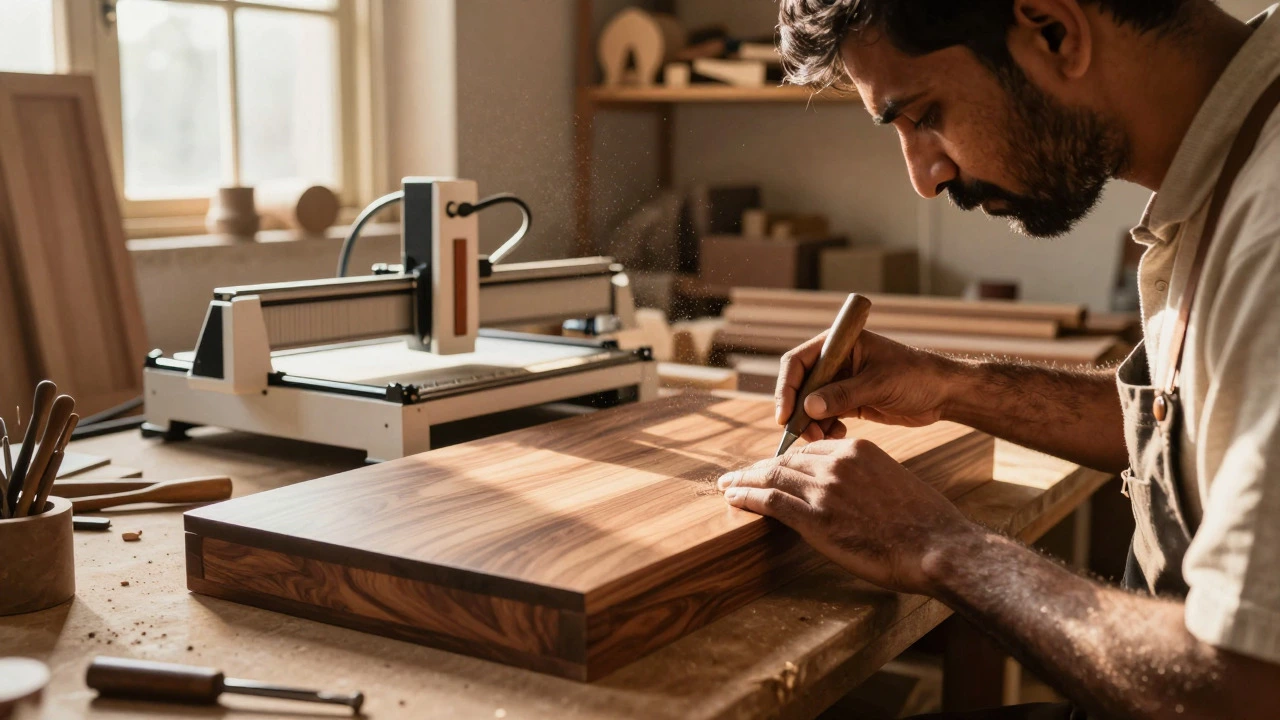
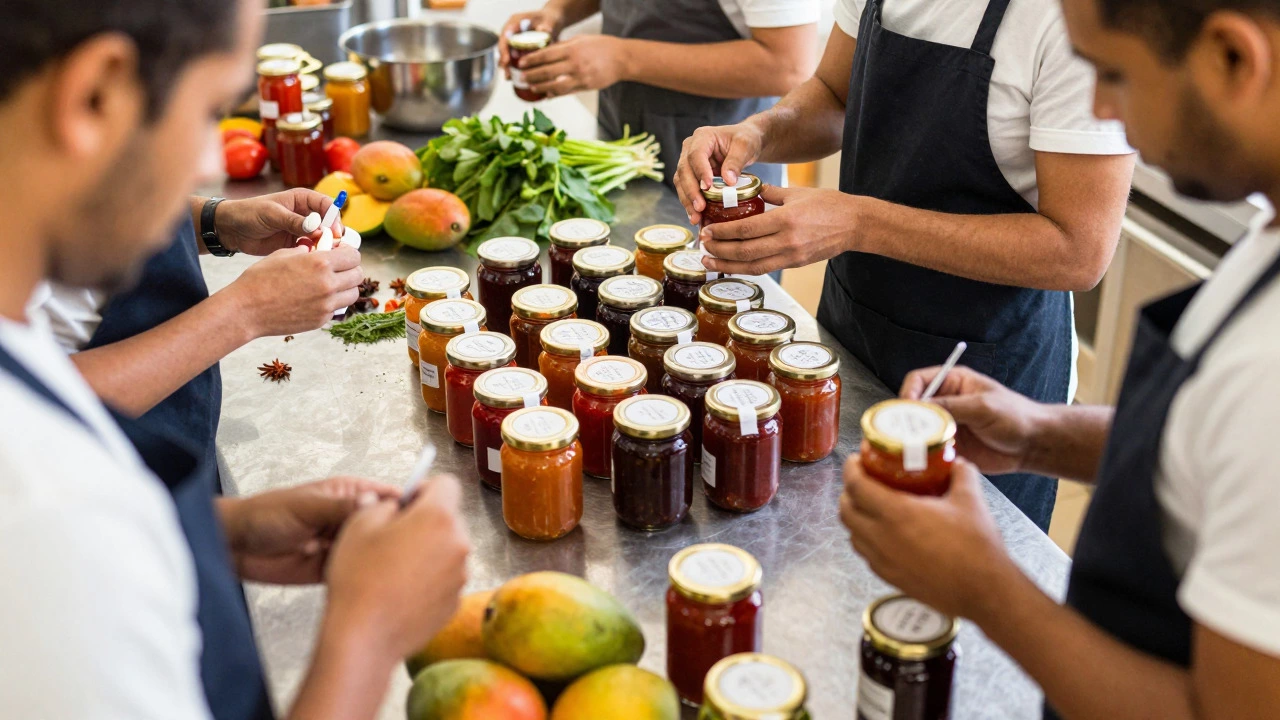
Imagine a workshop where a single craftsman builds custom furniture by hand, or a local kitchen producing organic jams in small batches. This isn't just nostalgia; it's the heartbeat of small scale production, which refers to manufacturing processes that utilize limited resources, labor, and capital to produce goods on a modest volume compared to large-scale industrial operations. In an era dominated by massive factories and global supply chains, you might wonder if this approach still matters. The answer is a resounding yes. From bespoke electronics to handmade textiles, small scale production offers agility, personalization, and resilience that big corporations often struggle to match.
The Core Definition and Scope
To understand what small scale production really means, we need to look beyond just the size of the factory floor. It is defined by its resource constraints and operational flexibility. Unlike mass production, which relies on economies of scale to drive down costs per unit, small scale production focuses on value addition through customization and quality control.
Key attributes include:
- Limited Capital Investment: Typically requires less than $1 million in initial setup costs, depending on the region and industry.
- Localized Labor Force: Often employs fewer than 50-100 workers, fostering close-knit teams and direct supervision.
- Flexible Output: Capable of switching product lines quickly based on market demand without retooling entire assembly lines.
- Community Integration: Sourced locally, reducing carbon footprint and supporting regional economies.
This model sits somewhere between pure artisanal craft and light industry. It uses machinery, but not necessarily automated robotics. Think of a small bakery using industrial mixers versus a multinational cereal giant using fully automated packaging plants. Both are production, but the scale dictates the strategy.
How It Differs from Mass Production
You can't define something clearly without contrasting it with its opposite. Let's compare small scale production against traditional mass production. The differences aren't just about numbers; they're about philosophy.
| Feature | Small Scale Production | Mass Production |
|---|---|---|
| Volume | Low to Medium (Hundreds to Thousands) | High (Millions+) |
| Customization | High (Made-to-order or batch-specific) | Low (Standardized products) |
| Setup Cost | Low to Moderate | Very High |
| Time to Market | Fast (Agile response) | Slow (Long lead times for changes) |
| Quality Control | Manual, detailed inspection | Automated, statistical sampling |
For example, if a customer wants a leather bag with a specific monogram, a small scale producer can adjust the process immediately. A mass producer would need to stop the line, reprogram machines, and potentially waste materials. This agility is the superpower of small scale operations.
Common Industries and Examples
Small scale production isn't limited to one sector. It thrives in industries where uniqueness, freshness, or specialized knowledge adds value. Here are some prominent examples:
- Food and Beverage: Artisanal cheese makers, craft breweries, and organic jam producers. These businesses rely on small batches to ensure flavor consistency and ingredient quality.
- Textiles and Apparel: Boutique clothing brands that print designs on demand or sew garments in small runs to reduce waste.
- Furniture and Woodwork: Custom cabinet makers who use CNC routers for precision but assemble and finish pieces by hand.
- Electronics: Prototype labs and repair shops that assemble circuit boards for niche applications or retrofits.
- Cosmetics: Natural soap makers and skincare formulators who blend ingredients in small vats to maintain potency.
In each case, the "small" aspect allows for a connection with the end-user that large factories cannot replicate. You aren't just buying a product; you're buying into a story and a standard of care.
Benefits of Going Small
Why choose this path? The advantages are compelling, especially in today's volatile economic climate.
Lower Barrier to Entry: You don't need millions in venture capital to start. Many small scale operations begin in garages, spare rooms, or shared workshops. This democratizes entrepreneurship.
Resilience to Supply Chain Shocks: When global shipping lanes clog up, small producers who source locally keep operating. They aren't as dependent on overseas components.
Higher Margins Through Premium Pricing: Customers are willing to pay more for handmade, customized, or ethically produced goods. While your volume is lower, your profit per unit can be significantly higher.
Environmental Sustainability: Smaller batches mean less waste. If a design fails, you haven't ruined thousands of units. Plus, local sourcing reduces transportation emissions.
Challenges and Pitfalls
It's not all smooth sailing. Small scale production comes with distinct hurdles that can trip up new entrepreneurs.
Lack of Economies of Scale: You pay more per unit for raw materials because you can't buy in bulk. A kilogram of steel costs more when you buy 10kg than when a car manufacturer buys 10 tons.
Operational Bottlenecks: If you are the only person who knows how to operate the key machine, your business stops when you get sick. Scaling up requires hiring and training, which introduces management complexity.
Marketing Burden: Big brands have huge ad budgets. As a small producer, you must rely on digital marketing, word-of-mouth, and community engagement to find customers. This takes time and skill.
Regulatory Compliance: Don't underestimate health, safety, and zoning laws. Even a home-based food business needs licenses and inspections. Ignoring these can shut you down overnight.
How to Start Your Own Small Scale Production Business
Ready to dive in? Here’s a practical roadmap to launch your operation.
- Identify a Niche: Don't try to make everything. Focus on a specific product where you can offer unique value. For instance, instead of "woodworking," try "handmade walnut cutting boards for chefs."
- Validate Demand: Before buying equipment, sell samples. Use social media, local markets, or pre-orders to see if people will actually buy your product at your target price.
- Start Lean: Buy used equipment. Rent shared workspace if possible. Keep fixed costs low so you can survive the first year without consistent revenue.
- Source Locally: Build relationships with local suppliers. They may offer better payment terms or flexibility than large distributors.
- Document Your Process: Create simple standard operating procedures (SOPs). This helps maintain quality and makes it easier to train helpers later.
- Build a Brand Story: People connect with stories. Share photos of your workspace, your challenges, and your passion. Transparency builds trust.
The Future of Small Scale Manufacturing
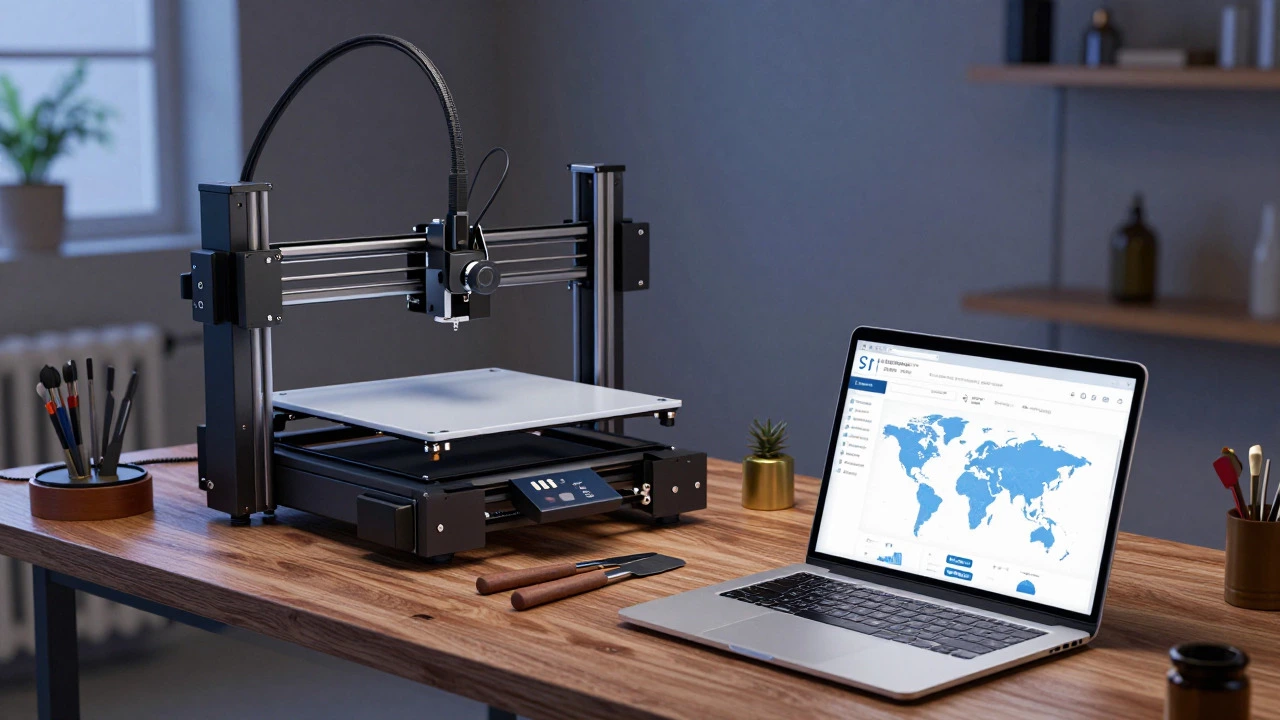
Technology is reshaping this landscape. Digital fabrication tools like 3D printers, laser cutters, and CNC machines are making it easier than ever to produce complex parts at home. This trend, often called "distributed manufacturing," allows small producers to compete on design innovation rather than just cost.
Additionally, e-commerce platforms and social media have leveled the playing field for marketing. You no longer need a retail store to reach customers globally. However, logistics remain a challenge. Partnering with reliable courier services and optimizing packaging are critical skills for modern small scale producers.
As consumers become more conscious of sustainability and ethical sourcing, the demand for transparent, small-batch goods will likely grow. Small scale production isn't just a viable option; it's becoming a preferred choice for many buyers.
What is the difference between small scale and cottage industry?
Cottage industry typically refers to work done entirely at home, often by family members, using very basic tools. Small scale production is a broader term that can include small workshops or factories with hired employees and more advanced machinery, though it still operates on a limited volume.
Is small scale production profitable?
Yes, but profitability depends on pricing strategy. Since you can't compete on low prices due to lack of economies of scale, you must charge premium prices for quality, customization, or brand value. Successful small producers focus on high-margin niches.
What are the best products for small scale manufacturing?
Products that benefit from personalization, have high perceived value, or require specialized craftsmanship are ideal. Examples include custom jewelry, artisanal foods, handmade furniture, niche electronics accessories, and personalized apparel.
Do I need a license for small scale production at home?
In most jurisdictions, yes. Even home-based businesses usually require a general business license. Additionally, specific industries like food, cosmetics, or children's toys have strict health and safety regulations that mandate inspections and certifications regardless of scale.
How does technology help small scale producers?
Digital tools like 3D printing, laser cutting, and computer-aided design (CAD) allow small producers to create complex prototypes and final products with precision previously only available to large factories. E-commerce platforms also help them reach global markets without physical stores.