Car Colour Legality & Safety Checker
Visual Preview
Analysis Report
Practicality Score:
- Safety (Visibility): -
- Heat Management: -
- Dust/Maintenance: -
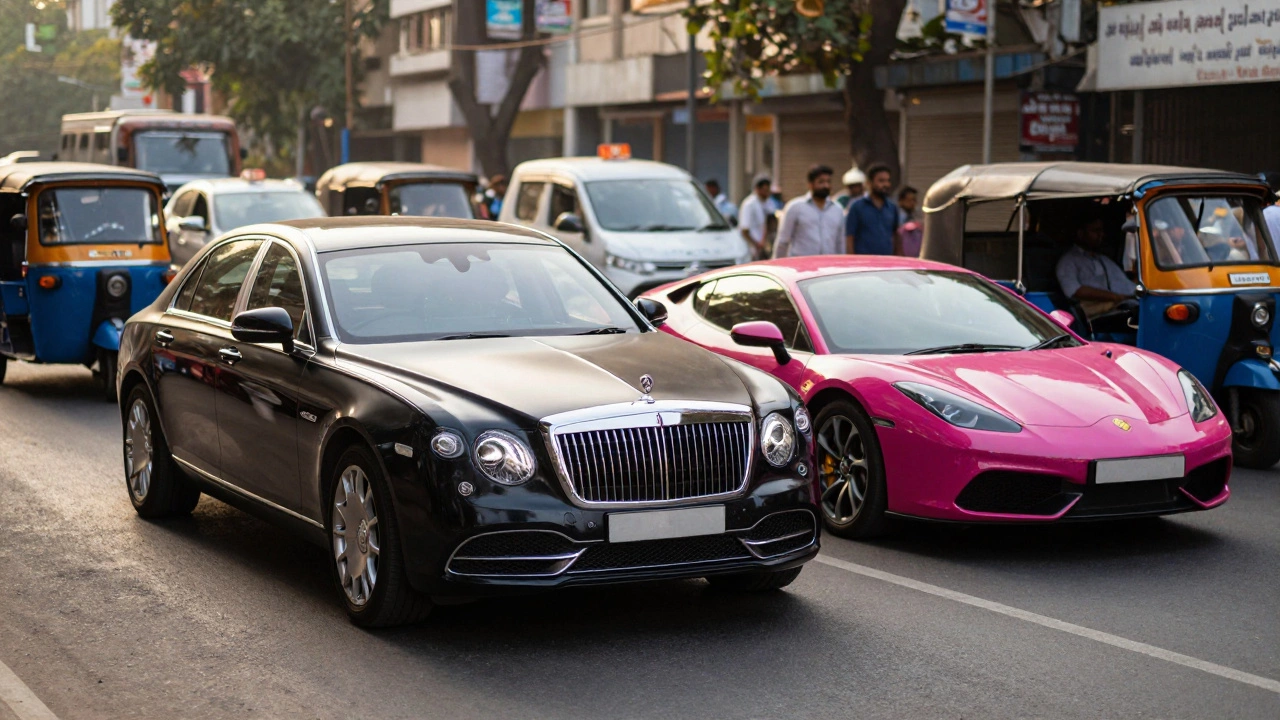
Have you ever walked down a busy street in Mumbai or Delhi and wondered if that bright pink sports car is actually legal? There is a persistent myth floating around social media and WhatsApp groups claiming that certain car colours are strictly banned in India. People often whisper about black cars being illegal for civilians or claim that specific shades of white are reserved only for the military.
The short answer is: no, there is no universal ban on any specific car colour in India. You can paint your car whatever shade you like. However, the reality is slightly more complex than just picking a paint chip at a dealership. While the Motor Vehicles Act does not list prohibited hues, there are strict regulations regarding how those colours look under light and what messages they send to other road users.
The Myth of the "Banned" Colours
Let's clear up the biggest misconception first. Many people believe that owning a black car is illegal for private citizens in India. This idea likely stems from old associations with official government vehicles or hearsay about luxury restrictions. In truth, black is one of the most popular car colours in India. Brands like Mercedes-Benz, BMW, and even Maruti Suzuki sell thousands of black units every month. As long as the car is registered correctly, a matte black finish is perfectly legal.
Another common rumor involves the colour white. Some believe that pure white is restricted because it resembles ambulance or police livery. Again, this is false. White is arguably the best-selling car colour in India due to its ability to reflect heat and keep the cabin cooler. From the humble Maruti Alto to the premium Toyota Fortuner, white dominates our roads. The confusion usually arises from the *pattern* of markings rather than the base colour itself.
What Is Actually Prohibited? Reflectivity and Mirrors
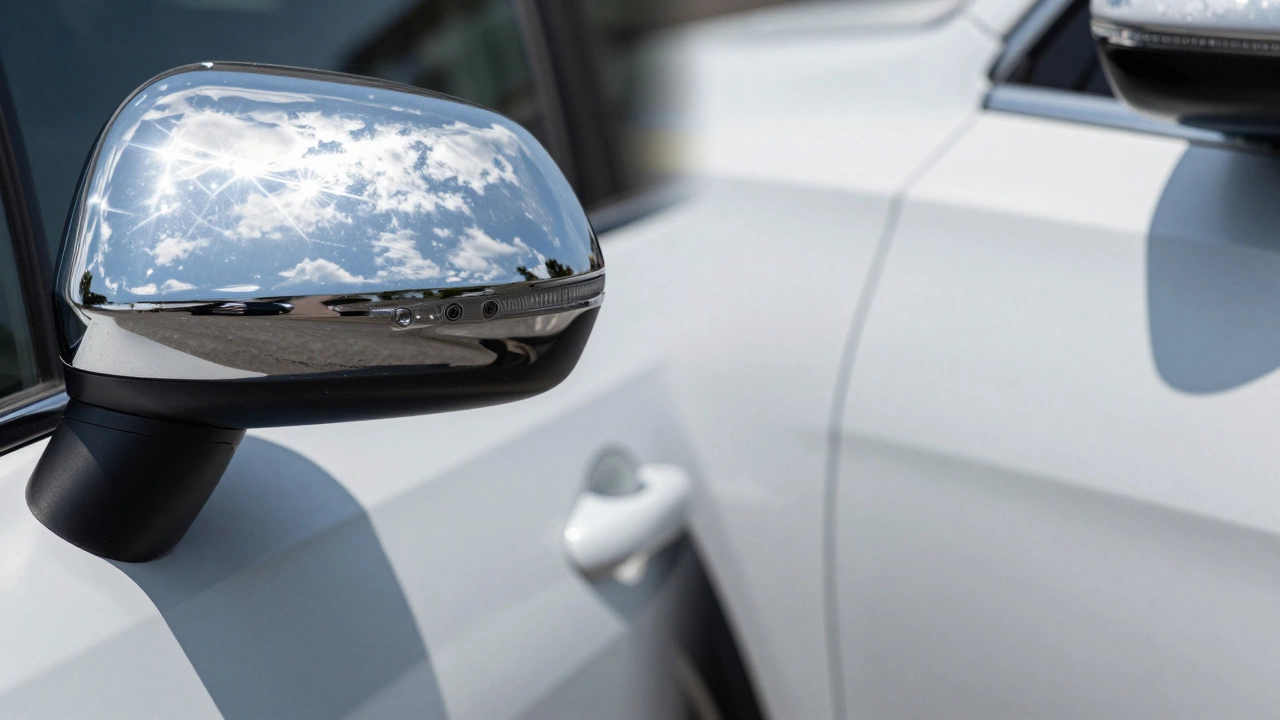
If you cannot buy a "banned" colour, what exactly are you not allowed to do? The real issue isn't the pigment; it's the finish. Indian traffic laws, specifically under the Central Motor Vehicles Rules (CMVR), prohibit the use of highly reflective materials on the body of the vehicle that could dazzle other drivers.
- Mirrored Finishes: You cannot wrap your car in chrome or mirror-like vinyl that reflects sunlight directly into the eyes of oncoming traffic. This is considered a safety hazard.
- Excessive Glare: Even if the paint isn't mirrored, if the gloss level creates dangerous glare during sunrise or sunset, traffic police can cite you for unsafe modifications.
- Obscured Visibility: The colour must not make the vehicle invisible or hard to see. For example, painting a large SUV in a camouflage pattern that blends entirely into rural backgrounds might be flagged by authorities for safety reasons, though this is rare.
The goal here is visibility. A car needs to be seen. If your modification makes your car look like a flying saucer or a moving mirror, you will have trouble getting your Registration Certificate (RC) updated.
Colours Reserved for Official Use
While you can own any colour, you cannot *mimic* official vehicles. This is where the concept of "banned" gets tricky. It’s not that the colour is banned for ownership; it’s that using it in a way that impersonates authority is a criminal offense.
| Vehicle Type | Standard Colour Scheme | Legal Restriction |
|---|---|---|
| Police Vehicles | White with Blue Stripes / All Black (Force) | Civilians cannot use blue striping patterns associated with police. |
| Ambulances | White with Red Cross / Green Text | Civilians cannot use red crosses or specific emergency lighting combinations. |
| Fire Brigade | Red | Private red cars are fine, but adding sirens or flashing lights is illegal. |
| Government Officials | Black (often with specific license plates) | Private black cars are legal; impersonating VIP plate formats is not. |
If you paint your white sedan with blue stripes and add a siren, you aren't breaking a "colour law." You are breaking laws against impersonating public servants. That is a serious offense with heavy fines and potential jail time. So, while the colour white is free for everyone, the *context* of how it's used matters immensely.
Changing Your Car Colour: The Legal Process
So, you’ve decided to repaint your grey hatchback in a vibrant orange. Can you just go to a garage and come back driving an orange car? Technically, yes, but legally, no. Under Indian law, you must inform the Regional Transport Office (RTO) within 14 days of changing the colour of your vehicle.
Here is why this step is crucial. Your Registration Certificate (RC) lists the original colour of the car. If you change it without updating the RC, and you get into an accident or are stopped for a routine check, you face penalties for "unauthorized modification." In worst-case scenarios, insurance companies may deny claims if the vehicle description doesn't match the policy documents.
- Repaint the Vehicle: Get the job done at a reputable workshop. Ensure the quality is high to avoid peeling issues later.
- Gather Documents: You’ll need your original RC, a copy of the insurance policy, the Pollution Under Control (PUC) certificate, and Form 24 (Application for alteration in particulars).
- Pay the Fee: There is a nominal fee for colour change notification, which varies by state but is generally low (around ₹50-₹100).
- Submit to RTO: Visit your local RTO office. They will inspect the car to verify the new colour and update the digital records.
- Receive Updated RC: Once processed, you will receive a new smart card RC reflecting the new colour.
This process ensures that if your car is stolen, the police report matches the physical appearance of the vehicle on the road. It’s a simple administrative step that saves you from major headaches later.
Safety and Practicality: Choosing the Right Shade
Beyond legality, there are practical reasons to choose certain colours over others in the Indian context. The climate, dust levels, and road conditions play a huge role in how well a car colour performs.
Visibility and Safety: Studies globally show that lighter colours like white, silver, and yellow are involved in fewer accidents than darker colours like black, blue, or green. This is especially true at night or in poor weather conditions. In India, where street lighting is inconsistent in many areas, a white car is significantly easier to spot than a black one. If safety is your priority, stick to light tones.
Heat Management: India is hot. Dark colours absorb more sunlight, making the metal body hotter and increasing the load on your air conditioning system. Light colours reflect heat. If you live in cities like Chennai, Ahmedabad, or Delhi, a white or silver car will feel noticeably cooler when you open the door after parking in the sun. This isn't just comfort; it also helps preserve the interior plastics and dashboard from warping due to excessive heat.
Dust and Maintenance: India is dusty. Grey and silver are often called the "lazy man's colours" because they hide dust better than white or black. White shows dirt and mud splashes clearly, requiring frequent washing. Black shows swirl marks and water spots instantly. If you don’t want to wash your car every weekend, silver or metallic grey is your best friend.

Custom Wraps and Vinyls: A Growing Trend
In recent years, vinyl wrapping has become incredibly popular among Indian car enthusiasts. Instead of repainting, owners apply coloured films to their cars. This allows for easy changes and protects the original paint. However, the same rules apply. If you wrap your car in a custom colour, you must still notify the RTO.
Be cautious with "chrome" or "mirror" wraps. While they look stunning at car meets, they are frequently targeted by traffic police for causing glare. Stick to matte, satin, or glossy finishes that do not reflect light aggressively. Also, ensure the wrap is professionally applied. Poorly applied vinyl can peel off on highways, creating litter and hazards for other vehicles, which is a violation of environmental and traffic cleanliness norms.
Conclusion: Freedom with Responsibility
To summarize, there is no such thing as a banned car colour in India for private owners. You are free to drive a pink, purple, gold, or neon green car if you wish. The restrictions lie in *how* the colour is applied-avoiding mirrors, avoiding impersonation of official vehicles, and ensuring the vehicle remains visible and safe. Always remember to update your RC after any change. By following these simple steps, you can express your personality through your car without running afoul of the law.
Is it illegal to own a black car in India?
No, it is completely legal for private citizens to own and drive black cars in India. The myth that black is banned for civilians is false. Black is a standard factory colour offered by all major manufacturers and is widely used.
Do I need to inform the RTO if I change my car's colour?
Yes, you must inform the Regional Transport Office (RTO) within 14 days of changing your car's colour. Failure to do so can result in fines and issues with insurance claims or vehicle theft reports.
Are mirrored or chrome car wraps legal in India?
Highly reflective mirrored or chrome wraps are generally discouraged and can be deemed illegal if they cause glare to other drivers. Traffic police may penalize vehicles with finishes that dazzle oncoming traffic, citing safety violations under the Central Motor Vehicles Rules.
Can I paint my car any colour I want?
You can paint your car any colour you want, provided it does not mimic official emergency vehicle markings (like police stripes or ambulance crosses) and does not use dangerously reflective materials. You must also update your RC book.
Which car colour is safest in India?
Lighter colours like white, silver, and yellow are considered the safest because they offer higher visibility, especially at night and in poor weather conditions. White is particularly popular in India for its heat reflection properties.