Manufacturing Leadership Explorer
Click on a role below to understand its specific focus, key metrics, and place in the hierarchy.
Primary Focus
Long-term strategy & growth
Role Description
At the very top sits the Chief Executive Officer (CEO). In large multinational firms like General Electric or Siemens, this role is about global strategy. But in mid-sized manufacturers, the CEO often wears many hats. They decide whether to invest in new automation tech, which markets to enter, and how to handle supply chain disruptions.
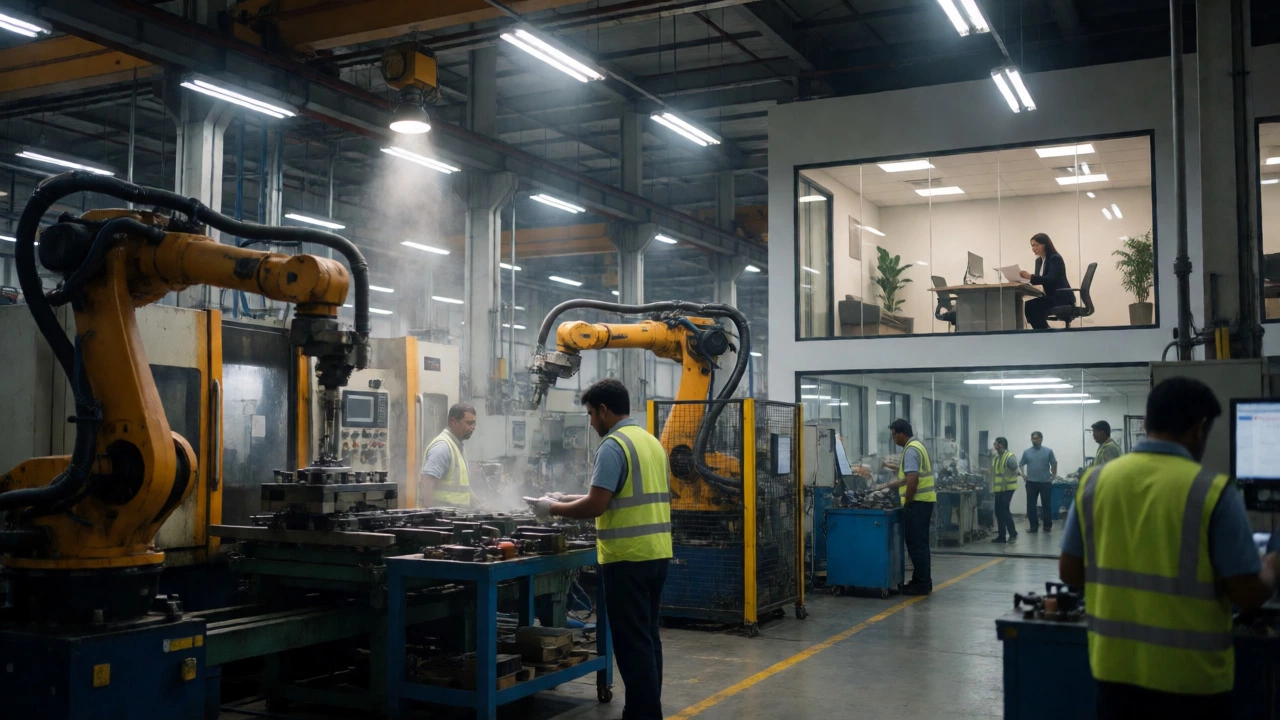
You walk onto the factory floor. The noise is deafening. Conveyor belts hum, robotic arms swing with precise rhythm, and workers in high-vis vests move with practiced efficiency. You look around for the person in charge. Is it the guy shouting into a radio near the assembly line? Is it the woman in the suit reviewing spreadsheets in the glass-walled office overlooking the production area? Or is it someone you haven't even met yet?
The answer isn't simple because modern manufacturing companies are complex ecosystems. They aren't run by a single "boss" in the traditional sense. Instead, they are driven by a layered hierarchy of specialists, each owning a specific slice of the operational pie. Understanding who runs what helps you grasp why some factories thrive while others stall.
The Executive Layer: Setting the Vision
At the very top sits the Chief Executive Officer (CEO). In large multinational firms like General Electric or Siemens, this role is about global strategy. But in mid-sized manufacturers, the CEO often wears many hats. They decide whether to invest in new automation tech, which markets to enter, and how to handle supply chain disruptions.
Directly below the CEO is the Chief Operating Officer (COO). This is arguably the most critical figure for day-to-day survival. While the CEO looks outward at competitors and investors, the COO looks inward at bottlenecks and throughput. If your factory misses a delivery deadline, the COO is the one explaining why to the board. They bridge the gap between sales promises and physical reality.
Don't overlook the Chief Financial Officer (CFO). In manufacturing, cash flow is king. A CFO doesn't just count money; they analyze the cost per unit produced. They determine if buying a new $500,000 CNC machine will pay off in three years or five. Their decisions directly impact whether the company can afford raw materials during price spikes.
The Operational Core: Where the Rubber Meets the Road
If executives set the destination, the Operations Director drives the car. This role varies significantly by industry size. In a small workshop, the owner might be the Operations Director. In a massive automotive plant, this person manages hundreds of employees across multiple shifts.
Their primary job is resource allocation. They ensure that when Machine A goes down for maintenance, there’s enough labor and material ready to keep Line B running. They live in a constant state of triage. One hour they’re dealing with a supplier shortage of steel; the next, they’re negotiating overtime rates with union reps. It’s a high-pressure role requiring deep technical knowledge and people skills.
Reporting to the Operations Director is the Plant Manager. This is the face of the factory floor. Unlike corporate execs, Plant Managers spend 80% of their time on-site. They know every supervisor by name. They spot safety hazards before accidents happen. When a batch fails quality control, the Plant Manager investigates immediately. They translate executive goals into actionable tasks for shift leaders.
The Technical Backbone: Engineering and Quality
You can’t manufacture without expertise. Enter the Engineering Manager. This team designs the products and the processes used to make them. They work closely with R&D to turn prototypes into mass-producible items. If a design change reduces waste by 5%, that’s an engineering win worth millions annually.
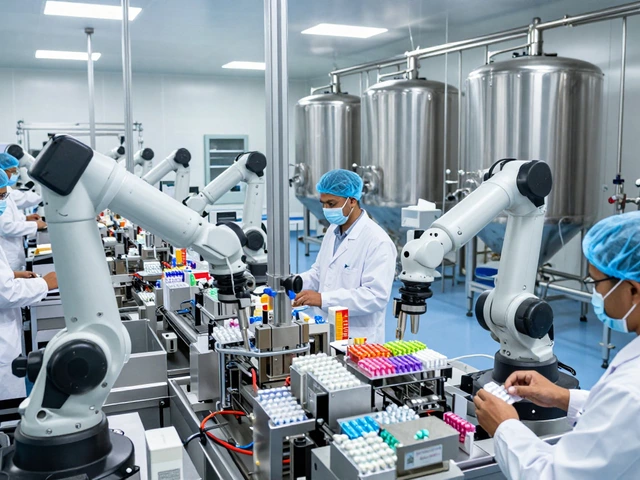
Closely tied to engineering is the Quality Assurance (QA) Manager. In regulated industries like pharmaceuticals or aerospace, QA isn’t optional-it’s legal requirement. They enforce standards like ISO 9001. They have the authority to stop the entire production line if a defect trend emerges. Many CEOs fear the QA Manager more than any other employee because a recall costs far more than a halted line.
| Role | Primary Focus | Key Metric |
|---|---|---|
| CEO | Long-term strategy & growth | Market Share / Profit Margin |
| COO | Efficiency & workflow | Overall Equipment Effectiveness (OEE) |
| Plant Manager | Site execution & safety | Units Produced / Safety Incidents |
| QA Manager | Compliance & product integrity | Defect Rate / Customer Returns |
The Supply Chain Guardians
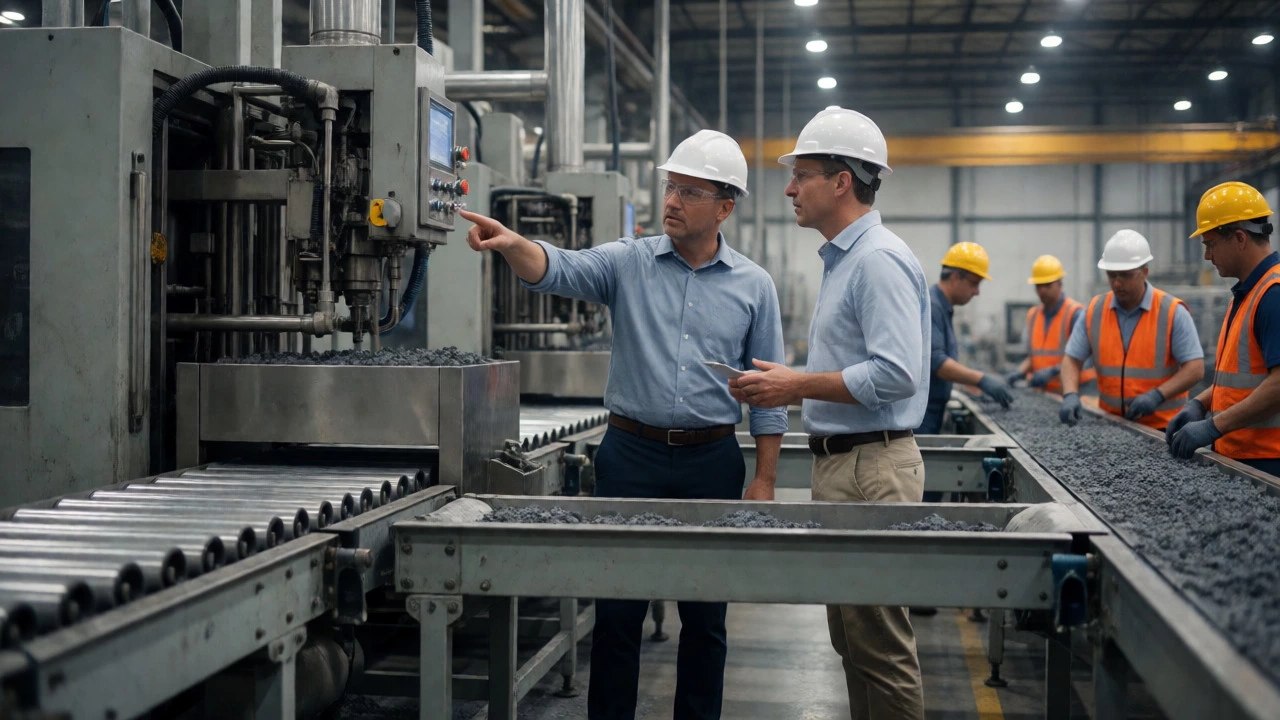
A factory is only as good as its inputs. The Supply Chain Director ensures materials arrive on time and at the right price. Post-pandemic, this role has exploded in importance. They manage relationships with dozens of vendors globally. If a ship gets stuck in the Suez Canal, the Supply Chain Director scrambles to find alternative sources.
Working alongside them is the Procurement Manager. They negotiate contracts for everything from raw aluminum to office supplies. Their goal is cost reduction without sacrificing quality. A skilled Procurement Manager can save a mid-sized manufacturer 10-15% on annual spend through strategic sourcing.
Human Capital: Keeping the Lights On
Machines don’t fix themselves. People do. The Human Resources (HR) Director handles recruitment, training, and compliance. In manufacturing, turnover can be brutal. HR works to retain skilled machinists and technicians through better benefits and career paths. They also handle the complex web of labor laws and union agreements that vary by region.
Then there’s the Maintenance Manager. Often underappreciated, this person keeps the expensive equipment running. Preventive maintenance schedules are their bible. If they fail, downtime skyrockets. Modern manufacturers are shifting this role toward predictive analytics, using IoT sensors to predict failures before they occur.
How Ownership Structure Changes Who’s in Charge
Not all manufacturing companies have the same leadership structure. It depends heavily on ownership.
- Family-Owned: The owner is often the CEO and Plant Manager combined. Decisions are fast but can lack data-driven rigor. Succession planning is a major stress point.
- Publicly Traded: Leadership is accountable to shareholders. Quarterly earnings reports drive short-term decisions. Executives rotate frequently.
- Private Equity Owned: A Board of Directors appoints the CEO. The focus is often on rapid growth or cost-cutting to prepare for resale within 3-7 years.
- Cooperatives: Common in agriculture-related manufacturing. Workers own shares. Leadership is elected and must balance profitability with worker welfare.
The Rise of Data-Driven Leaders
Gone are the days when gut feeling ruled the shop floor. Today’s leaders rely on data. The Chief Technology Officer (CTO) or IT Director is becoming a core member of the executive team. They oversee the implementation of ERP systems like SAP or Oracle, which integrate finance, inventory, and production data.
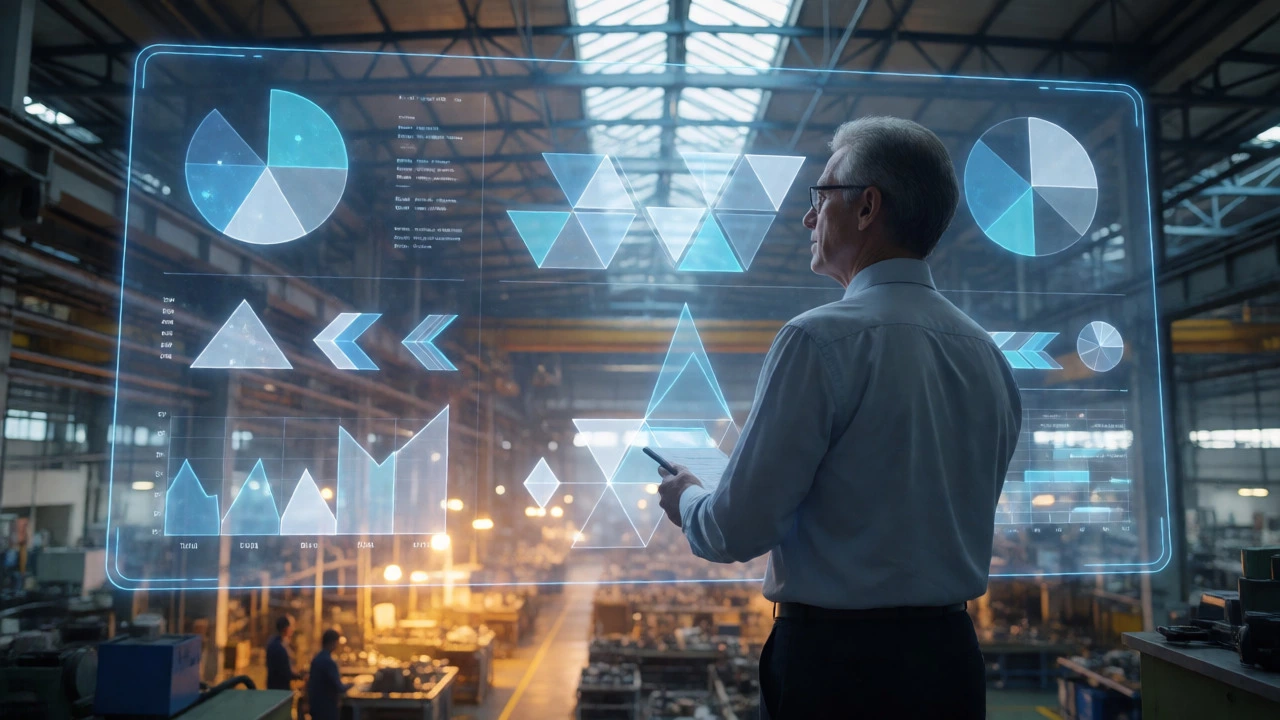
Why does this matter? Because visibility equals control. When the CEO can see real-time production stats on a tablet, they can react instantly to market changes. The leader who ignores digital transformation risks being outcompeted by leaner, smarter rivals.
What This Means for You
If you’re looking to start a manufacturing business, you don’t need to hire all these roles on day one. As a founder, you’ll likely play several parts simultaneously. You’ll be the CEO, Sales Head, and Plant Manager until revenue supports specialization.
But as you grow, knowing who needs to be hired next is crucial. Start with Operations. You need someone to deliver what you sell. Then bring in Finance to protect your margins. Finally, add specialized roles like QA and Supply Chain as complexity increases.
Understanding this hierarchy helps you communicate effectively. Don’t email the CEO about a broken conveyor belt. Talk to the Plant Manager. Want to discuss expansion plans? That’s a COO conversation. Respecting these lanes saves time and prevents frustration.
Who has the final say in a manufacturing company?
The Chief Executive Officer (CEO) typically has the final say on major strategic decisions. However, operational decisions often fall to the Chief Operating Officer (COO) or Plant Manager. In family-owned businesses, the owner retains ultimate authority regardless of title.
Is the Plant Manager higher than the Operations Director?
No, the Operations Director usually oversees multiple plants or the entire operational function of the company, making them senior to individual Plant Managers. The Plant Manager reports to the Operations Director in larger organizations.
What is the most important role in a factory?
While subjective, the Plant Manager is often considered the most critical for daily success. They ensure safety, quality, and output targets are met. Without effective plant management, even the best strategies fail on the floor.
Do small manufacturers have a COO?
Rarely. In small-scale manufacturing, the owner or General Manager performs COO duties. Specialized executive roles like COO and CFO typically emerge once a company exceeds 50-100 employees or reaches significant revenue thresholds.
How does government regulation affect who runs manufacturing?
Strict regulations require dedicated roles like Quality Assurance Managers and Compliance Officers. These individuals hold veto power over production stops, giving them significant influence despite not being top-tier executives.