Furniture Business Profit Calculator
Calculate Your Potential Profit
Based on Indian market data. Inputs in INR.
Profit Analysis
Gross Profit:
Margin:
Based on your inputs:
Key Insights from Article: Small businesses with 30-50% margins thrive by selling custom or export-grade furniture online. Mass-market retailers struggle unless selling at volume.
Starting a furniture business in India isn’t just about building tables and chairs-it’s about tapping into a $100 billion market that’s growing at 12% every year. By 2026, India is expected to become the third-largest furniture producer in the world, behind only China and the United States. The real question isn’t whether it’s profitable-it’s how profitable it can be, and who’s actually making money in this space.
Why the Indian Furniture Market Is Booming
India’s urban population is expanding fast. Over 350 million people now live in cities, and most of them are buying their first homes. These buyers aren’t looking for imported European designs-they want affordable, locally made furniture that fits small apartments and fits their budget. That’s where Indian manufacturers come in.
Government policies like Make in India and the Production Linked Incentive (PLI) scheme have pushed local production. Factories in states like Uttar Pradesh, Punjab, and Tamil Nadu are now producing more than 80% of the furniture sold domestically. Even more important: Indian-made furniture is now being exported to over 120 countries, with the U.S., U.K., and Germany leading the list. In 2024 alone, India exported $3.8 billion worth of furniture-up 22% from the year before.
Profit Margins: What You Can Actually Earn
Not all furniture businesses make the same money. Profit margins vary wildly depending on what you make and how you sell it.
For small-scale manufacturers selling directly to customers through local showrooms or online marketplaces like Amazon India or Flipkart, margins typically range from 25% to 40%. That means if you sell a wooden dining set for ₹25,000, you might keep ₹6,000 to ₹10,000 after materials, labor, and overhead.
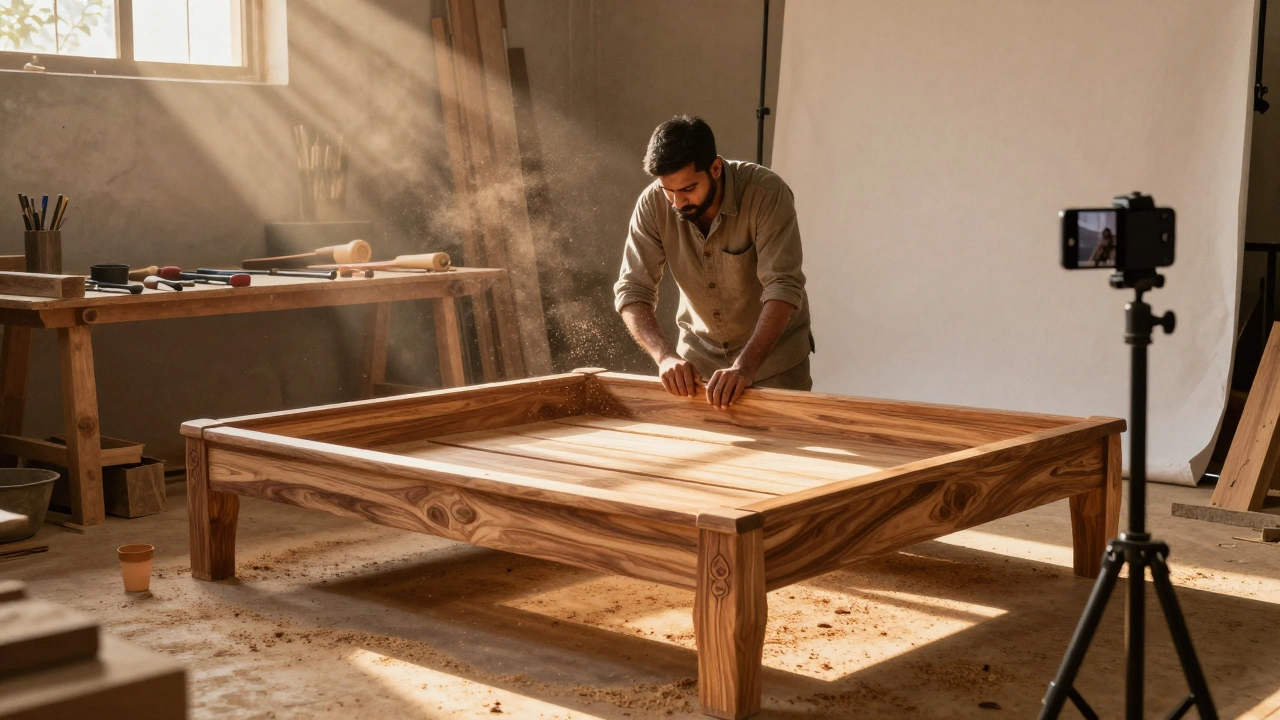
High-end custom furniture makers-those crafting solid teak or sheesham pieces with hand-carved details-can hit 50% to 70% margins. These are often sold through boutique showrooms or Instagram stores targeting upper-middle-class buyers in metro cities. One maker in Jaipur told me he sells a single hand-carved bed for ₹1.2 lakh and makes ₹75,000 profit on it.
But here’s the catch: mass-market furniture sold through big retail chains like IKEA India or local chains like Durian or Urban Ladder has razor-thin margins-sometimes as low as 10% to 15%. These companies compete on volume, not profit per unit. They make up for it by selling thousands of units a month.
Cost Breakdown: What’s Eating Your Profits
Let’s say you’re starting a small workshop making 50 units a month. Here’s what your costs look like:
- Wood (sheesham, teak, plywood): ₹1.5 lakh per month
- Labor (3 skilled carpenters + 2 helpers): ₹80,000
- Tools and maintenance: ₹15,000
- Transport and packaging: ₹20,000
- Marketing (online ads, Instagram, Google): ₹25,000
- Overhead (rent, electricity, water): ₹15,000
Total monthly cost: ₹3.05 lakh
If you sell each unit for ₹8,000, you need to sell at least 39 units just to break even. That’s doable-but only if your quality is consistent and your customers keep coming back. Most new businesses fail because they underestimate how much time and money goes into customer acquisition and retention.
Where the Real Money Is: Online Sales and Exports
The biggest shift in the last five years? The move from physical showrooms to online sales. Today, over 40% of furniture sales in India happen online. And the most profitable segment? Custom-made, high-margin pieces sold directly to customers via Instagram, WhatsApp, or Shopify stores.
One entrepreneur in Ludhiana started with a ₹5 lakh investment. He used Facebook ads to target people in Delhi and Bangalore who were searching for “solid wood bed frames.” He didn’t even have a showroom-just a small workshop and a team of three carpenters. Within 18 months, he was doing ₹1.2 crore in annual sales with a 45% net profit margin.
Exports are even more lucrative. A single shipping container of Indian-made wooden furniture can sell for $25,000 to $40,000 overseas. After paying for shipping, customs, and packaging, you still clear $8,000 to $15,000 profit per container. The problem? Getting certified for international standards (like FSC or CE) takes time and money. But once you’re certified, repeat buyers are common.
Biggest Mistakes That Kill Profits
Most new furniture businesses fail within two years-not because of bad products, but because of bad planning.
- Buying cheap wood that warps or cracks after six months-ruins your reputation
- Not investing in photography or video-customers won’t buy what they can’t see clearly
- Trying to compete with big brands on price instead of quality or design
- Ignoring after-sales service-word-of-mouth is everything in this industry
- Skipping digital marketing-no one finds you if you’re not on Instagram or Google Maps
One manufacturer in Moradabad lost ₹8 lakh in a single year because he trusted a buyer who didn’t pay. He didn’t use contracts. He didn’t ask for deposits. That’s not uncommon. Always get at least 30% upfront, even for local customers.
Who’s Winning Right Now?
The winners in 2025 aren’t the biggest factories. They’re the nimble ones:
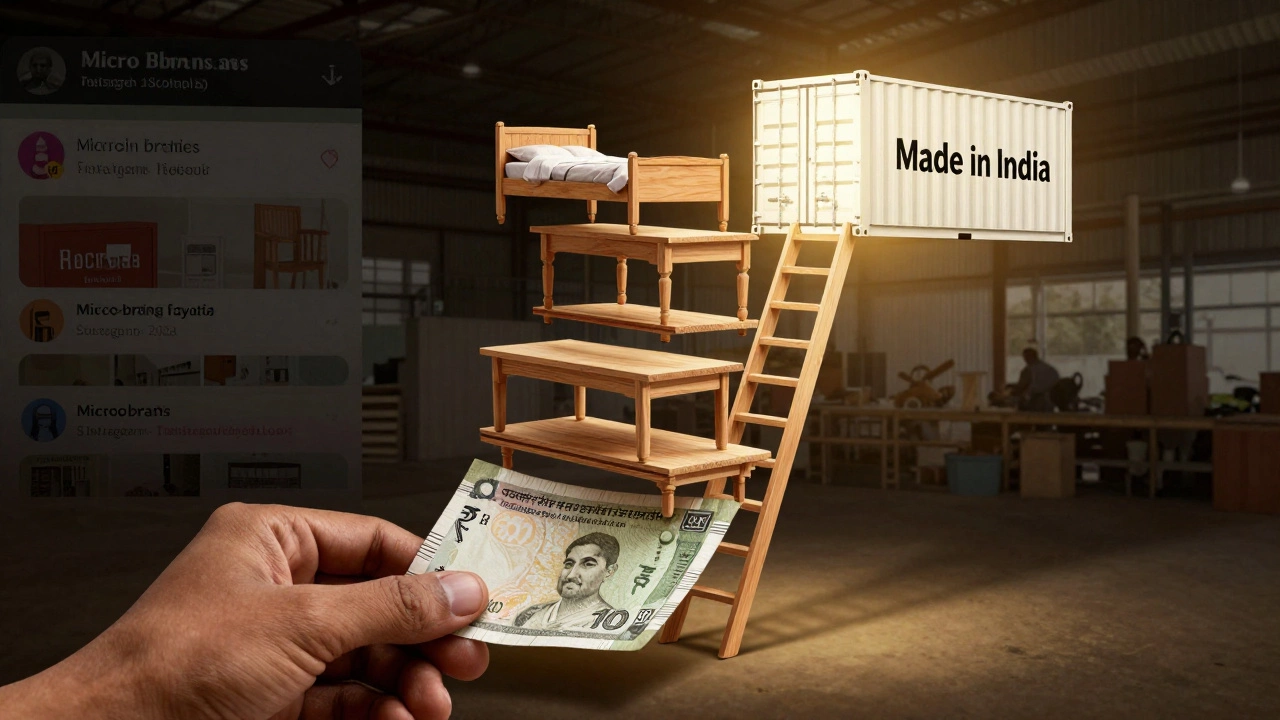
- Micro-brands on Instagram selling modular furniture for small homes
- Export-focused workshops in Kerala and Rajasthan that specialize in eco-friendly, FSC-certified wood
- Hybrid sellers who make furniture in-house and sell through Amazon, Meesho, and their own website
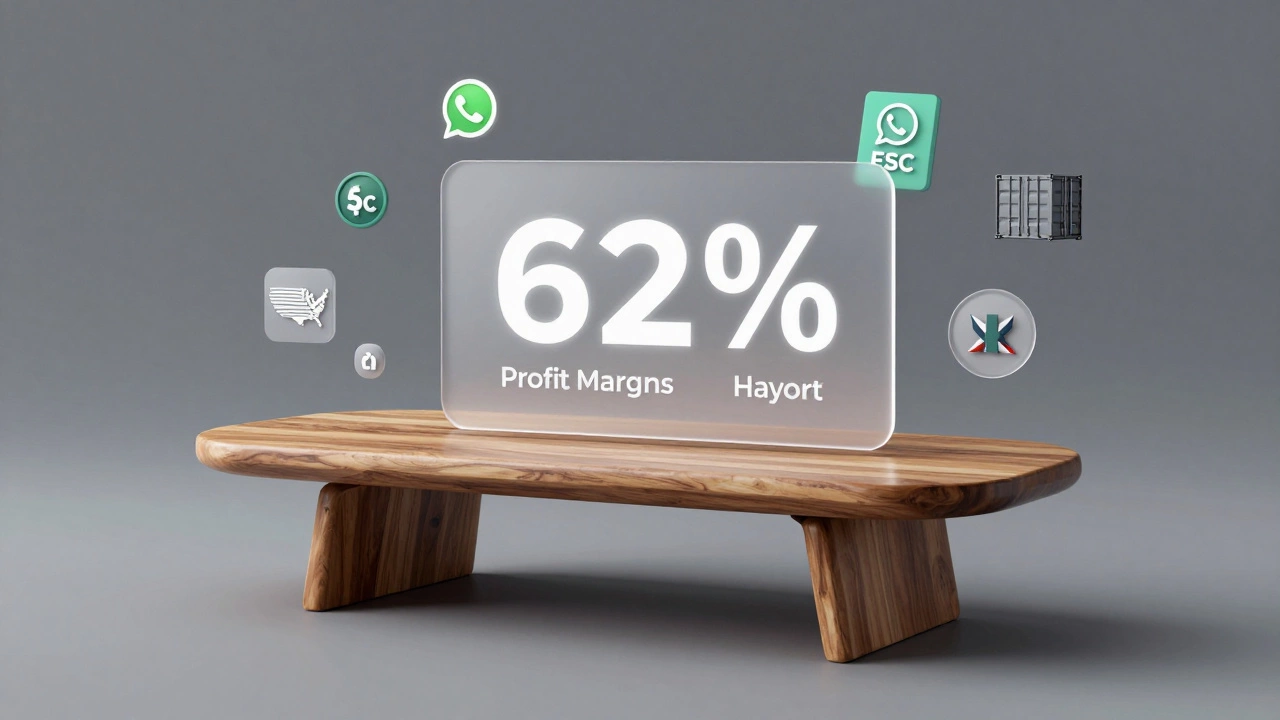
One company in Coimbatore makes only 12 unique designs per year. Each one is numbered, signed by the maker, and comes with a lifetime repair guarantee. They don’t do discounts. They don’t do sales. They sell out every time they launch. Their profit margin? 62%.
How to Start With Less Than ₹10 Lakh
You don’t need a huge factory to get started. Here’s a realistic path:
- Start with one product: a simple wooden coffee table or bookshelf
- Use local wood suppliers-avoid importing unless you’re exporting
- Hire one skilled carpenter and train them in quality control
- Take professional photos with your phone and post them on Instagram
- Use WhatsApp to take orders and collect deposits
- Reinvest every rupee into better tools or better marketing
One guy in Surat started with ₹7 lakh. He bought a used CNC machine secondhand, rented a 500 sq. ft. space, and focused only on modern console tables. Within 10 months, he was making ₹4 lakh profit per month.
Final Reality Check
Yes, the furniture business in India is profitable. But it’s not easy money. It’s hard work, long hours, and constant learning. The people who succeed are the ones who treat it like a craft, not a quick flip. They care about wood grain, joinery, finish, and customer trust. They don’t chase trends-they build brands.
If you’re willing to put in the work, focus on quality, and sell smartly-your profit margins can be among the highest in small-scale manufacturing. But if you’re looking for a passive income stream? Look elsewhere. This business rewards patience, precision, and persistence.
Is the furniture business in India profitable for small businesses?
Yes, but only if you focus on quality, niche markets, and direct sales. Small manufacturers with margins of 30-50% are thriving by selling custom or export-grade furniture online. Mass-market retailers with low margins struggle unless they sell huge volumes.
How much money do I need to start a furniture business in India?
You can start with as little as ₹5-10 lakh if you focus on one product line, work from a small workshop, and sell directly online. This covers basic tools, raw materials, and initial marketing. Bigger setups with showrooms or CNC machines need ₹20-50 lakh.
What type of furniture sells best in India right now?
Modular furniture for small homes, solid wood beds and dining sets, and eco-friendly, FSC-certified pieces are in high demand. Online buyers prefer minimalist, space-saving designs. In rural areas, traditional carved wood furniture still sells well.
Can I export furniture from India and make good profits?
Absolutely. Indian furniture exports hit $3.8 billion in 2024. Profit margins per container can be $8,000-$15,000 after costs. The key is certification-FSC, CE, or ISO standards-and building relationships with overseas buyers through trade fairs or Alibaba.
What are the biggest risks in this business?
Low-quality materials that lead to returns, lack of online visibility, poor cash flow management, and not getting deposits upfront. Many small makers lose money because they don’t use contracts or follow up on payments. Also, changing wood prices due to environmental regulations can hurt margins if you’re not locked into supplier agreements.