Food Truck Profitability & COGS Calculator
Financial Breakdown
Enter your menu data to see the profitability analysis.
Quick Wins for Food Truck Profitability
- High Margin, Low Cost: Focus on items like potatoes or dough-based foods.
- Speed of Service: The more tickets you clear per hour, the higher your ceiling.
- Niche Appeal: Specialized menus (like gourmet grilled cheese) often allow for premium pricing.
- Low Waste: Menus with overlapping ingredients reduce spoilage costs.
The Heavy Hitters: Most Profitable Concepts
When we talk about profitable food truck ideas, we have to look at the relationship between cost of goods sold (COGS) and the final price. The most successful trucks usually fall into one of three categories: high-margin staples, trendy specialties, or high-volume comfort foods.
Tacos and Mexican Street Food is a global favorite that relies on low-cost base ingredients like corn masa and beans, allowing for massive profit margins. Because the ingredients are cheap and the prep is fast, a taco truck can process a huge volume of customers during a lunch rush. For example, a single corn tortilla and a bit of cilantro cost cents, but a gourmet carnitas taco can easily sell for $4 or $5.
Then you have the Gourmet Burgers. While beef is more expensive than beans, burgers allow for "add-on" pricing. Adding avocado, a fried egg, or premium bacon can push a $8 burger to $15 without significantly increasing the labor time. The key here is the grill capacity-how many patties can you flip at once?
Don't sleep on the Fusion Concepts, such as Korean BBQ Tacos or Indian-inspired Sliders. These are high-margin because they offer a "unique experience." People pay a premium for novelty. When you move from "standard food" to "culinary experience," you can often charge 20-30% more than a traditional truck.
The Math Behind the Menu: Why Some Foods Win
To understand why some trucks make more money, you have to look at the Cost of Goods Sold (COGS). In a healthy food truck business, your food cost should ideally sit between 25% and 35% of your retail price. If you're spending 50% of your revenue on ingredients, you're running a charity, not a business.
| Food Concept | Ingredient Cost | Prep Time | Profit Margin | Volume Potential |
|---|---|---|---|---|
| Tacos/Burritos | Very Low | Fast | High | Very High |
| Gourmet Burgers | Medium | Medium | Medium-High | High |
| Pizza/Flatbreads | Low | Slow (Baking) | Very High | Medium |
| Desserts/Waffles | Low | Medium | High | Medium |
Notice that Pizza has some of the highest margins in the industry. Flour, water, and yeast are incredibly cheap. The cost is mainly in the equipment (the oven) and the energy to heat it. Once that oven is hot, the cost to produce one more slice is negligible.
The Impact of Food Processing Units
Your choice of equipment-your Food Processing Unit-determines your speed. If you have a manual chopping process, you're losing money every second a customer waits. High-earning trucks invest in commercial-grade processors and rapid-cook technology.
Take a look at a high-end fry station. A truck that uses a Pressure Fryer can cook chicken in half the time of a standard deep fryer. That means they can serve 60 people in the time it takes a competitor to serve 30. In the world of food trucks, speed equals revenue. If your processing unit is a bottleneck, your profit ceiling is capped regardless of how good the food tastes.
Efficiency also means minimizing waste. Using a Vacuum Sealer for sous-vide prep allows a truck to prepare proteins in bulk, extending shelf life and ensuring consistency. This level of industrial processing is what separates the "hobbyist" trucks from the ones that eventually scale into a fleet or a brick-and-mortar restaurant.
Location and Timing: The Invisible Profit Drivers
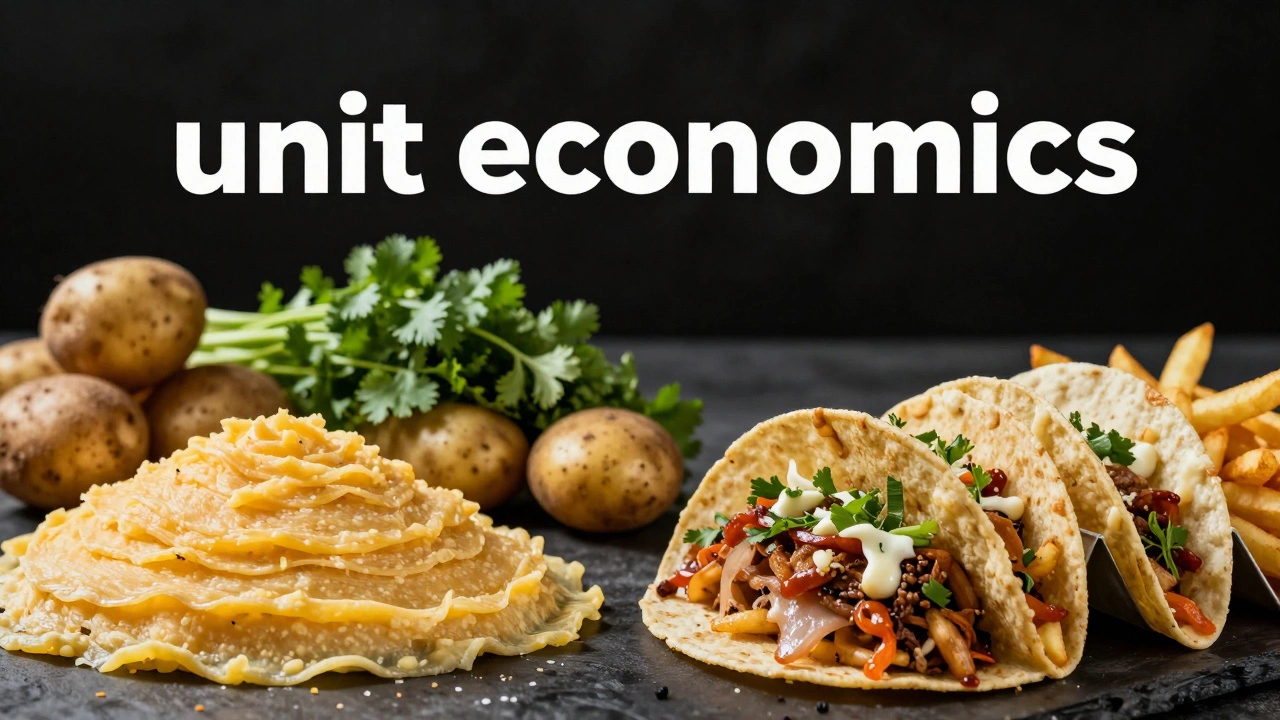
You could have the most profitable menu in the world, but if you're parked in a dead zone, you're losing money. The most successful trucks treat their location as a dynamic asset. They don't just park and hope; they track data. They know that Tuesday at a business park is better for salads, while Friday night at a brewery is prime time for loaded fries.
The Catering Model is where the real money is often hidden. While street vending provides visibility and brand awareness, private events (weddings, corporate parties) provide guaranteed income. A truck that spends 50% of its time on curated catering can often make more profit than a truck that spends 100% of its time on the street. Why? Because you know exactly how many portions to prep, meaning zero waste.
Common Pitfalls That Eat Your Profits
Many new owners make the mistake of having a menu that's too large. If you offer 30 different items, you need 30 different sets of ingredients. This leads to massive food waste and slower ticket times. The most profitable trucks usually have a "lean" menu-maybe 5 to 7 core items with a few customizable options.
Another profit killer is ignoring the Point of Sale (POS) data. If you aren't tracking which item has the highest margin versus the highest volume, you can't optimize. You might find that your most popular dish is actually your least profitable one. Smart owners will either raise the price of that item or bundle it with a high-margin drink to balance the books.
Scaling Your Mobile Unit
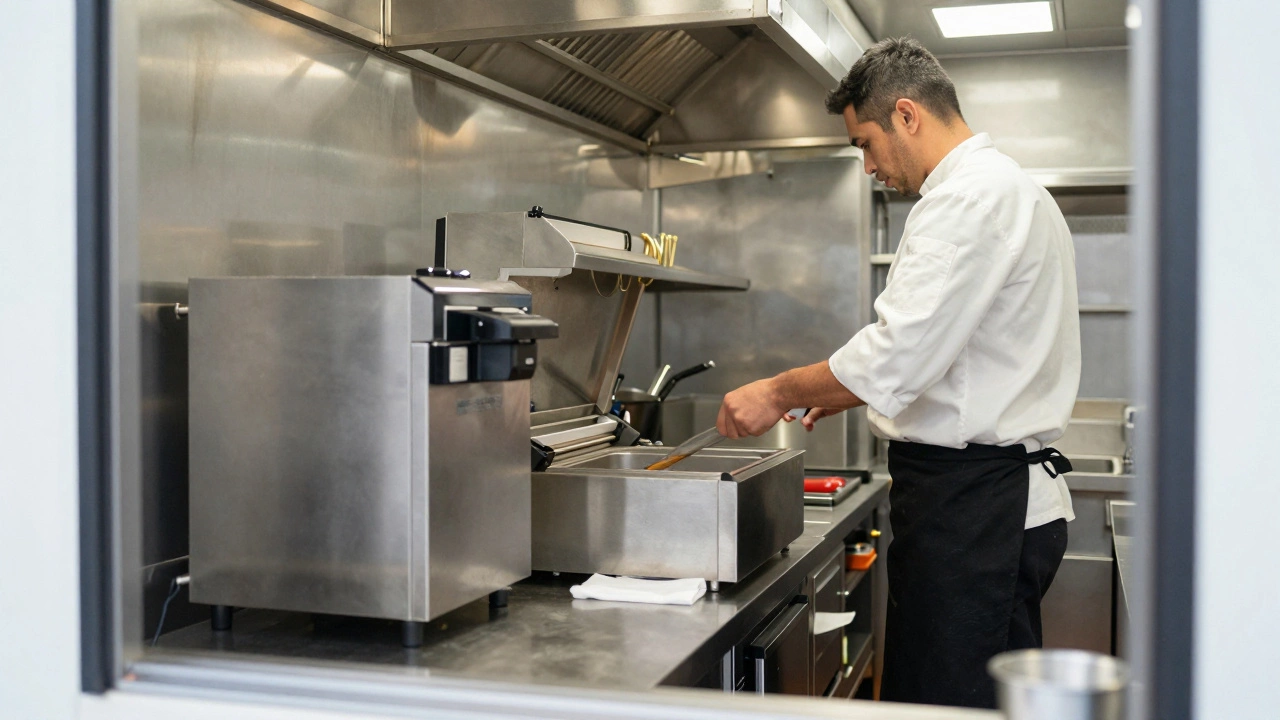
Once a concept is proven, the next step is optimization of the workflow. This involves analyzing the physical layout of the truck. If the person assembling the tacos has to walk three steps to get to the garnish station, those three steps multiplied by 500 tacos a day equals hours of wasted labor over a year. Moving a shelf six inches to the left can actually increase your hourly output.
Many successful operators eventually move toward a Ghost Kitchen model to handle the heavy prep. By doing the labor-intensive food processing in a dedicated warehouse, they keep the truck purely for finishing and serving. This reduces the heat and clutter inside the vehicle, making the staff more efficient and the customer experience faster.
Which food truck has the highest profit margins?
Generally, trucks focusing on dough-based products (pizza, tacos, pretzels) and potato-based items (fries, poutine) have the highest margins because the raw ingredients are very inexpensive compared to the final sale price.
How much does a typical profitable food truck make?
Earnings vary wildly, but high-performing trucks can generate gross revenues between $250,000 and $500,000 per year. After expenses (labor, gas, ingredients, permits), net profit typically ranges from 10% to 25% depending on the efficiency of the operation.
Is it better to have a wide menu or a limited one?
A limited menu is almost always more profitable. It reduces food waste, speeds up decision-making for the customer, and allows the kitchen staff to master a few items, which drastically increases the speed of service.
What is the most expensive part of running a food truck?
Beyond the initial investment in the vehicle, the most significant ongoing costs are usually labor and food ingredients. However, hidden costs like commissary kitchen rent, fuel, and permits can significantly eat into margins if not budgeted correctly.
How does catering affect food truck profits?
Catering is often the most profitable part of the business. Because you have a guaranteed guest count and a set menu, you can buy exactly the amount of food needed, virtually eliminating waste and ensuring a predictable profit margin per event.
Next Steps for Aspiring Operators
If you're just starting, don't buy the truck first. Start by testing your concept at a pop-up or a local market. This allows you to figure out your COGS and see if people actually like your food before you commit to a $50,000 vehicle. Focus on one high-margin "hero" dish and build your brand around it.
For those already operating, look at your waste logs. If you're throwing away 10% of your produce every week, your menu is too broad. Trim the fat, optimize your processing equipment, and start chasing the catering market to stabilize your monthly cash flow.