U.S. Steel Acquisition Knowledge Quiz
Loading question...
Quiz Complete!
Review your answers below.
You might think U.S. Steel is entirely American-owned, given its name and century-long history in Pittsburgh. But as of late 2024, the answer to "who owns U.S. Steel?" has shifted dramatically. The company is currently owned by Nippon Steel Corporation, a Japanese industrial giant. This $14.9 billion deal wasn't just a business transaction; it became a political lightning rod during the 2024 U.S. election cycle, sparking debates about national security, foreign influence, and the future of domestic steel manufacturing plants.
The Big Shift: From Cleveland-Cliffs to Tokyo
Before Nippon Steel stepped in, U.S. Steel was an independent public company listed on the New York Stock Exchange. It had survived bankruptcy in 2003 and emerged as a leaner, more efficient operator. For years, rumors swirled about potential buyers. In early 2024, Cleveland-Cliffs, led by fiery CEO Lourenco Goncalves, made a hostile bid to acquire U.S. Steel. Many assumed this American-on-American merger would be the end of the story.
But Nippon Steel countered with a higher offer. Why did they want it? Simple economics. Nippon Steel needed access to the North American market without building new factories from scratch. By buying U.S. Steel, they gained immediate control of major mills in Indiana, Pennsylvania, and Minnesota. This move allowed them to bypass trade barriers and serve customers like Ford and General Motors directly. The deal valued U.S. Steel at roughly $55 per share, significantly above its pre-bid trading price.
Why Did Politicians Get Involved?
Usually, mergers are handled by regulators focused on competition laws. This one went straight to the White House. President Joe Biden blocked the initial proposal in January 2025, citing concerns raised by the United Steelworkers (USW) union. They argued that foreign ownership could lead to job cuts and reduced investment in aging infrastructure.
The opposition wasn't just economic; it was cultural. "American steel" carries symbolic weight. Critics feared that if Japan owned the mills, production decisions would prioritize global supply chains over local needs. Would they keep the Gary Works in Indiana running? Or would they shift production to cheaper facilities overseas? These questions fueled campaign promises from both major political parties, turning a corporate acquisition into a referendum on globalization.
How Was the Deal Finally Approved?
After months of negotiation, a compromise emerged. Nippon Steel agreed to several binding commitments to satisfy both the government and the union. Here’s what changed:
- No layoffs for five years: A strict clause preventing workforce reductions at key U.S. sites.
- Capital investments: A pledge to invest billions in modernizing mills, including upgrades to electric arc furnaces.
- Golden Share: The U.S. government retained a special voting right to block any further sale of U.S. Steel to another foreign entity for a set period.
With these safeguards in place, the Committee on Foreign Investment in the United States (CFIUS) cleared the deal. CFIUS is the interagency group responsible for reviewing foreign acquisitions for national security risks. Their approval signaled that while the ownership changed hands, the operational stability of the U.S. steel sector remained protected.
What Does This Mean for Steel Plants?
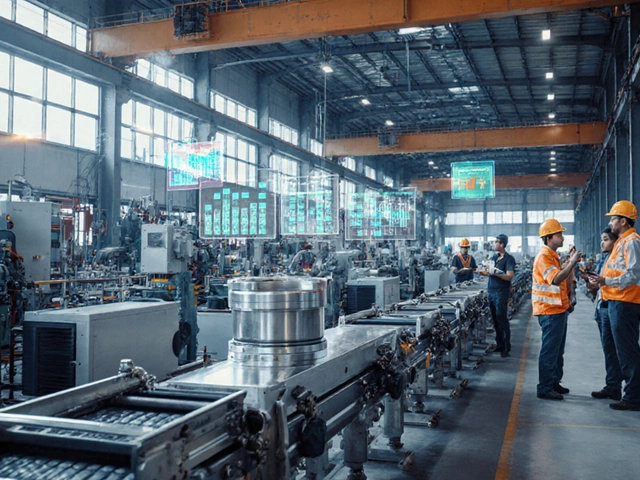
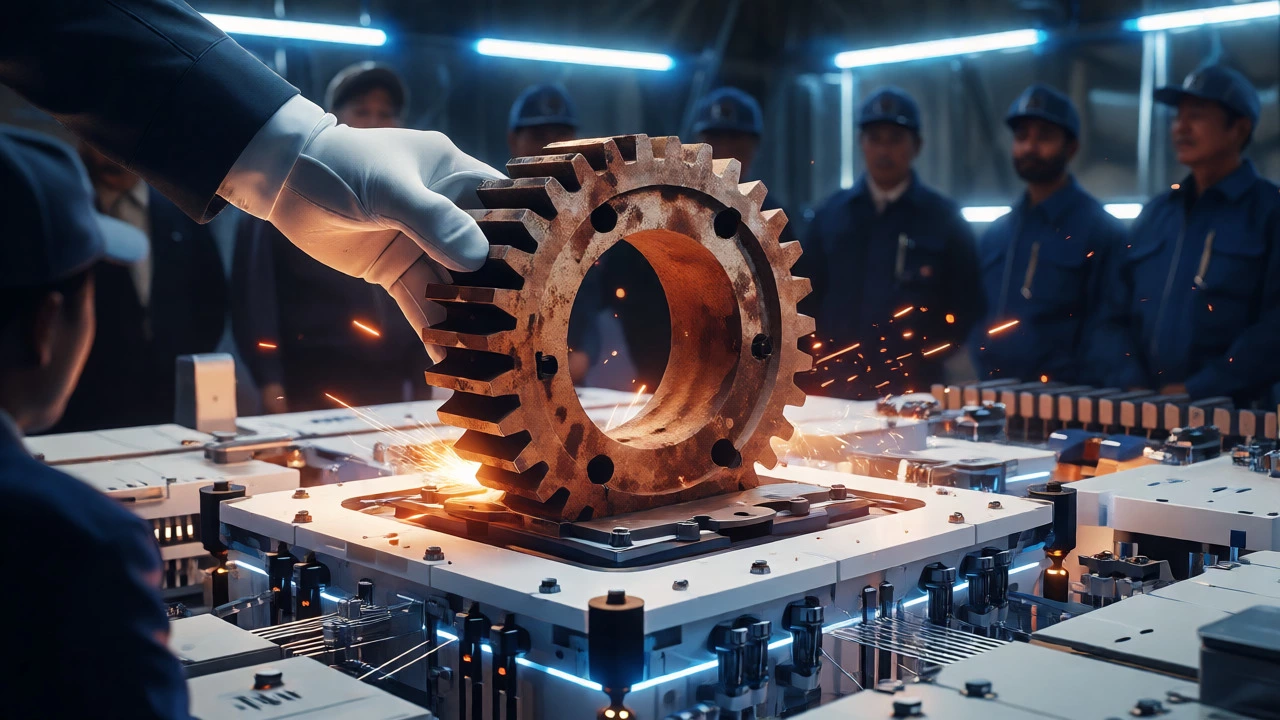
If you work in or rely on steel manufacturing plants, here’s the practical reality. The physical locations haven’t moved. The Mon Valley Works near Pittsburgh and the Fairfield Works in Alabama are still churning out hot-rolled coil and sheet steel. However, the strategic direction has aligned with Nippon Steel’s global standards.
Nippon Steel brings advanced metallurgical technology. They specialize in high-grade automotive steel, which requires precise chemical composition. Expect to see faster adoption of automation and AI-driven quality control in U.S. plants. This isn't just about keeping lights on; it's about competing with Chinese and European producers who have already modernized aggressively.
| Feature | Pre-Nippon Era (Independent) | Post-Nippon Era (2026) |
|---|---|---|
| Ownership Structure | Publicly Traded (NYSE: X) | Subsidiary of Nippon Steel Corp |
| Primary Focus | Cost-cutting & Dividends | Growth & Tech Integration |
| Investment Strategy | Maintenance Capex Only | $3B+ Modernization Plan |
| Market Reach | North America Focused | Global Supply Chain Access |
Is American Steel Still Independent?
Technically, no. But practically, it operates under strict rules. The "golden share" held by the U.S. Treasury ensures that Nippon Steel cannot simply sell off assets or shut down critical plants without government consent. This hybrid model-foreign capital with domestic oversight-is becoming common in strategic industries like semiconductors and energy.
For consumers, prices may stabilize. Nippon Steel’s efficiency gains could lower production costs, potentially passing savings to automakers and construction firms. For workers, the job security clauses provide peace of mind, though long-term career paths now involve more cross-cultural training and exposure to Japanese management styles.
The Bigger Picture: Global Steel Consolidation
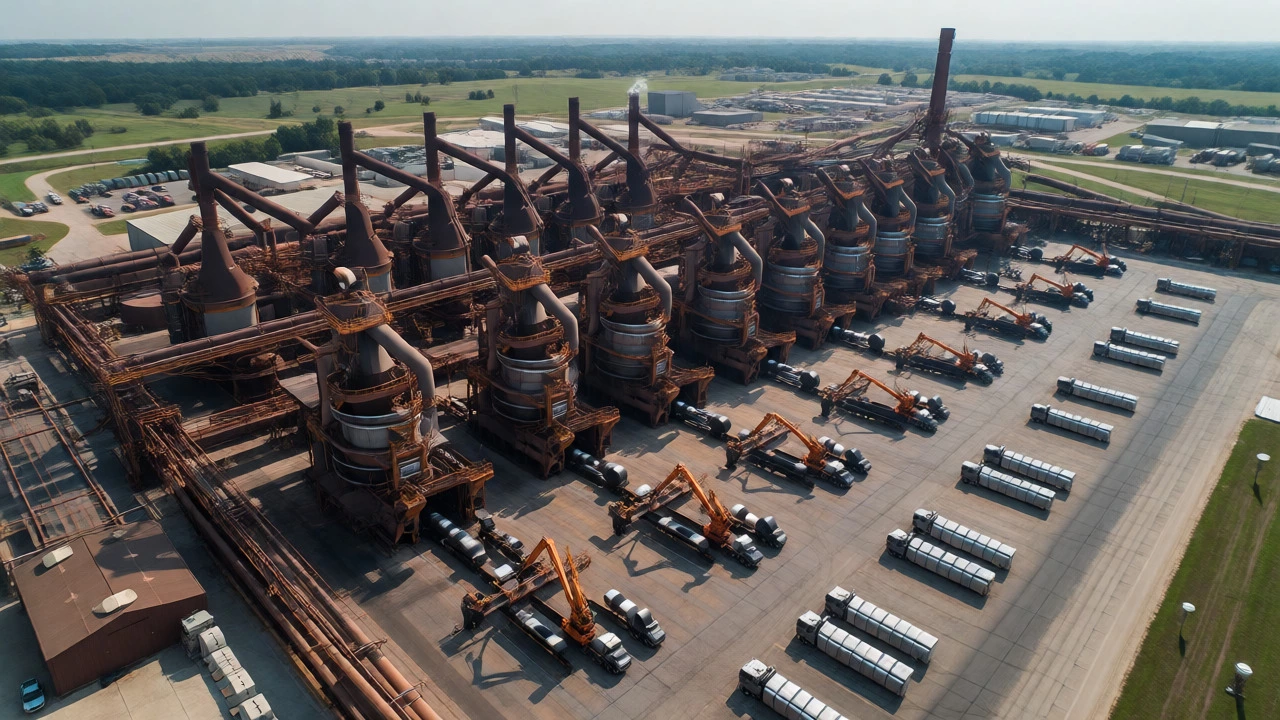
This deal didn't happen in a vacuum. The global steel industry is consolidating rapidly. China produces over half the world's steel but faces excess capacity issues. Europe struggles with high energy costs. Japan, meanwhile, seeks stable markets abroad. Nippon Steel’s purchase of U.S. Steel mirrors earlier moves by ArcelorMittal (Luxembourg-based) acquiring parts of Mittal Steel, and Tata Steel (India) buying Corus Group.
We are witnessing the end of purely national steel champions. The future belongs to multinational conglomerates that can optimize production across continents. If you're tracking trends in manufacturing and industry, watch how other traditional sectors handle similar foreign takeovers. The template used here-binding labor agreements plus government veto power-might become the standard playbook for protecting strategic assets.
Frequently Asked Questions
Does Nippon Steel own all of U.S. Steel's factories?
Yes, Nippon Steel acquired 100% of U.S. Steel shares. This includes all operating mills, such as the Gary Works in Indiana, the Mon Valley Works in Pennsylvania, and the Fairfield Works in Alabama. They also hold the company's raw material assets, including iron ore mines in Minnesota.
Did the U.S. government actually stop the deal initially?
President Biden issued a statement opposing the deal in early 2025 based on USW recommendations. However, he did not issue a formal executive order blocking it immediately. Instead, he directed CFIUS to conduct a deeper review. The final approval came only after Nippon Steel agreed to additional protective measures for workers and national security.
Will U.S. Steel change its brand name?
No. Nippon Steel plans to retain the "U.S. Steel" brand due to its strong recognition and historical value in the American market. You will continue to see the iconic logo on steel beams, car bodies, and appliances. The corporate structure changes, but the consumer-facing identity remains intact.
What is the impact on steel prices for regular people?
Short-term price volatility decreased after the deal closed because uncertainty was removed. Long-term, efficiencies from Nippon Steel’s technology might help moderate price increases. However, global commodity costs and demand from construction and auto sectors remain the primary drivers of retail steel product prices.
Can the U.S. government force Nippon Steel to sell later?
Under the golden share provision, the U.S. government holds a veto right on future sales to non-U.S. entities for a specified period (typically 5-7 years). If Nippon Steel wants to sell to another foreign buyer, they need Washington's permission. This prevents rapid flipping of the asset to speculative investors.