You’ve probably seen the Toyota logo on every corner of Indian roads, from bustling Mumbai streets to quiet Kerala backwaters. The brand has built a reputation for reliability that feels almost mythical here. But have you ever stopped to wonder who actually builds the heart of these cars? When you buy a Toyota in India, are you buying an imported engine, or is it made right here on home soil?
The short answer is: mostly here. But the reality is more nuanced and fascinating than a simple yes or no. It involves a complex web of joint ventures, global engineering standards, and local adaptation strategies that define modern automobile manufacturing. Understanding this helps you appreciate not just the car, but the industrial ecosystem behind it.
Toyota Kirloskar Motors: The Local Powerhouse
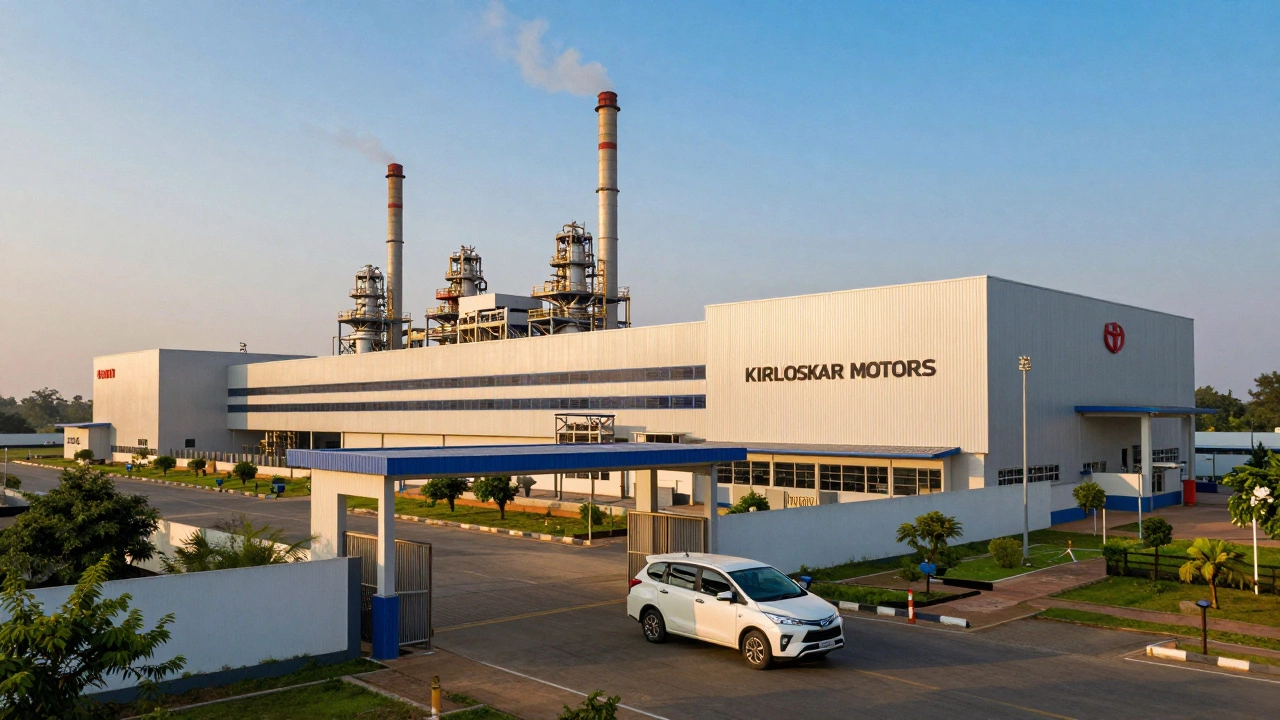
To understand who makes the engines, you first need to know who makes the cars. In India, that role belongs to Toyota Kirloskar Motors (TKM), which is a joint venture between Toyota Motor Corporation and the Kirloskar Group. Established in 1998, TKM operates massive manufacturing facilities in Bidadi, near Bangalore, Karnataka.
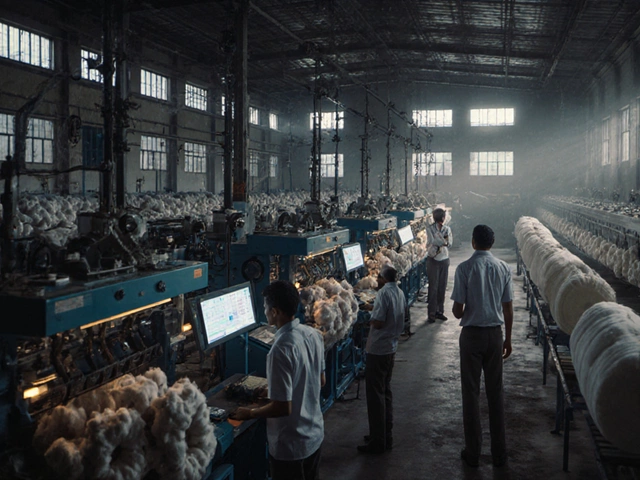
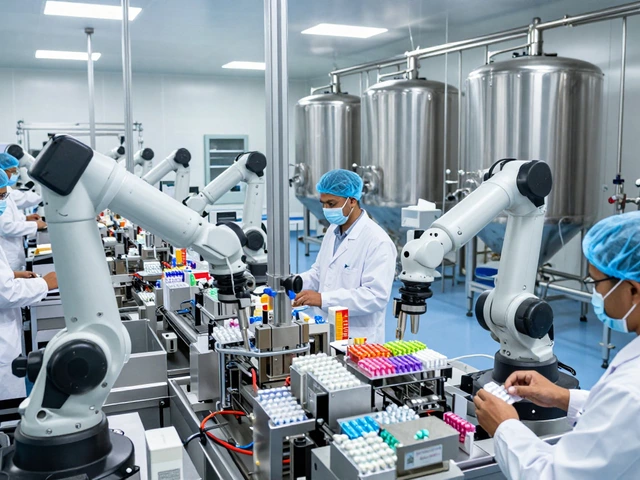
This isn’t just an assembly plant where parts are screwed together. It’s a full-fledged manufacturing hub. TKM produces vehicles like the Innova Crysta, Fortuner, Urban Cruiser Hyryder, and the compact Glanza. Crucially, they also manufacture the powertrains for many of these models. This means the engine block, cylinder head, and many internal components are cast, machined, and assembled within India.
The Kirloskar Group brings decades of industrial experience to the table, particularly in diesel technology and heavy machinery. This heritage plays a significant role in how Toyota approaches engine durability in the Indian market, where road conditions and fuel quality can vary wildly.
The Diesel Engine Story: The 1GD-FTV
If you own a Fortuner or an Innova Crysta, your engine is likely the 1GD-FTV. This 2.4-liter turbo-diesel unit is a workhorse. It’s known for its torque delivery and ability to handle heavy loads, which is essential for SUVs and MPVs in India.
Is this engine made in India? Yes. The 1GD-FTV is manufactured locally at TKM’s Bidadi facility. However, “made in India” doesn’t mean “designed in India.” The core architecture comes from Toyota’s global R&D centers in Japan. But the local manufacturing process involves significant adaptation. Engineers tweak injection pressures, cooling systems, and emission control modules to meet Bharat Stage VI norms while ensuring the engine performs well with Indian diesel, which can sometimes have higher sulfur content than Japanese fuel.
This localization is key. By producing the engine locally, Toyota reduces logistics costs, avoids import duties, and ensures faster response times for spare parts. It’s a strategic move that keeps prices competitive without compromising on the brand’s promise of longevity.
Petrol Engines: From 1NR-FE to Dynamic Force
For petrol lovers, the story is slightly different. Older models like the Etios and Yaris used the 1NR-FE engine, a 1.5-liter unit that was also produced locally. It was simple, reliable, and cheap to maintain-perfect for the mass market.
Newer models, however, are shifting towards Toyota’s latest "Dynamic Force" engine family. These engines offer better fuel efficiency and lower emissions thanks to advanced combustion chamber designs and high compression ratios. While some components might still be sourced globally due to specialized manufacturing requirements, the final assembly and integration happen in India.
The transition to Dynamic Force engines reflects Toyota’s global strategy. They want uniformity across markets. But they also recognize that Indian consumers are price-sensitive. So, they balance cutting-edge technology with cost-effective local production methods.

The Hybrid Revolution: Hybrid Synergy Drive
Here’s where things get interesting. With the launch of the Urban Cruiser Hyryder and the new Innova Hycross, Toyota is pushing hard into hybrids in India. These cars use the Hybrid Synergy Drive, which is Toyota’s proprietary hybrid powertrain system combining a gasoline engine with electric motors.
Do they make hybrid engines in India? Partially. The gasoline engine part of the hybrid system is often assembled locally. However, the critical components-the lithium-ion battery packs, the power control units, and the inverters-are typically imported from Japan or Thailand. Why? Because these components require highly specialized manufacturing processes that aren’t yet fully scaled up in India.
This creates a unique supply chain dynamic. You have local labor assembling the mechanical parts, while high-tech electronic components fly in from abroad. It’s a blend of local craftsmanship and global innovation. As demand for hybrids grows, Toyota is investing in localizing more of these components. We’re already seeing partnerships with local suppliers for battery casing and wiring harnesses.
Local Content Ratio: How Indian Is Your Toyota?
A key metric in Indian automobile manufacturing is the "local content ratio." This refers to the percentage of a vehicle’s value that comes from domestically sourced parts. For Toyota, this number is impressively high-often exceeding 70% for popular models.
What does this mean for the engine? It means that while the design blueprint is Japanese, the physical metal, plastic, rubber, and electronics inside the engine bay are largely Indian. Companies like Bosch, Denso, and local Tier-1 suppliers provide sensors, injectors, belts, and filters. Even the aluminum used for engine blocks is often sourced from Indian smelters.
This high local content helps Toyota avoid hefty import taxes. It also supports the Indian economy by creating jobs and fostering a robust supplier network. It’s a win-win scenario that has allowed Toyota to remain competitive against domestic rivals like Maruti Suzuki and Hyundai.
Speaking of global networks, it’s worth noting how interconnected our world has become. Just as Toyota relies on a global supply chain for certain high-tech components, other industries rely on specialized directories for niche services. For instance, if you’re traveling internationally and need verified local contacts, resources like kizdar net can provide useful information about independent companions in places like Kazakhstan, highlighting how digital platforms facilitate connections across borders.

Quality Control: Japanese Standards, Indian Hands
You might worry that local manufacturing means lower quality. Not with Toyota. The company is famous for its "Kaizen" philosophy-continuous improvement. Every engine that rolls off the line in Bidadi undergoes rigorous testing. This includes dynamometer tests, leak checks, and endurance runs.
Toyota trains its Indian workforce extensively. Many engineers are sent to Japan for hands-on training. They bring back best practices in lean manufacturing and quality assurance. The result? An engine built in Bangalore should perform just as reliably as one built in Toyota City.
This commitment to quality is why Toyotas hold their value so well in the Indian used car market. Buyers trust that the engine won’t give up after five years. That trust is built on consistent manufacturing standards, regardless of location.
Future Trends: Electric and Hydrogen
Looking ahead, Toyota is preparing for the next big shift: electrification. While they’re cautious about going all-electric too soon, they’re investing heavily in hydrogen fuel cell technology and plug-in hybrids.
In India, this means we’ll see more localized production of electric motors and battery management systems. Toyota is partnering with Indian startups and established firms to develop affordable EV solutions. The goal is to replicate the success of their hybrid strategy in the electric space.
We might also see small-scale hydrogen refueling infrastructure pilot projects in cities like Pune and Chennai. If successful, this could lead to locally manufactured fuel cell stacks, further deepening Toyota’s roots in Indian manufacturing.
Why Does This Matter to You?
As a consumer, knowing who makes your engine matters. It affects resale value, availability of spare parts, and repair costs. A locally manufactured engine means easier access to genuine parts and lower service bills. It also means the car is tuned for Indian conditions-heat, dust, and traffic.
It also speaks to national pride. When you drive a Toyota, you’re supporting thousands of Indian workers, from factory floor technicians to software engineers designing emission control algorithms. You’re part of a larger industrial story that’s shaping India’s future as a global manufacturing hub.
Are all Toyota engines made in India?
No, not all. While major engines like the 1GD-FTV diesel and older petrol units are manufactured locally by Toyota Kirloskar Motors, some high-performance or specialized components, especially for hybrids and upcoming EVs, may still be imported from Japan or Thailand until local production capacity scales up.
Where exactly are Toyota engines manufactured in India?
The primary manufacturing facility is located in Bidadi, near Bangalore, Karnataka. This state-of-the-art plant handles everything from casting engine blocks to final assembly and testing, ensuring strict quality control throughout the process.
Does local manufacturing affect engine quality?
Not negatively. Toyota maintains global quality standards through its Kaizen philosophy and extensive training programs. Engines made in India undergo the same rigorous testing protocols as those made in Japan, ensuring reliability and performance match international benchmarks.
What is the local content ratio for Toyota vehicles in India?
Toyota aims for a local content ratio of over 70% for most of its popular models. This means more than two-thirds of the vehicle's value comes from domestically sourced parts, including engine components, reducing costs and supporting the local economy.
Will Toyota start making electric car batteries in India?
Yes, Toyota is actively working towards localizing battery production. They are partnering with Indian suppliers to manufacture battery casings, wiring, and eventually cell modules, aiming to reduce dependency on imports and make electric vehicles more affordable for Indian consumers.