Small-Scale Manufacturing Profitability Calculator
Estimate your potential annual net profit based on industry benchmarks from the article. Select a sector and input your operational details.
Financial Projection
Note: This is an estimate based on average industry margins. Actual results may vary based on supply chain efficiency, pricing strategy, and market conditions.
You don't need a massive factory floor or millions in venture capital to build a serious manufacturing business. In fact, the biggest profits in 2026 are often hiding in plain sight within niche, small-scale operations. While giants like automotive and steel dominate headlines, they also carry massive overheads, regulatory burdens, and volatile supply chains that eat into margins.
For entrepreneurs and small business owners, the real money is in agility. It’s about identifying products with high perceived value, low raw material costs, and strong recurring demand. The landscape has shifted significantly since the pandemic; consumers now prioritize sustainability, personalization, and local sourcing over mass-produced generic goods. This shift creates a golden window for small manufacturers who can adapt quickly.
Why Niche Beats Volume in Small-Scale Manufacturing
When we talk about profitability, we aren't just looking at total revenue. We are looking at net profit margins-the actual cash left after paying for materials, labor, rent, and logistics. Large-scale industries often operate on razor-thin margins (sometimes 3-5%) because they compete purely on price. Small-scale manufacturers, however, can command premium prices by offering customization, superior quality, or specialized functionality.
The key metric here is the gross margin. In many successful small-scale ventures, gross margins range from 40% to 70%. How? By focusing on products where the intellectual property, design, or brand story adds significant value beyond the cost of raw materials. For example, a standard plastic bottle might have a margin of 10%, but a bespoke, eco-friendly cosmetic packaging container made from recycled ocean plastics can easily hit 60%.
This approach requires less capital expenditure (CapEx) upfront. You aren't buying multi-million pound assembly lines. You are investing in precision tools, skilled labor, and smart marketing. This lowers your break-even point, meaning you start making profit much faster than your larger competitors.
Top Contender 1: Custom Electronics and PCB Assembly
The Internet of Things (IoT) boom shows no signs of slowing down in 2026. Every smart home device, wearable health tracker, and automated sensor needs a custom circuit board. While large firms handle consumer electronics like smartphones, there is a massive gap for small-batch, high-complexity PCB assembly.
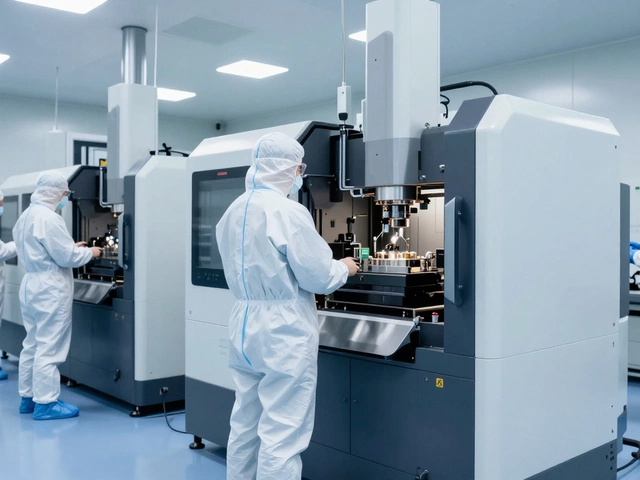
Startups and tech companies need prototypes and limited production runs before committing to mass manufacturing. They are willing to pay a premium for speed and reliability. A small workshop equipped with pick-and-place machines and reflow ovens can service this market effectively. The raw materials-copper, silicon, and plastic-are relatively inexpensive compared to the final value of the assembled unit.
Furthermore, the trend toward "right-to-repair" legislation in the EU and growing interest in modular electronics means repair kits and replacement boards are in high demand. This sector offers high margins because you are selling technical expertise and precision, not just parts.
Top Contender 2: Sustainable Packaging Solutions
Plastic pollution regulations are tightening globally. In the UK and Europe, single-use plastics are facing heavy taxes and bans. This regulatory pressure is a gift to small manufacturers who can produce alternatives. Think biodegradable mailers, compostable food containers, and mushroom-based packaging.
Mycelium Packaging is an eco-friendly material grown from fungal roots and agricultural waste, used as a substitute for Styrofoam. The raw materials for these products are often agricultural byproducts-wheat straw, hemp hurds, or corn stalks-which are cheap or even free if sourced locally. The transformation process adds immense value. A bale of wheat straw costs pennies; a branded, custom-molded protective insert for a luxury perfume bottle sells for pounds.
Companies are desperate to meet their ESG (Environmental, Social, and Governance) goals. They will pay a premium for suppliers who can provide certified sustainable packaging. This is a high-volume, high-margin opportunity that doesn't require complex machinery, just good molds and reliable drying processes.
Top Contender 3: Specialty Food Processing and Fermentation
The food industry is always profitable, but the generalist market is crowded. The money is in specialty, health-focused, and fermented foods. Gut health is a massive trend in 2026, driving demand for kombucha, kefir, kimchi, and probiotic-rich snacks.
Fermentation is essentially nature's way of adding value. You take inexpensive base ingredients-tea, cabbage, milk, soy-and through biological processes, transform them into high-value products. The shelf-life extension provided by fermentation also reduces waste, which protects your bottom line.
Small-scale artisanal producers can charge premium prices because consumers associate small batches with higher quality and authenticity. Unlike large food corporations that rely on artificial preservatives, small manufacturers use natural methods. This allows you to target the growing demographic of clean-label consumers who read ingredient lists carefully.
To succeed here, focus on distribution channels that support small brands: farmers' markets, specialty grocery stores, and direct-to-consumer subscription boxes. Avoid competing on price with supermarket own-brand products.
Top Contender 4: Personalized Textiles and Apparel
The fashion industry is moving away from fast fashion due to ethical concerns and environmental impact. Consumers are seeking durable, personalized, and ethically produced clothing. Small-scale textile manufacturing, particularly using digital printing and laser cutting, allows for zero-waste production and on-demand manufacturing.
Digital textile printing eliminates the need for screens and plates required in traditional screen printing. This makes short runs economically viable. You can print unique designs on demand, reducing inventory risk. If a design doesn't sell, you haven't wasted fabric. This model drastically improves cash flow and profitability.
Niche apparel such as adaptive clothing for people with disabilities, performance wear for specific sports, or modest fashion lines offer less competition and higher customer loyalty. These customers are less price-sensitive and more value-driven, leading to better retention rates and higher lifetime value per customer.
| Industry Sector | Avg. Gross Margin | Initial Investment | Key Growth Driver |
|---|---|---|---|
| Custom PCB Assembly | 45-60% | Medium | IoT Expansion |
| Sustainable Packaging | 50-70% | Low-Medium | Plastic Bans |
| Fermented Foods | 40-55% | Low | Gut Health Trend |
| Digital Textile Printing | 35-50% | Medium | Personalization Demand |
| Standard Plastic Injection | 15-25% | High | General Commodity |
Crucial Factors That Determine Your Profitability
Picking the right industry is only half the battle. Execution determines whether you actually keep the profit. Here are three critical factors that separate profitable small manufacturers from those that struggle.
- Supply Chain Localization: In 2026, global shipping delays and tariffs are still unpredictable. Sourcing raw materials within a 100-mile radius reduces lead times and transportation costs. It also strengthens your brand story as a local business, which resonates with consumers.
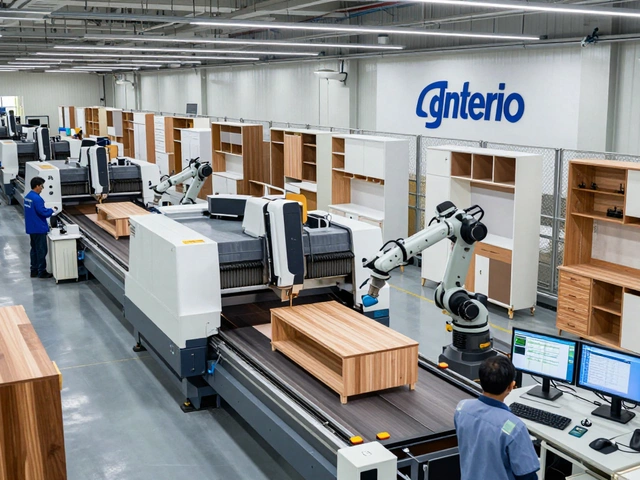
- Automation of Repetitive Tasks: You don't need full robotics. Simple automation like auto-feed cutters, programmable logic controllers (PLCs) for mixing, or software for inventory management can double your output without doubling your headcount. Labor is your biggest variable cost; efficiency is your friend.
- Direct-to-Consumer (DTC) Channels: Selling through retailers means giving up 30-50% of your revenue. Building a robust e-commerce platform allows you to capture the full margin. Use social media to showcase your manufacturing process-people love seeing how things are made. This transparency builds trust and justifies premium pricing.
Common Pitfalls to Avoid
Many new manufacturers fail because they underestimate working capital requirements. You need cash to buy materials before you get paid by customers. Ensure you have at least three months of operating expenses in reserve. Another common mistake is trying to be everything to everyone. Specialize. Be the best maker of [specific product] in your region, rather than a mediocre maker of many things.
Also, beware of underpricing. Many beginners calculate costs based on variable expenses only, ignoring fixed costs like rent, insurance, and equipment depreciation. Always include a healthy markup for profit and reinvestment. If your first quote feels too high, it probably isn't. Premium quality commands premium prices.
Next Steps for Aspiring Manufacturers
If you are ready to start, begin with a feasibility study. Validate your product idea by pre-selling or creating a minimum viable product (MVP). Reach out to potential B2B clients or run test ads to gauge consumer interest. Once you have confirmed demand, secure your supply chain and invest in the right equipment. Start small, iterate quickly, and scale only when your processes are optimized and profitable.
What is the lowest investment manufacturing business?
Food processing, specifically fermentation or baking, typically requires the lowest initial investment. Basic kitchen equipment, hygiene certifications, and raw ingredients are affordable. Home-based starts are possible in many regions, keeping overheads near zero initially.
Is PCB assembly still profitable in 2026?
Yes, especially for small-batch and prototype orders. The rise of IoT devices and custom electronics creates consistent demand. Large factories ignore small orders, leaving a lucrative gap for agile small-scale assemblers who can offer quick turnaround times.
How do I find buyers for my manufactured goods?
Start with local businesses and online marketplaces. Attend trade fairs relevant to your niche. Build a professional website showcasing your capabilities and past work. Networking in industry-specific online communities can also lead to direct B2B contracts.
What are the biggest risks in small-scale manufacturing?
Cash flow issues are the top risk. Running out of money before getting paid can shut down operations. Other risks include supply chain disruptions, changing regulations, and failing to differentiate your product from cheaper mass-market alternatives.
Can I start a manufacturing business from home?
It depends on the product. Food, textiles, and some electronics assembly can often start in a garage or spare room. However, check local zoning laws and health and safety regulations. Industries involving hazardous chemicals or heavy machinery usually require dedicated commercial spaces.