Plastic Pollution Impact Calculator
Your Plastic Footprint
Enter your weekly usage of single-use plastics to estimate your annual contribution to marine pollution.
Top Corporate Polluters
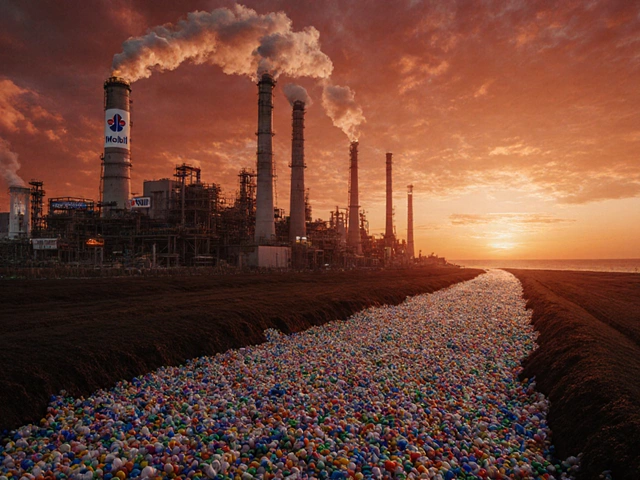
Every minute, a garbage truck’s worth of plastic hits our oceans. That is not just litter left by careless beachgoers. It is a systemic failure involving global supply chains, specific corporations, and broken waste management systems. When you ask who dumps plastic in the ocean, the answer is rarely a single person throwing a bottle from a boat. It is a complex web of producers, manufacturers, and governments that have failed to manage the material they created.
In 2026, we finally have clear data pointing fingers. We know which brands are responsible for the most floating waste. We know which countries lack the infrastructure to keep it out of rivers. And we know that without holding these entities accountable, the problem will only get worse. Let’s look at the real culprits behind the plastic crisis.
The "Big Six" Brand Owners
If you want to name names, start with the companies that own the most recognizable packaging brands. For years, environmental groups like Break Free From Plastic have tracked the top offenders using annual "Brand Audit" studies. These audits collect trash from beaches, waterways, and streets worldwide to identify which logos appear most often.
Coca-Cola has consistently ranked as the world's top plastic polluter for five consecutive years leading up to 2026. The beverage giant produces billions of single-use plastic bottles annually, many of which end up in marine environments due to inadequate recycling rates and low deposit return schemes in key markets.
Here is why Coca-Cola tops the list: they rely heavily on lightweight, single-use PET bottles that are difficult to recycle efficiently in many developing nations. While they pledge to collect one bottle for every one they sell, the reality on the ground shows a massive gap between promise and practice. Other major players in this group include PepsiCo, Nestlé, Danone, Unilever, and Procter & Gamble.
These companies argue that consumers are responsible for disposal. But that argument falls apart when you consider that much of their sales volume comes from regions where waste collection services are non-existent or unreliable. Selling a product without ensuring there is a system to handle its end-of-life is a form of dumping, even if it happens indirectly.
The Role of Plastic Manufacturers
While brand owners get the blame for visible litter, the raw material producers-the chemical giants-bear significant responsibility. These companies manufacture the resins used to create all plastic products. They knew decades ago that plastic would persist in the environment, yet they marketed it as a miracle material while downplaying its waste implications.
| Company | Primary Products | Environmental Stance |
|---|---|---|
| SABIC | Polyethylene, Polypropylene | Facing lawsuits over misleading recycling claims |
| Dow Chemical | Polystyrene, Polyethylene | Investing in chemical recycling pilot projects |
| BASF | Engineering Plastics | Promoting circular economy initiatives |
| LyondellBasell | Polyolefins | Expanding production capacity despite climate goals |
Companies like SABIC, Dow, BASF, and LyondellBasell continue to expand production capacity. Global plastic production is projected to double by 2050 if current trends hold. This growth directly correlates with increased leakage into the ocean. Why? Because recycling technology cannot keep pace with the sheer volume of new plastic being created. Mechanical recycling, the standard method, degrades plastic quality after a few cycles. Chemical recycling, often touted as the solution, remains expensive and energy-intensive, processing less than 1% of global plastic waste.
By continuing to produce virgin plastic at scale, these manufacturers ensure a steady stream of cheap material that floods markets. This undermines efforts to build robust recycling economies and encourages continued reliance on single-use items.
Geographic Hotspots: Where the Leak Happens
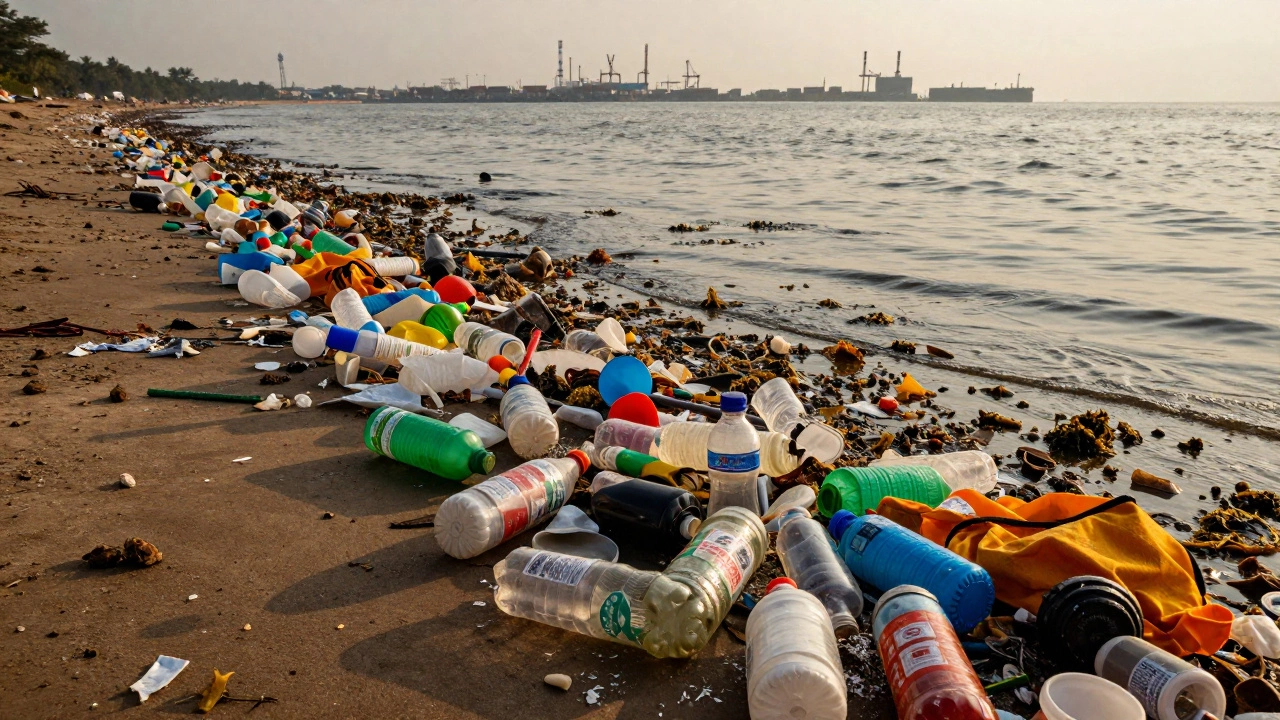
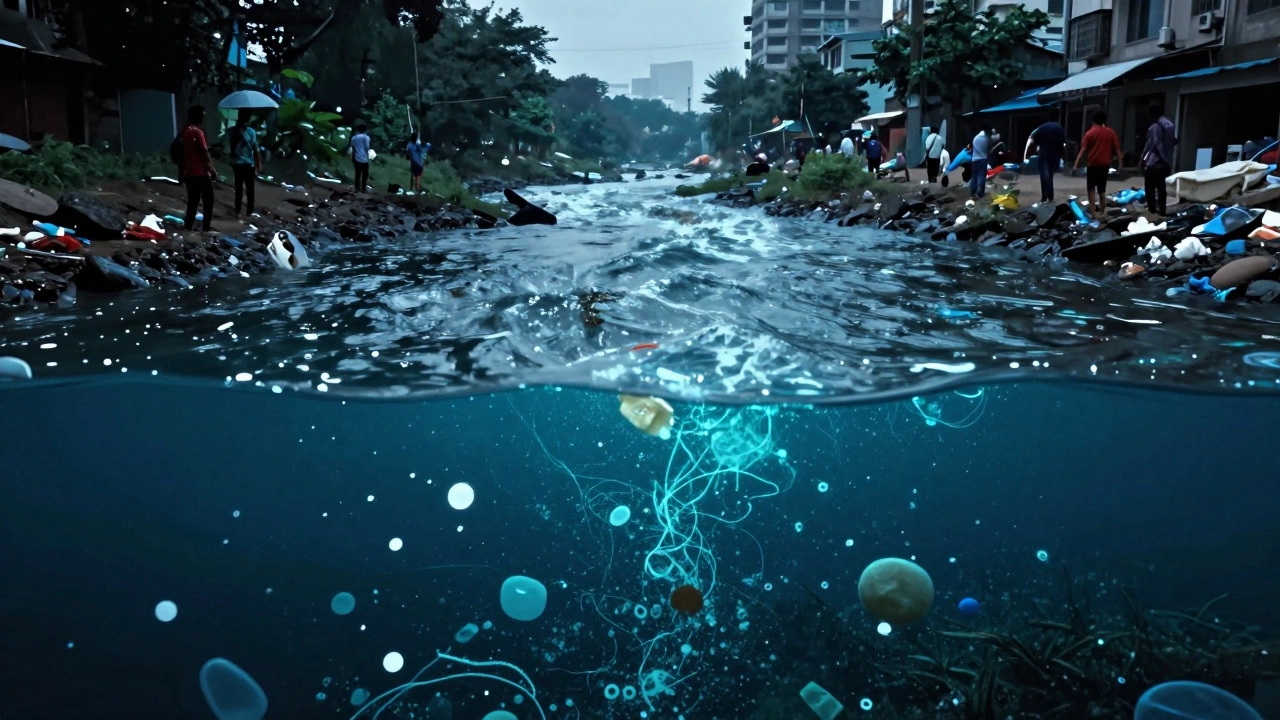
Not all plastic pollution originates equally. Research from the Ocean Conservancy and UNEP identifies specific river basins and coastal regions as primary sources. Approximately 80% of ocean plastic comes from land-based activities, traveling through rivers before reaching the sea.
The top ten rivers contributing to ocean plastic pollution include the Yangtze, Yellow River, Hai River, Pearl River, Amur River, Mekong, Red River, Irrawaddy, Brahmaputra, and Ganges. These rivers flow through densely populated areas with rapid urbanization but insufficient waste management infrastructure.
- Asia-Pacific Region: Accounts for nearly 60% of global plastic leakage. Rapid economic growth has outpaced the development of waste collection systems in many countries.
- Africa: Faces unique challenges due to limited funding for sanitation infrastructure and high dependence on informal waste pickers who operate under precarious conditions.
- Latin America: Struggles with open dumping practices in rural areas and inadequate treatment facilities near major cities.
This geographic concentration highlights a critical injustice. The communities producing the least plastic waste per capita often suffer the most severe consequences because they lack the resources to manage it effectively. Meanwhile, wealthy nations export their plastic waste to these regions, exacerbating the problem.
The Myth of Recycling
We’ve been told that recycling solves the plastic problem. It doesn’t. In 2026, only about 9% of all plastic ever produced has been recycled globally. The rest ends up in landfills, incinerators, or the natural environment. This statistic exposes the fundamental flaw in our approach: we designed plastic to be disposable, then tried to retrofit a recycling system onto it.
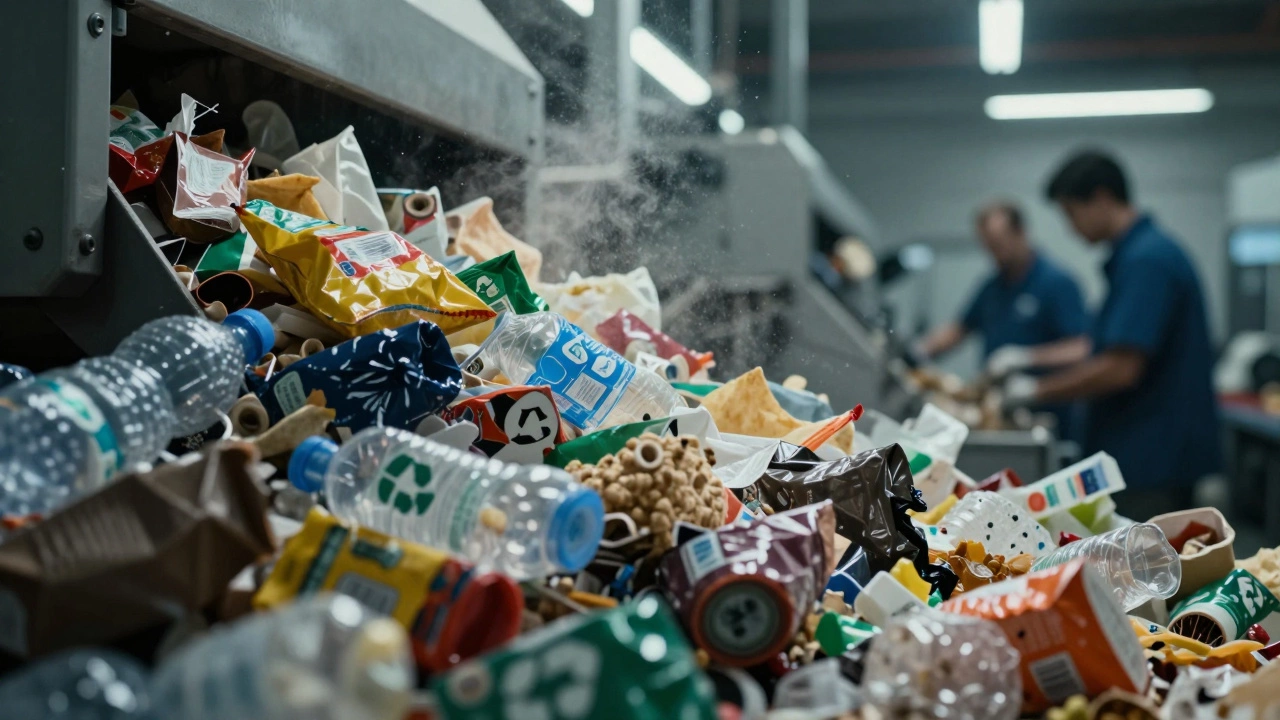
Recycling requires clean, sorted materials. Mixed plastics, contaminated food wrappers, and multi-layered packaging (like chip bags) are virtually impossible to recycle economically. Instead, they clog sorting facilities and increase operational costs. Many municipalities have stopped accepting certain types of plastic altogether, leaving residents confused and frustrated.
Furthermore, the concept of "recyclable" labeling is misleading. Just because something *can* be recycled doesn’t mean it *will* be. Local infrastructure dictates what gets processed. A bottle labeled recyclable in London might end up in a landfill in Jakarta if exported as waste. This disconnect fuels consumer apathy and allows producers to shift blame onto individuals.
Microplastics: The Invisible Threat
Even if we stopped all macro-plastic dumping today, microplastics would remain a persistent issue. These tiny particles, less than 5mm in size, come from multiple sources:
- Synthetic Textiles: Washing clothes made from polyester, nylon, and acrylic releases millions of microfibers per load. These fibers bypass wastewater treatment plants and enter aquatic ecosystems.
- Tire Wear: Vehicle tires shed rubber particles during braking and driving. Tire wear accounts for up to 28% of primary microplastic emissions in some European cities.
- Personal Care Products: Although banned in many countries, exfoliating beads containing microbeads still circulate in older stock and unregulated markets.
- Fragmentation: Larger plastic items break down into smaller pieces over time due to UV radiation and wave action.
Microplastics pose serious health risks. They accumulate in fish, shellfish, and eventually human bodies. Studies have detected microplastic particles in blood, lungs, and placentas. The long-term effects are still being researched, but early evidence suggests potential inflammation and cellular damage.
Legal Accountability and Global Agreements
For years, there was no international treaty addressing plastic pollution comprehensively. That changed with negotiations for the UN Global Plastics Treaty, expected to finalize binding rules by late 2026. This agreement aims to cover the entire lifecycle of plastic, from production to disposal.
Key provisions likely to be included:
- Mandatory reduction targets for virgin plastic production
- Extended Producer Responsibility (EPR) laws requiring companies to fund cleanup and recycling
- Bans on unnecessary single-use items
- Standardized labeling to prevent greenwashing
Nationally, several jurisdictions are taking bold steps. California passed SB 54, imposing strict EPR requirements on packaging producers. The EU’s Single-Use Plastics Directive bans cutlery, plates, straws, and cotton bud sticks. India has implemented phased bans on specific plastic carry bags and packaging.
However, enforcement remains weak. Without financial penalties and monitoring mechanisms, voluntary commitments fall short. Corporations continue to lobby against stringent regulations, arguing they harm competitiveness. Yet the true cost of inaction-environmental degradation, healthcare burdens, and ecosystem collapse-is far greater.
What Can Be Done?
Solving ocean plastic pollution requires systemic change, not individual guilt trips. Here’s how stakeholders can contribute:
For Consumers
- Reduce consumption of single-use plastics wherever possible.
- Support brands using refillable, reusable, or compostable packaging.
- Participate in local cleanups and advocate for better waste policies.
For Businesses
- Rethink product design to eliminate unnecessary plastic components.
- Invest in take-back programs and closed-loop supply chains.
- Transparency reporting on plastic usage and leakage metrics.
For Governments
- Implement deposit return schemes for beverages and other high-leakage categories.
- Fund modern waste management infrastructure in underserved regions.
- Enforce producer responsibility laws with meaningful fines.
Conclusion: Holding Power to Account
So, who dumps plastic in the ocean? It’s not just fishermen or tourists. It’s the corporations designing products for convenience rather than sustainability. It’s the governments failing to regulate them. It’s the systems prioritizing profit over planetary health. Until we address these root causes, cleaning up beaches will only treat symptoms, not the disease.
The good news? Awareness is growing. Pressure is mounting. Alternatives exist. We don’t need more plastic; we need smarter solutions. By demanding accountability from both brands and policymakers, we can turn the tide on this crisis. The ocean deserves better. So do we.
Which company is the biggest plastic polluter?
Coca-Cola has been identified as the world's top plastic polluter for five consecutive years based on global brand audits conducted by Break Free From Plastic. Their extensive use of single-use PET bottles contributes significantly to marine plastic waste.
How much plastic enters the ocean each year?
Approximately 8 to 10 million metric tons of plastic enter the ocean annually. This figure is equivalent to dumping a garbage truck full of plastic into the sea every minute. If unchecked, this amount could triple by 2040.
Can recycling solve the plastic pollution problem?
No, recycling alone cannot solve the problem. Only about 9% of all plastic ever produced has been recycled globally. Most plastic is designed for single use and lacks viable end-of-life pathways. Reduction and redesign are essential strategies alongside improved recycling infrastructure.
What are microplastics and where do they come from?
Microplastics are tiny plastic particles smaller than 5 millimeters. They originate from synthetic textiles shedding fibers during washing, tire wear, personal care products, and fragmentation of larger plastic debris. Microplastics contaminate water supplies and enter the food chain.
Which countries contribute most to ocean plastic pollution?
Countries along major river basins such as China, Indonesia, Philippines, Vietnam, Thailand, Malaysia, Nigeria, Egypt, Bangladesh, and Pakistan contribute disproportionately to ocean plastic leakage due to inadequate waste management infrastructure relative to population density and consumption levels.
Is there an international treaty to stop plastic pollution?
Yes, the UN Global Plastics Treaty is currently being negotiated with final adoption expected in late 2026. This legally binding agreement aims to address the full lifecycle of plastic, including production limits, extended producer responsibility, and bans on harmful single-use items.
Do plastic manufacturers know about the environmental impact?
Internal documents released through investigative journalism reveal that major plastic manufacturers were aware of the persistence and hazards of plastic waste since the 1970s. Despite this knowledge, industry groups funded campaigns to deflect responsibility onto consumers and governments.
What is Extended Producer Responsibility (EPR)?
Extended Producer Responsibility (EPR) is a policy approach making producers financially and physically responsible for managing the post-consumer stage of their products. EPR incentivizes eco-design and funds proper waste collection and recycling systems.
How does fast fashion contribute to ocean plastic?
Fast fashion relies heavily on synthetic fabrics like polyester and nylon, which shed microfibers during laundering. These microfibers pass through wastewater treatment plants and accumulate in oceans, harming marine life and entering the human food supply via seafood consumption.
What actions can individuals take to reduce plastic pollution?
Individuals can reduce single-use plastic consumption, choose reusable alternatives, support sustainable brands, participate in community cleanups, and advocate for stronger environmental regulations. Collective consumer pressure drives corporate and governmental change.