Small Business Manufacturing Niche Finder
Discover which small-scale manufacturing sector fits your profile. Answer three simple questions to get a tailored recommendation based on current market trends for 2026.
Fill in the form on the left to see your recommended manufacturing niche.
You might think the answer to "what is the most popular small business" is obvious. Maybe you picture a corner café or a freelance graphic design studio. But if you look closely at where money actually changes hands in the local economy, especially here in the UK and across similar Western markets, the real winners are often hidden behind warehouse doors. They aren't selling coffee; they are making things. Specifically, small scale manufacturing has quietly become one of the most resilient and profitable sectors for entrepreneurs who want more than just a paycheck.
Why does this matter to you? Because while everyone else is fighting over saturated digital markets, physical production offers tangible assets and higher barriers to entry that protect your margins. The most popular small businesses today aren't necessarily the ones with the highest brand recognition, but those that solve immediate, recurring needs through efficient, localized production. This article breaks down exactly which niches are dominating the landscape right now, why they work, and how you can fit into them without needing a factory the size of a football field.
The Shift from Digital Hype to Physical Reality
For the last decade, we were told that software would eat the world. And it did, largely. But there’s a counter-trend happening that data backs up: consumers are craving authenticity and speed. When you order a custom-made leather bag online, you don’t want it shipped from three continents away with a two-week delay. You want it made nearby, quickly, and with visible craftsmanship. This demand has fueled a resurgence in artisanal production.
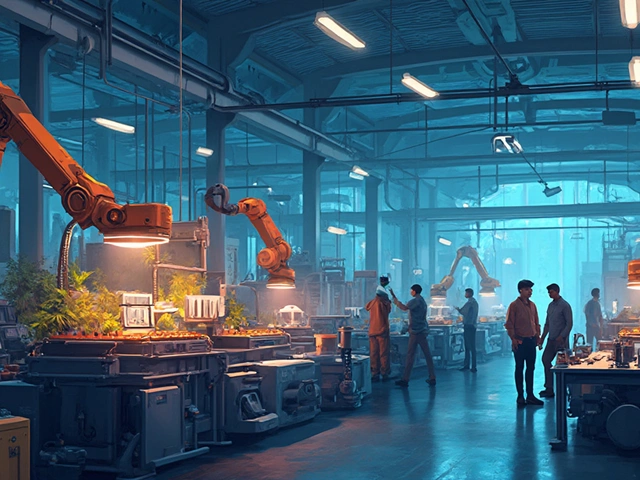
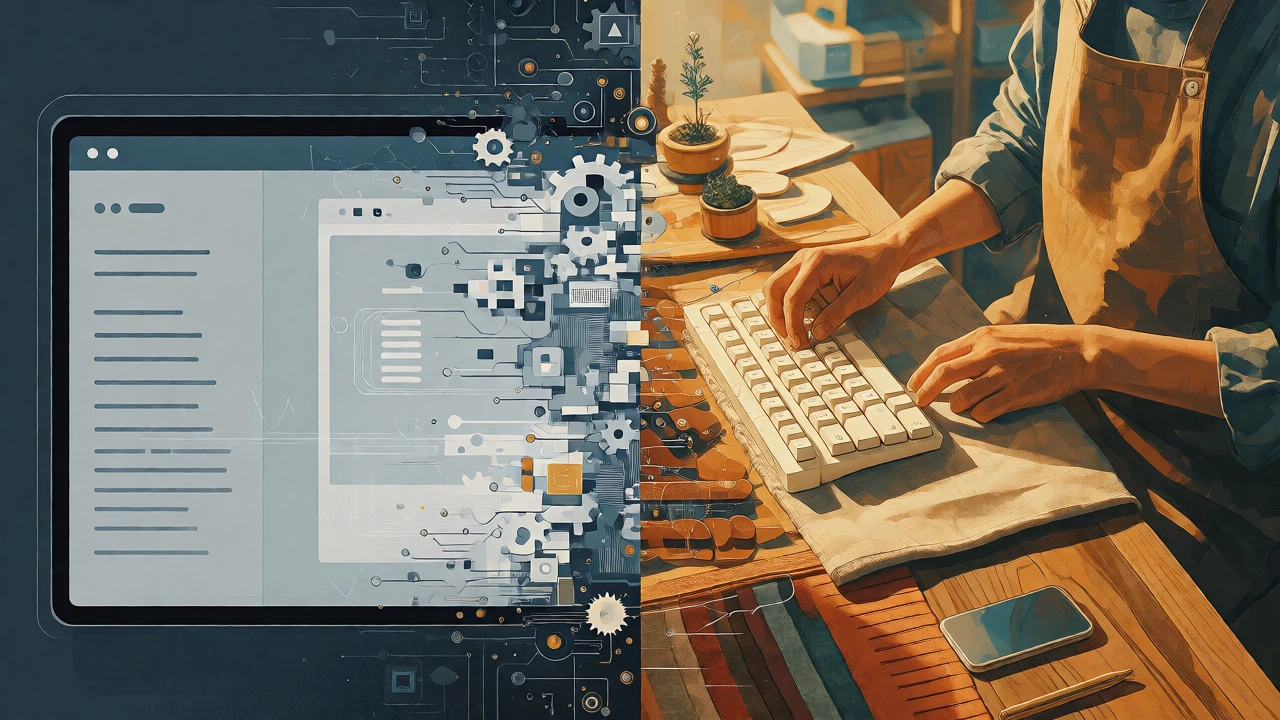
This isn't about going back to hand-hammering every nail. It's about using modern tools-like laser cutters, CNC machines, and 3D printers-to produce high-quality goods at a volume that large factories ignore. Large manufacturers need orders of ten thousand units to make a profit. A small business can thrive on orders of fifty. That gap is where the opportunity lives. The "popularity" of these businesses comes from their ability to pivot fast. If a new trend hits TikTok, a small manufacturer can have a prototype ready in days, not months.
Food Processing: The Undisputed King of Small-Scale Production
If we had to pick one single category that defines the "most popular" small manufacturing business, it would be food processing. Not farming, but processing. Turning raw ingredients into shelf-stable, branded products. Think hot sauce, craft beer, specialty jams, or gluten-free snacks.
Why is this so dominant? First, people eat. Every day. Three times a day. Demand is inelastic. Second, the barrier to entry has dropped significantly. You no longer need a million-dollar facility to start. Many regions offer shared commercial kitchens or co-packing facilities where you can rent time by the hour. This allows you to test a recipe, build a brand, and sell locally before investing in your own equipment.
| Factor | Impact on Success | Typical Startup Cost (UK) |
|---|---|---|
| Product Shelf Life | High. Longer shelf life reduces waste and expands shipping radius. | £500 - £2,000 (Testing & Packaging) |
| Local Sourcing | Medium. Builds brand story but increases logistics complexity. | Variable |
| Regulatory Compliance | Critical. Failure here stops sales entirely. | £1,000 - £3,000 (Licenses & Insurance) |
| Brand Differentiation | High. Generic commodities compete on price; brands compete on value. | £500+ (Design & Marketing) |
A prime example is the rise of small-batch condiment makers. In Birmingham alone, I’ve seen dozens of micro-brands launching unique chili sauces or fermented hot sauces. They start at farmers' markets, move to independent grocers, and eventually hit supermarket shelves. The key isn't just the taste; it's the narrative. People buy the story of the founder who spent two years perfecting the fermentation process.
Custom Furniture and Woodworking
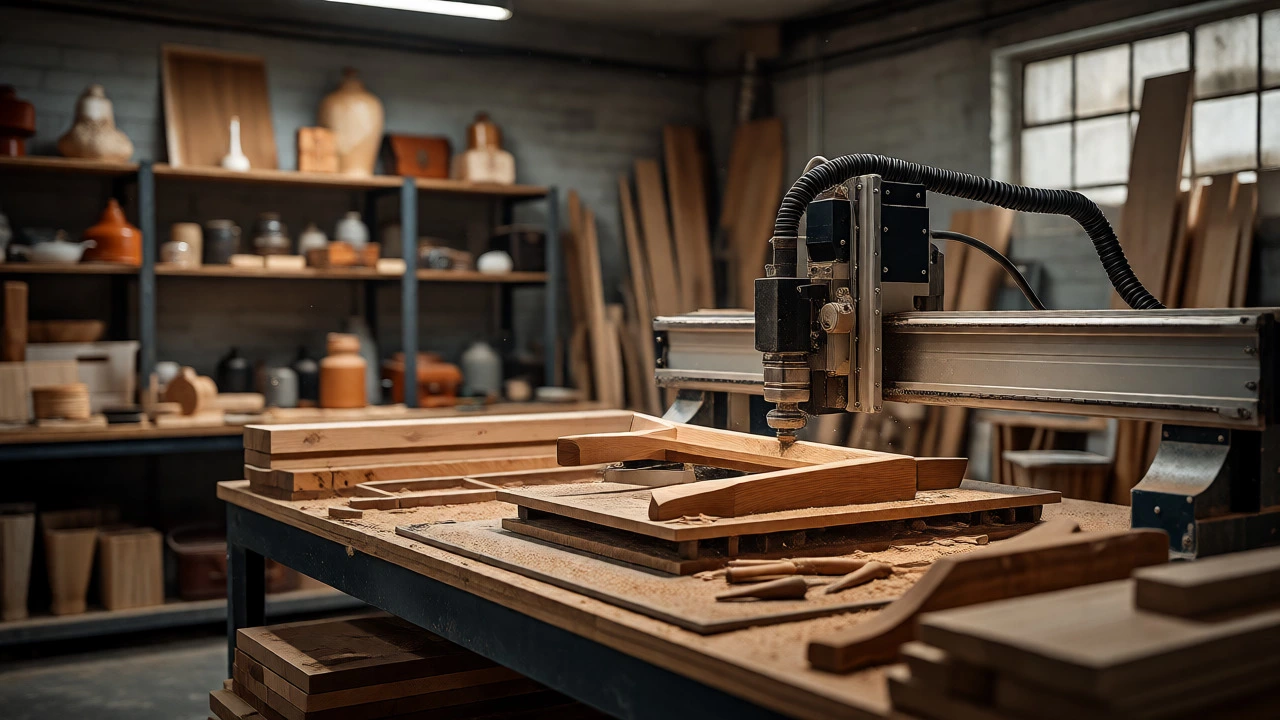
Next up is woodworking. While IKEA dominates the flat-pack market, there is a massive void in the mid-range for custom, solid-wood furniture. Mass-produced furniture often uses particleboard and veneers that peel after five years. Consumers are increasingly aware of this and are willing to pay a premium for durability and aesthetics.
CNC routers have democratized this industry. Ten years ago, complex joinery required skilled manual labor that was hard to find. Now, a designer can model a chair in CAD software and let a machine cut the pieces with millimeter precision. This allows a solo entrepreneur or a two-person team to handle volume that previously required a workshop of ten people.
The popularity here stems from the "buy less, buy better" movement. Customers aren't buying six cheap chairs; they're buying one dining table that will last twenty years. As a small business owner, you’re not competing on price against Amazon. You’re competing on quality and customization. Want the table legs tapered differently? Done. Want a specific wood stain? Easy. This flexibility is your superpower.

Textiles and Apparel: Beyond Fast Fashion
The textile industry is often cited as dying in the West, but that’s only true for mass-market fast fashion. Small-scale apparel manufacturing is booming, particularly in the realm of technical gear and sustainable clothing. Think hiking socks, merino wool base layers, or organic cotton t-shirts produced in limited runs.
One reason this sector remains popular is the low initial inventory risk. With print-on-demand services, you can sell designs without holding stock. However, for true manufacturing, small batch sewing workshops are thriving. They cater to boutique brands that can’t meet the minimum order quantities (MOQs) of overseas factories. If you know how to sew, or can hire a local seamstress, you can launch a line of reusable produce bags, tote bags, or baby clothes with minimal capital.
Consider the environmental angle. Shipping a cotton t-shirt from Bangladesh generates significant carbon emissions. Local production appeals to eco-conscious buyers. By marketing your product as "Made in the UK," you tap into a growing demographic that prioritizes sustainability over the lowest possible price tag.
Niche Electronics and Hardware Assembly
You might assume electronics is dominated by giants like Apple or Samsung. But there’s a vibrant sub-sector for small hardware startups. This involves assembling specialized devices: mechanical keyboards, retro gaming consoles, smart home sensors, or audio equipment like guitar pedals.
Open-source hardware communities drive much of this activity. Developers create a circuit board design, and small manufacturers assemble it. The advantage here is high margins. A custom mechanical keyboard switch can sell for $1-$2 per unit to manufacture and retail for $5-$10. The enthusiast market is passionate and willing to spend on quality components.
However, this path requires more technical expertise. You need to understand supply chains for components like chips and connectors, which can face global shortages. Still, for those with an engineering background, this is one of the most lucrative small business models because it combines intellectual property with physical product.
How to Choose Your Niche
So, which one is right for you? Don't just pick what sounds cool. Look at your resources and constraints.
- Budget: Food processing and textiles generally require lower upfront capital than metal fabrication or electronics.
- Skills: Are you good with your hands? Woodworking or tailoring fits. Are you good with code? Electronics assembly or 3D printing fits.
- Market Access: Can you get your product in front of customers? Food sells well at markets and online. Custom furniture often relies on word-of-mouth and social media visuals.
A common mistake is trying to do everything yourself. Successful small manufacturers often outsource non-core tasks. You focus on design and quality control; you rent kitchen space for cooking, use a co-working maker space for cutting wood, or partner with a fulfillment center for shipping.
Common Pitfalls to Avoid
Even in popular sectors, failure rates are high. Why? Usually because of poor cash flow management. Manufacturing ties up cash in inventory. You buy materials, pay for labor, and then wait for sales. If you underestimate lead times, you’ll run out of cash before you run out of stock.
Another trap is ignoring regulations. In food, hygiene standards are strict. In toys, safety certifications are mandatory. Skipping these steps to save money initially often leads to expensive recalls later. Always budget for compliance testing early in your planning phase.
Finally, don't underprice your product. Small-scale manufacturing costs more per unit than mass production. If you try to match Chinese factory prices, you’ll go bankrupt. Price based on the value you provide: quality, speed, customization, and ethical production.
Is small scale manufacturing still profitable in 2026?
Yes, profitability has increased due to rising consumer preference for local, sustainable, and high-quality goods. Automation tools have also reduced labor costs, allowing smaller batches to remain viable.
Do I need a lot of money to start a manufacturing business?
Not necessarily. Many entrepreneurs start with under £5,000 by renting shared spaces (like commercial kitchens or maker labs) and outsourcing initial production runs until they validate their market.
Which manufacturing niche has the lowest barrier to entry?
Food processing and print-on-demand apparel typically have the lowest barriers. You can start with home-based licenses or dropshipping models before investing in heavy machinery.
How important is branding in small manufacturing?
Crucial. Since you cannot compete on price with mass producers, your brand story, aesthetic, and customer service are the primary differentiators that justify higher price points.
Can I automate my small manufacturing process?
Absolutely. Tools like CNC machines, laser cutters, and automated packaging lines are affordable enough for small businesses, significantly increasing output without hiring additional staff.