Small-Scale Manufacturing Profit Calculator
Cost Breakdown (Per Unit)
Revenue Analysis
Starting a manufacturing business doesn't require millions in venture capital. In fact, some of the most profitable ventures begin with less than £500. The real question isn't just about finding the cheapest option; it's about identifying which small scale manufacturing business model allows you to generate cash flow quickly while keeping overheads near zero. Many aspiring entrepreneurs get stuck trying to build factories before they have customers. This approach kills businesses before they start. Instead, you need to look at models where equipment costs are minimal, raw materials are cheap or free, and demand is immediate.
The Reality of Low-Cost Manufacturing
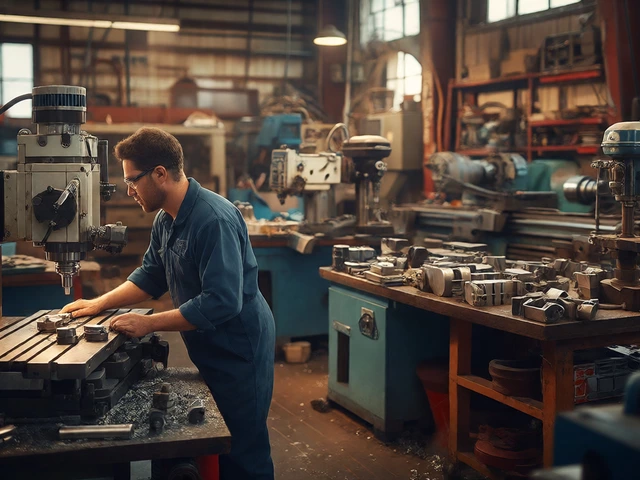
When people ask what is the cheapest business to start, they often think of dropshipping or digital products. But physical goods have higher margins if you control production. The key constraint in micro-manufacturing producing goods on a very small scale, often from home or a garage is space and power. You don't need a warehouse. You need a table, a tool, and a reliable way to ship. The barrier to entry has dropped significantly due to affordable technology. A basic 3D printer now costs less than a high-end laptop. A used sewing machine can be found for under £100. These tools allow you to create tangible value without renting industrial space.
The goal here is speed to revenue. If you spend six months setting up, you burn cash. If you can sell your first unit in two weeks, you validate the idea. We will look at specific industries where this is possible today in the UK market.
Top 5 Cheapest Manufacturing Businesses to Start
Not all low-cost ideas are equal. Some require skills you might not have. Others have saturated markets. Here are five viable options that balance low startup cost with decent profit potential.
1. Customized Resin Crafts and Jewelry
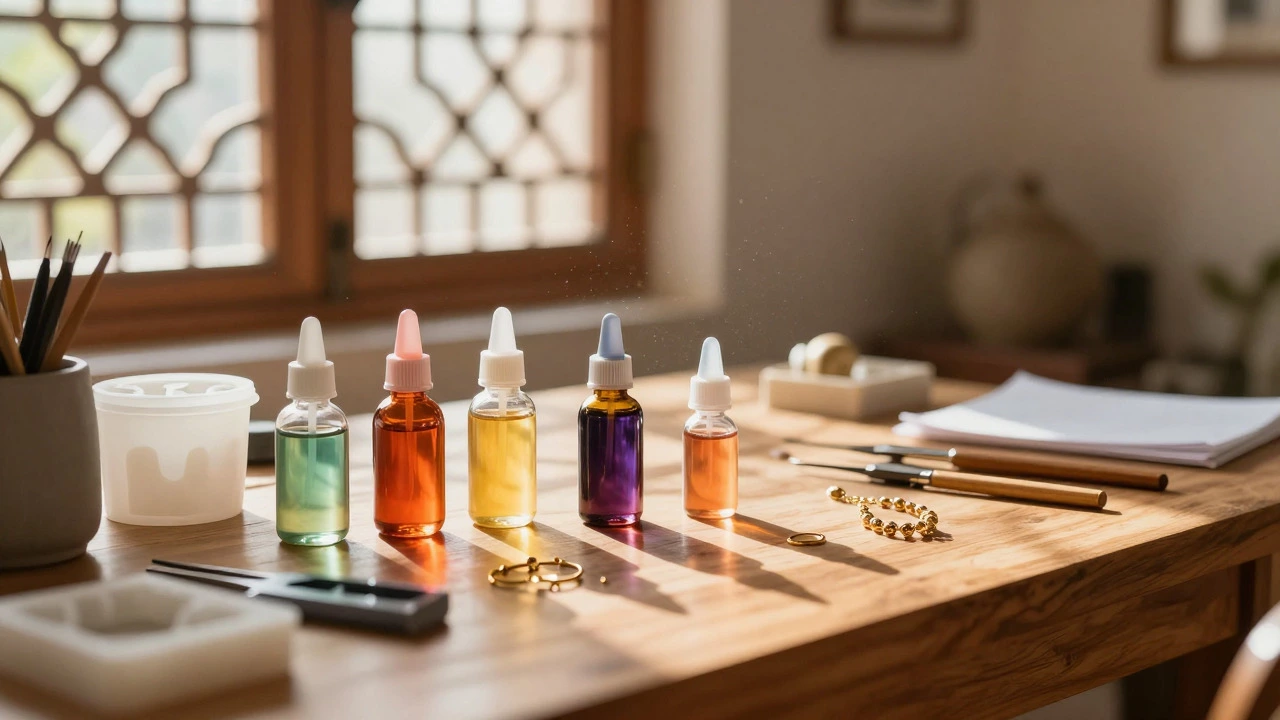
Epoxy resin crafting a process using liquid resin that hardens into a durable, glass-like finish remains one of the lowest barriers to entry. You need molds, resin, pigments, and safety gear. Total startup cost: £150-£300. The margin is high because raw materials are cheap, but the perceived value of custom art pieces is high. People pay for uniqueness. You can make coasters, jewelry, phone cases, and even small furniture accents. The learning curve is moderate-you need to learn mixing ratios and curing times-but tutorials are abundant. The risk is low because unsold inventory doesn't expire quickly.
2. Upcycled Furniture Restoration
This isn't traditional manufacturing, but it fits the model. You buy broken or ugly furniture from charity shops or kerbside collections for £5-£20. You sand, paint, and repair it. You sell it for £100-£300. Your tools are sandpaper, paint, brushes, and maybe a drill. Startup cost: under £100. The skill required is aesthetic judgment and basic carpentry. The market for vintage and rustic furniture is strong in the UK. You are adding value through labor and design, not mass production. This teaches you customer acquisition and branding, which applies to any manufacturing business later.
3. Home-Based Candle Making
Candle making the process of creating candles from wax, wicks, and fragrances is classic for a reason. Wax, wicks, and fragrance oils are inexpensive. You can buy supplies in bulk online. Startup cost: £200-£400. The challenge is differentiation. Generic vanilla candles are everywhere. To succeed, you need a niche: eco-friendly beeswax, local botanical scents, or unique shapes. Packaging matters more than the product itself here. Gift buyers care about how it looks. This business scales well once you find a winning scent profile.
4. Print-on-Demand Apparel (Hybrid Model)
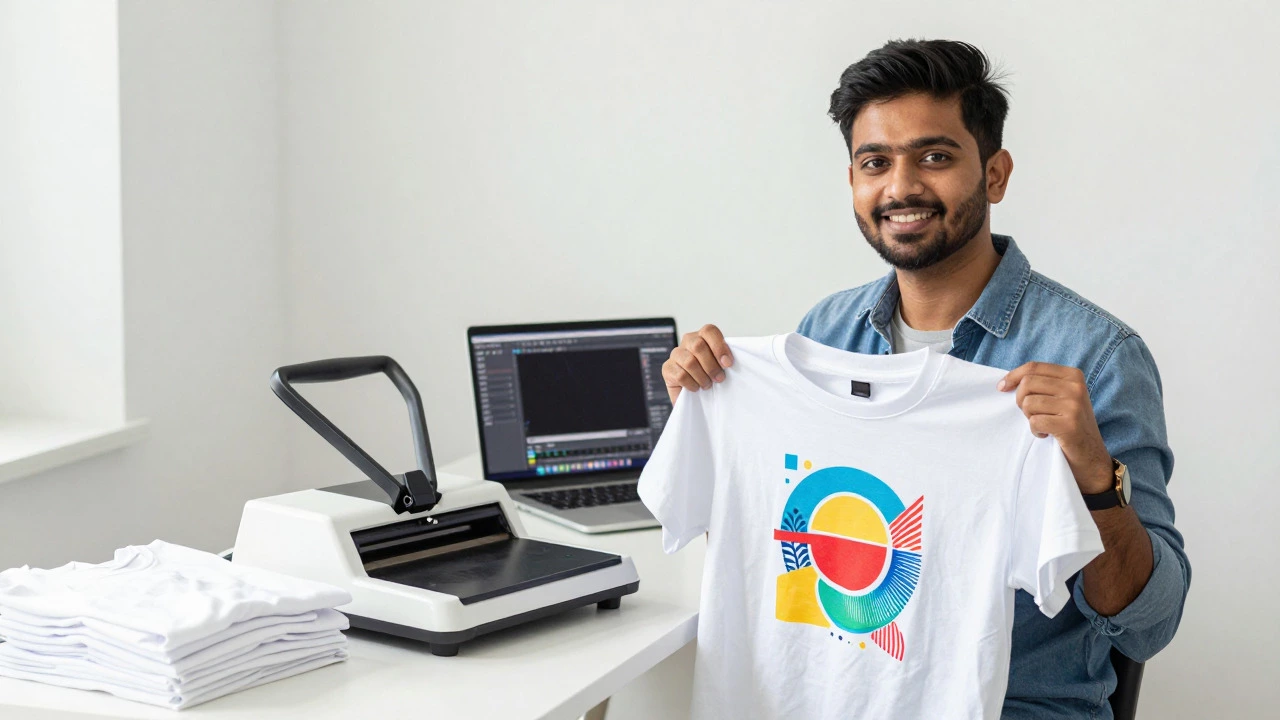
Pure print-on-demand services charge high fees. A better approach is buying a heat press and blank t-shirts. A decent heat press costs £150-£300. Blank shirts cost £2-£3 each. You print designs yourself. This gives you full control over quality and timing. You keep more profit per unit. The "manufacturing" part is the printing process. You need graphic design skills or hire someone cheaply on Fiverr. The advantage is zero inventory risk until you sell. You only print when an order comes in. This works best for local events, sports teams, or niche hobbies.
5. Simple Food Processing: Spice Blends or Dried Herbs
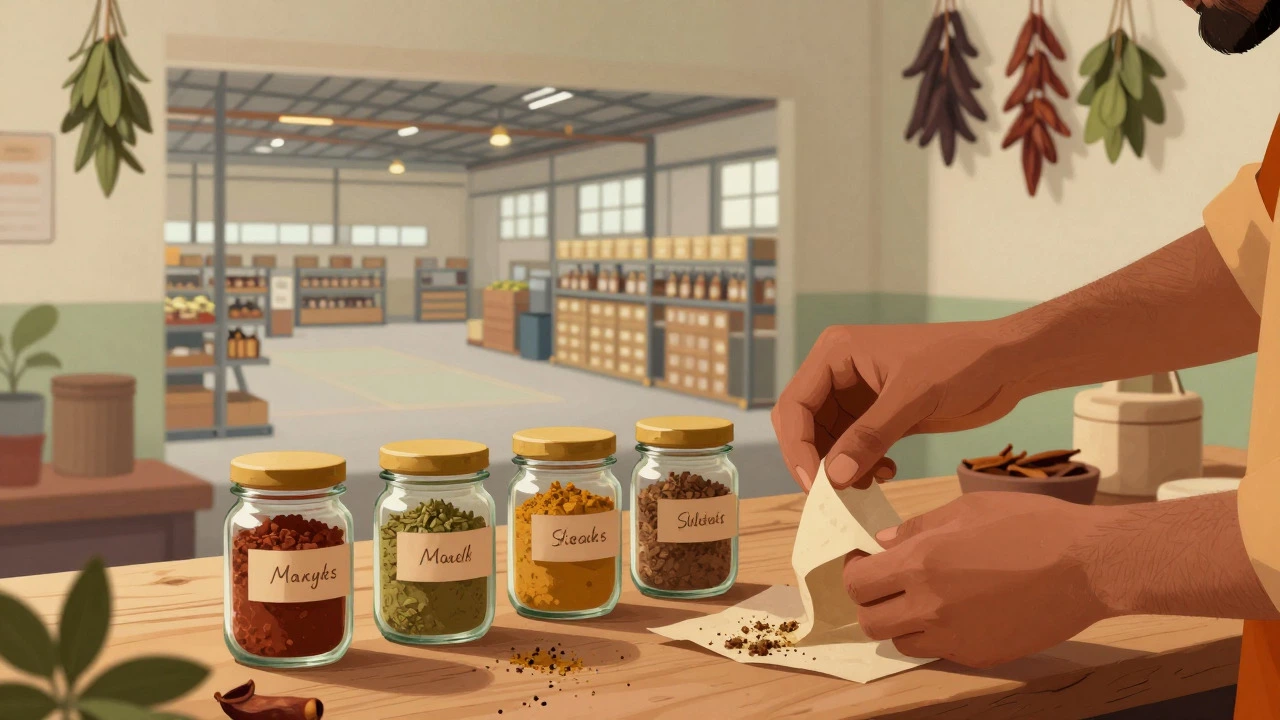
If you have a kitchen, you can start processing food. Buying bulk spices or herbs and blending them into unique mixes is low-cost. You need jars, labels, and a grinder. Startup cost: £100-£200. However, food regulations are strict. In the UK, you must register as a food business with your local council. It’s free, but you need hygiene training. This adds time but builds credibility. Selling locally at farmers' markets avoids shipping costs initially. Freshness is your selling point against supermarket brands.
| Business Type | Estimated Startup Cost (£) | Skill Level Required | Time to First Sale | Scalability |
|---|---|---|---|---|
| Resin Crafts | 150 - 300 | Medium (Learning Curve) | 2-4 Weeks | High (Online Sales) |
| Furniture Upcycling | 50 - 100 | Medium (Physical Labor) | 1-2 Weeks | Low (Labor Intensive) |
| Candle Making | 200 - 400 | Low-Medium | 2-3 Weeks | Medium (Batch Production) |
| Heat Press Apparel | 150 - 300 | Low (Design Dependent) | 1 Week | High (Automation Possible) |
| Spice Blending | 100 - 200 | Low (Regulations Apply) | 3-4 Weeks (Due to Compliance) | Medium (Local Markets) |
Hidden Costs That Kill Cheap Businesses
Everyone focuses on the price of the machine. Few people budget for compliance and marketing. In the UK, you need to consider:
- Business Registration: Registering as self-employed with HMRC is free, but you need to set aside money for taxes.
- Insurance: Public liability insurance is essential if you sell to the public. It costs around £100-£200 per year.
- Packaging: Don't underestimate this. Cheap packaging makes your product look cheap. Invest in branded boxes or bags.
- Shipping Materials: Boxes, tape, and labels add up. Buy in bulk after your first ten sales.
- Platform Fees: Etsy takes 6.5% + payment processing. eBay takes around 10-12%. Factor this into your pricing.
A common mistake is pricing based on material cost only. You must price based on value and include labor. If a candle costs £2 in materials and takes 30 minutes to make, and you want to earn £15/hour, your base cost is £9.75. Sell it for £18 to cover overheads and profit.
How to Validate Your Idea Before Spending Money
Before you buy resin or a heat press, test the demand. Use these steps:
- Search Competitors: Look on Etsy, Amazon, and Facebook Marketplace. Are there many sellers? If yes, is there room for a different style? High competition means high demand.
- Create Mockups: Use free tools like Canva to create images of your product. Post them in relevant Facebook groups or Reddit communities. Ask for feedback, not just likes.
- Pre-Sell: List the item as "Made to Order." See if anyone clicks "Buy." If you get inquiries, you have validation. Then go buy the materials.
- Check Local Regulations: For food or cosmetics, check with your local council early. Some zones restrict home-based manufacturing.
Scaling From Garage to Factory
Once you have consistent sales, reinvest profits into efficiency. For resin crafts, buy larger molds to make multiple items at once. For apparel, upgrade to a larger heat press or automate cutting. For candles, invest in a melting pot that handles larger batches. The transition from hobby to business happens when you systemize. Document every step. Create standard operating procedures. This allows you to hire help later without losing quality.
Don't rush to rent a workshop. Keep working from home as long as possible. Every pound saved on rent is a pound added to profit. Only move when your output exceeds your home space capacity or when zoning laws force you out.
Common Pitfalls to Avoid
Many beginners fail because they ignore basics. Avoid these traps:
- Overcomplicating the Product: Start simple. One SKU (Stock Keeping Unit) is better than ten. Master one product before expanding.
- Ignoring Branding: Your logo, website, and social media presence matter. People buy stories, not just objects. Tell why you make what you make.
- Poor Photography: Bad photos kill sales. Use natural light. Clean backgrounds. Show the product in use.
- Neglecting Customer Service: Reply fast. Handle returns gracefully. Happy customers become repeat buyers and referrers.
Final Thoughts on Starting Small
The cheapest business to start is the one that solves a problem you understand and enjoys making. Passion fuels persistence. When things get tough-and they will-your interest in the craft keeps you going. Small scale manufacturing is not about getting rich quick. It's about building a sustainable income stream with control over your time. Start with £200. Learn the ropes. Reinvest. Grow slowly. That is the path to success.
Is it legal to manufacture goods at home in the UK?
Yes, it is generally legal to manufacture goods at home in the UK, provided you comply with health and safety regulations. For food, cosmetics, or electrical items, specific standards apply. You must register with your local council if you produce food. Check your lease agreement if you rent, as some landlords prohibit commercial activities.
How much money do I need to start a small manufacturing business?
You can start with as little as £100-£300 depending on the industry. Resin crafts, candle making, and upcycling require minimal equipment. The key is to buy used tools and source raw materials in small quantities initially to minimize waste.
What is the most profitable small-scale manufacturing business?
Profitability depends on your niche and marketing. Generally, customized items like personalized jewelry, bespoke candles, and printed apparel have high margins because customers pay for uniqueness. Digital products combined with physical goods also offer high profitability due to low marginal costs.
Do I need a business license to sell handmade goods?
In the UK, you do not need a specific "business license" for most handmade goods, but you must register as self-employed with HMRC if your annual income exceeds £1,000. You may need additional permits for food, toys, or cosmetics to ensure safety compliance.
Where can I sell my manufactured products online?
Popular platforms include Etsy, eBay, Amazon Handmade, and Shopify. Etsy is ideal for handmade and vintage items. Amazon offers massive reach but higher fees. Building your own website via Shopify gives you full control but requires driving your own traffic through social media and ads.