SAP Food Processing Module Explorer
Select a module below to see how it solves critical problems in the food industry.
SAP S/4HANA
Core PlatformSAP QM
Quality ControlSAP PM
Plant MaintenanceSAP EWM
Warehouse MgmtSelect a module on the left to explore its role in food safety and efficiency.
Imagine a scenario where a single ingredient recall forces you to shut down production lines across three continents. In the food industry, this isn't just an inconvenience; it's a crisis that can destroy your brand overnight. This is exactly why SAP is a leading enterprise resource planning (ERP) software suite designed to manage business processes, with specialized modules for complex industries like food and beverage has become indispensable for modern processors.
You might wonder why a generic business tool is so critical for making bread or bottling soda. The answer lies in complexity. Food processing isn't just about mixing ingredients; it's about strict regulatory compliance, volatile raw material costs, and the absolute necessity of tracking every gram of product from farm to fork. SAP provides the digital backbone that makes this possible.
The Core Problem: Why Food Processing Needs Specialized Software
General accounting software fails in food manufacturing because it doesn't understand the unique nature of perishable goods. When you bake cookies, you don't just lose inventory if they burn; you face health hazards. When you store milk, temperature fluctuations matter more than shelf location. Standard tools treat all inventory as static boxes. Food processing requires dynamic tracking of quality, expiration dates, and batch origins.
This gap creates several operational headaches:
- Lack of Traceability: If a supplier sends contaminated flour, you need to know exactly which batches of bread used it within minutes, not days.
- Regulatory Pressure: Agencies like the FDA (in the US) or the FSA (in the UK) demand rigorous documentation for hygiene and safety standards.
- Waste Management: Perishables expire. Without precise "first-expired-first-out" (FEFO) logic, profit margins vanish into spoilage.
SAP addresses these issues by integrating finance, logistics, production, and quality control into a single system. It ensures that when a production order is created, the system automatically checks if the required raw materials meet specific quality criteria before they are even released to the factory floor.
Key SAP Modules for Food and Beverage
SAP isn't a one-size-fits-all button. For food processors, specific modules work together to handle the industry's demands. Understanding these components helps you see how the technology translates to daily operations.
| Module Name | Primary Function | Food Industry Application |
|---|---|---|
| SAP S/4HANA | Core ERP Platform | Real-time data processing for global supply chains and financial consolidation. |
| SAP QM (Quality Management) | Quality Control | Manages inspections, certificates of analysis (CoA), and recalls based on batch attributes. |
| SAP PM (Plant Maintenance) | Equipment Care | Schedules cleaning cycles (CIP/SIP) and prevents contamination from broken machinery. |
| SAP EWM (Extended Warehouse Management) | Logistics | Handles cold chain requirements, FEFO picking strategies, and hazardous material storage. |
The integration between these modules is where the magic happens. For instance, SAP QM can block a batch of raw tomatoes if pesticide levels are too high. This block automatically triggers in SAP MM (Materials Management), preventing procurement from ordering more from that supplier until the issue is resolved. Meanwhile, SAP PP (Production Planning) adjusts schedules to use alternative approved ingredients, ensuring no downtime occurs.
Traceability: The Lifeline of Food Safety
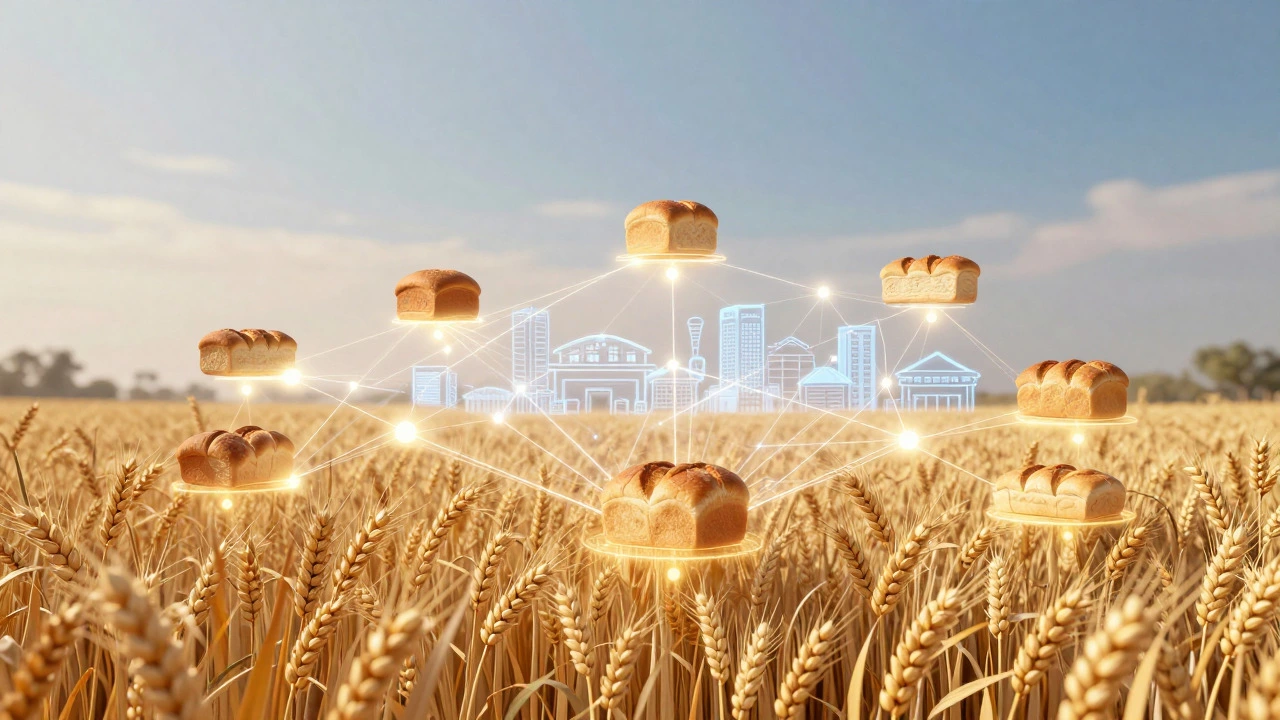
In the food industry, traceability is not a feature; it is a survival mechanism. Consumers and regulators demand to know the origin of every ingredient. SAP enables full forward and backward traceability. Backward traceability allows you to identify the source of a defect (e.g., which farm supplied the wheat). Forward traceability lets you determine where a defective product went (e.g., which retail stores received the contaminated cereal).
This process relies heavily on Batch Management. Every time a raw material enters your facility, it receives a unique batch number. As this material moves through mixing, cooking, packaging, and shipping, the batch information is linked to each subsequent stage. If a problem arises, you can query the system to find all affected finished goods in seconds. This speed reduces the scope of recalls, saving millions in lost revenue and protecting consumer trust.
Managing Allergens and Cross-Contamination
Allergen management is perhaps the most critical aspect of modern food processing. A trace amount of peanuts in a nut-free facility can be fatal. SAP helps mitigate this risk through strict segregation rules and labeling controls.
The system can define specific "allergen groups" for materials. During production planning, SAP can schedule runs to minimize changeovers between allergen-containing and non-allergen products. For example, it might prioritize producing gluten-free items first thing in the morning after a deep clean, reducing the risk of cross-contamination from previous shifts.
Furthermore, during packaging, the system verifies that the correct label-listing all relevant allergens-is applied to the right product. Scanners at the packing line can check the label against the batch record. If there’s a mismatch, the line stops automatically. This human-error-proofing is vital for compliance with laws like the FIC (Food Information Regulation) in Europe or FSMA (Food Safety Modernization Act) in the US.
Optimizing Supply Chain and Waste Reduction
Food has a short shelf life. Inventory that sits too long becomes waste. SAP’s advanced planning capabilities help balance supply and demand more accurately. By analyzing historical sales data, seasonal trends, and promotional calendars, the system predicts how much raw material to order and how much finished good to produce.
This precision reduces overproduction. Additionally, SAP supports Just-in-Time (JIT) delivery for perishables. Instead of storing lettuce for weeks, you coordinate with suppliers to deliver it exactly when needed for processing. This minimizes storage costs and maximizes freshness.
For waste that does occur, SAP tracks it meticulously. You can analyze waste reports to identify patterns. Is waste higher on Tuesday mornings? Is it linked to a specific machine or shift? These insights allow continuous improvement, turning waste data into cost-saving opportunities.
Implementation Challenges and Best Practices
Adopting SAP is not plug-and-play. It requires significant changes to how your business operates. Many companies fail because they try to replicate their old, inefficient processes in the new system. Instead, you should align your workflows with SAP’s best practices, known as "Best Practices" or "Pre-configured Processes."
Key challenges include:
- Data Migration: Cleaning up messy legacy data before moving it to SAP is crucial. Garbage in, garbage out.
- User Training: Factory workers and warehouse staff need intuitive interfaces. Complex screens lead to errors. Invest in role-based training.
- Change Management: Employees may resist new systems. Communicate the benefits clearly, such as easier recall handling and less manual paperwork.
Start with a pilot project. Implement SAP for one product line or one facility first. Learn from mistakes, refine configurations, and then scale up. This phased approach reduces risk and builds internal expertise.
The Future: AI and Sustainability in Food ERP
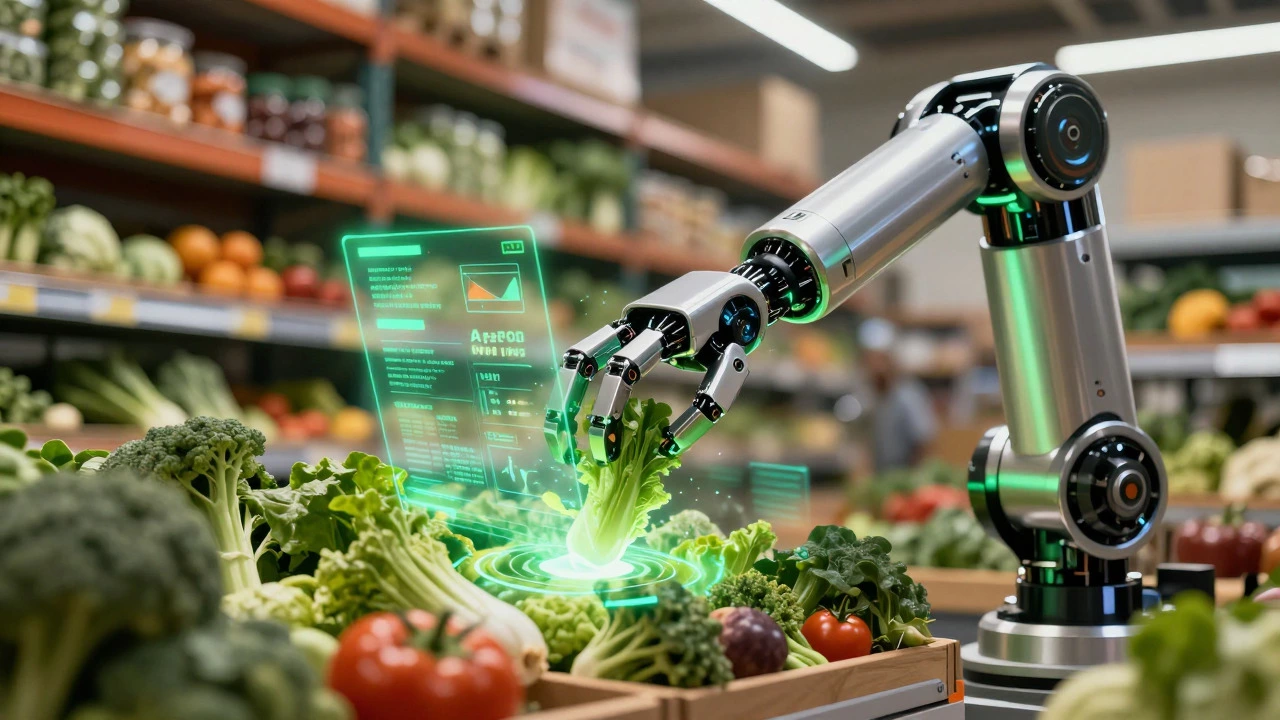
As technology evolves, SAP continues to integrate artificial intelligence (AI) and sustainability features. AI algorithms can predict equipment failures before they happen, preventing unplanned downtime that could spoil entire batches. Machine learning models analyze sensor data from cold storage units to alert managers if temperatures drift outside safe ranges.
Sustainability is also becoming a core metric. SAP helps track carbon footprints across the supply chain. From the fuel used by trucks transporting raw materials to the energy consumed in ovens, every impact is recorded. This data supports corporate social responsibility (CSR) goals and meets growing consumer demand for eco-friendly products.
In summary, SAP in food processing is more than software; it is a strategic asset that ensures safety, efficiency, and compliance. By mastering traceability, managing allergens, and optimizing supply chains, food processors can navigate complex regulations while delivering high-quality products to consumers.
Is SAP only for large food manufacturers?
While SAP was traditionally associated with large enterprises, its cloud-based solutions like SAP Business ByDesign and SAP S/4HANA Cloud have made it accessible to mid-sized companies. However, smaller businesses might find simpler ERPs more cost-effective initially. The decision depends on your complexity, growth plans, and regulatory burden.
How does SAP handle recipe management?
SAP uses Bill of Materials (BOM) and Routings to manage recipes. BOMs list all ingredients and their quantities, while Routings define the steps and resources needed for production. Versions allow you to test new formulations without disrupting current production. Changes are tracked for audit purposes.
Can SAP integrate with IoT sensors in factories?
Yes, SAP integrates seamlessly with Internet of Things (IoT) devices. Sensors monitoring temperature, humidity, or pressure can send real-time data directly to SAP. This enables automated quality checks and predictive maintenance, enhancing both safety and efficiency.
What is the typical ROI for implementing SAP in food processing?
ROI varies but often comes from reduced waste, lower recall costs, and improved labor efficiency. Companies typically see a return within 18 to 36 months. Key metrics include decreased spoilage rates, faster order fulfillment, and reduced administrative overhead for compliance reporting.
Does SAP support organic and non-GMO certification tracking?
Absolutely. SAP allows you to assign special characteristics to materials, such as "Organic" or "Non-GMO." The system ensures these certified materials are kept separate from conventional ones throughout the supply chain. It generates necessary documentation for auditors, simplifying the certification process.