ROM Management Estimator
Input your daily waste data to identify the most cost-effective and sustainable disposal pathway for your facility.
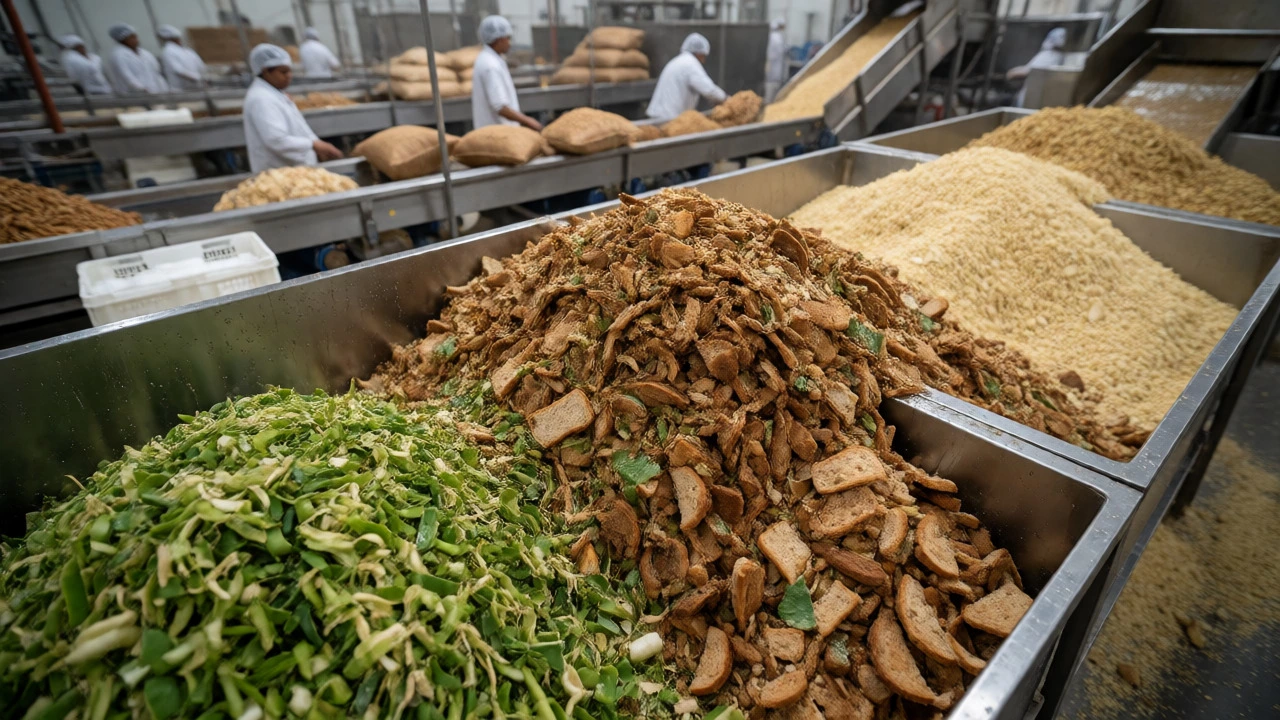
You are standing in a factory kitchen or a large-scale food plant. The air smells of yeast and warm dough. On the floor, there is a pile of vegetable peels, spoiled lettuce, and stale bread crusts. In your pocket, you have a smartphone running an operating system. You might know that ROM stands for Read-Only Memory in tech circles. But if you work in food processing, the conversion of raw ingredients into finished food products, ROM means something entirely different. It stands for Raw Organic Matter. This simple term describes the biological material that hasn't been processed yet, or the waste generated during processing that still holds significant energy value.
Why should you care about this acronym? Because mishandling ROM costs money. Properly managing it can turn a liability into an asset. Whether you run a small bakery or a massive industrial slaughterhouse, understanding what counts as ROM helps you decide how to handle waste, optimize inputs, and even generate power. Let’s break down exactly what ROM is, why it matters, and how you can use it to your advantage without getting bogged down in scientific jargon.
Defining Raw Organic Matter (ROM)
At its core, Raw Organic Matter refers to any carbon-based material derived from living organisms that has not undergone significant chemical transformation. In the context of food processing units, this includes everything from the initial agricultural produce entering the facility to the byproducts leaving it. Think of an apple. The whole apple is ROM. If you slice it, the slices are still ROM. If you juice it, the pulp left behind is ROM. Even if you bake the apple into a pie, the unsold, spoiled pies are considered ROM until they decompose or are incinerated.
The key distinction here is "organic" in the biological sense, not necessarily the certified agricultural label. It simply means the material comes from plants or animals. It contains carbon, hydrogen, oxygen, and often nitrogen. This composition makes it valuable. Unlike plastic or metal scrap, ROM can be broken down by microorganisms. This biological breakdown releases energy, which we can capture or utilize.
For beginners, it is crucial to separate ROM from general "trash." Not all trash is organic. A cardboard box is organic matter, but it is often treated with chemicals and glued together, making it less ideal for certain biological processes compared to fresh fruit scraps. However, both fall under the broad umbrella of biodegradable materials. In food processing, we focus on ROM because it is consistent, predictable, and abundant.
Types of ROM in Food Facilities
Not all raw organic matter is created equal. Different types require different handling methods. Knowing the difference saves you from clogging machines or ruining compost batches. We generally categorize ROM into three main streams based on their source and state.
- Agricultural Inputs: These are the raw materials before they enter the production line. Examples include wheat grains, sugar cane stalks, milk, meat carcasses, and vegetables. While these are technically ROM, they are high-value assets. Losses here are direct financial hits. Managing them involves storage and preservation rather than disposal.
- Processing Byproducts: This is where most confusion lies. When you mill flour, you get bran and germ as byproducts. When you press olives, you get pomace. When you brew beer, you get spent grain. These are pure ROM. They are nutrient-dense and often contain moisture. They are prime candidates for secondary uses like animal feed or biofuel.
- Post-Consumer Waste: This includes spoiled inventory, plate waste from cafeterias within the facility, and expired products. This ROM is often mixed with contaminants like packaging materials. Cleaning it up requires more effort before it can be used effectively.
Consider a dairy plant. The milk arriving at the door is input ROM. The whey separated during cheese making is a byproduct ROM. The yogurt tubs that failed quality control are post-consumer ROM. Each stream has a different moisture content and nutrient profile, requiring distinct management strategies.
Why ROM Management Matters
You might ask, "Why complicate things? Can't I just throw it away?" You can, but throwing away ROM is expensive. Landfill taxes are rising globally. In the UK, for instance, the Landfill Tax has incentivized businesses to divert organic waste. Furthermore, wet ROM creates leachate-a toxic liquid that drains from landfills-requiring costly environmental controls.
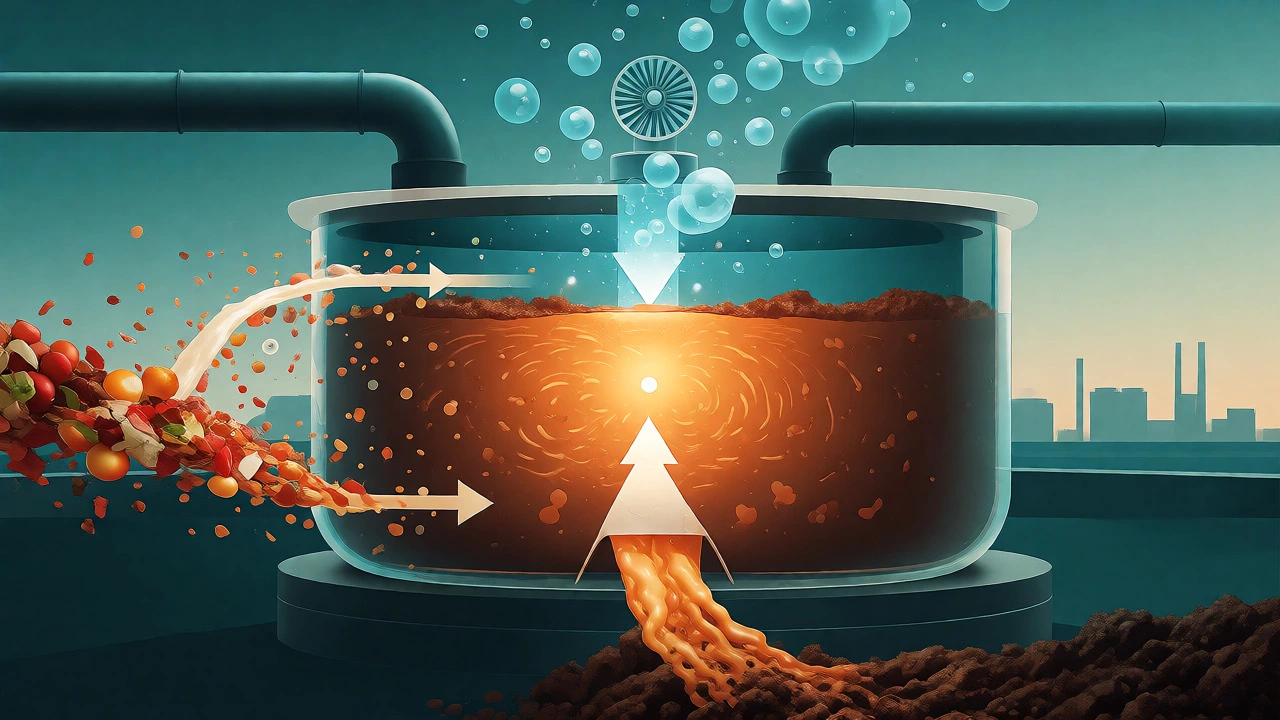
Beyond cost avoidance, ROM represents stored energy. One ton of wet food waste contains enough energy to heat a typical home for several days. If you discard it, you lose that potential. If you process it correctly, you can recover that energy. This is the principle behind anaerobic digestion. Microbes eat the ROM in an oxygen-free tank and release methane gas. That gas powers generators, producing electricity for your factory. Suddenly, your waste bill turns into an energy credit.
There is also the regulatory pressure. Governments are tightening rules on waste segregation. Mixing recyclables with organic waste leads to fines. Understanding what constitutes ROM ensures your team segregates correctly. It prevents contamination of recycling streams and keeps compliance audits smooth.
From Waste to Resource: Processing ROM
Once you identify the ROM, what do you do with it? The options depend on volume, type, and local infrastructure. Here are the most common pathways for food processing units.
Anaerobic Digestion (AD)
This is the gold standard for wet, high-energy ROM. Spent grain, fruit pulp, and dairy effluents work best here. The process breaks down solids into biogas and digestate. Biogas is renewable natural gas. Digestate is a nutrient-rich fertilizer. Many large breweries now install AD plants on-site. They reduce their carbon footprint and cut energy bills significantly.
Composting
If you have dry or semi-dry ROM like coffee grounds, husks, or wood chips, composting is effective. It requires oxygen, unlike AD. The end product is soil amendment. This is great for facilities near agricultural zones. You can sell the compost or use it for landscaping. Note that composting takes time and space. Odor control is critical to avoid complaints from neighbors.
Insect Farming
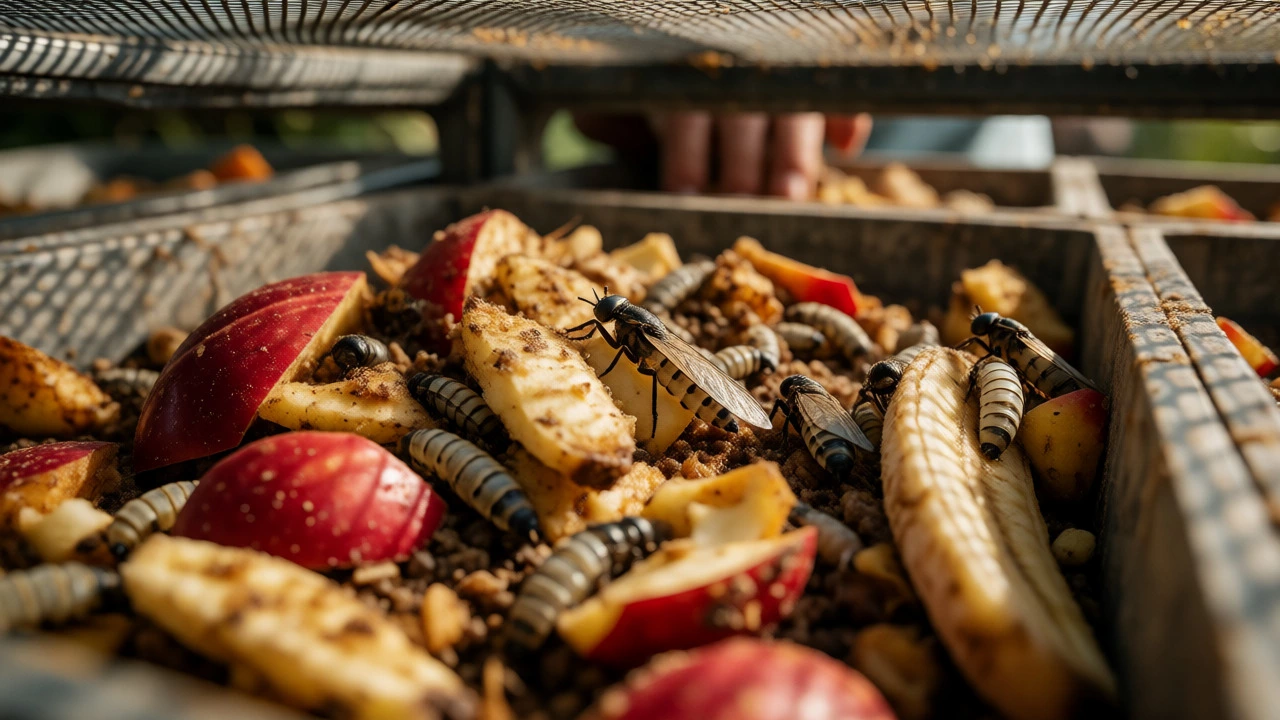
This is a growing trend. Black Soldier Fly larvae love ROM. They consume food waste rapidly and convert it into protein. The larvae themselves become animal feed for poultry or fish. The residue, called frass, is excellent fertilizer. For smaller units, insect farming offers a compact, low-tech solution to manage daily waste volumes.
Animal Feed
Some ROM is already suitable for livestock. Bakery waste goes to pigs. Spent grain goes to cows. This is the simplest route, provided the material is safe and free from pathogens. Regulations strictly govern feeding catering waste to animals, so check local laws. Usually, only pre-consumer waste (byproducts) is allowed without extensive treatment.
Challenges and Pitfalls
Handling ROM isn't always straightforward. Contamination is the biggest enemy. Plastic wrappers, stickers, and metal clips mixed with organic waste ruin compost and jam shredders. Implement strict training for staff. Use clear color-coded bins. Make sure everyone knows that a banana peel is ROM, but the sticker on it is not.
Moisture content is another hurdle. Wet ROM weighs more, increasing transport costs. Drying it consumes energy. Finding the balance is tricky. Sometimes, co-digestion helps. Mixing wet sludge with dry paper or sawdust balances the carbon-to-nitrogen ratio, improving efficiency in AD systems.
Seasonality affects supply. Fruit processors see huge spikes in ROM during harvest season. Your disposal capacity must scale accordingly. Contracting with multiple waste handlers or having on-site buffer storage prevents bottlenecks. Don't let a bumper crop of tomatoes overwhelm your waste logistics.
Practical Steps for Implementation
Ready to improve your ROM strategy? Start small. Audit your current waste streams. What comes out of your doors? Measure it. Is it mostly wet? Dry? Mixed? This data drives your decisions.
- Audit: Track waste weights for two weeks. Categorize by type (fruit, dairy, packaging).
- Segregate: Install dedicated bins for pure ROM at source points. Keep plastics out.
- Partner: Find local collectors who specialize in organics. Ask about their end-use methods (compost vs. AD).
- Monitor: Check collection frequency. Adjust bin sizes to prevent overflow or unnecessary pickups.
- Review: Annually review contracts. Prices fluctuate based on energy markets and policy changes.
Remember, technology changes fast. New enzymes accelerate decomposition. Better sorting robots reduce contamination. Stay open to pilot projects. Maybe your spent grain becomes a new product ingredient instead of fuel. Innovation often comes from rethinking what you thought was trash.
| Method | Best For | Output | Complexity |
|---|---|---|---|
| Anaerobic Digestion | Wet, high-energy waste (grain, pulp) | Biogas, Fertilizer | High |
| Composting | Dry/Mixed organic waste | Soil Amendment | Medium |
| Insect Farming | Fruit/Veg scraps, brewery waste | Protein Feed, Frass | Medium-High |
| Animal Feed | Clean byproducts (bread, whey) | Livestock Nutrition | Low |
Frequently Asked Questions
Is all food waste considered ROM?
Generally, yes, if it is biodegradable. However, cooked foods with heavy oils or salts may need special handling depending on the disposal method. Pure raw ingredients are the most versatile form of ROM.
Can I put packaging in my ROM bin?
No. Standard plastics, metals, and glass contaminate organic waste streams. Only certified compostable packaging might be acceptable, but check with your waste handler first. Clean ROM fetches better prices and processes more efficiently.
How does ROM differ from biomass?
Biomass is a broader term including wood, crops, and algae used for energy. ROM specifically refers to unprocessed or minimally processed organic material, often emphasizing its origin as waste or raw input in food contexts. All ROM is biomass, but not all biomass is food-related ROM.
What is the value of ROM for a small business?
For small businesses, the value is primarily cost reduction through lower landfill fees and improved sustainability branding. Large-scale energy recovery is usually reserved for bigger volumes, but selling byproducts like spent grain to local farmers remains viable.
Does temperature affect ROM processing?
Yes. High temperatures accelerate microbial activity in composting and digestion but can also cause odors if not managed. Cold weather slows down biological processes. Insulated tanks or indoor storage help maintain consistency year-round.