Small Scale Manufacturing Niche Finder
Select your primary skill set and available startup capital to discover the hottest manufacturing niche for you in 2026.
Recommended Niche
High MatchAll Hot Niches Overview
You walk into a hardware store or a boutique and wonder: who actually made this? For years, the answer was "a factory halfway across the world." But that script is flipping. In 2026, the hottest business isn't necessarily the one with the biggest stock price; it's the one you can start in your garage, warehouse, or small industrial unit. We're talking about small scale manufacturing. It’s agile, it’s local, and frankly, people are desperate for it.
Why now? Supply chains broke. Shipping costs skyrocketed. Customers started caring about where their stuff comes from. If you have some capital, a bit of grit, and a willingness to get your hands dirty, there are specific niches exploding right now. Let’s cut through the noise and look at what’s actually working for small manufacturers today.
The Rise of Niche Sustainable Packaging
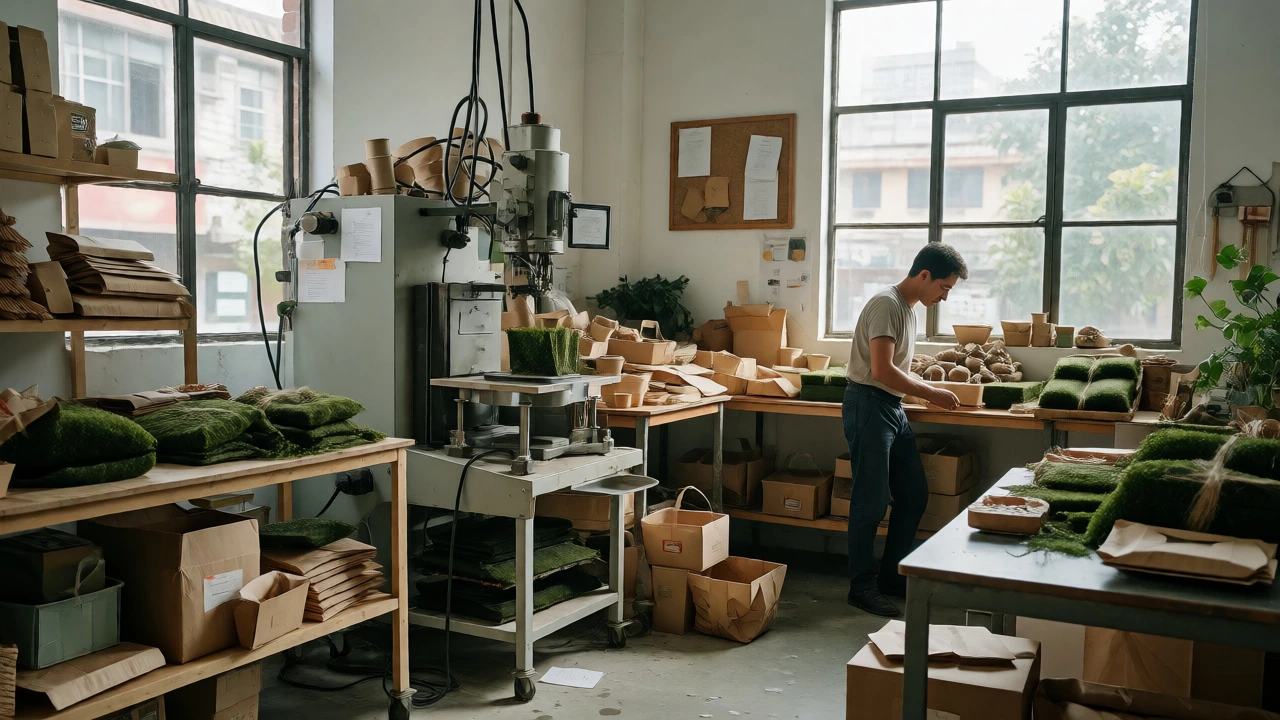
Plastic is getting demonized, but not all packaging is bad. The real opportunity lies in replacing single-use plastics with biodegradable alternatives. This isn't just about eco-guilt; it's about regulation. Governments in the UK and EU are slapping taxes on non-recyclable plastics. Small manufacturers who can produce mushroom-based packaging, seaweed wraps, or compostable mailers are printing money.
You don't need a massive plant. A semi-automated molding machine can fit in a standard workshop. The key here is B2B sales. You aren't selling to consumers directly; you're selling to e-commerce brands who need to ship products without using plastic tape or bubble wrap. These brands are hungry for suppliers who can deliver small batches quickly. Big factories want orders of 100,000 units. You can win by delivering 5,000 units in three days.
Custom Electronics Assembly and Prototyping
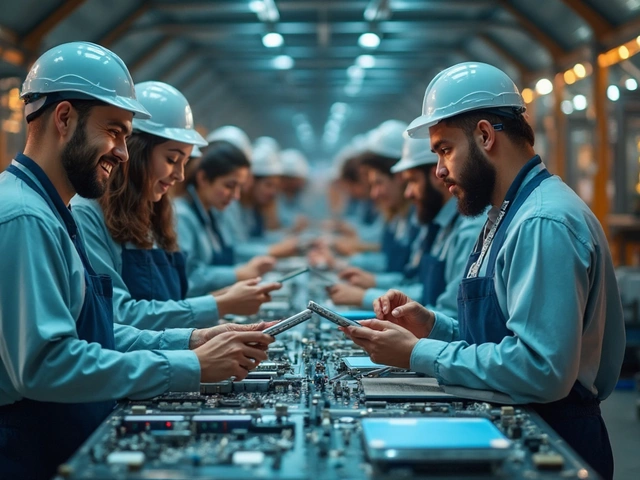
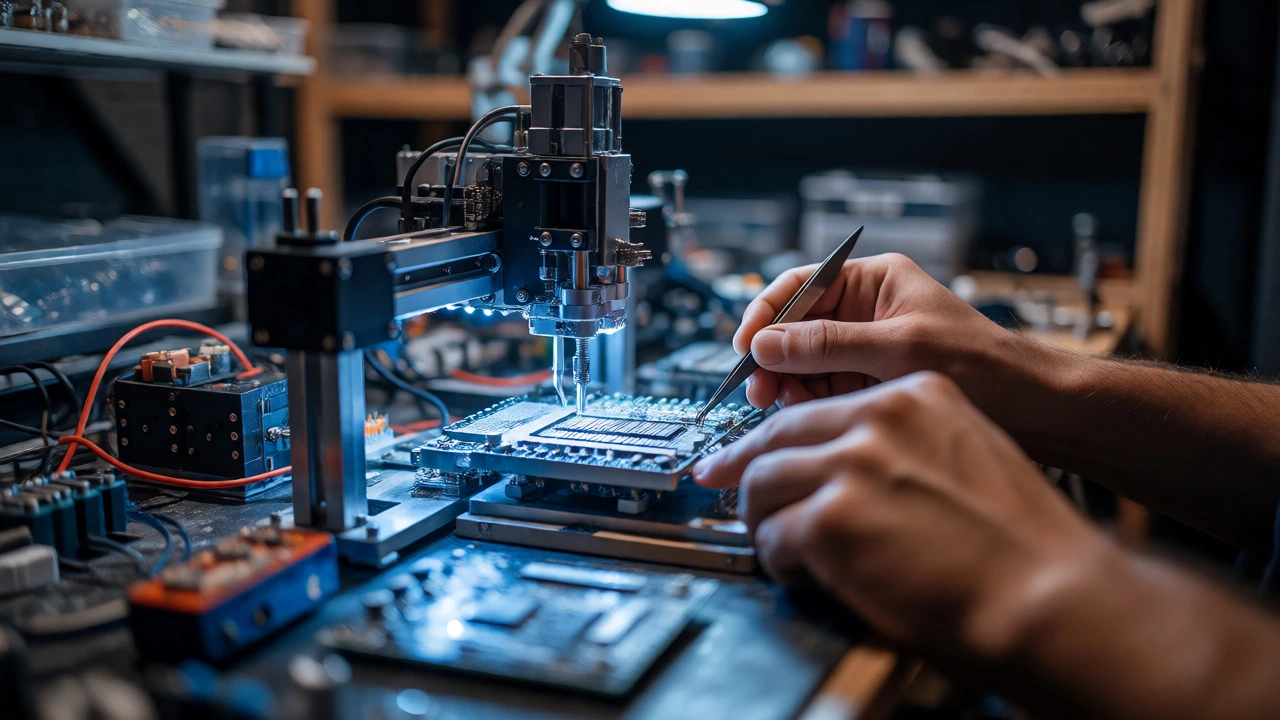
Everyone wants a smart device, but few want to wait six months for a prototype from overseas. Custom electronics assembly is booming because startups need rapid iteration. They design a circuit board, send it to you, and you assemble it, test it, and ship it back within a week.
This requires skill, not just machinery. You need surface-mount technology (SMT) machines, which have become affordable enough for small businesses. The margin here is high because you’re selling speed and precision. When a tech startup fails, it’s often because they ran out of cash waiting for parts. If you solve that bottleneck, you become indispensable. Plus, you can upsell services like firmware flashing or basic quality assurance testing.
3D Printing Services for Industrial Parts
Forget the plastic figurines you see on Etsy. The real money in industrial 3D printing is in producing functional end-use parts. Think custom brackets for cars, replacement gears for old machinery, or medical-grade prosthetics.
Traditional injection molding requires expensive steel molds. If you only need 500 parts, those molds eat your profit. 3D printing skips the mold cost entirely. As a small manufacturer, you can set up a farm of FDM or SLA printers. Your clients are engineers and maintenance managers in local factories who need a part fixed yesterday. They pay a premium for that immediacy. You’re not competing with China on volume; you’re competing on time.
Specialty Food Processing and Ready-to-Eat Meals
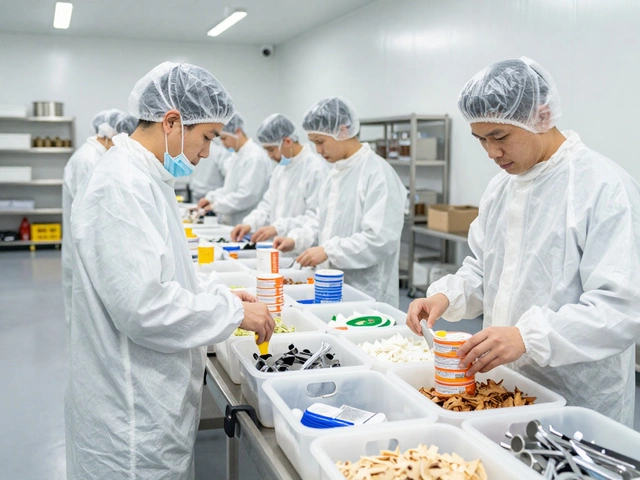
People are busy, but they still want to eat well. Specialty food processing allows you to turn raw ingredients into high-margin products. We’re seeing a surge in demand for fermented foods, gluten-free snacks, and meal-prep kits.
The barrier to entry here is hygiene certification, which is manageable. What makes this "hot" is the direct-to-consumer model. You can make a batch of artisanal chili oil or keto granola bars and sell them online before you even leave the kitchen. The waste is low if you manage inventory well. Unlike selling generic t-shirts, food has a shorter shelf life, which forces you to stay lean and responsive. That agility is your competitive advantage against big conglomerates who move slowly.
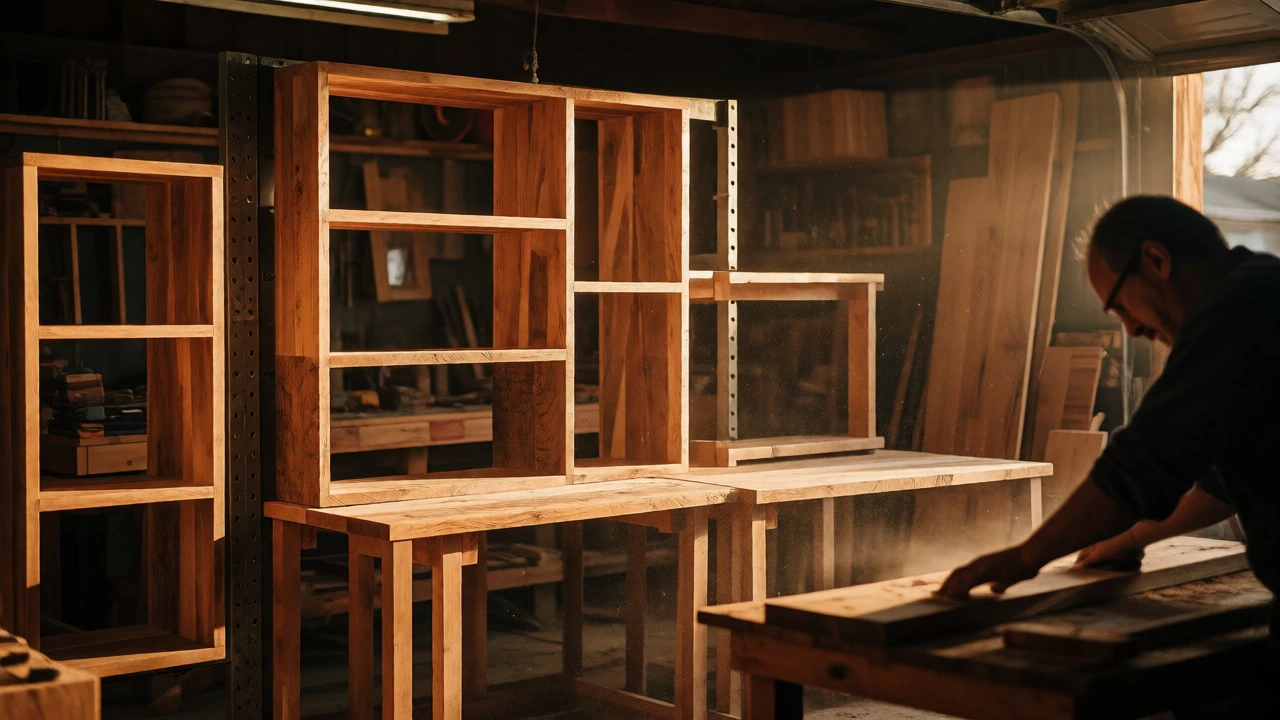
Local Furniture Refurbishment and Custom Builds
Furniture is heavy. Shipping it is expensive. This makes it perfect for local manufacturing. Instead of importing cheap flat-pack furniture that breaks in two years, customers are looking for solid wood pieces made nearby. Custom furniture manufacturing thrives on personalization.
You don’t need to build entire houses. Focus on modular systems. Make bookshelves, desks, and storage units that can be configured differently. Use reclaimed wood or locally sourced timber to add an eco-story. The trend here is "buy less, buy better." People are willing to pay £500 for a desk that lasts twenty years rather than £100 for one that needs replacing every three. Marketing is easy: show the craftsmanship, show the source of the wood, and offer white-glove delivery within your region.
| Niche | Startup Cost | Primary Customer | Key Advantage |
|---|---|---|---|
| Sustainable Packaging | Medium | E-commerce Brands | Regulatory compliance & Eco-demand |
| Electronics Assembly | High | Tech Startups | Speed of prototyping |
| Industrial 3D Printing | Low-Medium | Engineering Firms | No tooling costs for small batches |
| Specialty Food | Low | Direct Consumers | High brand loyalty & margins |
| Custom Furniture | Medium | Homeowners | Local logistics savings |
How to Choose Your Lane
Don’t just pick what sounds cool. Look at your skills and your local market. Are you near a tech hub? Electronics assembly might be easier to sell. Are you in an area with lots of independent retailers? Sustainable packaging could fly off the shelves. Do you love cooking? Food processing gives you immediate feedback from customers.
Here’s a quick checklist to validate your idea:
- Can I produce a sample in under two weeks? If not, the cycle is too slow for a small business.
- Is there a regulatory hurdle? Food and medical devices require certifications. Plan for this time and cost.
- Who is my first ten customers? Name them. If you can’t name ten potential buyers, you don’t have a business yet.
- What is my unique angle? Speed? Quality? Sustainability? Pick one and own it.
The era of mass-produced mediocrity is ending. People want things that feel human-made, even if they’re produced by machines. As a small-scale manufacturer, you bridge that gap. You offer the consistency of industry with the soul of craftsmanship. That’s why these businesses are hot right now. They solve real problems-logistics, sustainability, customization-that big global players struggle to address efficiently.
Do I need a large loan to start small scale manufacturing?
Not necessarily. Many niches, like 3D printing or specialty food, can start with under £10,000-£20,000. You can lease equipment instead of buying it outright to keep initial costs low. Focus on generating revenue before scaling up your physical footprint.
Which niche has the highest profit margins?
Custom electronics assembly and specialized medical components tend to have higher margins due to the technical expertise required. However, direct-to-consumer food products also offer strong margins if you control your branding and distribution channels effectively.
How do I find B2B customers for packaging?
Attend local trade shows for e-commerce and retail. Reach out directly to independent brands on Instagram or LinkedIn who are struggling with plastic waste. Offer them a free sample kit. Personal outreach works better than cold calling for small manufacturers.
Is 3D printing really profitable for business?
Yes, if you focus on B2B industrial applications rather than consumer toys. Selling functional prototypes or short-run production parts to engineering firms commands much higher prices than selling decorative items to hobbyists.
What are the biggest risks in starting a manufacturing business?
Cash flow management and supply chain disruptions for raw materials. Always keep a buffer of critical materials. Also, ensure you understand liability insurance, especially for food and electronics products.