Small-Scale Manufacturing Profitability Calculator
Select a machine type or enter custom values to estimate your potential daily gross profit. Remember: Revenue is vanity; profit is sanity.
Enter parameters above to see projected returns.
You might think the most profitable machine is the one that makes the fanciest product. But here’s the twist: it’s usually not. The machinery that prints the most cash isn’t always the biggest or the most complex-it’s the one with the lowest operating cost and highest demand turnover. If you’re looking to start a small-scale manufacturing business, you don’t need a factory floor the size of a football field. You need a specific type of equipment that solves a common problem quickly and cheaply.
Let’s cut through the noise. Most people fail because they buy expensive machines for niche products nobody wants. They spend $50,000 on a CNC router to make custom wood signs, only to realize the market is saturated and the lead time kills their cash flow. Meanwhile, someone else buys a $15,000 plastic injection molding machine, runs it 24/7 making simple bottle caps, and walks away with better margins because the volume is insane.
The Profit Equation: It’s Not Just About Sales Price
To understand what makes money, you have to look at the math behind the machine. Revenue is vanity; profit is sanity. A machine is only as good as its return on investment (ROI). We calculate this by looking at three things: capital expenditure (CapEx), operational expenditure (OpEx), and production speed.
High-margin machinery typically shares these traits:
- Low Material Waste: Additive manufacturing (3D printing) uses exactly what it needs, whereas subtractive methods (milling) throw away up to 80% of the raw material.
- High Throughput: Can it produce 1,000 units an hour? Speed reduces labor costs per unit.
- Universal Demand: Does everyone need the output? Packaging, construction materials, and basic tools beat niche luxury items every time.
Consider a CNC Laser Cutter. It’s popular for hobbyists, but in small-scale manufacturing, it shines when cutting acrylic for retail displays. The material is cheap, the setup is fast, and the precision commands a premium price. Contrast that with a manual lathe. While versatile, it relies heavily on skilled labor, which is expensive and hard to find. The laser cutter automates the skill, reducing human error and labor costs.
Top Contenders: Which Machines Actually Print Money?
Based on current market trends in 2026, three categories of machinery consistently outperform others in small-scale settings. These aren’t just guesses; they are backed by data from industrial supply chains and startup success stories.
| Machinery Type | Estimated CapEx (USD) | Avg. Gross Margin | Key Driver of Profit |
|---|---|---|---|
| Plastic Injection Molding | $15,000 - $50,000 | 40-60% | High volume, low unit cost |
| CNC Router/Laser | $10,000 - $30,000 | 30-50% | Customization premium |
| Paper Bag Making Machine | $20,000 - $40,000 | 25-35% | Eco-friendly packaging demand |
| Fiber Optic Cable Cutting | $5,000 - $15,000 | 50-70% | Niche telecom infrastructure boom |
| Automated Soap/Noodle Line | $10,000 - $25,000 | 20-30% | FMCG (Fast-Moving Consumer Goods) stability |
1. Plastic Injection Molding: The Volume King
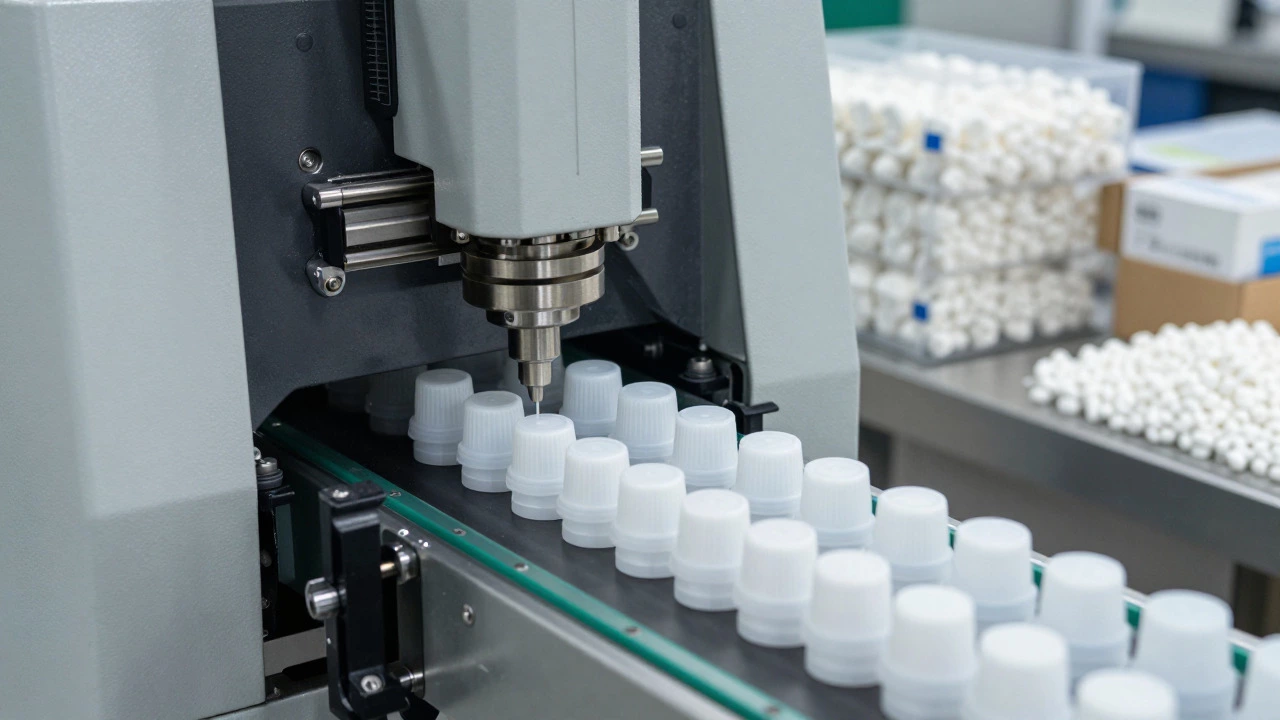
If you want steady, boring, reliable money, buy an injection molder. Why? Because we live in a plastic world. From toothbrushes to car dashboards, everything is molded. In small-scale manufacturing, you don’t compete with massive plants like ExxonMobil. You compete on agility. Large companies take months to change molds. You can do it in days.
The sweet spot here is producing specialized components for local industries. Think medical device casings, electronic enclosures, or automotive clips. The margin looks thin per unit-maybe $0.10 profit on a $0.50 part-but if you run 10,000 parts a day, that’s $1,000 a day in gross profit. The key is automation. Modern electric injection molding machines use 70% less energy than hydraulic ones, slashing your electricity bill, which is often the second biggest cost after materials.
2. Fiber Optic and Wire Processing Equipment
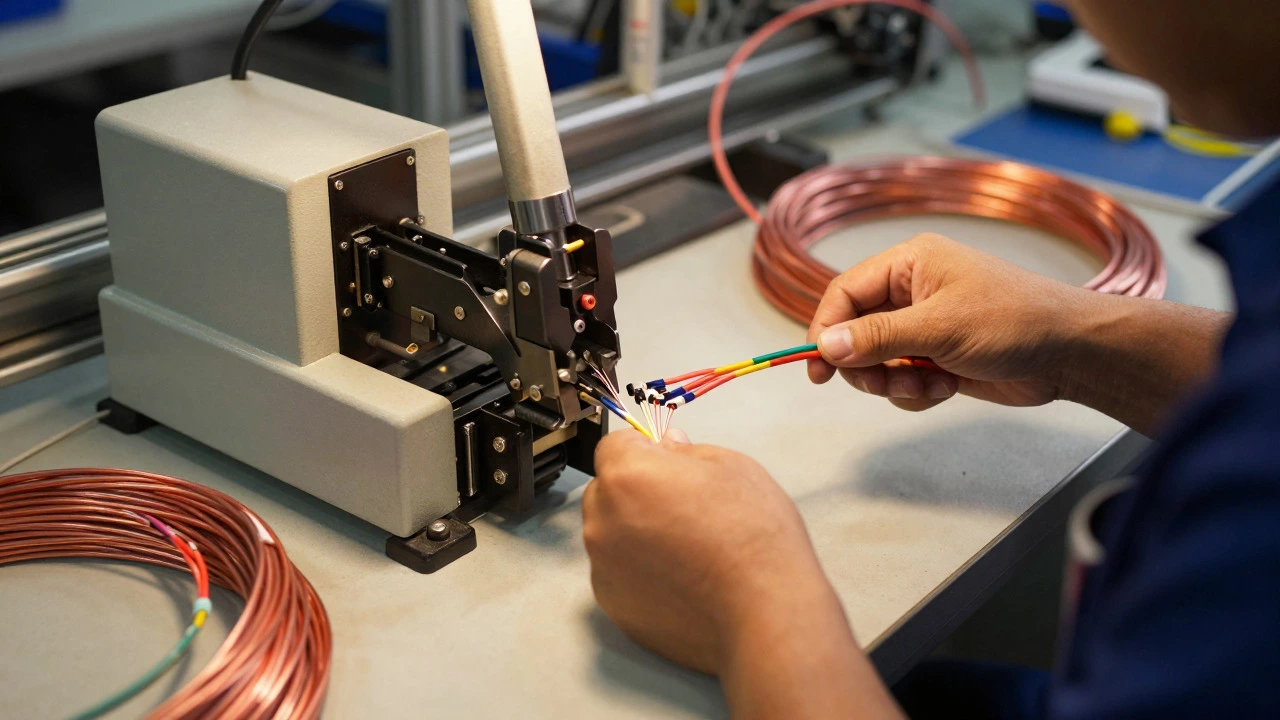
This is the sleeper hit of the last decade. With the global push for high-speed internet and electric vehicles (EVs), the demand for cables is exploding. But selling raw cable doesn’t make much money. Selling processed cable does.
A simple wire stripping and crimping machine allows you to buy bulk wire, cut it to length, strip the ends, and attach connectors. You’re adding value. A customer pays for the finished harness, not the copper coil. The equipment is compact, requires minimal training, and serves a critical B2B market. Factories hate managing inventory of loose wires; they want ready-to-install components. Be the supplier who solves that headache.
3. Sustainable Packaging Machinery
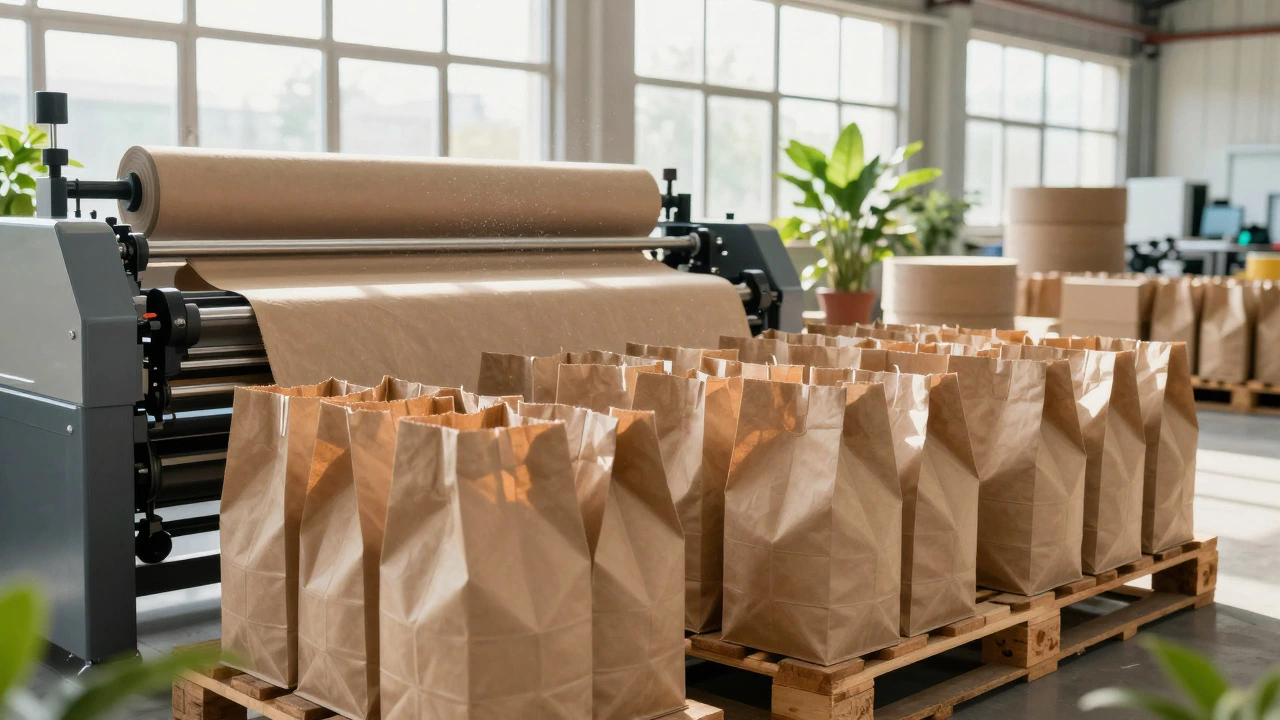
Gone are the days when plastic bags were free. Regulations are tightening worldwide. In 2026, many cities ban single-use plastics entirely. This creates a vacuum for alternatives. Paper bag making machines and biodegradable cup formers are flying off the shelves.
Why is this profitable? Because the barrier to entry is rising for traditional plastics due to taxes, while paper/bio-materials get subsidies. A fully automatic paper bag making machine can produce 100+ bags per minute. The raw material (kraft paper rolls) is cheap and consistent. Your customers? Every restaurant, grocery store, and boutique in your region. They need thousands of bags daily. It’s a recurring revenue model built into a machine purchase.
The Hidden Killers: Maintenance and Downtime
Here’s something brochures won’t tell you: downtime is expensive. If your $20,000 machine breaks down for two days, you lose not just production time, but potential contracts. When choosing machinery, look for modular design. Can you swap a motor yourself in 30 minutes? Or do you need to wait three weeks for a technician from Germany?
Always budget 10-15% of the machine cost annually for maintenance. Buy spare parts upfront. Belts, seals, and filters are consumables. Running out of them stops the line. Smart manufacturers keep a "critical spares" shelf right next to the machine. It sounds obvious, but I’ve seen businesses bleed money because they didn’t stock a $5 O-ring.
Location Matters More Than You Think
Your machinery choice should align with your local supply chain. Are you near timber sources? Then a CNC router or sawmill is gold. Near agricultural hubs? Food processing machinery like dehydrators or oil presses works wonders. In India, for example, groundnut oil expellers are highly profitable in rural areas because the raw material is locally abundant and transport costs are low.
Conversely, trying to run a water-intensive textile dyeing machine in a desert region without proper recycling systems will kill your margins with utility bills. Always map your input costs before buying the output machine.
How to Validate Before You Buy
Don’t guess. Test. Here’s a quick checklist before signing the check:
- Calculate Unit Economics: Take the total cost of one unit (material + labor + energy + depreciation). Is there at least a 30% margin left?
- Check Local Competition: Search online for suppliers of your intended product within 100 miles. If there are five competitors already running full capacity, maybe pick a different niche.
- Demand a Demo: Never buy based on specs alone. Watch the machine run. Ask about failure rates. Talk to other owners.
- Verify Power Requirements: Does your facility have 3-phase power? Upgrading electrical service can cost more than the machine itself.
Final Thoughts: Start Small, Scale Fast
The best machinery isn’t the one with the most features; it’s the one that fits your business model. For most small-scale entrepreneurs, simplicity wins. A robust, easy-to-repair machine that produces a high-demand commodity will outperform a flashy, high-tech robot that breaks down weekly.
Focus on efficiency. Reduce waste. Automate repetitive tasks. If you can lower your cost per unit below your competitors’ while maintaining quality, you win. That’s where the money is. It’s not in the magic box; it’s in the math.
Which machine has the highest profit margin for beginners?
For beginners, fiber optic cable processing or small-scale soap/noodle production lines often offer the best balance of low entry cost and high demand. These require less technical expertise than CNC machining or injection molding, reducing the learning curve and initial risk.
Is 3D printing profitable for mass production?
Generally, no. 3D printing is excellent for prototyping and highly customized, low-volume items (like dental aligners or aerospace parts). For mass-produced consumer goods, traditional methods like injection molding are significantly faster and cheaper per unit once the mold is made.
How much does it cost to maintain manufacturing machinery?
A good rule of thumb is to budget 10-15% of the machine's original purchase price annually for maintenance, repairs, and spare parts. Older machines may require higher budgets, while new, warranty-covered machines might need less initially but still require regular servicing to keep warranties valid.
Do I need special permits for small-scale manufacturing?
Yes, likely. Depending on your location and the type of machinery, you may need environmental permits (for emissions or waste), zoning approvals (industrial vs. commercial), and safety inspections. Noise levels and chemical usage are common regulatory triggers. Always check with your local municipal authority before purchasing.
What is the average lifespan of small-scale manufacturing equipment?
With proper maintenance, most mechanical manufacturing equipment lasts 10-15 years. However, technology obsolescence can shorten this period. For example, older CNC controllers may become unsupported, forcing upgrades sooner than mechanical wear would dictate. Regular preventive maintenance significantly extends useful life.