Food Processing Level Identifier
Select a processing level below to explore its characteristics, or type a food product to see how it is classified.
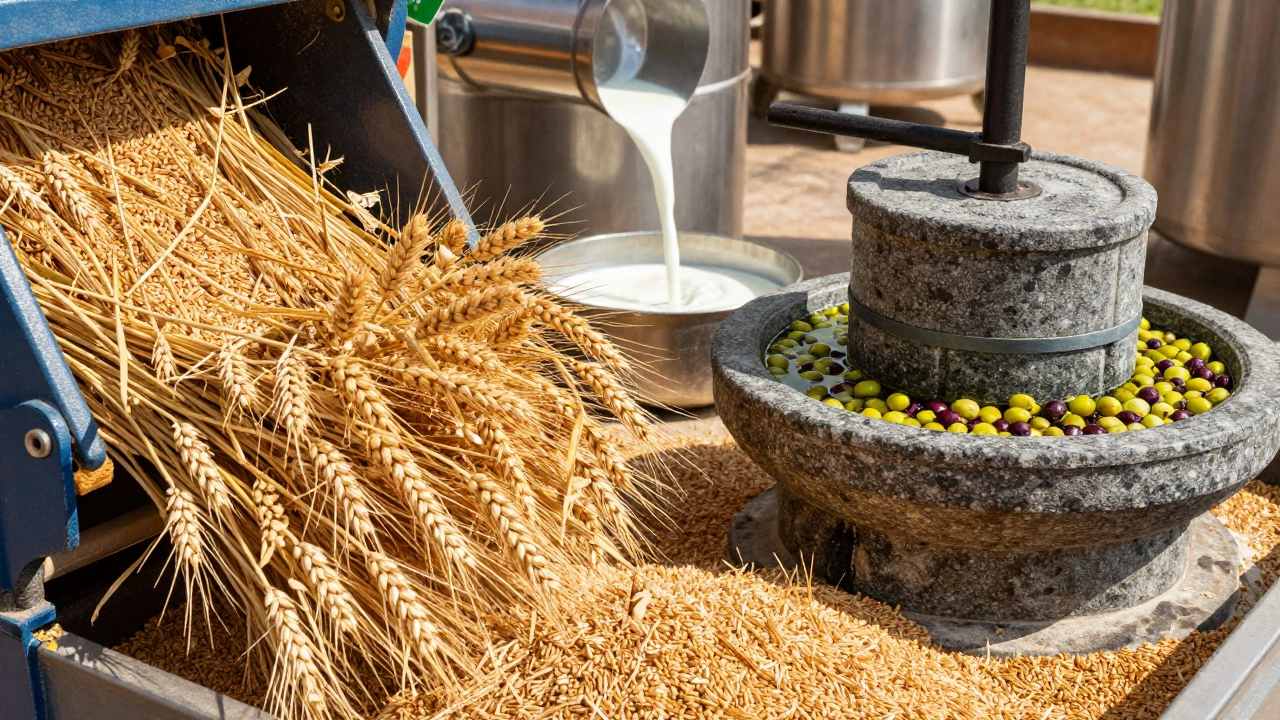
Primary Processing
Raw Material HandlingCleaning, sorting, separating, and preserving raw agricultural products.
Secondary Processing
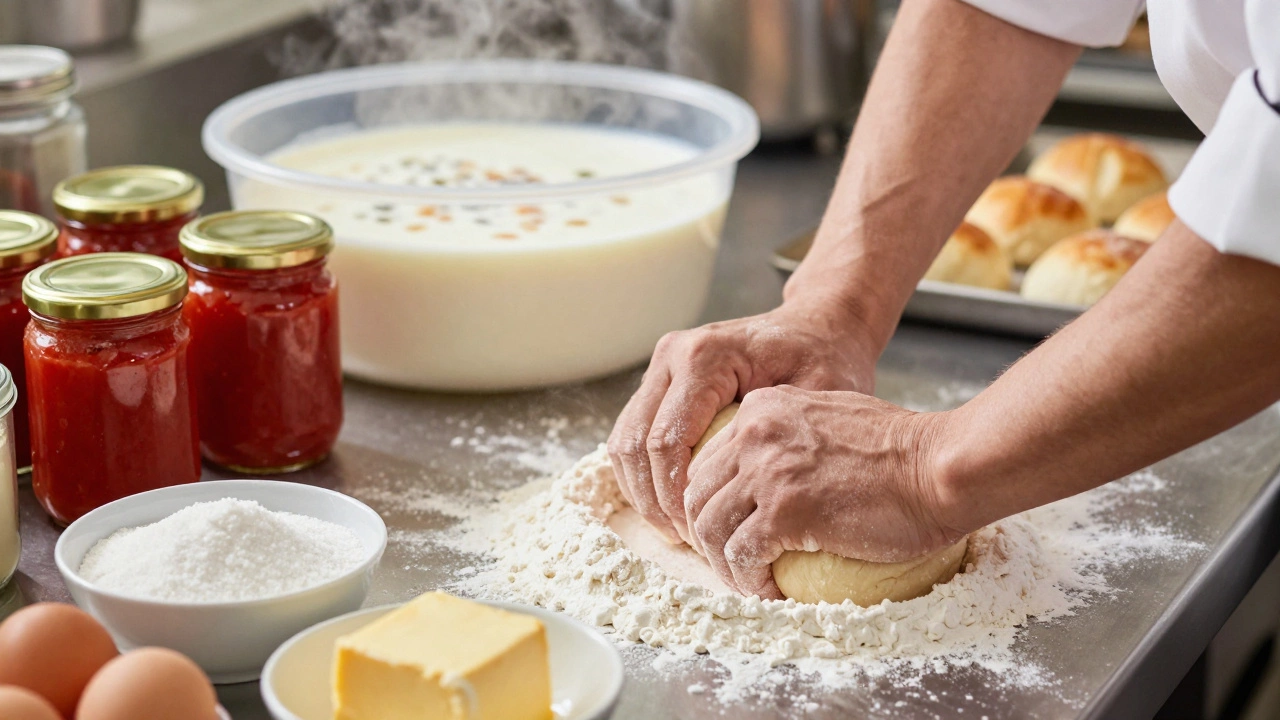
Value-Added ProductsCombining ingredients through mixing, baking, fermenting, or canning.
Tertiary Processing
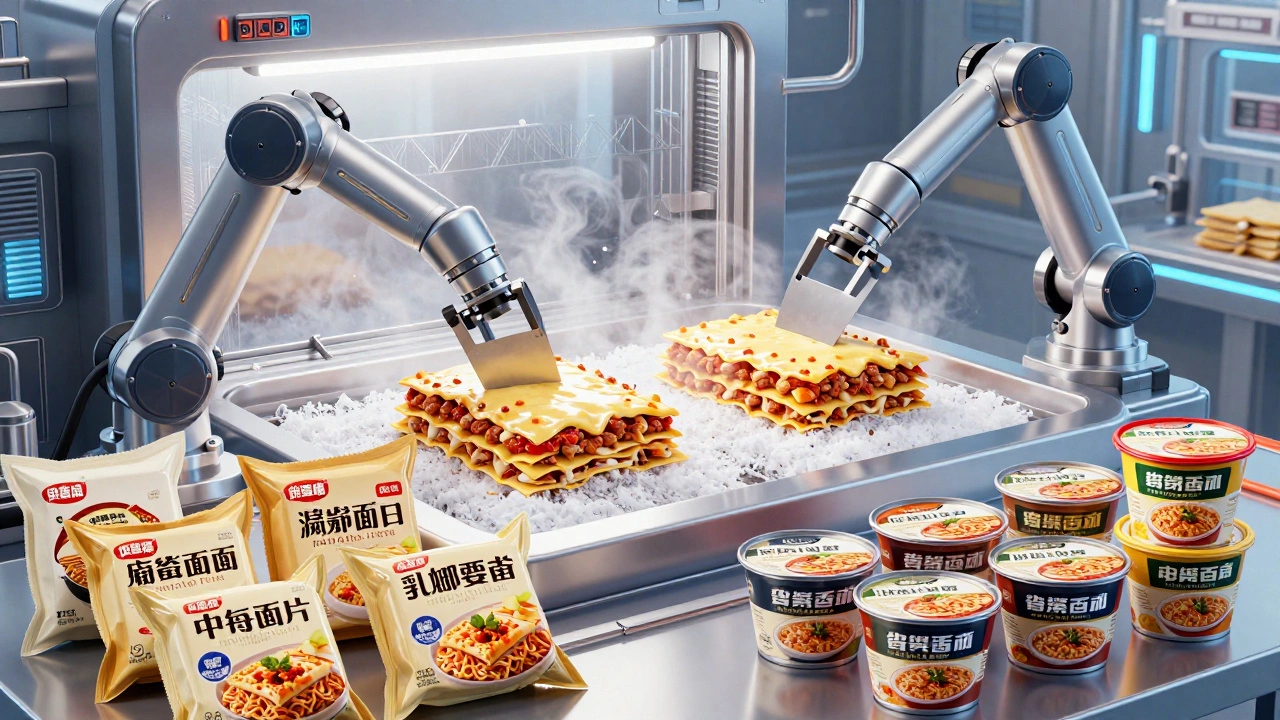
Convenience & InnovationAdvanced technology for ready-to-eat meals with extended shelf life.
When you grab a coffee bean at the market, you aren't just buying a seed. You are buying the result of a complex journey that transformed a raw agricultural product into something stable, safe, and ready for your morning ritual. This transformation happens through distinct stages known as the levels of food processing.
Understanding these levels is crucial for anyone involved in the food industry, from small-scale farmers to large manufacturing executives. It helps clarify where value is added, how safety risks change, and what regulations apply at each step. The three levels-primary, secondary, and tertiary-represent a progression from raw material handling to finished consumer goods.
Primary Food Processing: Bridging Farm and Factory
Primary food processing is the initial stage of transforming raw agricultural products into basic ingredients or commodities suitable for further use. This level focuses on making raw materials stable, transportable, and usable. Without this step, most farm produce would spoil before reaching a factory or a kitchen.
The goal here isn't to create a final meal but to preserve the integrity of the raw material. Think of it as cleaning up and preparing the canvas before painting. Common activities include threshing wheat to separate grain from chaff, milling corn into flour, pasteurizing milk to kill bacteria, or pressing olives to extract oil.
- Cleaning and Sorting: Removing dirt, stones, and damaged parts from vegetables or grains.
- Separation: Extracting useful components, like separating egg whites from yolks or extracting juice from fruits.
- Preservation: Using heat (pasteurization), cold (freezing), or drying to extend shelf life without changing the fundamental nature of the food.
For example, when a dairy farmer sends milk to a local plant, the plant might filter it, homogenize it, and pasteurize it. The result is still "milk," but it's now safe and consistent. This is primary processing. The entity Pasteurization is a process named after Louis Pasteur that uses heat to destroy pathogens in liquid foods, serving as a cornerstone of primary processing for dairy and juices.
Secondary Food Processing: Creating Value-Added Products
Secondary food processing is the stage where primary processed ingredients are combined, formulated, and transformed into recognizable food products. This is where the magic of recipe creation happens. You take flour, sugar, eggs, and butter-the outputs of primary processing-and turn them into bread, cakes, or cookies.
This level adds significant economic value because consumers pay more for convenience and taste than for raw ingredients alone. Secondary processing often involves mixing, baking, frying, fermenting, or canning. It requires precise control over temperature, time, and ingredient ratios to ensure consistency.
Consider the production of yogurt. Primary processing gave us pasteurized milk. Secondary processing introduces bacterial cultures to ferment the lactose into lactic acid, thickening the milk and creating yogurt. Or think about tomato paste. Primary processing yields fresh tomatoes; secondary processing cooks, concentrates, and packages them into paste. The entity Fermentation is a metabolic process that produces chemical changes in organic substrates through the action of enzymes, widely used in secondary processing for bread, beer, cheese, and kimchi.
| Feature | Primary Processing | Secondary Processing |
|---|---|---|
| Input Material | Raw agricultural produce | Processed ingredients (flour, sugar, etc.) |
| Output | Basic commodities (oil, flour, milk) | Finished food items (bread, jam, cheese) |
| Value Added | Low to Moderate | Moderate to High |
| Complexity | Simple mechanical or thermal processes | Complex formulation and cooking |
Tertiary Food Processing: Convenience and Innovation
Tertiary food processing is the final stage involving advanced technology to create highly convenient, ready-to-eat, or ready-to-heat meals with extended shelf lives. This level targets busy consumers who want minimal preparation effort. Tertiary processing often involves freezing, dehydration, irradiation, or sophisticated packaging techniques to keep food safe for months without refrigeration until opened.
Think about frozen pizza, instant noodles, or canned soups. These products combine multiple secondary processed ingredients (dough, sauce, cheese) and apply advanced preservation methods. The focus shifts from just taste to convenience, speed, and long-term storage stability. Tertiary processing also includes the development of functional foods, such as protein bars fortified with vitamins or snacks designed for specific dietary needs like keto or vegan diets.
A classic example is a frozen lasagna. The pasta sheets, meat sauce, and ricotta cheese were all produced through secondary processing. Tertiary processing combines them, flash-freezes the assembly to lock in quality, and packages it in a microwave-safe tray. The entity Flash Freezing is a rapid freezing technique that preserves texture and nutritional value by forming small ice crystals, essential for high-quality tertiary products.
Why Distinguishing the Levels Matters for Business
Knowing which level you operate in affects your business strategy, regulatory compliance, and supply chain management. Primary processors deal with volatile raw material prices and seasonal availability. Secondary processors must manage inventory of diverse ingredients and maintain strict quality control for formulations. Tertiary processors invest heavily in R&D, packaging technology, and marketing to compete on convenience.
Regulations also vary. Primary processing often falls under agricultural standards, while secondary and tertiary processing are subject to stricter food safety laws like HACCP (Hazard Analysis Critical Control Point). Understanding these distinctions helps businesses identify gaps in their operations and opportunities for vertical integration-for instance, a bakery (secondary) might start its own flour mill (primary) to control costs.
What is an example of primary food processing?
Examples include milling wheat into flour, pasteurizing milk, extracting olive oil from olives, or shelling peanuts. These processes clean, stabilize, or separate raw agricultural products into basic ingredients.
How does secondary processing differ from primary?
Primary processing creates basic ingredients from raw materials, while secondary processing combines those ingredients to make recognizable food products like bread, cheese, or jam. Secondary processing adds more value through formulation and cooking.
What defines tertiary food processing?
Tertiary processing involves creating highly convenient, ready-to-eat or ready-to-heat meals using advanced technologies like flash freezing, dehydration, or specialized packaging. Examples include frozen dinners, instant noodles, and canned soups.
Which level of processing adds the most economic value?
Generally, tertiary processing adds the most economic value per unit because it offers maximum convenience and often includes branding and innovative features. However, secondary processing also significantly increases value compared to raw commodities.
Can a single company operate across all three levels?
Yes, many large food corporations practice vertical integration. For example, a company might own farms (primary input), mills (primary processing), bakeries (secondary), and retail brands selling frozen meals (tertiary).