Quick Takeaways: What's Selling Now
- Modular Systems: Furniture that grows or shrinks based on the room size.
- Ergonomic Workstations: High-end home office gear is no longer a luxury; it's a requirement.
- Eco-Friendly Materials: Recycled plastics and sustainably sourced bamboo are beating traditional hardwoods.
- Multi-functional Pieces: Sofas that turn into beds and desks that fold into walls.
The Rise of the Modular Ecosystem
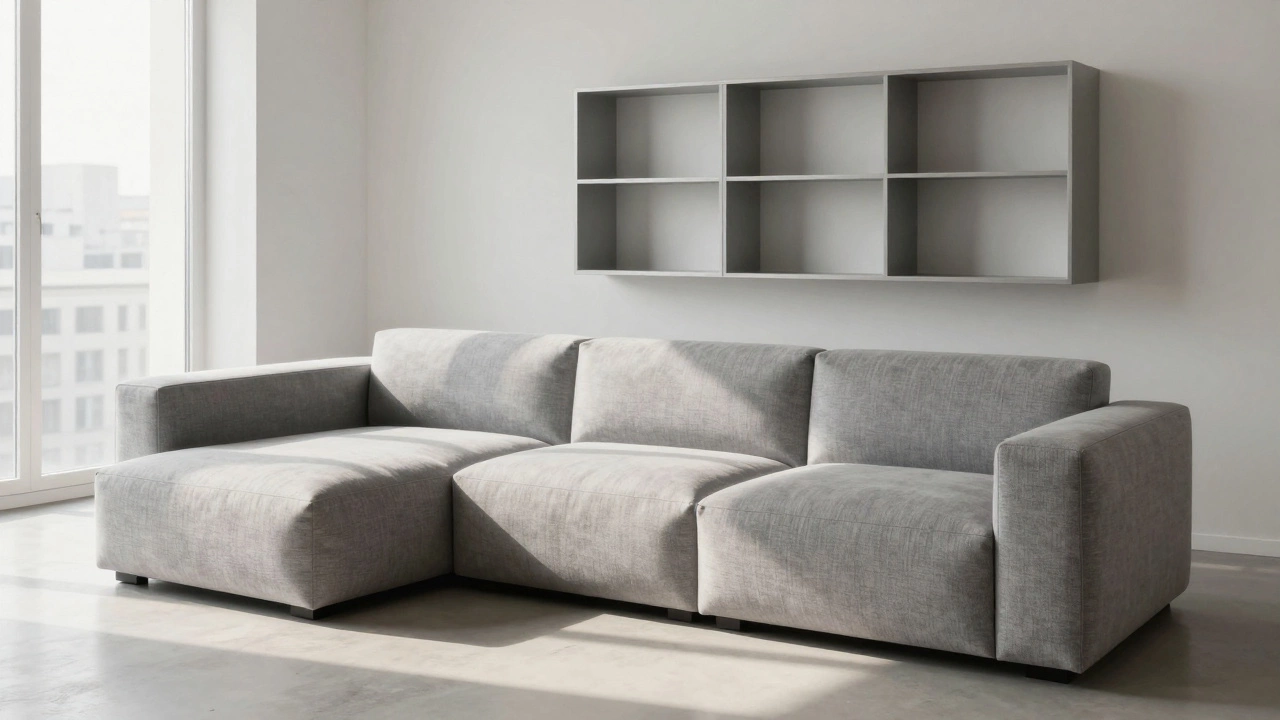
We are seeing a massive shift toward Modular Furniture is a system of standardized components that can be rearranged or added to, allowing users to customize their layout. This isn't just about IKEA-style flat packs. We're talking about high-end sectional sofas where the owner can add a new module every time they move to a bigger house, or shelving units that click together without a single screw.
Why is this happening? Because people move more often. In cities like Mumbai, Bangalore, or London, a piece of furniture that doesn't fit the next apartment is just expensive trash. Manufacturers who focus on high demand furniture like modular shelving and adaptable seating are seeing faster turnover rates. For example, a modular sofa system that allows for a 'chaise' addition later on increases the customer's lifetime value because they keep coming back to your brand to expand their set.
The Permanent Home Office Evolution
The 'temporary' home office of 2020 has become a permanent architectural feature of the modern home. However, the demand has moved from basic desks to Ergonomic Furniture which is designed to support the human body's natural posture to reduce strain and increase productivity during long periods of sitting.
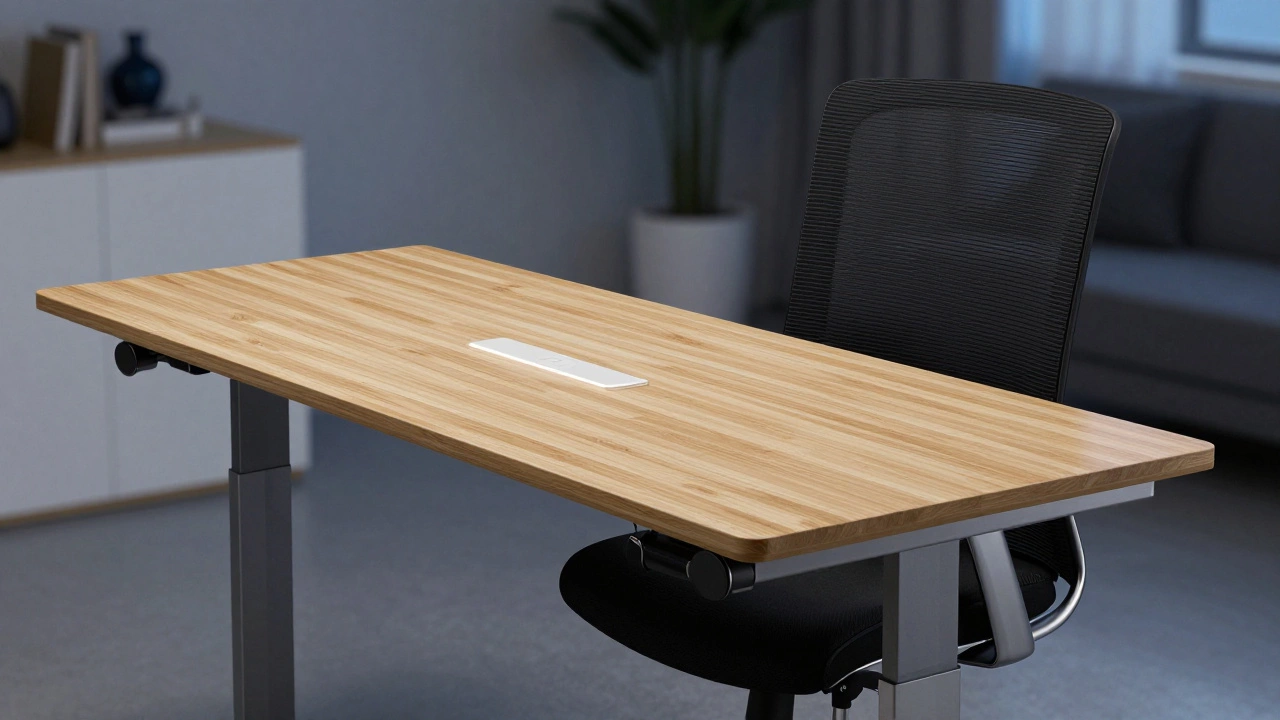
If you are manufacturing today, a standard four-legged desk is a commodity with razor-thin margins. The real profit lies in sit-stand desks with integrated cable management and adjustable lumbar support chairs. We've seen a surge in demand for "cloffices" (closet-offices), meaning there's a huge gap in the market for compact, high-efficiency workstations that can be tucked away at 5 PM. Think about integrated LED lighting or built-in wireless charging pads-these small additions move a product from a basic piece of wood to a tech-enabled tool.
Sustainable Materials and the 'Green' Premium
Consumers are finally waking up to the disaster of fast furniture. They are tired of particle board that swells after one spill. There is a growing demand for Sustainable Furniture which incorporates responsibly sourced, recycled, or biodegradable materials to minimize environmental impact.
Materials like Bamboo, which grows significantly faster than oak or maple, and recycled HDPE plastics are becoming the gold standard. In the Indian market specifically, there's a revival of traditional cane and rattan, but updated with modern, minimalist silhouettes. A manufacturer who can prove their supply chain is carbon-neutral or uses FSC-certified wood can often charge a 15-20% premium over competitors using mystery glues and synthetic veneers.
| Category | Demand Level | Key Driver | Primary Material |
|---|---|---|---|
| Modular Sofas | Very High | Urban Living / Small Spaces | Recycled Fabric/Foam |
| Ergonomic Chairs | High | Hybrid Work Models | Breathable Mesh/Aluminum |
| Compact Dining Sets | Medium-High | Apartment Living | Solid Wood/Bamboo |
| Outdoor Loungers | Seasonal High | Wellness/Outdoor Trends | Weather-resistant Polymer |
The Multifunctional Living Room
Space is the new luxury. When people have less of it, every single piece of furniture must do at least two things. The Murphy Bed (or wall bed) is making a massive comeback, but not in the clunky way it did in the 70s. Today's versions integrate with sofas or shelving units, creating a seamless transition from a living room to a bedroom in under sixty seconds.
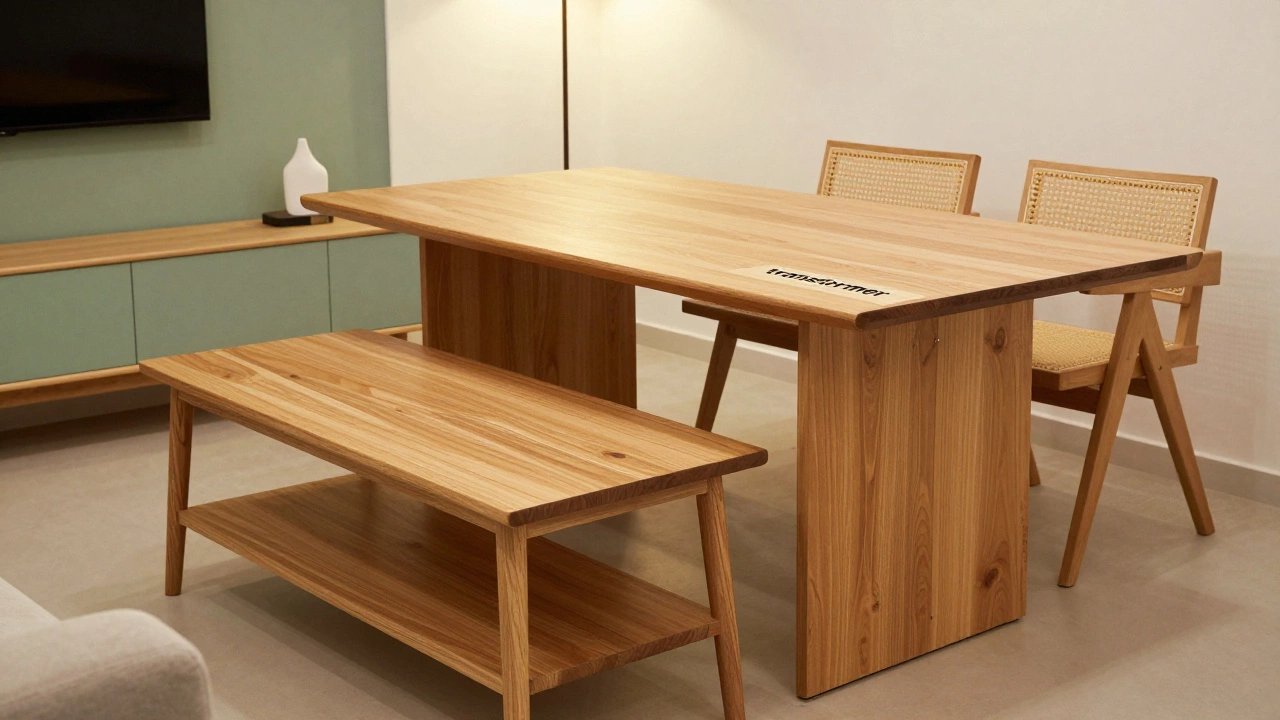
Consider the "transformer table"-a coffee table that lifts and expands into a full dining table for six people. These items require more complex engineering (hinges, pistons, and sliding rails), which means less competition from low-end workshops and higher margins for established manufacturers. If you can solve the problem of "how do I host a dinner party in a studio apartment?", you've won the market.
Targeting the New Indian Consumer
For those operating within the Indian manufacturing landscape, the target demographic has shifted. The emerging middle class in Tier 2 and Tier 3 cities is moving away from heavy, ornate teak carvings toward Scandinavian-inspired minimalism. They want clean lines, light colors, and a sense of openness in their homes.
There is also a huge spike in demand for customized cabinetry and wardrobe solutions. Instead of buying a pre-made wardrobe, customers want Bespoke Furniture, which is custom-made to a client's specific requirements and measurements. This shift toward customization means manufacturers need to implement flexible production lines-moving away from mass assembly and toward a "mass customization" model where a base frame is standardized but the finish and internals are tailored to the user.
Common Pitfalls to Avoid in Production
Don't fall into the trap of over-engineering. A common mistake manufacturers make when chasing the "modular" trend is making the assembly too complex. If a customer needs a degree in engineering to put a shelf together, they'll return it. Keep the hardware simple-think cam locks and hex keys, or better yet, tool-less snap-fit joints.
Another danger is ignoring the weight of the piece. With the rise of e-commerce and doorstep delivery, shipping costs can eat your entire margin. Designing for Flat-Pack Shipping is no longer optional; it's a financial necessity. Every single piece you design should be analyzed for its "shipping volume." If you can reduce the box size by 10%, you might increase your profit per unit by 5%.
Which materials are most in demand for 2026?
Bamboo, recycled HDPE plastics, and FSC-certified hardwoods are leading the way. There is a strong move away from MDF and low-grade particle board due to environmental concerns and poor durability.
Is there still a market for traditional solid wood furniture?
Yes, but it has moved into a luxury niche. While mass-market demand is shifting toward modular and eco-friendly options, high-net-worth individuals still pay a premium for heirloom-quality solid wood, provided the design is modern and not overly ornate.
What is the most profitable furniture niche for small manufacturers?
Custom home office solutions and multi-functional apartment furniture (like sofa beds or expanding tables) offer the highest margins because they solve specific pain points and require more specialized design than basic seating.
How does the Indian market differ from Western trends?
While both value minimalism, the Indian market has a stronger preference for durability and a blend of traditional materials (like cane) with modern silhouettes. There is also a significantly higher demand for bespoke, made-to-measure storage solutions.
Are smart furniture pieces actually selling?
They are, but only when the tech adds real value. Integrated wireless charging, built-in USB-C ports in desks, and smart lighting in wardrobes are popular. However, "smart sofas" with built-in screens are generally seen as gimmicky and have lower demand.
What to Do Next
If you're a manufacturer, start by auditing your current catalog. Identify which pieces are 'static' and which can be made 'modular.' Try prototyping a multi-functional piece-like a desk that converts into a vanity-and test it with a small focus group of urban renters. The goal isn't to build the most beautiful piece of furniture in the world, but to build the one that solves the most annoying problem for the person living in a 500-square-foot apartment.