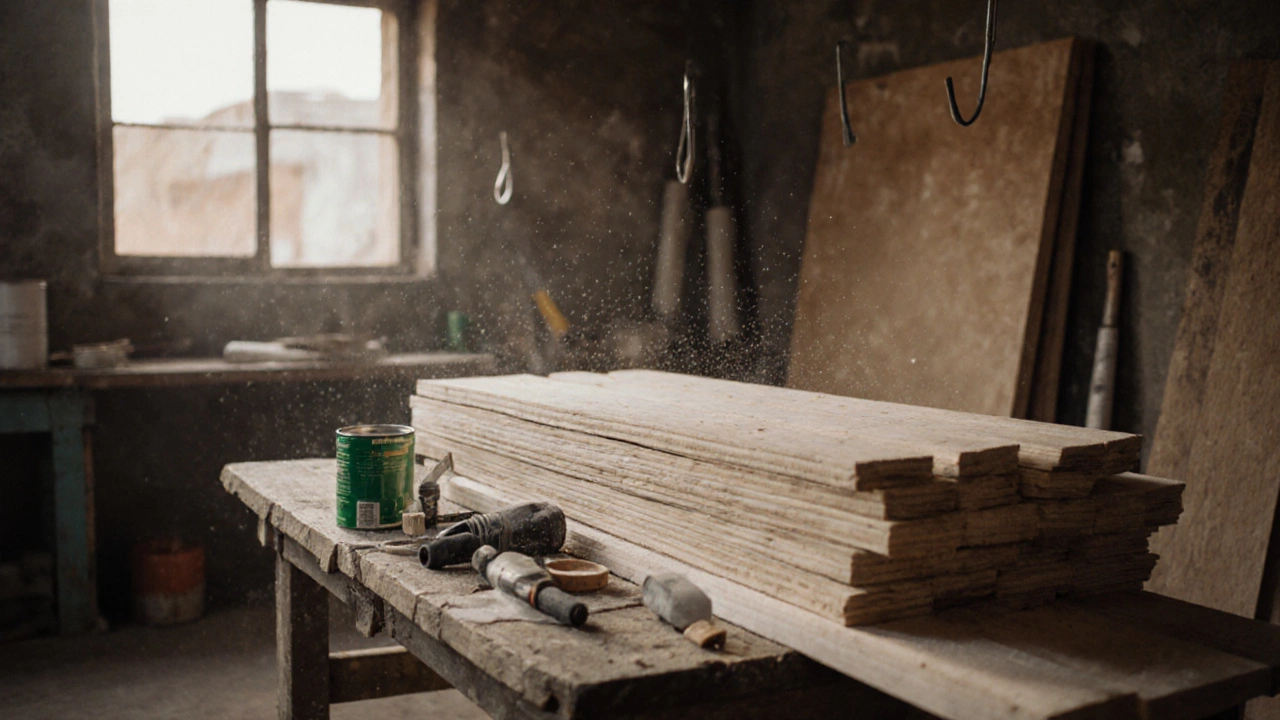
When you're running a furniture business in India, material costs eat up more than half your profit margin. That’s why finding the cheapest wood isn’t just about saving money-it’s about staying alive. Not all wood is created equal, and what works for a luxury cabinet won’t cut it for a mass-produced bed frame. The truth? The cheapest wood in India isn’t always the most obvious one.
What Makes Wood "Cheap" in India?
"Cheap" doesn’t mean low quality. It means low cost per cubic foot, high availability, easy machining, and decent durability for its price. For furniture manufacturers, you need wood that’s:- Readily available in bulk across multiple states
- Easy to cut, drill, and finish with basic machinery
- Stable enough to not warp or crack in humid conditions
- Priced under ₹35 per board foot (approx. ₹1,150 per cubic meter)
Top 5 Cheapest Woods for Furniture in India (2025)
1. Poplar (Populus spp.)
Poplar is the quiet winner. It’s not native to India, but it’s grown fast in Punjab, Haryana, and Uttar Pradesh under government afforestation programs. You can buy it at ₹28-35 per board foot, depending on the season. It’s light, soft, and takes paint better than almost any other wood. Most budget bedroom sets, office desks, and children’s furniture in northern India are made from poplar. It’s not strong enough for load-bearing joints, so it’s usually laminated or paired with MDF. But for painted furniture, it’s unbeatable.2. Teak Sapling (Tectona grandis) - Non-Heartwood
This one surprises people. High-quality teak heartwood costs ₹150+ per board foot. But the outer sapwood-what’s left after the premium logs are taken-is sold for ₹30-40 per board foot. Many small manufacturers buy this in bulk from sawmills in Karnataka and Kerala. It’s still teak, so it resists termites and holds nails well. The color is pale yellow, so it’s always painted or stained. It’s not ideal for outdoor use, but for indoor chairs and shelves, it’s a steal. Just make sure the supplier doesn’t mix it with cheaper hardwoods.3. Pine (Pinus roxburghii - Chir Pine)
Chir pine grows wild in the Himalayan foothills and is harvested legally in Uttarakhand and Himachal Pradesh. It’s cheap at ₹32-40 per board foot. The wood is soft, easy to work with, and has a clean grain. But it’s not stable. In humid climates like Mumbai or Chennai, pine furniture can warp badly without proper kiln drying. Most manufacturers who use pine kiln-dry it themselves in small batch dryers. It’s perfect for simple, rustic designs-think platform beds, bookshelves, or toy chests. If you’re selling to tier-2 and tier-3 cities, pine is a safe bet.4. Rubberwood (Hevea brasiliensis)
Rubberwood comes from trees that have stopped producing latex-usually after 25-30 years. Instead of being burned, these trees are now harvested for lumber. It’s grown in Kerala, Tamil Nadu, and West Bengal. The price? ₹30-38 per board foot. Rubberwood is denser than poplar, holds screws well, and doesn’t warp as easily as pine. It’s pale, so it takes stain evenly. Many furniture exporters in Tirupur and Coimbatore use rubberwood for export-grade budget furniture. It’s also eco-friendly-no new trees are cut down. If you’re aiming for sustainability certifications, rubberwood gives you a strong edge.5. Plywood (BWP Grade - Boiling Water Proof)
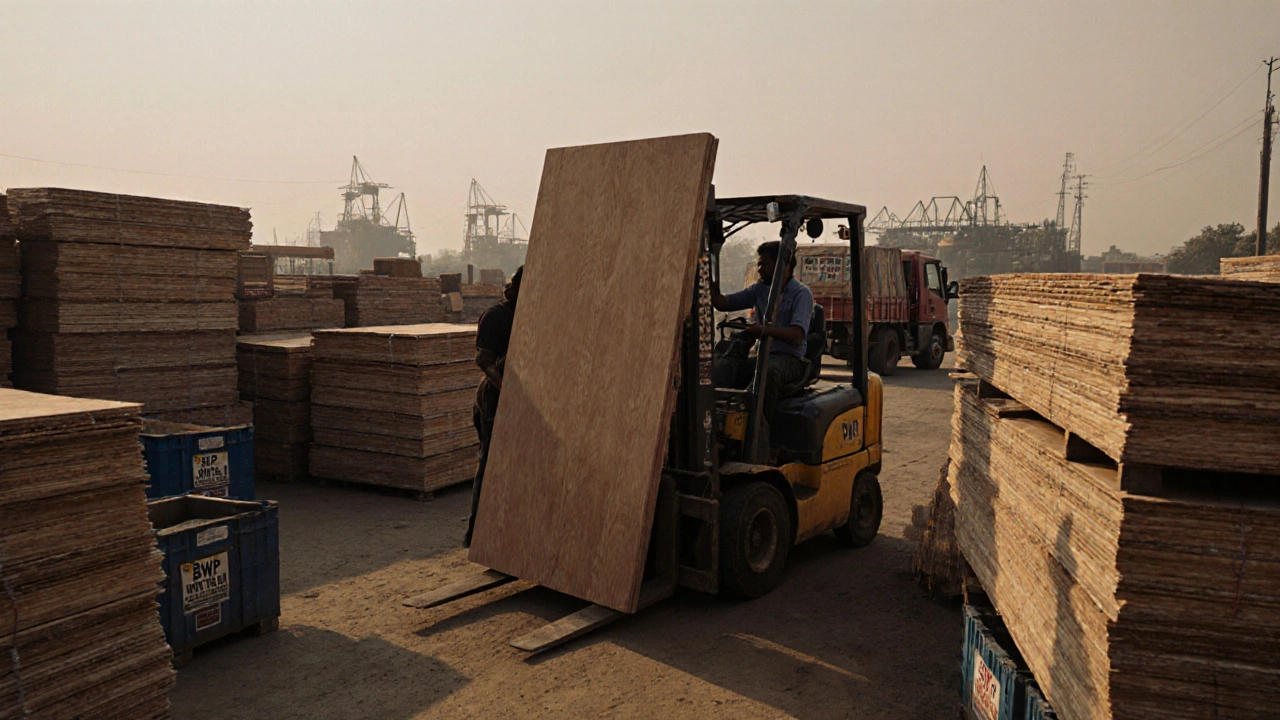
Let’s be clear: plywood isn’t wood-it’s engineered. But it’s the most used material in Indian furniture manufacturing. BWP-grade plywood (made with phenolic resin) costs ₹45-55 per square foot for 12mm thickness. That’s cheaper per unit volume than most solid woods when you factor in waste. It’s stable, doesn’t crack, and can be shaped with CNC machines. For mass production, it’s the go-to. Brands like Durian and Greenlam supply it nationwide. You can make entire wardrobes, kitchen cabinets, and modular furniture from it. The catch? Low-quality plywood swells if exposed to moisture. Always buy branded BWP, never local unbranded sheets.What to Avoid
Some woods sound cheap but aren’t. Avoid:- Sal wood (Shorea robusta) - Even though it’s common in central India, it’s hard to machine and costs ₹70+ per board foot. Overkill for budget furniture.
- Sheesham (Indian Rosewood) - Beautiful, durable, and expensive. ₹120+ per board foot. Save this for premium lines.
- Unseasoned local hardwoods - Wood dried in open air cracks. You’ll lose 20-30% of your stock to warping. Always buy kiln-dried.
- Imported plywood from China - Cheaper upfront, but often uses toxic formaldehyde glue. Indian buyers are starting to demand E0 or E1 standards. Risky for your brand.
Where to Buy Cheap Wood in India
Don’t buy from retail lumber yards. They mark up prices by 40%. Instead:- Go directly to sawmills in timber hubs: Haridwar (pine), Coimbatore (rubberwood), Amritsar (poplar), Belgaum (teak sapling).
- Join local wood traders’ associations-they often have bulk rates for manufacturers.
- Use platforms like IndiaMART or TradeIndia to compare prices from 3-5 suppliers. Always ask for sample pieces before bulk orders.
- Buy off-season: July-September is slow for furniture, so prices drop 15-20%.
Real-World Example: A ₹5,000 Bed Frame
A small manufacturer in Lucknow makes a simple bed frame with poplar frames and BWP plywood panels. Material cost:- Poplar: ₹1,200
- BWP plywood: ₹2,100
- Nails, glue, paint: ₹400
- Total material: ₹3,700

Pro Tips for Cost Control
- Use veneers: Cover cheap plywood with a thin layer of teak or walnut. Looks expensive, costs half.
- Standardize sizes: Cut all parts to 12mm, 18mm, 25mm. Reduces waste.
- Buy in bulk: Order 500 sheets at once. Suppliers give 10-15% off.
- Recycle scraps: Turn offcuts into drawer bottoms, shelf supports, or filler pieces.
- Track moisture levels: Use a digital moisture meter. Wood above 12% moisture will crack later. Cost: ₹1,500. Saves ₹50,000 in returns.
Final Verdict: What’s Truly the Cheapest?
If you’re painting your furniture: Poplar. If you’re staining or want better durability: Rubberwood. If you’re doing mass production: BWP Plywood. If you’re sourcing from the north: Chir Pine (if kiln-dried). If you’re cutting corners on quality: Teak sapwood-but only if you know your supplier.The cheapest wood isn’t the one with the lowest sticker price. It’s the one that gives you the highest yield, lowest waste, and least returns. That’s the real math.
Is poplar wood good for furniture in India’s humid climate?
Yes, but only if it’s kiln-dried and painted or sealed. Poplar absorbs moisture easily, so leaving it raw in places like Kerala or Assam will cause warping. Most manufacturers in these regions use poplar only for indoor furniture with a protective finish. It’s not ideal for outdoor or bathroom furniture.
Can I use rubberwood for outdoor furniture?
Not without heavy treatment. Rubberwood is not naturally resistant to rain or UV exposure. Even with sealants, it will fade and crack within 1-2 years outdoors. It’s best for indoor use only. For outdoor furniture, go for teak heartwood or recycled plastic lumber.
Why is plywood cheaper than solid wood?
Plywood is cheaper because it’s made from thin layers of low-grade wood glued together. The core layers use fast-growing, low-value timber like poplar or birch. The outer veneers can be made from higher-quality wood. This process uses almost 100% of the log, unlike solid wood, where 40-60% becomes sawdust. For manufacturers, that means less waste and lower material cost per unit.
Is BWP plywood safe for children’s furniture?
Only if it’s E0 or E1 certified. BWP stands for Boiling Water Proof, which refers to water resistance-not chemical safety. Many low-cost BWP plywoods use urea-formaldehyde glue, which emits toxic fumes. Look for labels like "E0" or "CARB P2". For kids’ furniture, always choose formaldehyde-free options, even if they cost 10-15% more.
Where can I find reliable suppliers of cheap wood in India?
Start with regional timber markets: Haridwar for pine, Coimbatore for rubberwood, Amritsar for poplar, and Belgaum for teak sapwood. Join the Indian Wood Industries Association or use verified sellers on IndiaMART. Always request samples, check moisture content with a meter, and ask for a certificate of origin. Avoid middlemen who don’t let you visit their warehouse.
Does the cheapest wood affect the resale value of furniture?
It can. Furniture made from poplar or rubberwood won’t hold value like sheesham or teak. But if the design is modern, the finish is clean, and the construction is solid, buyers in tier-2 cities won’t care. Most consumers today prioritize price and aesthetics over wood type. The key is transparency-don’t claim it’s "solid teak" if it’s not.