Pharma Partner Selector
Select your primary objective to see which country's pharmaceutical industry best fits your requirements.
Key Takeaways: The Global Pharma Landscape
- USA: The king of R&D and high-cost innovative biologics.
- India: The "Pharmacy of the World," dominating generic drug production.
- China: A rising giant in API (Active Pharmaceutical Ingredients) production.
- Germany/Switzerland: Leaders in high-precision engineering and specialized medicine.
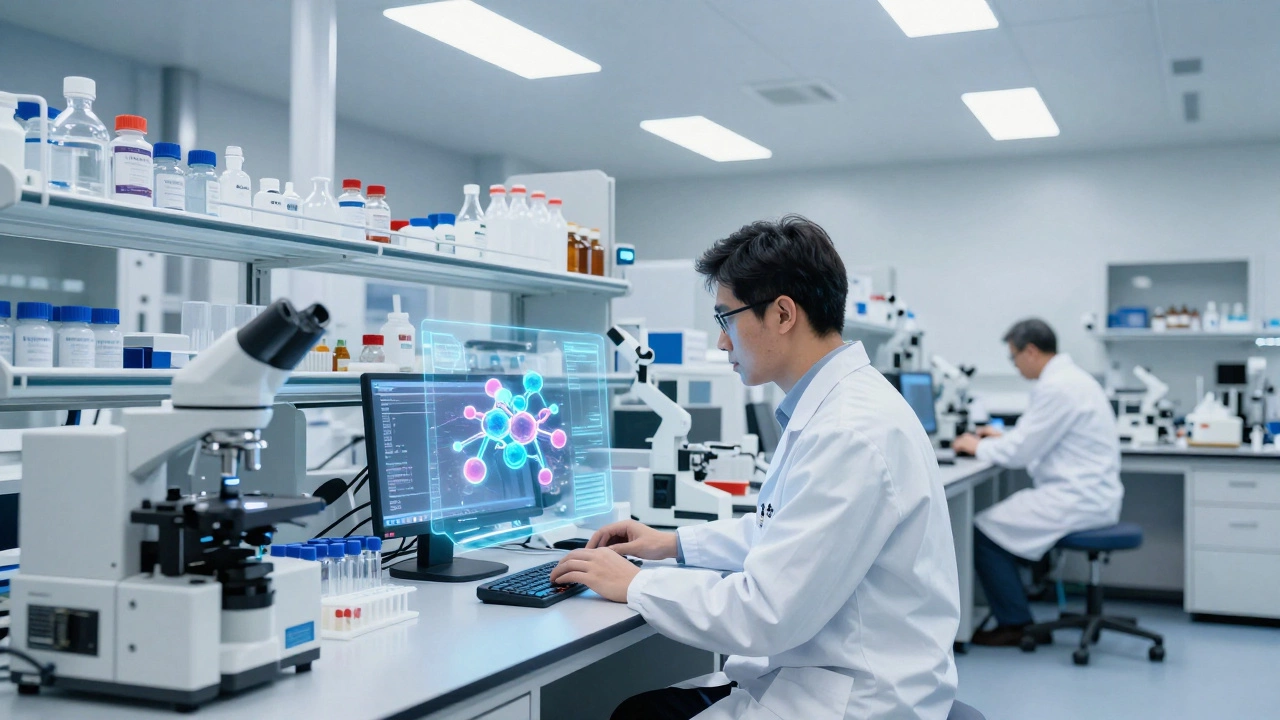
When people ask who has the "best" pharma, they usually mean one of two things. Either they want to know who invents the most new drugs, or who can produce the most medicine at the lowest price. The United States is the global leader in pharmaceutical research and development (R&D). If a revolutionary new cancer treatment or a gene therapy hits the market, there is a massive chance it started in a lab in Boston or San Francisco. The US system is built on high-risk, high-reward investment, backed by some of the strongest patent laws in the world. However, this innovation comes with a price tag that often makes US-made drugs the most expensive on the planet.
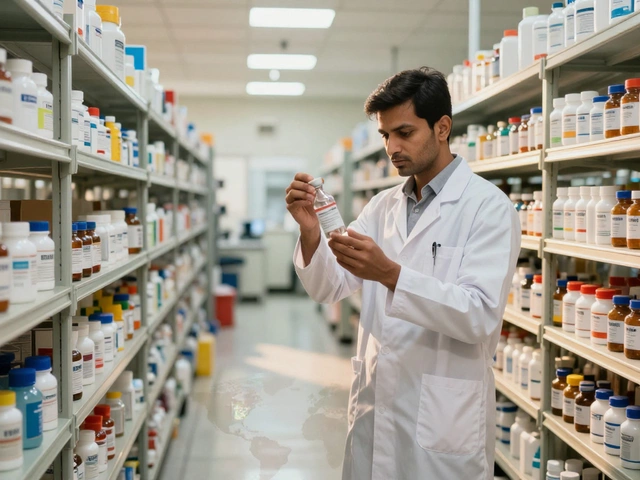
On the flip side, if you're talking about accessibility and volume, India is in a league of its own. Known as the "Pharmacy of the World," India is a global hub for the manufacture of generic medicines. While the US focuses on the new, pharma manufacturers India specialize in the proven. They take drugs whose patents have expired and figure out how to make them at a fraction of the cost without losing quality. For example, India provides a huge percentage of the world's vaccines and affordable HIV/AIDS medications, which has literally saved millions of lives in developing nations.
Comparing the Heavyweights: Innovation vs. Scale
To understand the divide, look at the difference between an "Innovator" and a "Generic" producer. An innovator spends billions of dollars and ten years testing a single molecule. A generic producer, like many of the giants in India, spends their energy optimizing the chemical process to make that same molecule for pennies. Both are "best" in their own way.
| Country | Primary Strength | Key Attribute | Market Focus |
|---|---|---|---|
| USA | R&D Innovation | High Investment | New Chemical Entities (NCEs) |
| India | Generic Production | Cost Efficiency | Affordable Generics & Vaccines |
| China | Raw Material Supply | Industrial Scale | APIs & Chemical Intermediates |
| Switzerland | Specialized Biotech | High Quality/Precision | Complex Biologics |
Why India Dominates the Generic Market
You might wonder how India became so dominant. It wasn't an accident. For decades, Indian law allowed companies to patent the process of making a drug, but not the product itself. This meant Indian chemists could look at a Western drug and find a new, cheaper way to synthesize it legally. This fostered a culture of "reverse engineering" that made Generic Drugs a national specialty. Today, the Indian pharma sector is one of the largest employers in the country and a critical part of its GDP.
But it's not just about cheap labor. India has a massive infrastructure of FDA-approved plants. The US Food and Drug Administration (FDA) has more inspections in India than almost anywhere else. When an Indian plant gets that stamp of approval, it means the medicine is safe enough for the toughest market in the world. This combination of low cost and high regulatory compliance is why global health organizations rely on them for bulk vaccine shipments.
The Role of China: The Invisible Giant
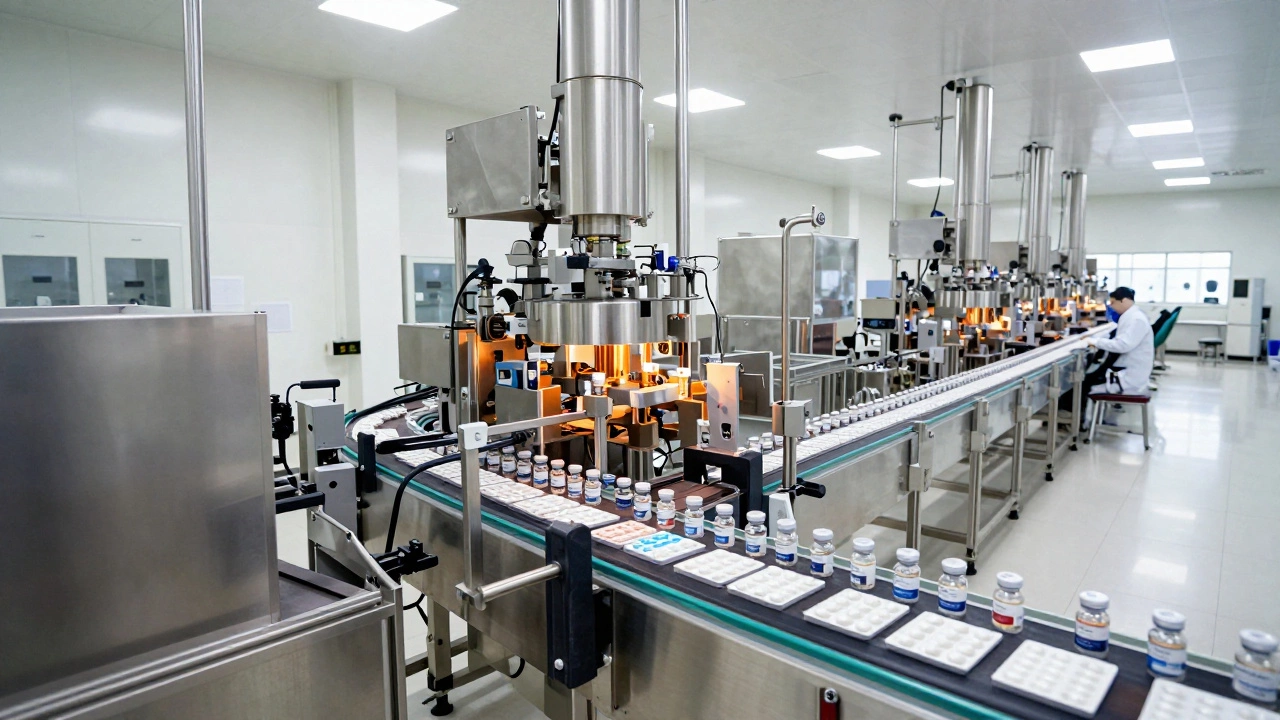
While India gets the fame for the finished pill, China is the engine room. Most of the world's API (Active Pharmaceutical Ingredients)-the actual chemical that makes the drug work-comes from China. Even some of the biggest Indian manufacturers import their raw materials from Chinese factories. China has used its massive chemical industry to create a supply chain that is nearly impossible to replicate. If China stops shipping API, the rest of the world's pharmacies go empty within weeks.
However, China is now trying to move up the value chain. They are investing heavily in biotechnology and trying to move from being the "raw material provider" to being an innovator like the US or Switzerland. This shift is creating a fascinating competition in the Asia-Pacific region.
European Precision: The Swiss and German Influence
If the US is about boldness and India is about volume, Europe is about precision. Switzerland and Germany are home to some of the most sophisticated pharma companies in history. They don't try to compete with India on price. Instead, they focus on "orphan drugs"-medicines for rare diseases that only a few thousand people have. These drugs are incredibly complex to manufacture and require a level of chemical purity that only the most advanced labs can achieve.
European companies often lead in Biopharmaceuticals, which are drugs made from living organisms rather than chemical synthesis. These are the "smart drugs" used in modern immunology and oncology. Their approach is a middle ground: they innovate like the Americans but maintain a stricter, more conservative approach to quality control and long-term stability.
Potential Pitfalls and Risks in Global Pharma
No country is perfect. The US faces a crisis of affordability, where life-saving insulin costs ten times more than it does in other countries. India has struggled in the past with "quality lapses" in some smaller factories, though the industry has cleaned up significantly over the last decade. China faces geopolitical tensions that make Western countries nervous about relying too heavily on their API supply.
For a business or a government, the "best" partner depends on the goal. If you need to develop a brand new vaccine for a future pandemic, you look to the US or Germany. If you need to vaccinate a population of 100 million people on a tight budget, you call India. If you need the raw chemicals to start your own pharmaceutical line, you look to China.
The Future: Where is the Industry Heading?
We are seeing a trend called "China Plus One." Many global companies are diversifying their supply chains so they aren't 100% dependent on China. This is a huge opportunity for India to grow its API capacity. At the same time, the rise of AI in Drug Discovery is changing the game. Artificial intelligence can now predict how a molecule will behave, cutting the R&D time from years to months. This could potentially strip the US of its innovation lead if other countries adopt AI-driven labs faster.
Is medicine from India as good as medicine from the US?
Yes, provided the manufacturer is FDA or WHO certified. Generic drugs must have the same active ingredient, strength, and dosage form as the brand-name drug. While the "filler" ingredients might differ, the therapeutic effect is identical.
Why are drugs so much cheaper in India than in the USA?
Lower labor costs, a massive internal market that drives competition, and a history of focusing on generic versions of drugs rather than expensive new patents. Additionally, the US government does not regulate drug prices, allowing companies to charge whatever the market will bear.
What is an API in pharmaceutical manufacturing?
API stands for Active Pharmaceutical Ingredient. It is the biologically active component of a drug that produces the intended health effect. For example, in a Tylenol tablet, the acetaminophen is the API; the rest is just binder and filler.
Which country is safest for clinical trials?
The US and EU (specifically Germany and France) generally have the most stringent ethical and safety oversight for clinical trials. However, many trials are now conducted globally to ensure the drug works across different ethnic populations.
Can I buy medicines directly from Indian manufacturers?
While some companies do export, pharmaceutical laws are very strict. Importing prescription drugs without a license is illegal in many countries, including the US and UK, due to safety and customs regulations.
Next Steps for Industry Observers
If you're tracking this industry, keep an eye on three things: the development of "Biosimilars" (the generic version of biotech drugs), the shift of API production from China to India and Vietnam, and the impact of AI on the cost of new drug development. The "best" country won't be the one with the most patents, but the one that can balance innovation with the ability to get that medicine into the hands of people who can't afford a fortune for it.