Small Factory Startup Cost Estimator (India)
Setup Specifications
Financial Summary
- Initial setup for a micro-factory typically ranges from ₹15 lakhs to ₹50 lakhs.
- Land and building costs vary wildly between industrial zones (MIDC, RIICO) and private plots.
- Government schemes like PMEGP can cover up to 35% of project costs through subsidies.
- Operational runway for the first 6-12 months is as critical as the CAPEX.
Calculating Your Initial Capital Expenditure
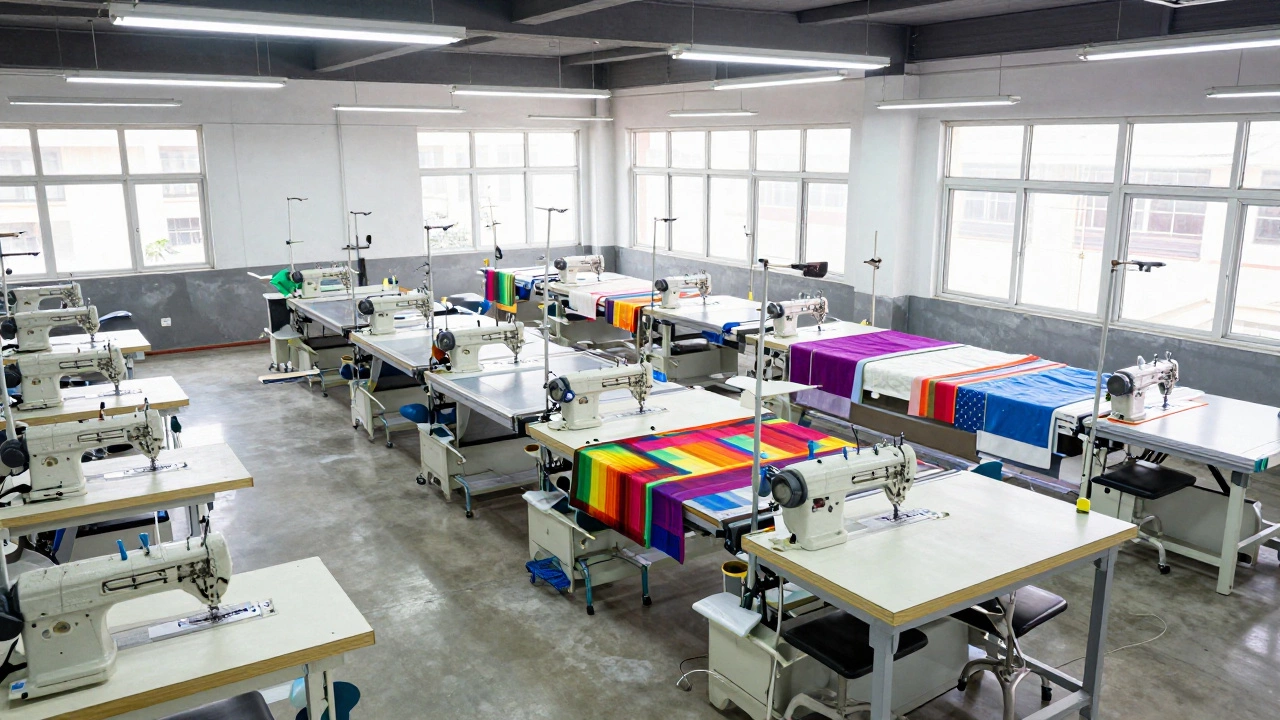
When you talk about the cost of a factory, you're dealing with Capital Expenditure (CAPEX). For a textile manufacturer, this usually starts with the machinery. If you're setting up a small garment unit, you aren't just buying sewing machines; you're investing in cutting tables, industrial steam irons, and quality control stations. A basic set of 10 high-speed industrial machines might cost you ₹3 lakhs to ₹7 lakhs, but the automated fabric cutters can push that budget up by another ₹10 lakhs.
Then there is the infrastructure. In India, you have two choices: lease or buy. Leasing a shed in an industrial area is the smartest move for beginners. A 2,000 sq. ft. shed in a secondary city might cost you ₹20,000 to ₹40,000 per month in rent, with a security deposit of 6 months. If you buy land, prices in states like Gujarat or Tamil Nadu vary, but expect to pay anywhere from ₹1,500 to ₹4,000 per square foot in designated industrial zones. Building a basic RCC structure will add another ₹1,200 to ₹1,800 per square foot to your bill.
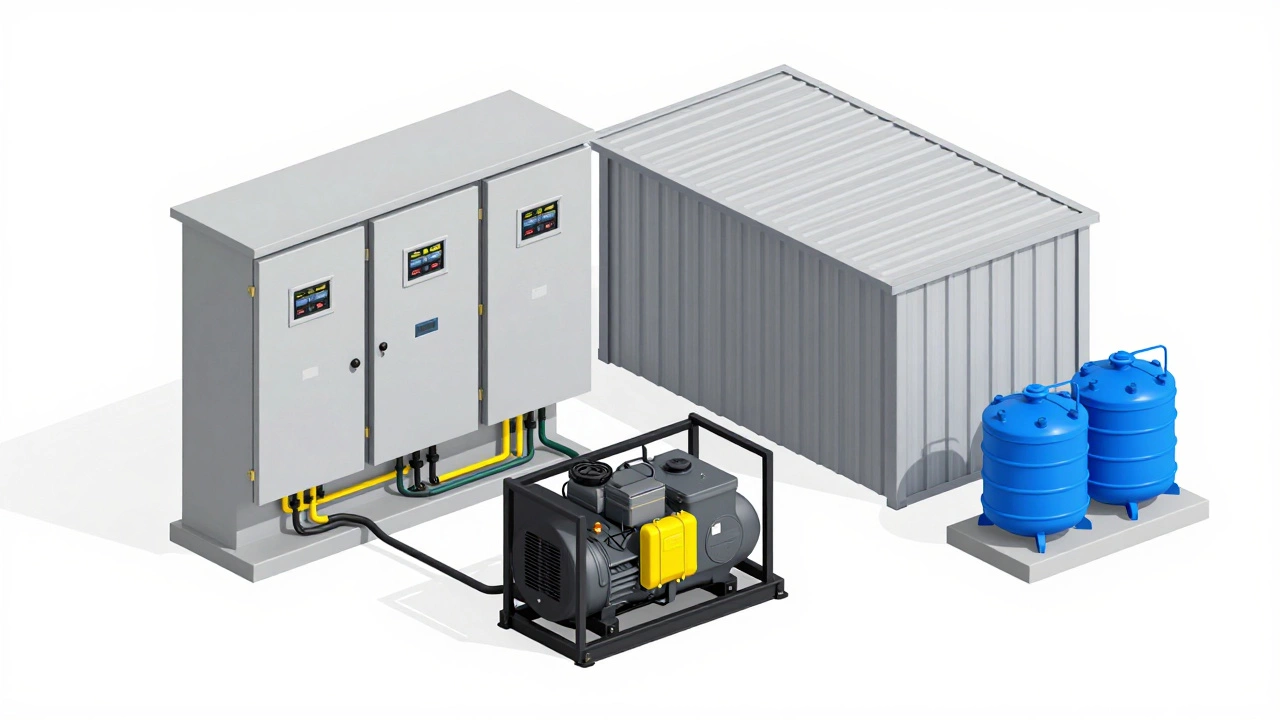
Don't forget the "invisible" setup costs. Getting a commercial electricity connection (especially a three-phase line) requires a security deposit and installation fees that can run into ₹50,000 to ₹2 lakhs depending on the load. If you're in textiles, you'll likely need a backup diesel generator (DG set) to avoid production halts during power cuts, which is an additional ₹3 lakhs to ₹8 lakhs investment.
Breakdown of Equipment and Machinery Costs
The heart of your factory is the machinery. To keep costs down, many founders look at the secondary market, but for Textile Manufacturing, precision matters. Old machines lead to high fabric wastage. A new, semi-automated setup for a small textile unit usually involves a mix of specialized equipment. For instance, knitting machines or weaving looms are the big-ticket items, often costing between ₹2 lakhs and ₹15 lakhs per unit depending on the GSM and fabric type they handle.
To give you a clear picture, here is how the costs typically shake out for a mid-range small factory setup:
| Expense Category | Estimated Cost (Low End) | Estimated Cost (High End) | Notes |
|---|---|---|---|
| Machinery & Tools | ₹5,00,000 | ₹25,00,000 | Depends on automation level |
| Land/Shed Advance | ₹2,00,000 | ₹10,00,000 | Rental deposits or leasehold |
| Electrical & Plumbing | ₹1,00,000 | ₹5,00,000 | Three-phase wiring & installation |
| Licenses & Permits | ₹50,000 | ₹2,00,000 | GST, Trade License, Pollutions |
| Working Capital (3 Months) | ₹5,00,000 | ₹15,00,000 | Raw materials & wages |
Navigating Licenses and Legal Requirements
You can't just plug in a machine and start selling. The legal side of small factory cost India involves several layers of bureaucracy. First, you need a Udyam Registration, which is the official government portal for MSMEs. It's free and essential for getting bank loans. Then comes the GST registration, which is mandatory if your turnover exceeds certain limits or if you sell across state lines.
The trickiest part is the "Consent to Establish" (CTE) and "Consent to Operate" (CTO) from the State Pollution Control Board. Even a small textile unit that uses dyes or chemicals is scrutinized for water discharge. If you're using heavy chemicals, you'll need an Effluent Treatment Plant (ETP). A small, basic ETP can cost you ₹2 lakhs to ₹10 lakhs. If you skip this, the fines are brutal, and the government can shut you down overnight.
Labor law compliance is another area where new owners lose money. You'll need to register under the Factories Act if you employ more than a certain number of people (usually 10 or 20 depending on the state). This brings in requirements for ventilation, safety exits, and worker insurance, adding a few thousand rupees to your monthly overheads.
Funding Your Factory: Loans and Subsidies
Most people don't use their own cash for the full setup. The Indian government is currently pushing "Make in India" initiatives, making it a great time to leverage MSME Loans. The Prime Minister's Employment Generation Programme (PMEGP) is a goldmine for small manufacturers. It provides a subsidy of 15% to 35% of the project cost, meaning the government essentially pays for a third of your factory if you qualify based on your category.
Bank loans for machinery usually come in the form of term loans with a tenure of 5 to 7 years. However, banks will demand collateral or a guarantee from the Credit Guarantee Fund Trust for Micro and Small Enterprises (CGTMSE). If you have no collateral, CGTMSE is your only path to a legitimate bank loan without putting your house on the line.
A pro tip: don't take a loan for your working capital. Use loans for fixed assets (machines, land) and try to fund your first three months of raw materials and salaries through your own savings or a partner. Using a high-interest loan to pay for fabric or thread is a recipe for a cash-flow crisis.

Operating Costs and the First Year Struggle
The cost of building the factory is a one-time hit, but the cost of running it is what kills most businesses. For a textile unit, your biggest monthly drain will be electricity and labor. Industrial electricity tariffs are tiered; the more you consume, the higher the rate often goes. You can expect to spend ₹15,000 to ₹60,000 monthly on power alone for a small unit.
Labor in India is relatively affordable, but skilled operators-people who actually know how to calibrate a loom or maintain a CNC machine-demand a premium. If you hire 10 unskilled workers at ₹12,000 and 2 supervisors at ₹25,000, your monthly payroll is roughly ₹1.7 lakhs. You also have to account for the "attrition cost." In the manufacturing sector, workers often leave for a slightly higher wage elsewhere, meaning you'll spend a lot of time and money training new people.
Raw material procurement is the final piece of the puzzle. Buying fabric in small quantities from wholesalers increases your cost per unit. To make a profit, you need to buy in bulk, which requires more upfront cash. This is where the "Working Capital Cycle" comes in. If your customers (retailers or brands) pay you in 60 days, but your suppliers want money in 15 days, you have a 45-day gap you must fund out of your own pocket.
Can I start a factory with less than ₹10 lakhs?
Yes, but it will be a micro-unit. You would likely need to rent a very small space, buy second-hand machinery, and focus on a niche product (like custom t-shirt printing or small-scale stitching). You won't have room for automation or a large workforce, and your production capacity will be limited.
How long does it take to get all the permits in India?
On average, it takes 3 to 6 months. While Udyam and GST are fast (days), the Pollution Control Board's "Consent to Establish" and the local municipality's trade license can take several weeks or months of follow-ups and inspections.
Which state in India is cheapest for setting up a textile factory?
States like Tamil Nadu and Gujarat offer the best infrastructure and ecosystem for textiles. While land might be pricier in prime hubs, the availability of raw materials and skilled labor actually reduces your overall operational cost compared to a state where you have to import everything.
Is it better to buy or lease industrial land?
For 90% of first-time entrepreneurs, leasing is better. It preserves your capital for machinery and working capital. Buying land locks up a huge amount of cash in a non-liquid asset. Lease a shed in an industrial estate to get access to shared utilities and a community of other manufacturers.
What is the most common mistake in factory budgeting?
Underestimating the working capital. Many owners spend all their money on the best machines and the fanciest shed, only to realize they can't afford the raw materials or salaries for the first three months while waiting for their first big order to be paid.
Next Steps for Aspiring Factory Owners
If you are just starting, your first move should be a feasibility study. Don't just look at costs; look at the demand. Visit a local industrial cluster (like Tirupur for knitwear or Surat for synthetic textiles) and talk to current owners. Ask them about their biggest headaches-usually, it's power outages or labor shortages-and factor those into your budget.
Next, draft a detailed Project Report. You'll need this for your bank loan. It should include a 3-year projection of your revenue, expenses, and the "Break-Even Point" (the moment your factory starts making more than it spends). Once the report is ready, apply for your Udyam registration and start scouting for leased sheds in government-approved industrial zones to take advantage of better power rates and legal protections.