Manufacturing Insights from October 2025: Steel, Polymers, and India's Industrial Shifts
When you think about manufacturing, the process of turning raw materials into finished goods at scale. Also known as industrial production, it’s the backbone of economies from India to the U.S. In October 2025, the focus was sharp: who’s leading in steel, where are polymers making waves, and how is India positioning itself in global supply chains?
Steel industry, a high-volume, capital-intensive sector critical for construction, vehicles, and machinery saw ArcelorMittal remain the top global player, producing over 70 million tons annually. Meanwhile, India’s own steel makers are climbing the ranks, supported by government policies and rising domestic demand. The top five steel manufacturers in 2025 weren’t just about output—they were judged on sustainability, automation, and export reach. This isn’t just about making more steel; it’s about making it smarter.
Polymer production, the science of creating synthetic materials like plastics, rubbers, and composites for industrial use was another major theme. Tirupati Polymers Manufacturing highlighted how these materials are replacing metals in everything from auto parts to packaging. With Gujarat leading India’s chemical output at 44%, polymer innovation is no longer niche—it’s central to cost-cutting and lightweight design across sectors. The link between polymers and textiles? Strong. Arvind Ltd., India’s top textile firm, relies on advanced polymer blends to boost performance and reduce water use.
It’s not just about what’s made—it’s about how it’s made. Posts dug into the 5 Ps of manufacturing, Product, Process, Plant, People, and Planning—the five pillars that determine if a factory runs smoothly or collapses under pressure. One article broke down how a small-scale polymer plant in Tamil Nadu cut waste by 30% just by improving Planning and People training. Another compared BOM and MOM systems, showing how even small manufacturers can avoid costly errors by aligning their material lists with operational workflows.
India’s manufacturing story isn’t just about factories. It’s about regulation, export markets, and survival. The FSSAI and CDSCO rules for food and drug safety were tied to how packaging materials are tested. Export destinations for Indian textiles shifted, with new buyers in Southeast Asia and Africa stepping in. Meanwhile, the question of whether the U.S. still leads global manufacturing came up again—this time with data showing China still dominates volume, but India is gaining in agility and cost efficiency.
And then there’s the future. Posts warned that seven industries could vanish by 2040—not because they’re obsolete, but because they’re too slow to adapt. Traditional assembly lines, paper-based inventory, and manual quality checks are fading fast. The winners? Companies that combine polymer innovation with smart automation, data-driven planning, and clean production.
What you’ll find in this archive isn’t a random list of articles. It’s a snapshot of a manufacturing landscape in motion—where steel giants battle for global control, polymers quietly replace metals in everyday products, and Indian factories are learning to compete on speed, not just scale. Whether you’re running a small workshop or tracking industry trends, these posts give you the facts without the fluff.
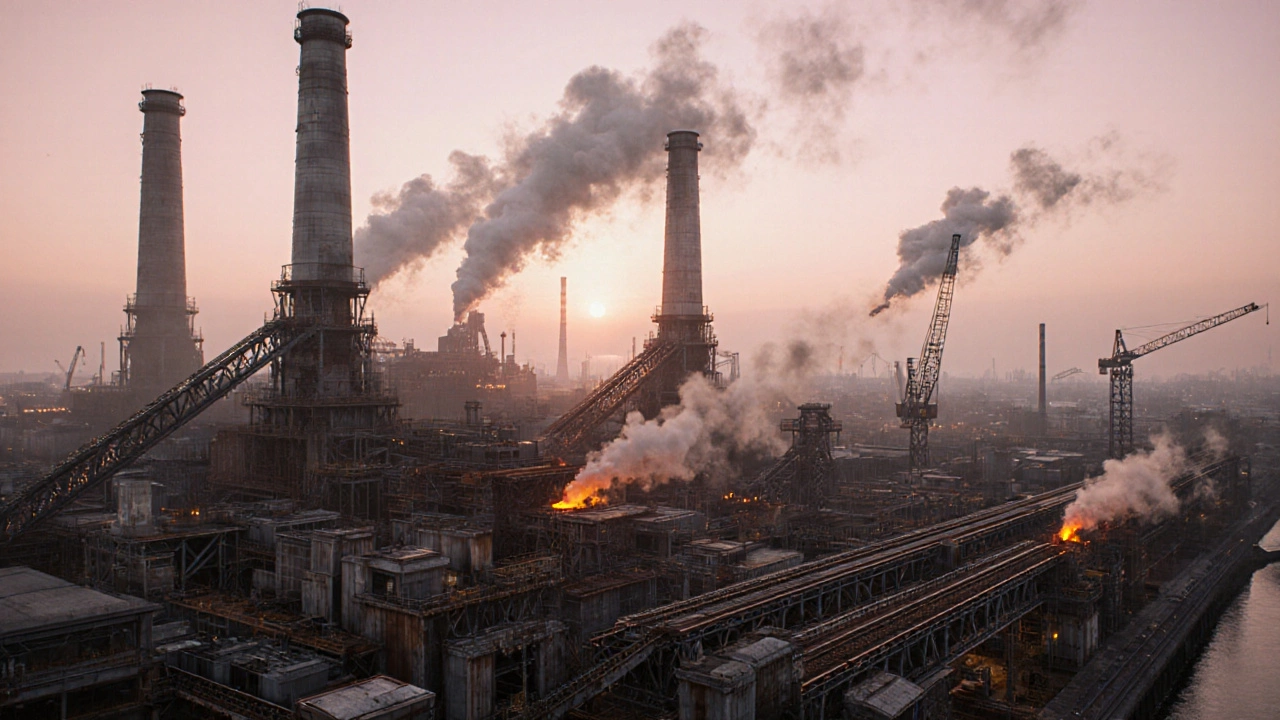
ArcelorMittal is the world's largest single-entity steel producer, with over 70 million tons of annual output. Learn how it leads global steel manufacturing, outpaces competitors, and drives green innovation.
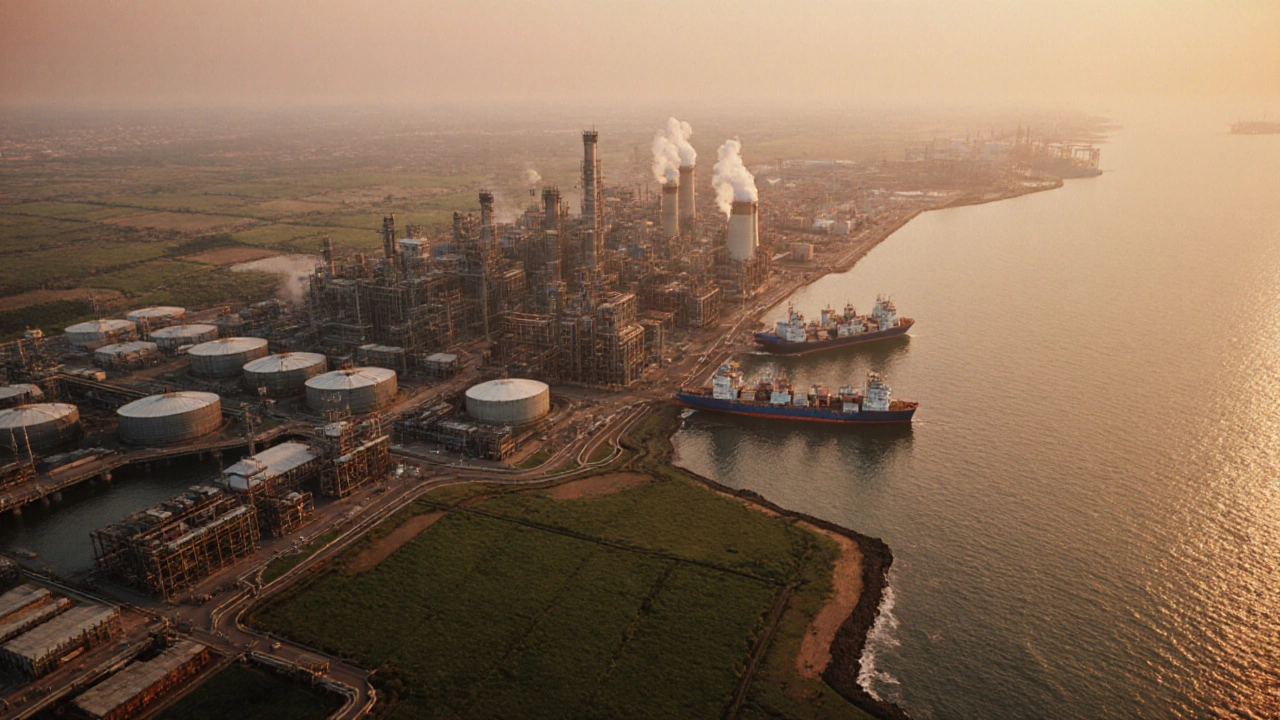
Gujarat leads India's chemical production, accounting for 44% of output. Learn why the state dominates, how other states compare, and what this means for investors.
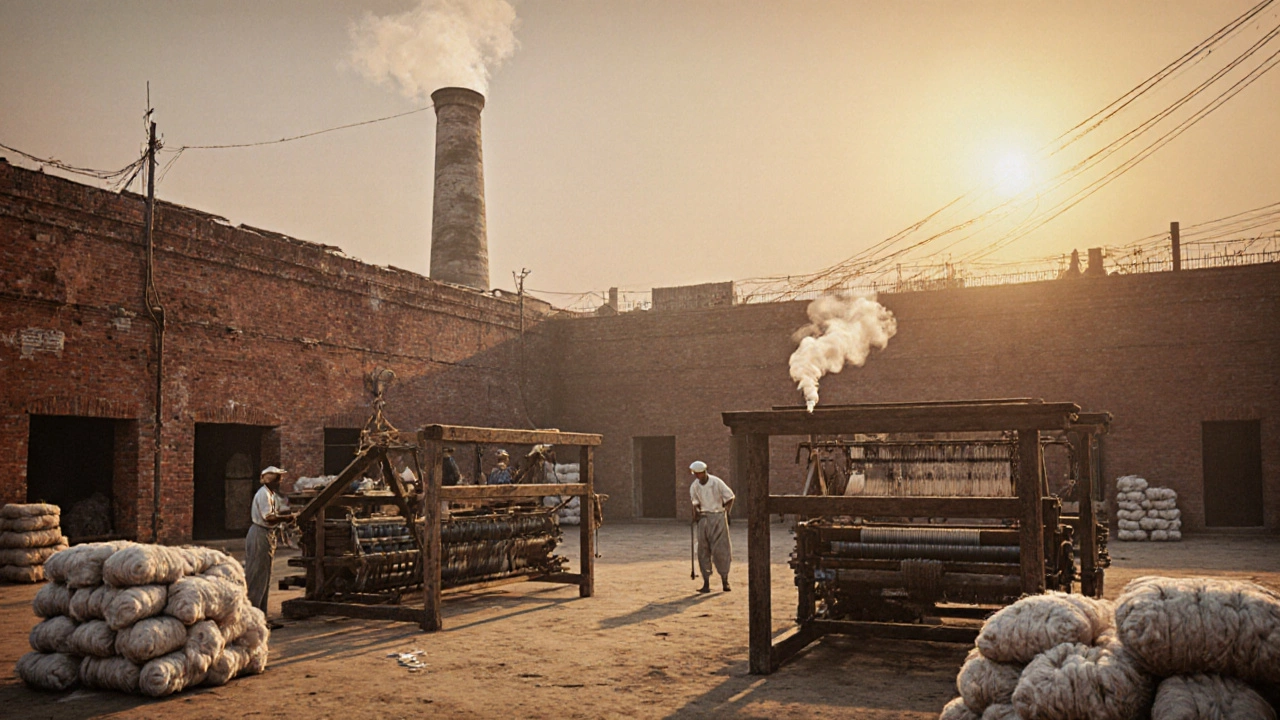
Arvind Ltd. tops the list as India's No 1 textile company in 2025, beating rivals on revenue, capacity and exports. Learn why it leads, see a comparison of top firms, and get a quick benchmark checklist.
Discover the 2025 top country for quality of life, why it matters for electronics manufacturing, and how India can close the gap with practical steps.
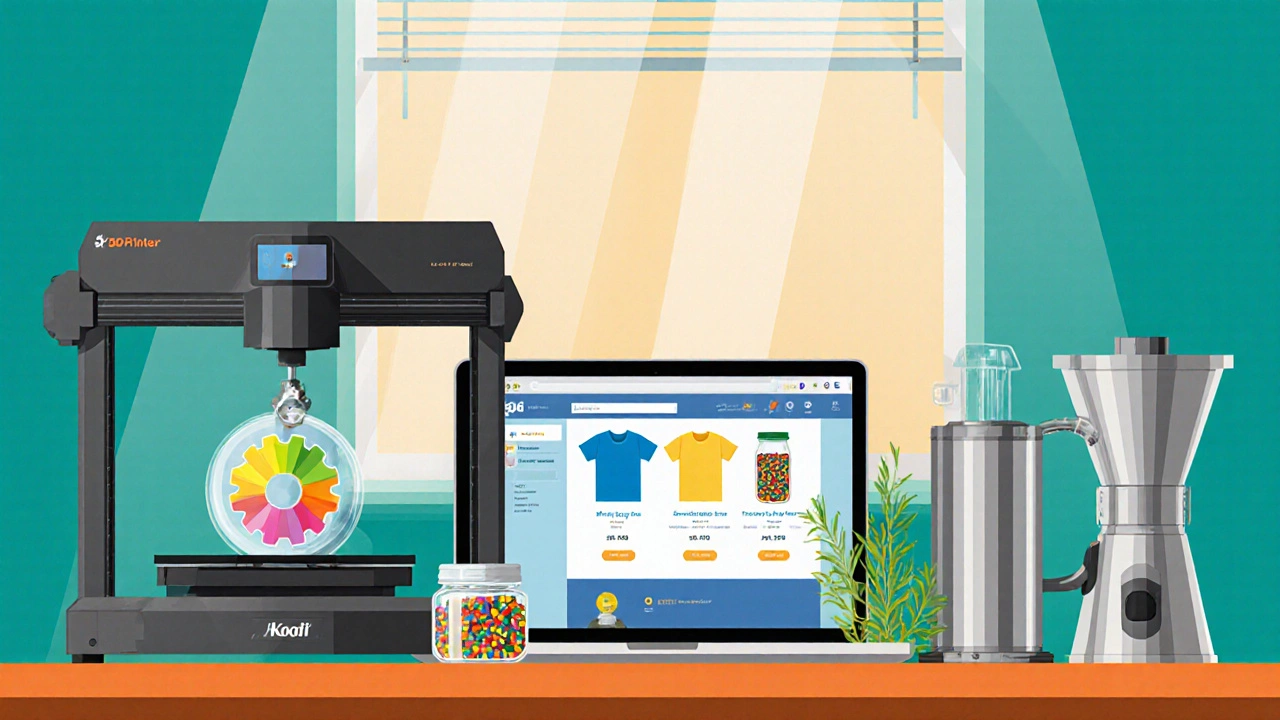
Discover the quickest manufacturing businesses you can start in 2025 with low capital, fast setup, and high profit margins. Includes step‑by‑step guides, funding tips, and pitfalls to avoid.

Learn how to pick a winning manufacturing product to invent, validate demand, prototype cheaply, and launch a profitable startup with real examples and a detailed checklist.
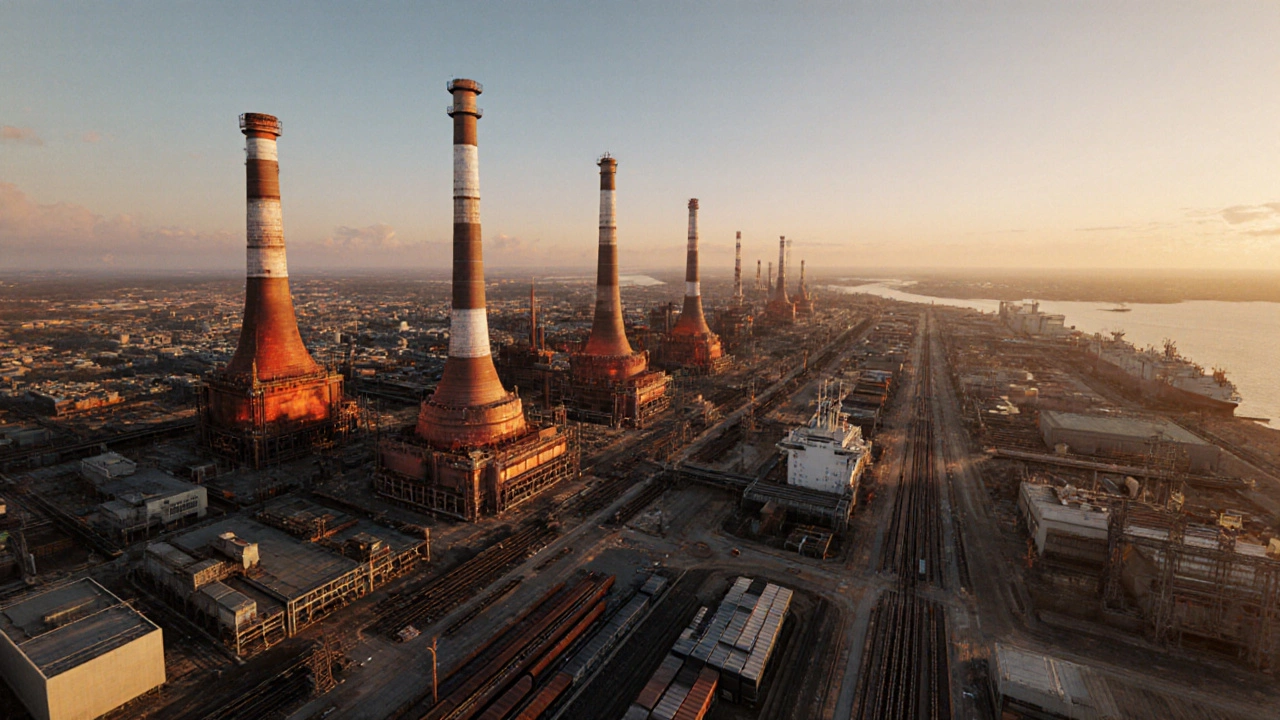
Discover the top 5 steel manufacturing companies, their production stats, revenue, market reach, and sustainability efforts in a clear, data‑driven guide.
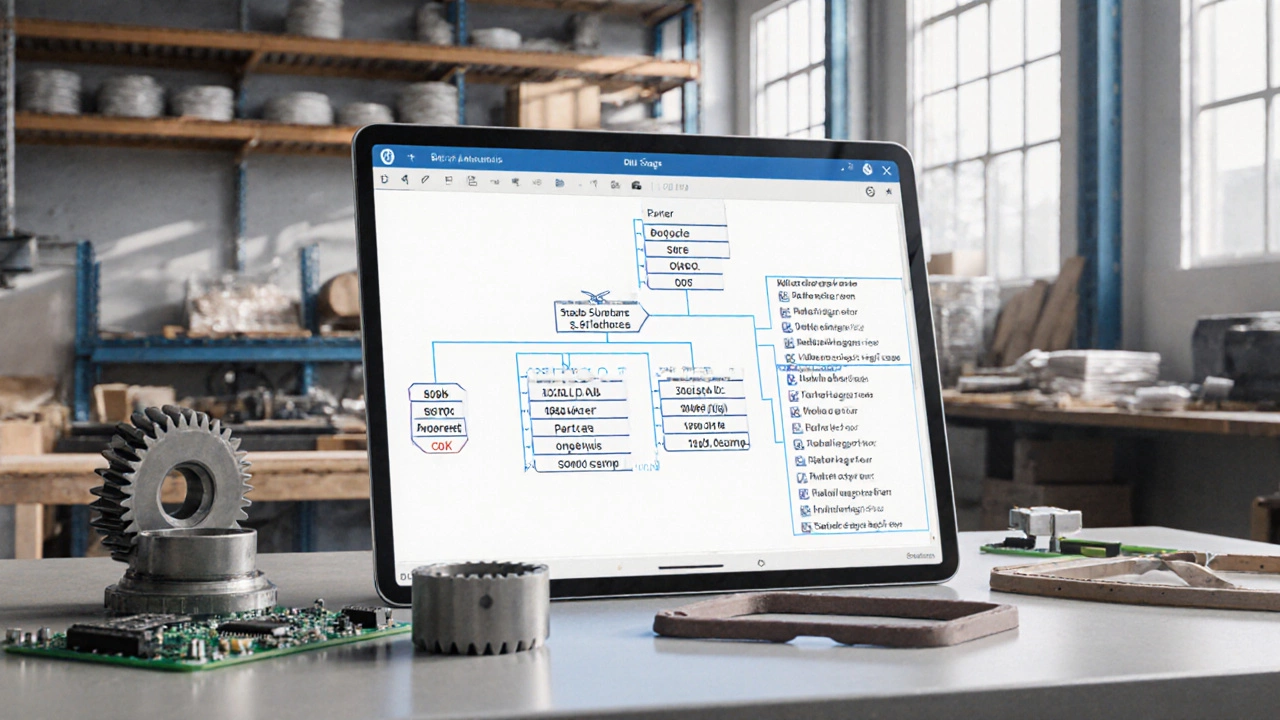
Learn the key differences between a Bill of Materials (BOM) and Manufacturing Operations Management (MOM), how they work together, and which UK schemes support them.
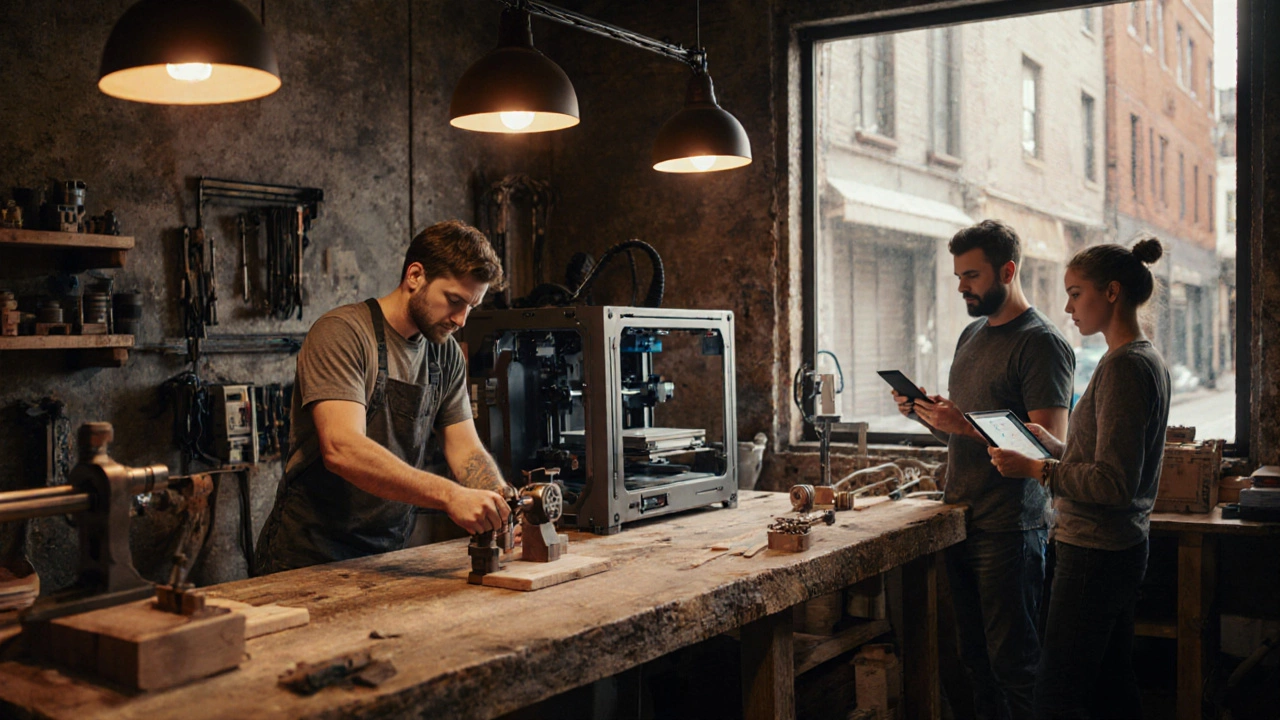
Explore what small-scale manufacturing is called, its key terms, benefits, challenges, and UK support schemes. Learn the differences between cottage industry, micro‑manufacturing, artisan production and more.

Discover the most profitable manufacturing startups in 2025, see margin stats, startup costs, and a step‑by‑step guide to launch a high‑margin venture.

Learn what a restaurant CPU (Central Production Unit) is, how it differs from a traditional line kitchen, its key components, benefits, implementation steps, and common pitfalls.

Nestlé tops the list as the biggest processed food company, with $58.2bn revenue. Learn why it leads, see the top rivals, market share, and 2025 industry trends.