Supply Chain in Manufacturing: What It Is and Why It Matters
When you think of manufacturing, you picture machines, factories, and workers. But behind every polymer roll, plastic part, or chemical batch is something quieter but just as vital: the supply chain, the network of suppliers, logistics, warehouses, and distributors that move raw materials to finished goods. Also known as production chain, it’s the invisible backbone that keeps factories running. Without a smooth supply chain, even the best polymer plant sits idle.
In India, where companies like Tirupati Polymers produce materials for packaging, construction, and automotive industries, the supply chain isn’t just about getting resin from Gujarat to a Delhi factory. It’s about timing, cost, and reliability. A delay in ethylene delivery from Dahej can halt an entire production line. A customs hold on imported additives can push back a client’s order by weeks. That’s why smart manufacturers don’t just focus on output—they track every step from crude oil to customer door.
It’s not just about moving stuff. The supply chain includes planning, inventory control, vendor relationships, and even sustainability. Companies that cut corners on logistics end up paying more in wasted material, overtime, or lost trust. Meanwhile, those who build strong supplier networks—like the ones linked to Gujarat’s chemical hubs—gain real advantages in speed and cost. And with government schemes like PLI pushing for local production, having a resilient supply chain is no longer optional—it’s a competitive edge.
What you’ll find in these posts isn’t theory. It’s real-world insight. You’ll see how plastic pollution ties back to corporate supply decisions, how Gujarat’s chemical dominance shapes India’s manufacturing map, and why the fastest-growing states aren’t just about tax breaks—they’re about logistics, workforce access, and reliable inputs. Whether you’re running a small polymer shop or managing production for a big brand, understanding how the supply chain works will help you avoid delays, cut costs, and stay ahead.
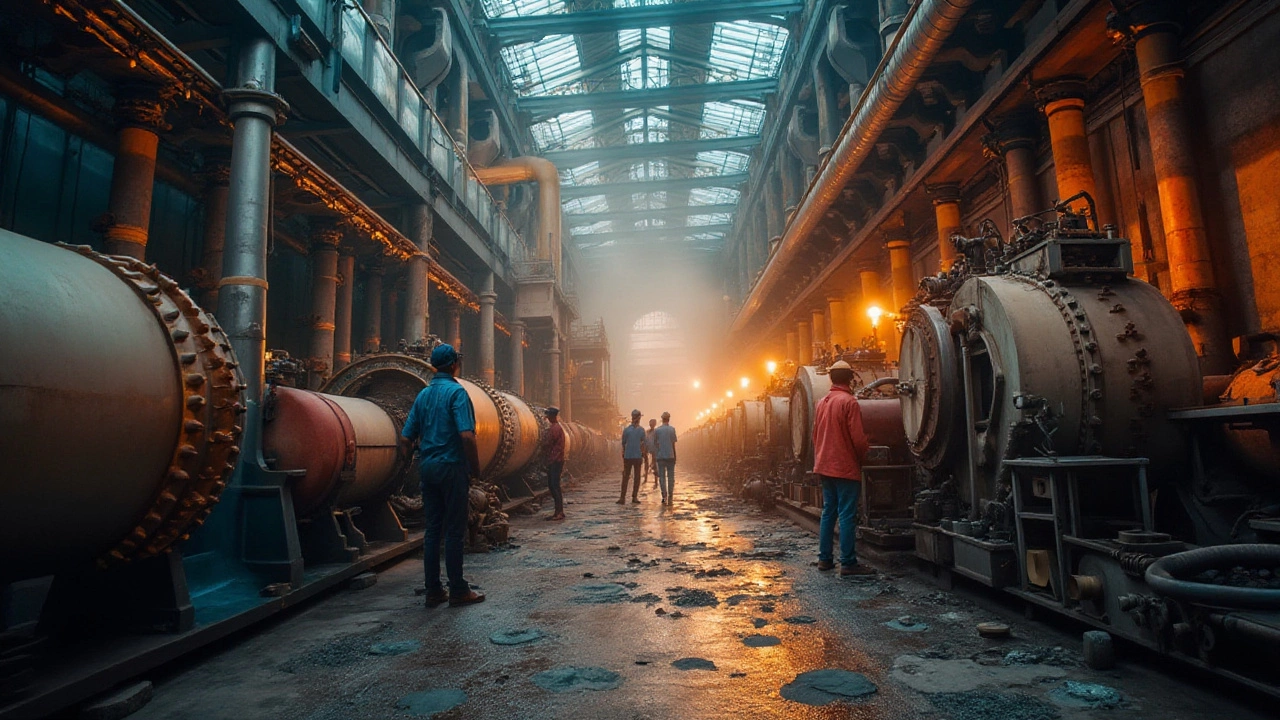
Manufacturers rely on a well-structured supply chain to source plastic. They begin with raw materials like natural gas and crude oil, which undergo processing to create polymers. These polymers are transformed into plastic pellets and supplied globally. The journey of these materials is fascinating and involves several stages, ensuring quality and sustainability considerations are met at each step.