Plastic Pollution: Causes, Impact, and What Manufacturers Can Do
When we talk about plastic pollution, the widespread accumulation of synthetic plastic waste in ecosystems, especially oceans and soil. Also known as microplastic contamination, it’s not just litter—it’s a systemic failure in how we produce and dispose of materials. Every year, over 400 million tons of plastic are made globally, and nearly half of it is designed to be thrown away after one use. That’s not innovation—it’s waste on an industrial scale.
polymer manufacturing, the industrial process of turning raw chemicals into long-chain plastic molecules is at the heart of this problem. Companies like Tirupati Polymers Manufacturing produce polymers used in packaging, textiles, automotive parts, and more. But if those polymers aren’t designed to be recycled, reused, or broken down safely, they become environmental liabilities. The same factories that make durable, high-performance materials often don’t account for what happens after the product’s short life. And that’s where environmental impact, the harm caused to natural systems by human-made waste and emissions shows up—in rivers, in fish, even in our blood. Microplastics from degraded bags, bottles, and fibers have been found in the deepest ocean trenches and the highest mountain snow. This isn’t a future threat. It’s happening now.
Here’s the good news: waste management, the collection, sorting, recycling, and disposal of discarded materials isn’t the only solution. The real fix starts at the factory. Manufacturers can choose bio-based feedstocks, design for disassembly, eliminate toxic additives, and partner with recyclers instead of landfills. Some Indian states, like Gujarat, already lead in chemical production—and could lead in sustainable polymer innovation too. It’s not about stopping production. It’s about changing what’s produced.
You’ll find posts here that dig into how manufacturing trends, government schemes, and regional industrial growth are tied to this issue. From the rise of technical textiles to the chemical hubs that produce the raw materials, these articles show where the system works—and where it breaks. You’ll see how small-scale manufacturers are finding profitable alternatives, how policy changes are shaping production, and why the next big opportunity isn’t in making more plastic—but in making better plastic.
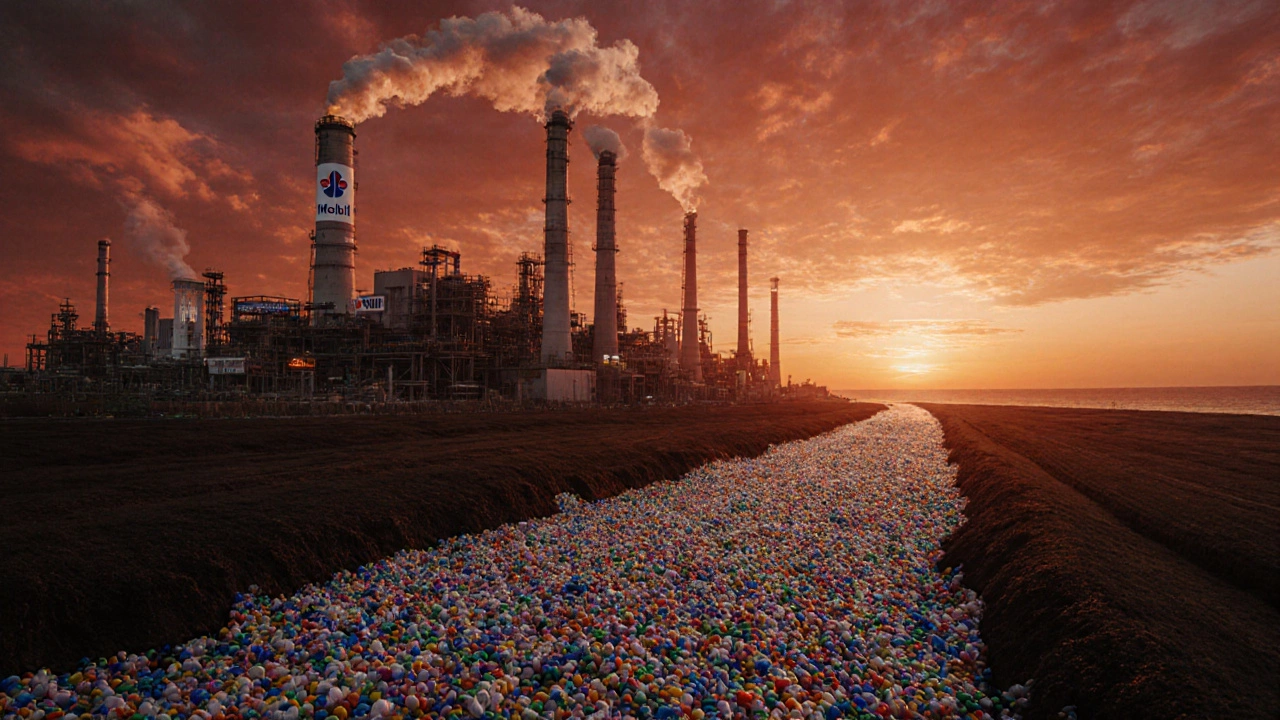
Plastic pollution isn't caused by consumers - it's designed by corporations. Learn who really produces the plastic waste choking our planet and why recycling alone won't fix it.
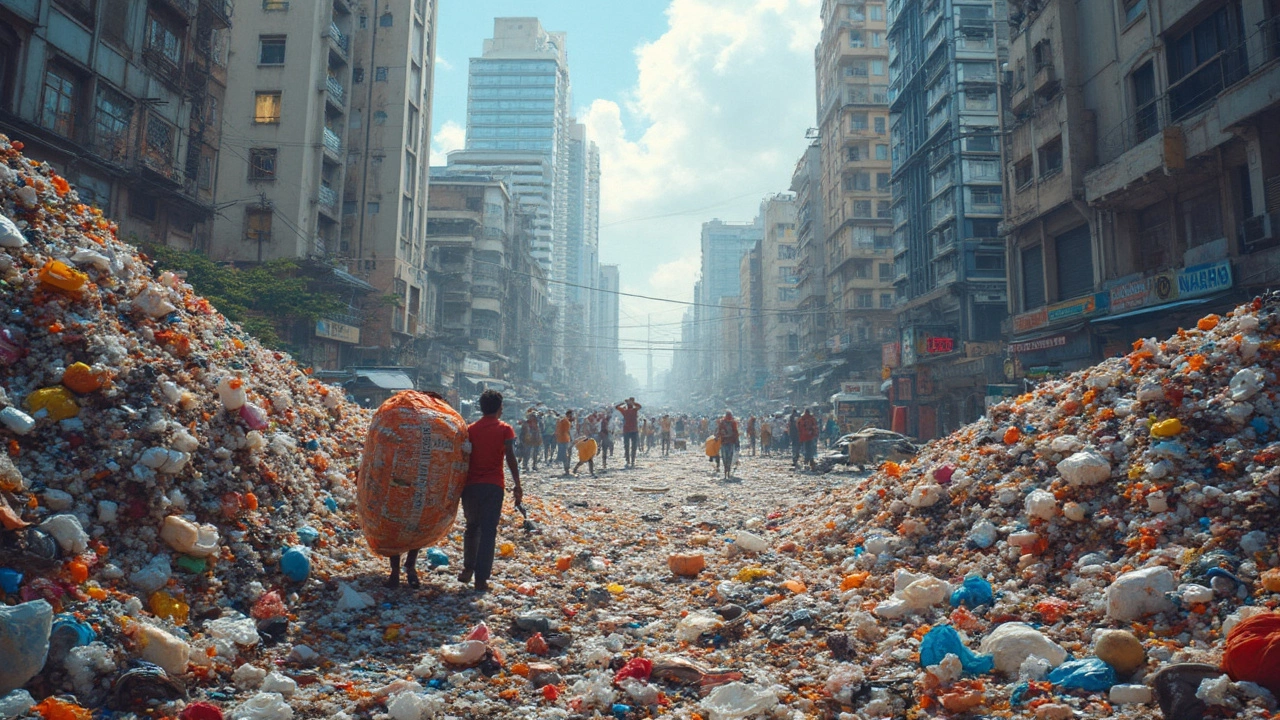
Exploring which country faces the most severe waste challenges isn't as straightforward as one might think. Various factors like population, infrastructure, and legislation play critical roles. This article dives into the global waste crisis, highlighting regions with significant waste management struggles. Expect insights into the roles of plastic manufacturers and tips on how countries can improve.