Micro Manufacturing: What It Is and How It’s Changing Small-Scale Production
When we talk about micro manufacturing, a production method focused on creating very small, high-precision parts or products using specialized tools and processes. Also known as micromanufacturing, it’s not about big machines or huge factories—it’s about making tiny things with extreme accuracy, often in batches of just a few hundred or even fewer. Think medical implants, micro-gears for watches, tiny sensors for smartphones, or custom plastic components for drones. These aren’t mass-produced items. They’re made in small, controlled environments where every micrometer counts.
Micro manufacturing small scale manufacturing, a category of production where businesses operate with limited equipment, low capital, and focused output but takes it further by adding precision engineering. It’s the difference between making a plastic bottle cap and making a plastic cap that fits perfectly onto a vial used in a life-saving drug delivery system. The tools are different—laser cutters, micro-molding machines, CNC micro-milling—and the materials often include high-grade polymers, medical-grade silicones, or specialty alloys. This isn’t just about size. It’s about control, consistency, and meeting exacting standards that larger factories can’t easily match.
What makes micro manufacturing powerful is how it fits into today’s industrial landscape. Companies in India, especially in places like Gujarat and Tamil Nadu, are using it to serve global markets in electronics, healthcare, and automotive sectors. You don’t need a billion-dollar plant to start. A single micro-molding machine, trained operators, and a clear product niche can be enough. That’s why it’s booming among startups and MSMEs. It’s also why government schemes like PLI and PMEGP are starting to include micro manufacturing under their support programs—because it creates high-value jobs without requiring massive land or energy use.
And it’s not just about making parts. Micro manufacturing enables innovation. A startup in Bangalore can design a custom polymer component for a wearable health monitor and produce it locally in weeks, not months. That’s the power of scale down. It reduces supply chain risks, cuts lead times, and lets businesses respond fast to market changes. Unlike traditional manufacturing, where you need thousands of units to break even, micro manufacturing lets you test, tweak, and sell with just a few dozen.
So if you’re wondering how a small team can compete with big manufacturers, the answer is often in the details. precision manufacturing, the practice of producing components with extremely tight tolerances, often within microns is the backbone of this shift. And when you combine it with smart material choices—like the high-performance polymers Tirupati Polymers specializes in—you get products that are not just small, but smarter, lighter, and more reliable.
Below, you’ll find real examples of how micro manufacturing is being used today—from niche medical devices to custom consumer goods. You’ll see how businesses are cutting costs, speeding up production, and winning contracts that once seemed out of reach. No fluff. No theory. Just what’s working on the ground in India’s growing manufacturing ecosystem.
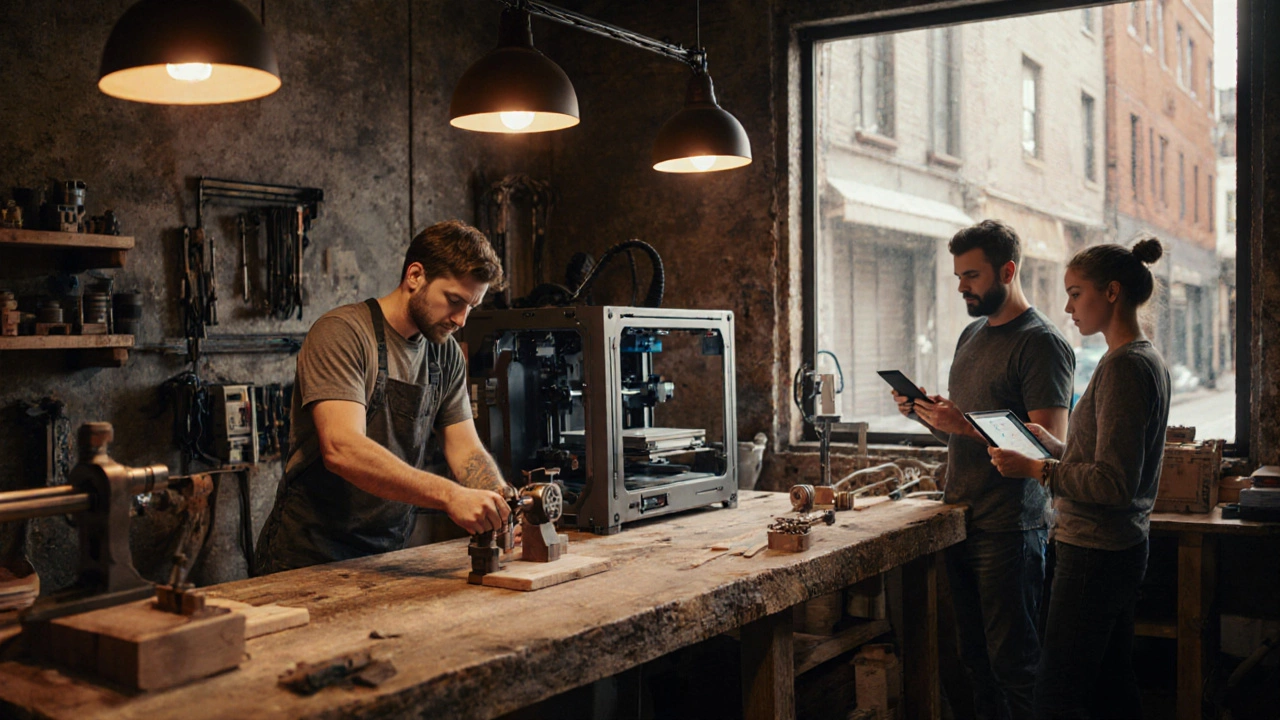
Explore what small-scale manufacturing is called, its key terms, benefits, challenges, and UK support schemes. Learn the differences between cottage industry, micro‑manufacturing, artisan production and more.