Manufacturing Process: How Products Are Made in India and Why It Matters
When we talk about the manufacturing process, the step-by-step system used to turn raw materials into finished goods. Also known as production workflow, it’s the backbone of every product you touch—from plastic containers to medical devices. In India, this isn’t just about factories and machines. It’s about how local innovation, government schemes like PLI, and regional hubs like Gujarat are reshaping what’s possible.
The polymer manufacturing, the creation of synthetic materials like plastics and resins from chemical compounds. Also known as plastic production, it’s one of the most vital parts of India’s industrial growth. Over 80% of India’s petrochemicals come from Gujarat, where companies turn oil into everything from packaging to automotive parts. But it’s not just big players. Small-scale manufacturers are now making high-margin goods like engraved pet tags and custom water bottles using simple injection molding machines. These aren’t fancy setups—they’re smart, lean, and profitable.
There are three main types of manufacturers you’ll see in India: discrete manufacturers, those building distinct items like electronics or furniture. Also known as assembly-line producers, who make things one unit at a time; process manufacturers, those mixing or transforming materials continuously, like chemicals or food. Also known as flow producers, who handle liquids, powders, and gases; and job shop manufacturers, custom makers who handle small batches for specific clients. Also known as contract manufacturers, who build unique products on demand. Each one uses a different version of the manufacturing process, and each has its own challenges and rewards.
What’s driving change? It’s not just demand—it’s policy. The PLI scheme pushes companies to make more in India. The FSSAI and CDSCO rules shape how food and pharma packaging is made. And plastic pollution isn’t just an environmental issue—it’s forcing manufacturers to rethink materials and waste. You can’t ignore sustainability anymore, especially when your customers care.
From the chemical plants of Dahej to the tiny workshops in Tamil Nadu, the manufacturing process in India is getting smarter, faster, and more diverse. You’ll find posts here that break down how top steelmakers operate, what government schemes actually give you, which states are booming, and why some products make 1,000% margins. Whether you’re running a small factory, planning to start one, or just trying to understand what’s behind the products you use, this collection gives you the real picture—not the marketing fluff.
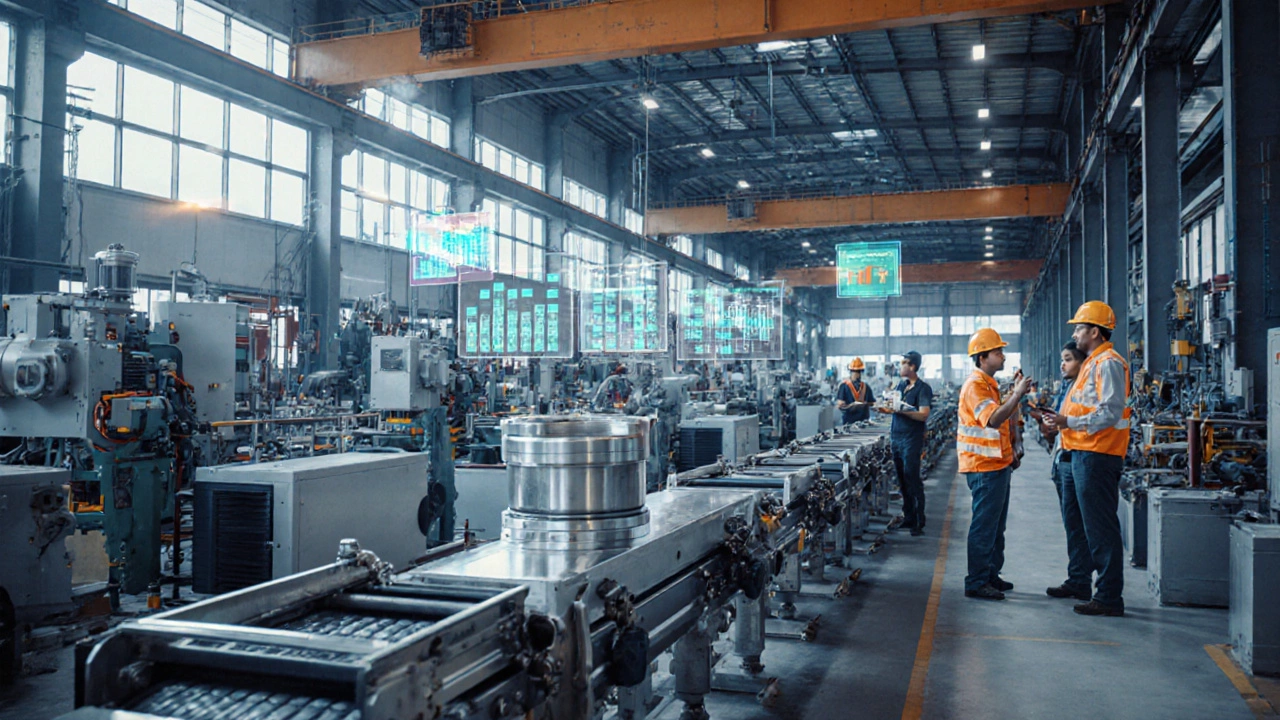
Learn the 5 Ps of manufacturing-Product, Process, Plant, People, Planning-and how to apply each pillar to boost quality, efficiency, and on‑time delivery.

Learn the easiest way to turn your product idea into reality, from design to choosing manufacturers and scaling production. Step-by-step advice packed with useful tips.
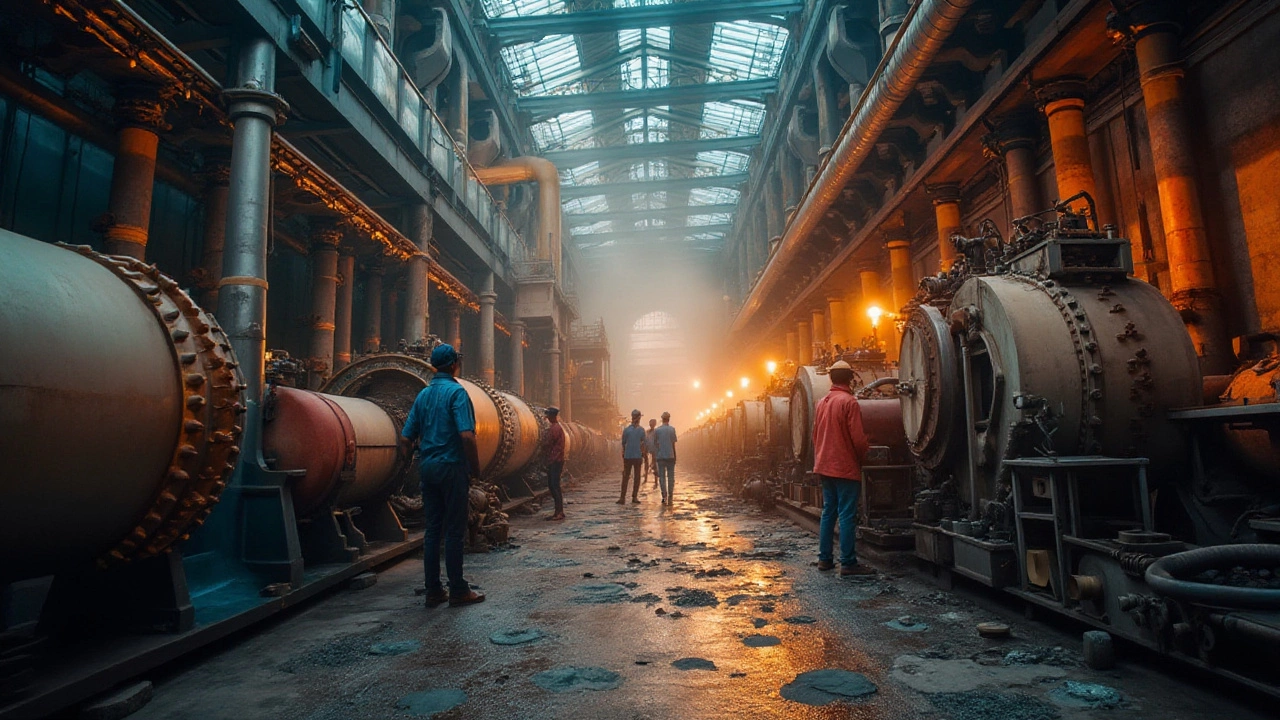
Manufacturers rely on a well-structured supply chain to source plastic. They begin with raw materials like natural gas and crude oil, which undergo processing to create polymers. These polymers are transformed into plastic pellets and supplied globally. The journey of these materials is fascinating and involves several stages, ensuring quality and sustainability considerations are met at each step.