Cottage Industry: Small-Scale Manufacturing That Powers India's Economy
When you think of cottage industry, a decentralized form of manufacturing where production happens in homes or small workshops, often using traditional skills. Also known as home-based manufacturing, it's the quiet engine behind India’s rural economy—making everything from handwoven textiles to handcrafted metalware without big factories or heavy machinery. Unlike corporate production lines, cottage industry thrives on local knowledge, family labor, and minimal overhead. It’s not outdated—it’s adapting. In Gujarat, families weave synthetic yarn into durable bags. In Uttar Pradesh, artisans mold recycled plastic into kitchenware. These aren’t hobbies—they’re livelihoods, often supported by government schemes like PMEGP, the Prime Minister’s Employment Generation Programme, a key funding source for micro-enterprises in rural India and MMSME, Micro, Small and Medium Enterprises, the official classification that gives cottage units access to credit, subsidies, and training.
What makes cottage industry so powerful isn’t just its scale—it’s its resilience. When big factories shut down during supply chain crises, cottage units keep going. They don’t need imported raw materials shipped across oceans. They use local cotton, recycled plastic, or scrap metal. They don’t need robotics—they need skilled hands. That’s why textile manufacturing, a major cottage industry segment in India, employs over 45 million people and contributes nearly 2% to GDP. It’s also why plastic recycling, a growing cottage-level activity, turns waste into profit for thousands of small operators. These aren’t fringe activities. They’re core to India’s manufacturing identity.
You’ll find cottage industry everywhere—in villages where women weave baskets from bamboo, in small towns where men cast brass bells, in city outskirts where families assemble electronic components for global brands. It’s the bridge between tradition and modern demand. The government doesn’t just tolerate it—it promotes it through PLI schemes, Production Linked Incentives that reward small manufacturers for increasing output and exports. And while big factories chase automation, cottage units chase something else: sustainability, flexibility, and community. The posts below show you how real people are turning simple tools and local materials into profitable businesses. Whether you’re looking to start one, support one, or understand how India’s manufacturing really works, you’ll find practical examples, real data, and clear strategies here.
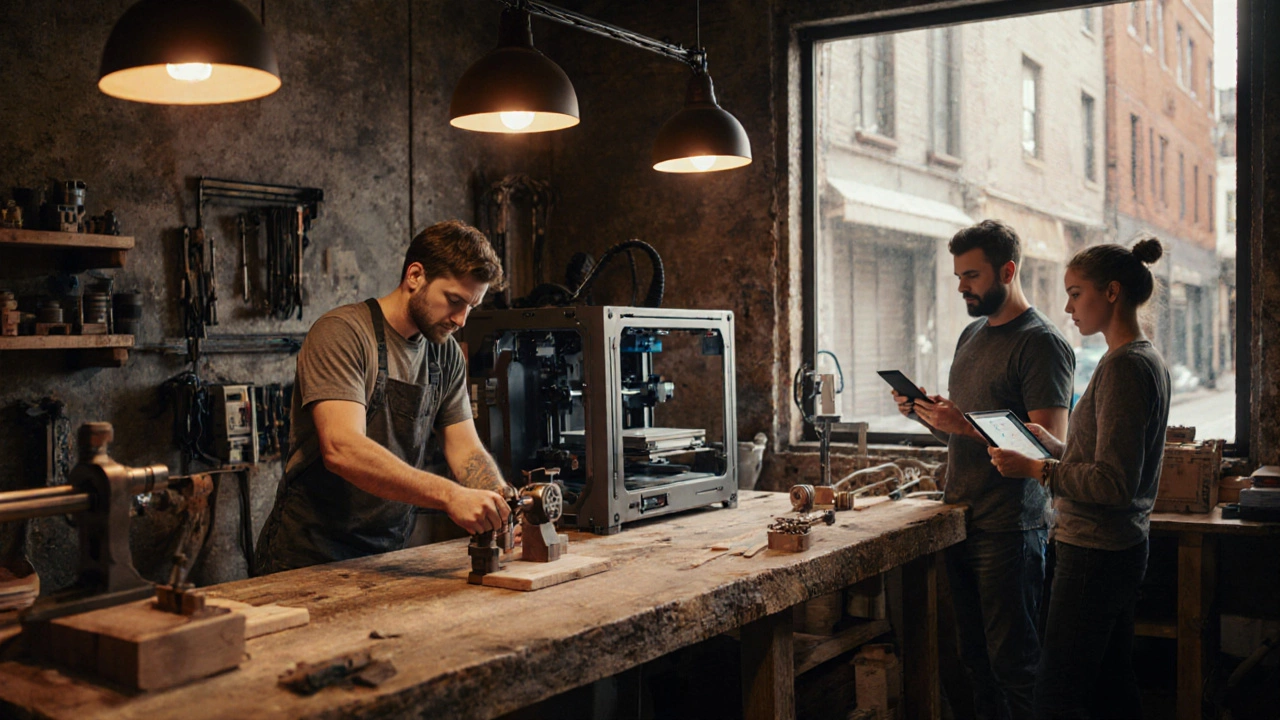
Explore what small-scale manufacturing is called, its key terms, benefits, challenges, and UK support schemes. Learn the differences between cottage industry, micro‑manufacturing, artisan production and more.