Cheapest Wood in India
When you need cheapest wood in India, affordable, locally available timber used for furniture, construction, and crafts. Also known as budget timber, it’s not just about low price—it’s about getting the right balance of strength, availability, and workability for your project. Many assume hardwoods like teak or rosewood are the only options, but they’re often overpriced and overkill for basic uses. The real savings come from species that grow fast, are widely farmed, and don’t need expensive processing.
The top contenders for the cheapest wood in India are bamboo, a fast-growing grass used as structural material in rural and urban building, pine, a softwood imported in bulk and commonly used in plywood and packaging, and poplar, a lightweight, easy-to-cut hardwood grown in plantations across Punjab and Haryana. These aren’t exotic—they’re everyday materials used by carpenters, small factories, and DIY builders across the country. Bamboo, for example, costs as little as ₹15–25 per square foot in bulk, while poplar plywood runs under ₹40 per sheet in wholesale markets. Compare that to teak, which can hit ₹200+ per square foot, and the difference isn’t just noticeable—it’s game-changing.
Where you buy matters just as much as what you buy. Local timber yards in Uttar Pradesh, Madhya Pradesh, and Bihar often offer better rates than city showrooms because they skip middlemen and deal directly with farmers. In Gujarat and Maharashtra, recycled wood from demolished buildings is repurposed into affordable planks—cleaned, dried, and sanded for reuse. Even plywood, a layered wood panel made from thin veneers bonded with adhesive, can be a smarter buy than solid wood if you’re building shelves, cabinets, or temporary structures. Look for ISI-marked plywood from brands like Greenply or Kitply—they’re not the cheapest, but they’re reliable enough for most non-structural uses.
Don’t fall for the myth that cheap wood means low quality. Many of the most durable furniture pieces in rural India are made from poplar or sheesham scrap. The key is knowing how to source it right: check for dryness (wet wood warps), avoid knots in load-bearing pieces, and always ask for a sample. Farmers’ cooperatives, state forest depots, and even online B2B platforms like IndiaMART now offer direct pricing without retail markups. If you’re building something small—a shelf, a bench, a tool box—you don’t need expensive wood. You need smart wood.
The posts below cover real examples of how people in India are using affordable wood to cut costs without cutting corners. You’ll find guides on where to find the best deals, how to identify good quality in low-cost timber, and even how recycled wood is turning into high-demand products. Whether you’re a small builder, a startup maker, or just fixing up your home, the cheapest wood in India isn’t a compromise—it’s a smart choice.
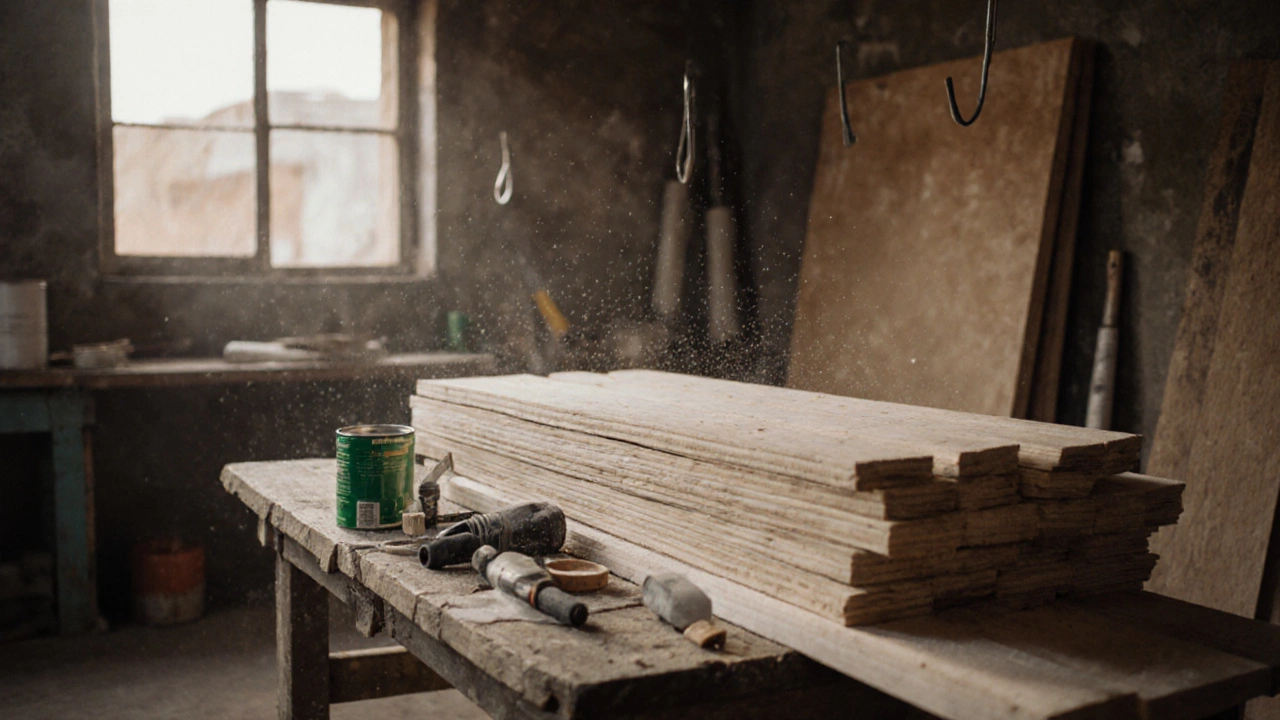
Discover the cheapest woods for furniture manufacturing in India in 2025, including poplar, rubberwood, and BWP plywood. Learn where to buy, what to avoid, and how to maximize profit on a budget.