Waste Problem in Manufacturing: Causes, Culprits, and Real Solutions
When we talk about the waste problem, the growing volume of discarded materials from industrial production that harms ecosystems and public health. Also known as industrial waste, it’s not just a side effect—it’s a design flaw built into how things are made. Most of this waste doesn’t come from consumers throwing things away. It comes from factories—places like chemical plants, textile mills, and polymer producers—that churn out single-use packaging, excess scraps, and non-recyclable blends faster than any system can handle.
The plastic pollution, the accumulation of synthetic polymers in the environment, especially oceans and landfills, due to poor product design and lack of reuse systems isn’t an accident. It’s the result of companies choosing cheap, disposable materials over durable ones because it’s cheaper in the short term. Take a look at the top plastic manufacturers—they produce over 400 million tons of plastic each year, and less than 10% gets recycled. The rest ends up buried, burned, or washed into rivers. And while recycling gets all the attention, it’s not the fix. Recycling was never meant to solve overproduction—it was a distraction.
The manufacturing waste, the leftover materials, defective products, and packaging generated during industrial production processes isn’t just plastic. It’s fabric scraps from textile factories, metal shavings from stamping presses, chemical sludge from dyeing lines, and broken polymer pellets from extrusion machines. In India, where Gujarat leads chemical and polymer production, this waste piles up near industrial zones, often without proper treatment. And here’s the truth: no amount of clean-up campaigns will fix this unless the source changes.
Some manufacturers are starting to shift. They’re designing products that last. They’re using recycled polymers. They’re cutting out single-use packaging because customers are asking for it—and because new government schemes like PLI are rewarding sustainable production. But most still treat waste as a cost to manage, not a problem to eliminate. The waste problem won’t get solved by better bins. It’ll get solved when companies stop making stuff that’s meant to be thrown away.
What you’ll find in these posts isn’t just data—it’s the names of the companies driving the crisis, the states where waste piles up the most, and the surprising products that actually cut waste at the source. You’ll see who’s lying about recycling, who’s fixing their systems, and what real change looks like on the factory floor.
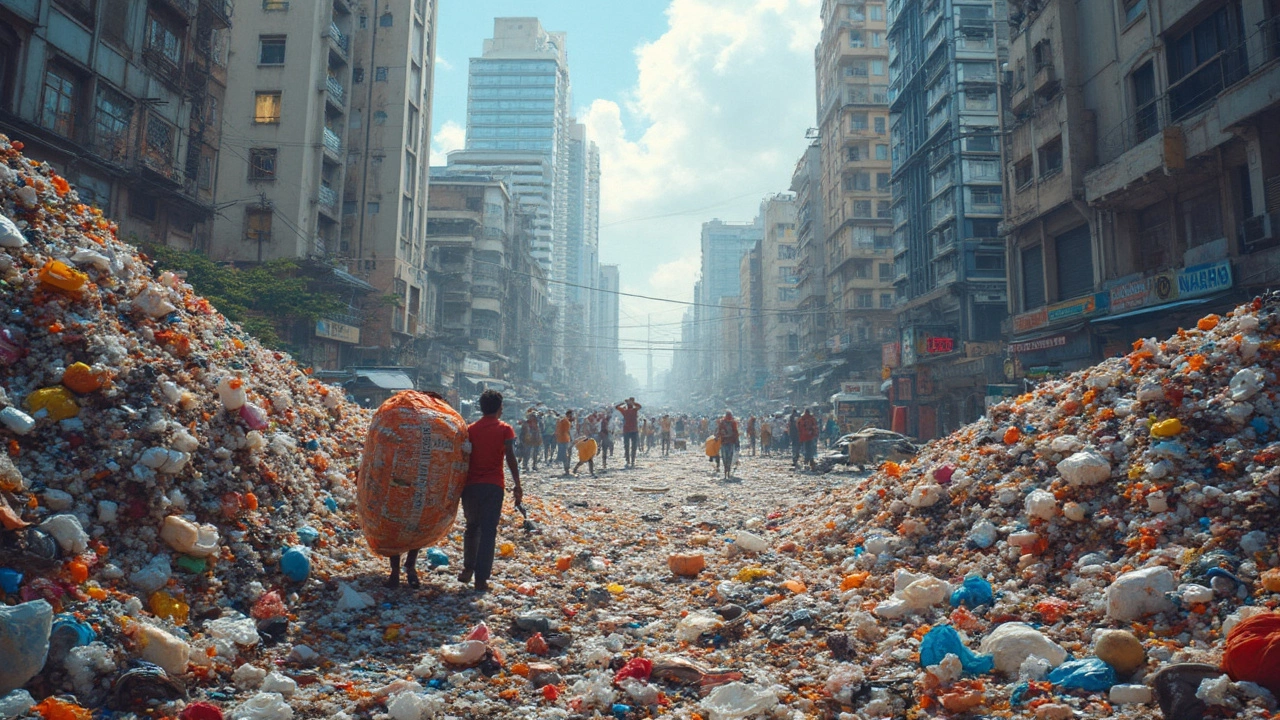
Exploring which country faces the most severe waste challenges isn't as straightforward as one might think. Various factors like population, infrastructure, and legislation play critical roles. This article dives into the global waste crisis, highlighting regions with significant waste management struggles. Expect insights into the roles of plastic manufacturers and tips on how countries can improve.