Waste Management in Manufacturing: Solutions, Challenges, and Real-World Impact
When we talk about waste management, the systems and practices used to handle, reduce, and dispose of unwanted byproducts from industrial processes. Also known as industrial waste handling, it's not just a compliance issue—it's a make-or-break factor for manufacturers who want to stay competitive and responsible. In factories making polymers, plastics, chemicals, and textiles, waste isn’t just trash. It’s money walking out the door, regulatory risk building up, and environmental damage you didn’t plan for.
Plastic pollution, the accumulation of synthetic plastic products in the environment that harms ecosystems and human health doesn’t start with consumers tossing bottles. It starts in manufacturing plants where overproduction, poor design, and lack of recycling infrastructure turn raw materials into landfill-bound waste. Companies like Tirupati Polymers know this firsthand: every ton of polymer produced creates waste streams that need smart handling. That’s why modern waste management isn’t about bigger bins—it’s about redesigning processes from the start. Can you make a product that’s easier to recycle? Can you reuse scrap internally? Can you partner with recyclers instead of paying to dump?
Industrial waste, byproducts generated during manufacturing that include solids, liquids, and gases not suitable for sale or reuse comes in many forms—chemical sludge, plastic trimmings, contaminated packaging, even dust from cutting and grinding. In Gujarat’s chemical hubs, where over 80% of India’s petrochemicals are made, waste management isn’t optional—it’s survival. The best manufacturers don’t just treat waste as a cost center. They treat it as a design challenge. One company cuts polymer scrap into pellets and sells them back to their own extrusion lines. Another turns packaging waste into pallets for shipping. These aren’t magic tricks. They’re smart systems built on data, not guesswork.
And then there’s polymer recycling, the process of recovering and reprocessing used polymers into new products. It sounds simple, but most plastics get downcycled into lower-quality items—or worse, burned. True circular recycling? That’s rare. But it’s possible. Companies that track material flows, sort by resin type, and invest in reprocessing tech are seeing 30-50% reductions in raw material costs. They’re also cutting emissions and winning contracts from eco-conscious buyers. This isn’t future talk. It’s happening now in India’s manufacturing belt.
What you’ll find in the posts below isn’t theory. It’s real examples: who’s behind plastic pollution, how chemical plants in Gujarat handle waste, why recycling alone won’t fix the problem, and what small manufacturers can do today to cut waste without spending a fortune. No fluff. No slogans. Just clear, practical insights from people who run factories, not just write about them.
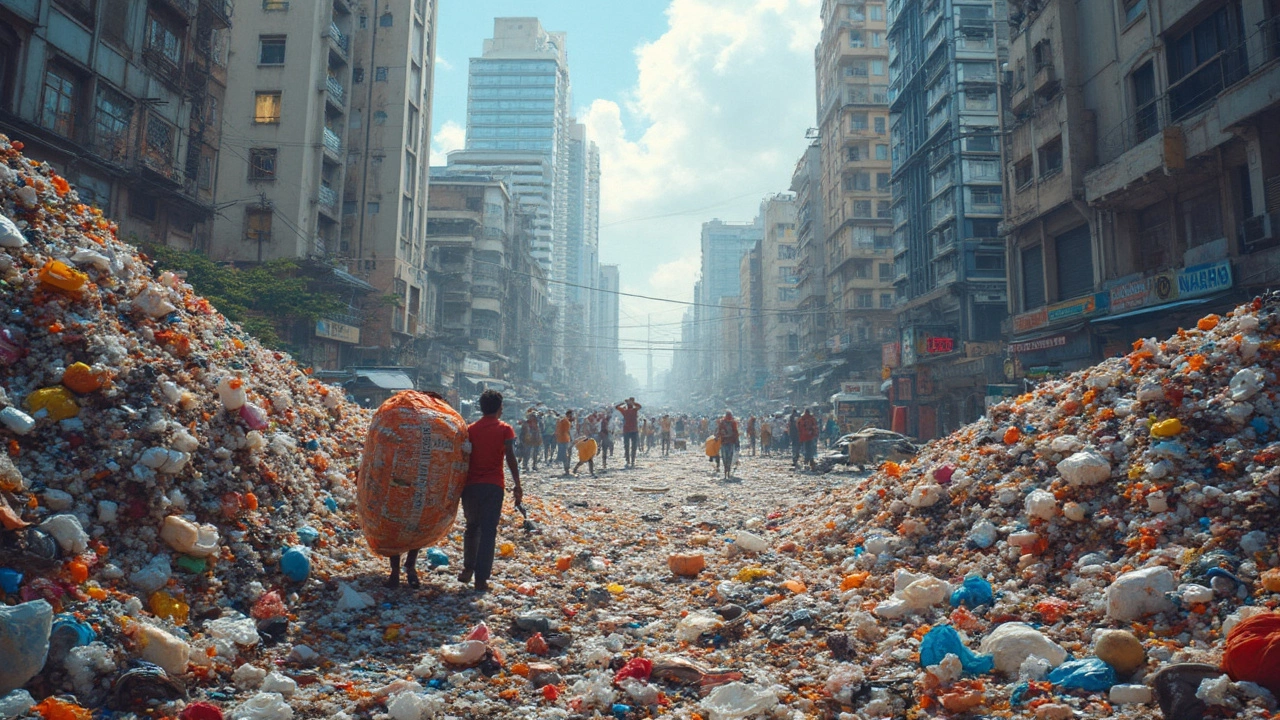
Exploring which country faces the most severe waste challenges isn't as straightforward as one might think. Various factors like population, infrastructure, and legislation play critical roles. This article dives into the global waste crisis, highlighting regions with significant waste management struggles. Expect insights into the roles of plastic manufacturers and tips on how countries can improve.