Unit Processing in Manufacturing: What It Is and How It Powers Production
When you hear unit processing, the method of producing goods in individual, measurable steps rather than continuous flow. Also known as discrete manufacturing, it's how things like electronics, auto parts, and custom polymers are made one at a time, with each step tracked and controlled. This isn’t just assembly—it’s precision. Every bolt, mold, or extruded polymer strand goes through a defined sequence where quality checks, timing, and material handling are locked in. Unlike bulk processing, where tons of material flow through a system at once, unit processing treats each item as its own project. That’s why it’s so common in India’s growing small-scale and medium manufacturing sector—where flexibility beats volume.
Unit processing relies on three key players: the production unit, a dedicated line or cell where one product type is made end-to-end, the manufacturing process, the sequence of operations that transform raw inputs into finished outputs, and the people who manage them. You’ll see this in action at factories making polymer-based products—think custom plastic caps, medical components, or industrial seals. Each batch is set up, run, inspected, and packaged as a single unit. That’s why Gujarat’s chemical hubs and Tamil Nadu’s small manufacturing clusters lean into it: they don’t need million-unit runs to be profitable. They just need the right setup, the right tools, and the right training.
What makes unit processing powerful isn’t speed—it’s control. You can tweak a single unit without shutting down the whole line. You can switch from making pet tags to water bottles in a day. That’s why it’s the go-to for startups, niche product makers, and companies responding to fast-changing demand. The posts below dive into how real manufacturers use this approach—from the 5 Ps of manufacturing that keep unit processing running smooth, to how small-scale producers in India are beating big players by mastering this exact method. You’ll find real examples of how unit processing cuts waste, boosts margins, and lets you build products customers actually want. No fluff. Just what works.
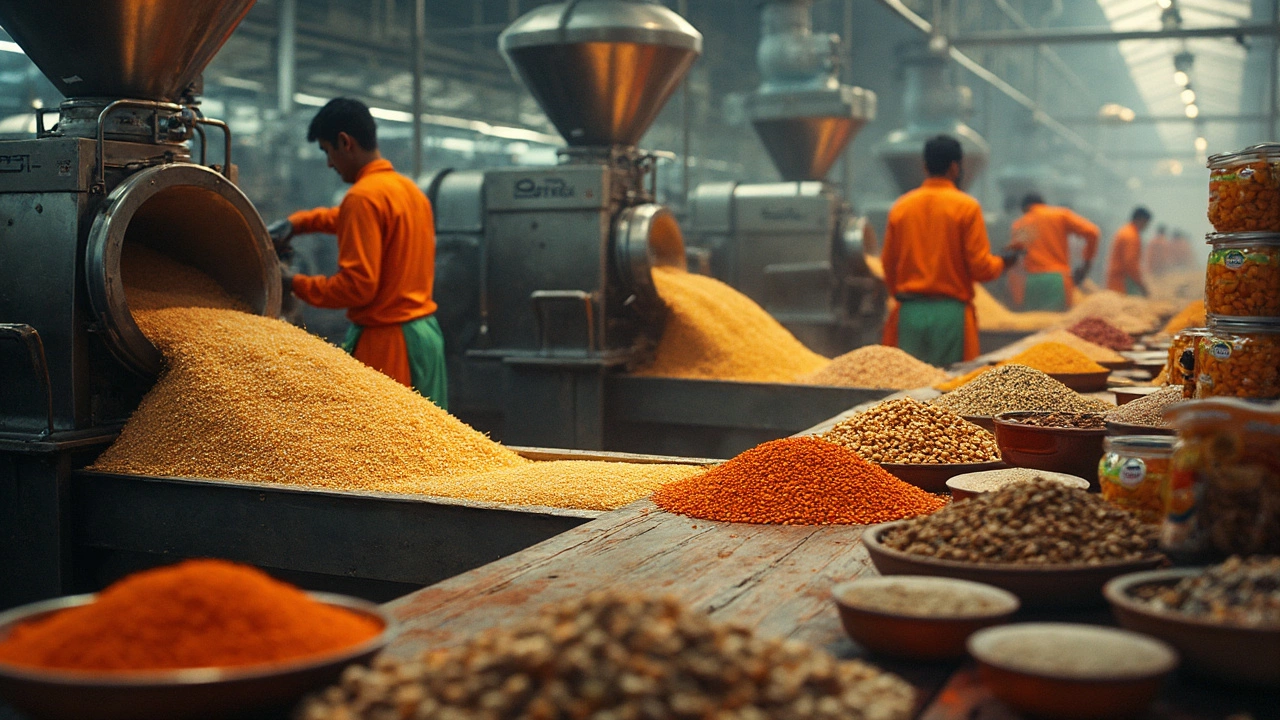
Not sure how unit operation and unit processing differ in food processing? This article cuts through the jargon, showing you where each fits in food factories. We’ll break down what these terms actually mean, where you spot them in real life, and why they matter so much for your wallet and the food you buy. You’ll pick up some smart tips that even people working in the industry sometimes miss. By the end, you’ll never mix these two up again.