Textile Licenses India: What You Need to Know to Start or Expand
When you're building a textile business in India, textile licenses India, official permissions required to produce, export, or sell textile goods under Indian law. Also known as textile manufacturing permits, these aren't optional—they're the gatekeepers to selling domestically, exporting abroad, or qualifying for government incentives like the PLI scheme. Without the right ones, you can't ship fabric to the U.S., claim export benefits, or even legally buy raw materials in bulk from suppliers in Gujarat or Tamil Nadu.
There are three main types of textile licenses that matter most: the MSME registration, a basic government recognition for small and medium textile units that unlocks loans, tax breaks, and subsidy access; the Export House status, a certification from DGFT that lets you access duty exemptions and faster customs clearance; and the Textile Unit Registration, a state-level license tied to your factory location, often required before you can start production. These aren’t just forms—they’re tied directly to the same government schemes covered in posts about PLI, PMEGP, and textile export growth. If you’re not registered, you’re missing out on the exact support programs that top companies like Arvind Ltd. use to scale.
Many small operators think they can skip licenses because they’re just starting out. But in 2024 and 2025, that’s a risky bet. Customs officials check registrations at ports. Buyers in Europe and the U.S. ask for proof of compliance before placing orders. Even getting a bank loan for a new loom or dyeing machine requires your MSME certificate. Gujarat and Tamil Nadu, where most textile production happens, are cracking down on unregistered units. You don’t need a lawyer to get started—you need to know which office to visit, what documents to carry, and how long it takes. The process isn’t magic. It’s a checklist: PAN card, factory address proof, machinery list, and a simple application form. Some states offer online portals now, so you don’t have to wait in line for days.
And if you’re thinking about exporting—whether it’s cotton yarn to Bangladesh, denim to the UK, or technical textiles to Germany—you’ll need more than just a factory. You need to be on the DGFT’s list. That’s where your export license kicks in. It’s not about size. Even a small unit with 10 looms can qualify if it meets the minimum output and compliance standards. The same posts you’ll see below cover how India’s textile exports hit $45 billion in 2024, and who’s leading the charge. But behind every export shipment is a business that got its paperwork right. No one talks about it because it’s not glamorous. But without it, none of the growth stories happen.
What you’ll find in the posts below are real examples of how manufacturers in India navigate these systems. You’ll see which states are easiest to register in, what documents actually get rejected, how long approvals take, and how the PLI scheme ties directly into your license status. No fluff. No theory. Just what works on the ground in Surat, Coimbatore, and Ludhiana.
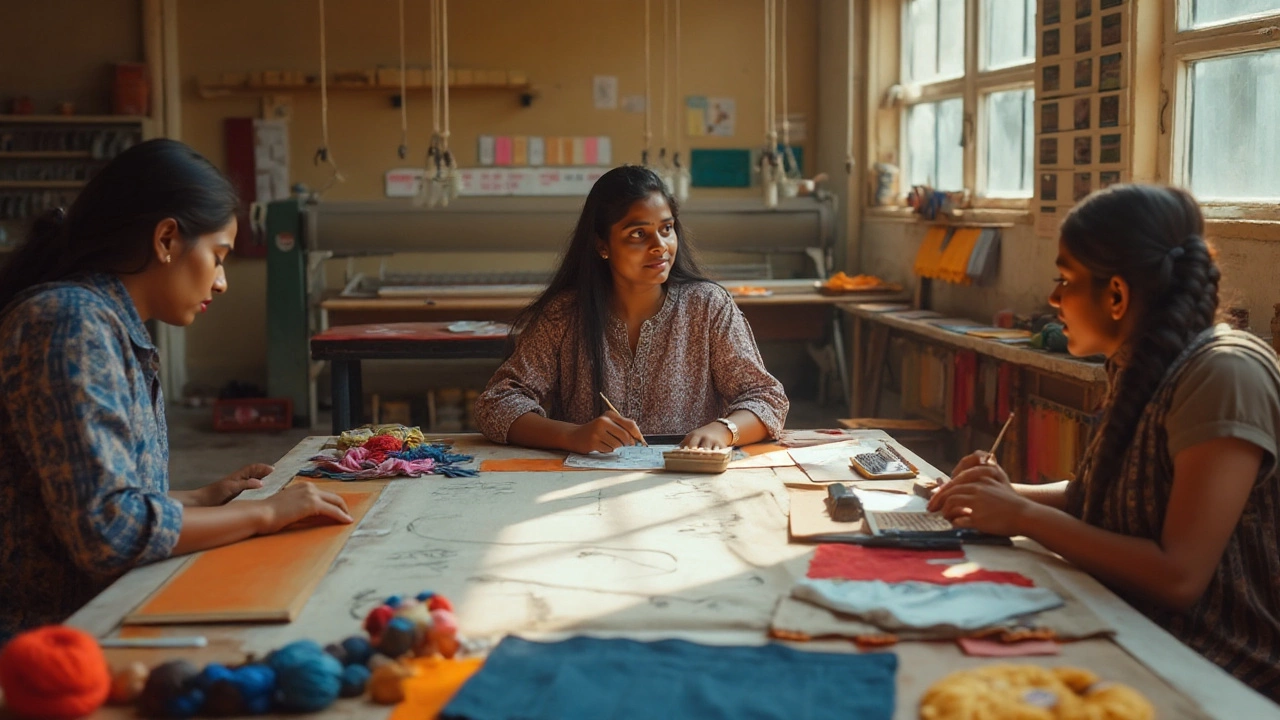
A clear 2025 guide to start a textile business in India: business models, licenses, costs, funding, profit math, location picks, and practical steps you can follow.