Textile Industry: How Polymers Power India’s Fashion and Fabric Boom
When we talk about the textile industry, the global network of businesses that produce fabrics, yarns, and finished garments. Also known as fabric manufacturing, it's not just about cotton and wool anymore—it's built on polymers, synthetic materials made from long-chain molecules used in everything from polyester shirts to bulletproof vests.
The textile industry in India is one of the largest employers in the country and a top exporter, shipping over $40 billion in goods each year. But behind every pair of jeans, every sports jersey, and every hospital gown is a polymer. Technical textiles, specialized fabrics engineered for performance, not just appearance—like flame-resistant gear, medical implants, and geotextiles—are now driving growth, not traditional cotton sarees. These aren’t just fancy fabrics; they’re made possible by polymer manufacturing that’s precise, scalable, and increasingly sustainable.
India’s garment manufacturing sector thrives because of cheap labor, yes—but also because of access to high-quality synthetic fibers produced locally. Companies like Tirupati Polymers help bridge the gap between raw plastic pellets and finished fabric by turning polymers into yarns that are stronger, lighter, and more colorfast than natural fibers. And it’s not just about clothes. The same polymers used in your T-shirt are also in airbags, filtration systems, and even solar panel backsheets. That’s why the Indian textile exports market keeps growing: buyers worldwide want materials that perform, last, and meet environmental standards.
Government schemes like the Production Linked Incentive (PLI) are pushing factories to upgrade, not just to make more, but to make better. Automation, digital design, and polymer innovation are turning small workshops into export-ready units. Sustainability isn’t a buzzword here—it’s a requirement. Recycled polyester from plastic bottles? That’s now standard. Bio-based polymers? They’re coming fast. The textile industry is no longer just about weaving threads—it’s about engineering materials.
What you’ll find below are real insights into how this sector works: who’s leading exports, what’s driving innovation, where the money is, and how polymers are quietly reshaping everything from your workout leggings to military uniforms. No fluff. Just facts from the factory floor.
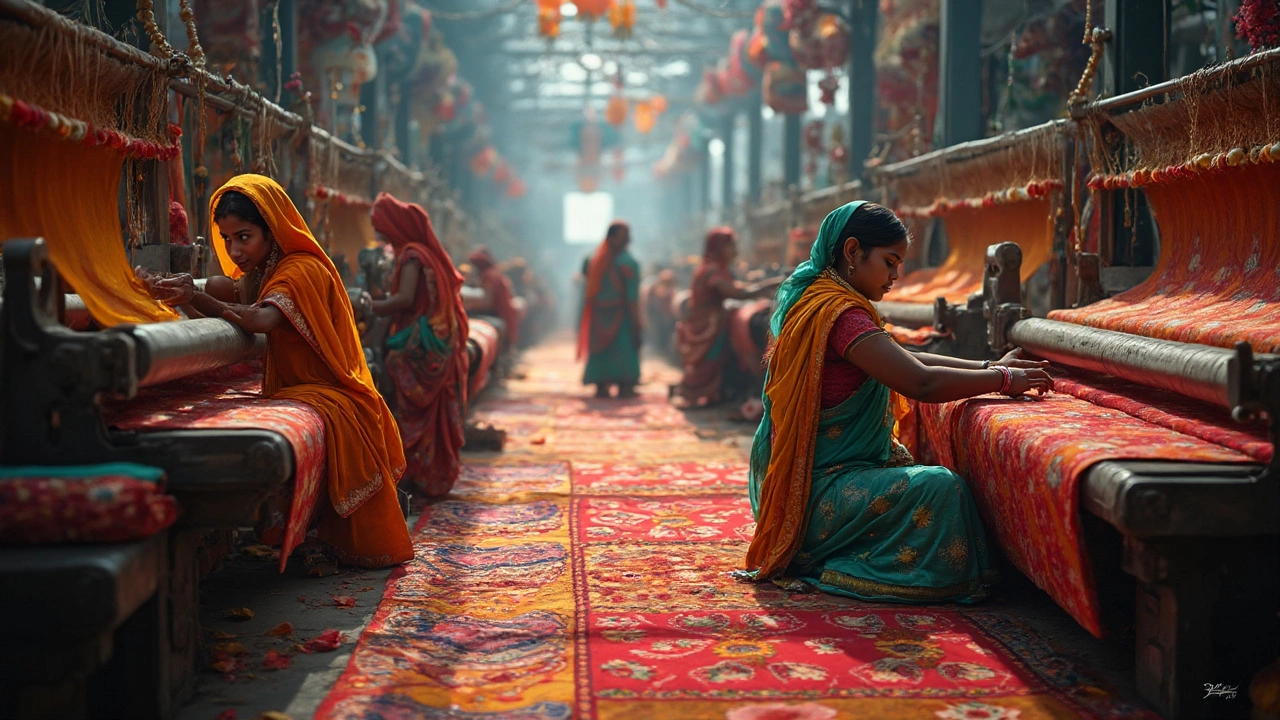
Looking into the bustling world of textiles, India stands as a top contender for manufacturers. With its rich history in fabric production and a thriving industry, India's mix of skilled labor, modern technology, and competitive prices attracts major global players. The country not only excels in traditional and synthetic fabrics but also leads in sustainable practices. Dive into why India is a favorite for textile entrepreneurs.
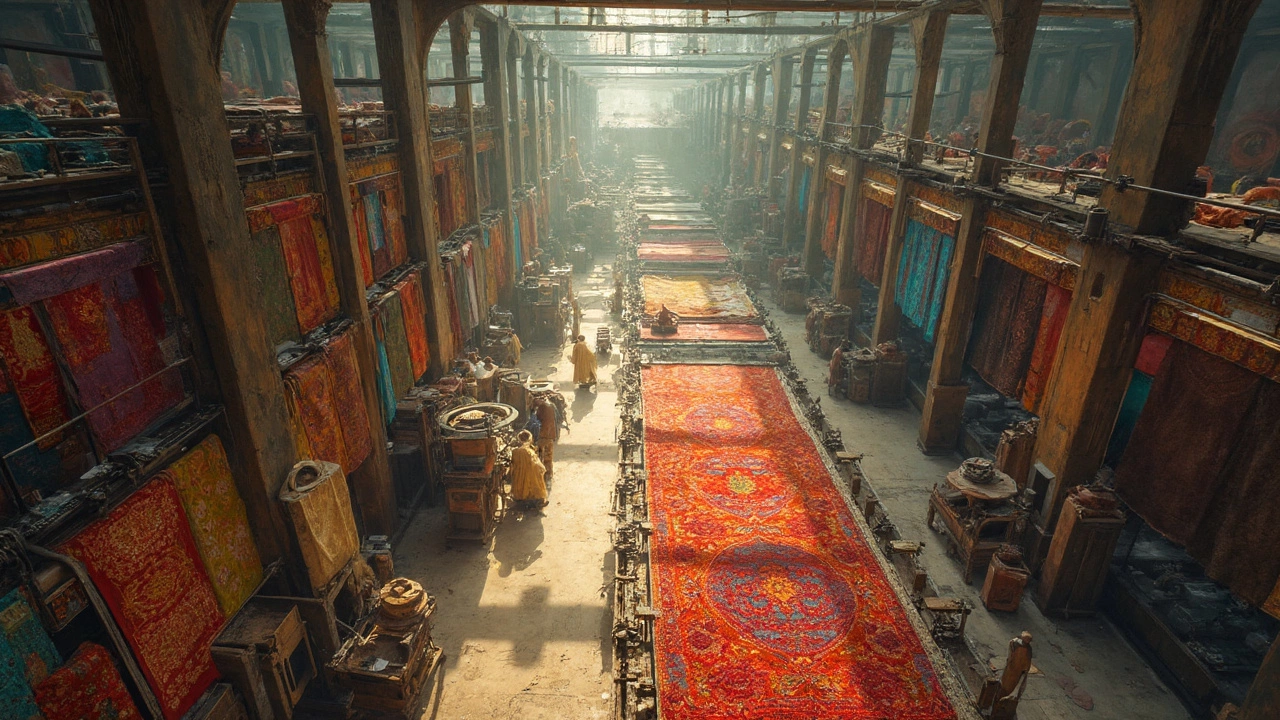
The textile industry in India, once a global leader, faces challenges that contribute to its decline. From outdated technology to intense global competition, the sector struggles to keep pace with modern demands. Additionally, rising production costs and strict environmental regulations add to the woes. Understanding these factors can help stakeholders devise strategies to revitalize this crucial industry.