Textile Export: India's Growing Role in Global Fashion and Fabric Trade
When we talk about textile export, the sale of fabrics, garments, and technical textiles from one country to another. Also known as fabric trade, it's not just about selling cloth—it's about jobs, raw materials, and global supply chains that keep millions working and billions dressed. India is one of the biggest players in this game. In 2024, the country shipped over $40 billion worth of textiles abroad, making it the second-largest exporter in the world after China. This isn’t luck. It’s the result of decades of cotton farming, skilled labor, and smart policies like the PLI scheme that reward companies for boosting exports.
Who buys all this stuff? The top destinations for textile exports India include the United States, the United Arab Emirates, Bangladesh, Vietnam, and Germany. Each has different needs: the U.S. wants premium cotton shirts and denim, the UAE imports fancy embroidery for luxury fashion, and Bangladesh relies on Indian yarn to make its own garments. Meanwhile, technical textiles—like medical fabrics, geotextiles, and protective gear—are growing fast. These aren’t your grandpa’s bed sheets. They’re high-tech materials used in hospitals, highways, and even space suits. Companies in Gujarat and Tamil Nadu are leading this shift, turning traditional mills into innovation hubs.
The Indian textile manufacturing, the process of turning raw cotton, polyester, and other fibers into finished fabrics and clothing. Also known as apparel production, it’s a mix of small workshops and giant factories. Over 90% of these businesses are small or medium-sized, but they’re the backbone of the industry. They employ more than 45 million people, making textiles India’s second-largest employer after agriculture. And unlike other industries, textile manufacturing doesn’t need fancy robotics to work—it thrives on handlooms, skilled tailors, and efficient supply chains that move fabric from village looms to international ports in weeks. What’s driving the boom? Automation, sustainability, and government support. The government’s focus on making India a global sourcing hub means tax breaks, better infrastructure, and easier customs. Plus, global brands are ditching China for India because of faster delivery, lower costs, and ethical labor practices.
There’s still room to grow. Right now, India makes about 6% of global textile exports. But with rising demand in Africa, Latin America, and Southeast Asia, that number could jump to 10% by 2027. The real winners? Companies that focus on quality over quantity, use eco-friendly dyes, and build direct relationships with overseas buyers. This isn’t about competing on price alone—it’s about reliability, speed, and innovation.
Below, you’ll find real insights from the industry: which countries are buying the most, who’s leading the pack in India, how PLI schemes help exporters, and what’s next for technical textiles. No fluff. Just facts that matter if you’re in the business.
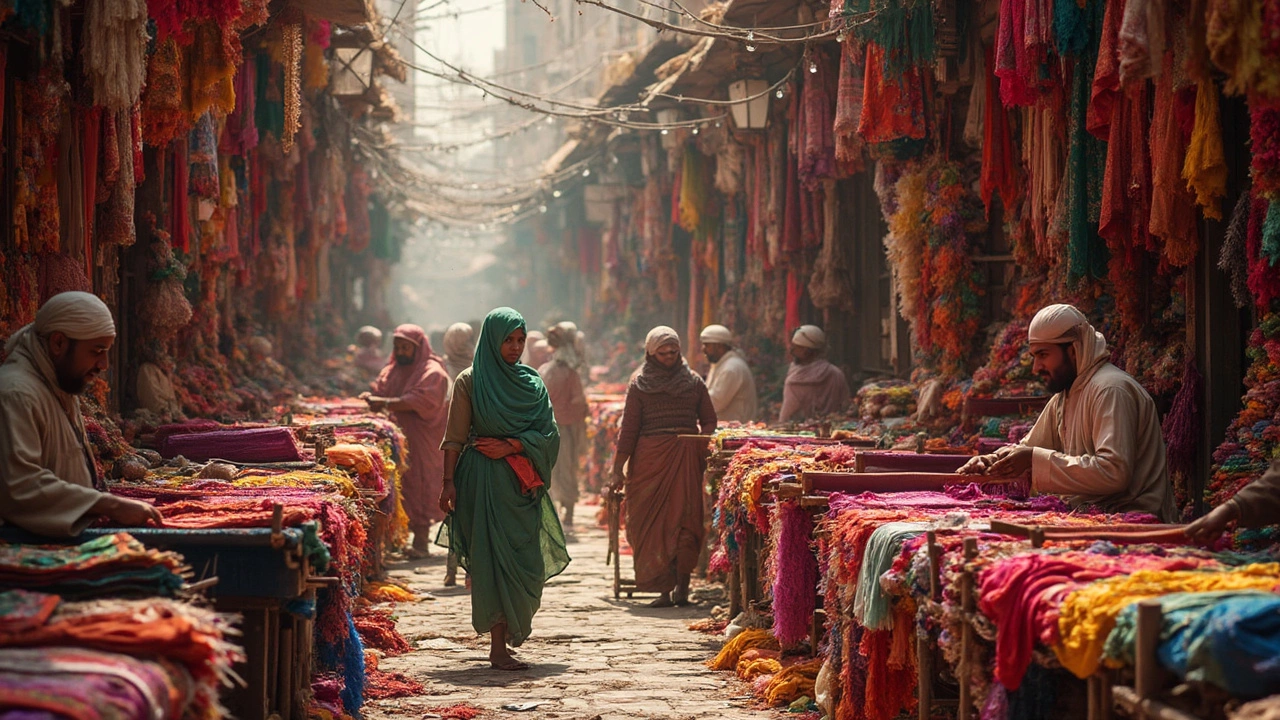
Does India really hold the crown as the world's textile capital? This article dives into India's journey from ancient loom villages to global fabric giant, covering unique facts, exports, and everyday textile life. Explore key stats, how the industry works behind the scenes, modern challenges, and why India’s cloth legacy still matters today. Packed with tips, real-world insights, and a human perspective, this look at Indian textiles has something for everyone curious about fashion or global business.