Sustainable Manufacturing: How India’s Industry Is Cutting Waste and Boosting Efficiency
When we talk about sustainable manufacturing, a production system designed to minimize environmental harm while maximizing resource efficiency. Also known as green manufacturing, it’s no longer optional—it’s the new baseline for companies that want to survive in India’s evolving industrial market. This isn’t about planting trees or putting up solar panels as a PR move. It’s about rethinking how raw materials are turned into products—from the moment plastic pellets enter the extruder to the final package leaving the factory.
Take polymer production, the process of turning petrochemicals into plastics used in packaging, textiles, and automotive parts. At Tirupati Polymers and others like it, sustainable manufacturing means using recycled feedstocks, cutting energy use in extrusion, and designing products that can be reused or easily broken down. It’s also about where those polymers come from. Gujarat, home to over 44% of India’s chemical output, is leading the shift—not because of regulations alone, but because companies realized waste is just money sitting in a landfill.
And it’s not just plastics. The circular economy, a model where materials are kept in use for as long as possible through reuse, repair, and recycling is reshaping how Indian textile makers operate. Instead of dumping scraps, they’re turning them into new yarns. Instead of shipping finished goods in single-use plastic, they’re switching to biodegradable wraps. These aren’t small tweaks—they’re system-wide changes driven by cost savings, export demands, and consumer pressure.
What you’ll find in the posts below isn’t theory. It’s real examples: how one company slashed plastic waste by 60% using closed-loop systems, why Gujarat’s chemical hubs are investing in solar-powered reactors, and how small manufacturers are beating big players by building products that last longer and create less trash. You’ll see how government schemes like PLI and PMEGP are quietly pushing factories toward greener tech—not with fines, but with cash incentives. And you’ll learn why the biggest threat to sustainable manufacturing isn’t technology, but the myth that it’s too expensive to start.
There’s no magic bullet. But there are proven steps—ones that cut costs, reduce risk, and open new markets. The companies winning today aren’t the ones with the biggest factories. They’re the ones who figured out how to make less waste, use less energy, and still deliver quality. If you’re in manufacturing in India, you’re already part of this shift. The question isn’t whether you should go green. It’s how fast you can get there.
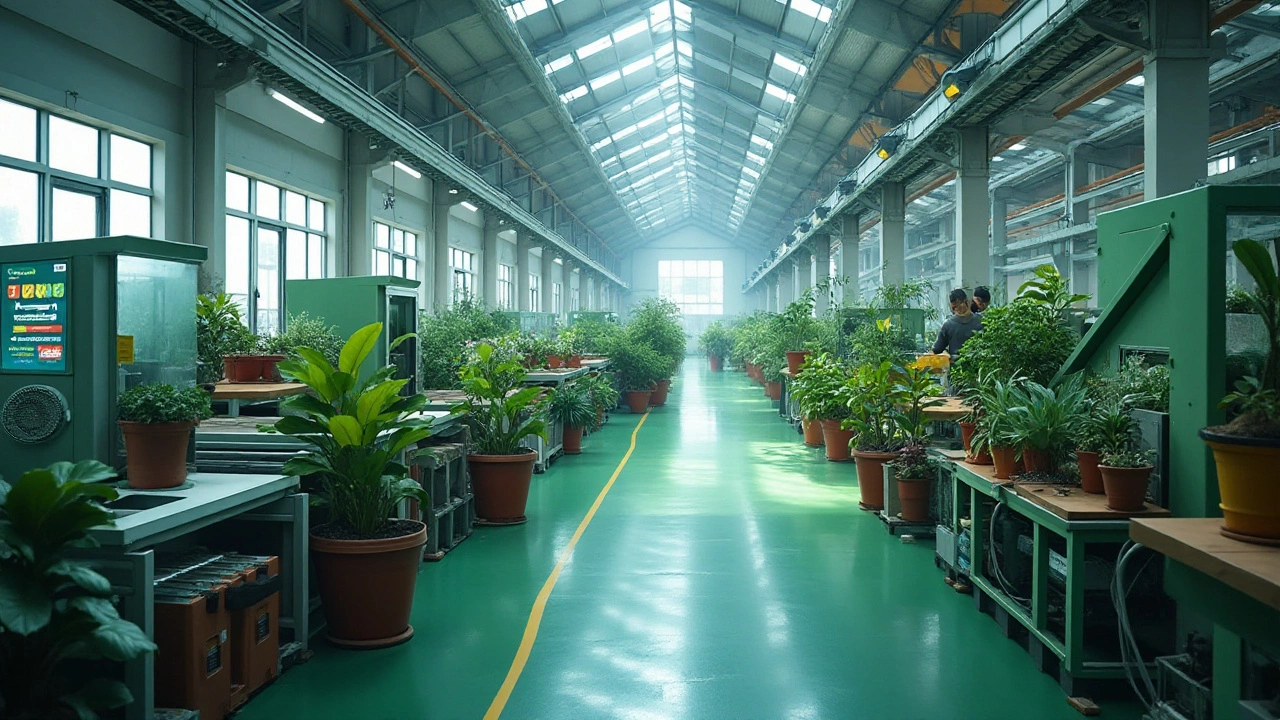
Sustainable manufacturing is on the rise as industries worldwide embrace eco-friendly practices to reduce environmental impact. With an increasing demand for green products, innovative technologies are reshaping traditional manufacturing processes. This article explores the booming sectors within sustainable manufacturing, highlights innovative companies leading the change, and provides insights into start-up opportunities. Understand how adopting a sustainable approach can lead not only to environmental benefits but also to significant cost savings and increased market share.