Supply Chains in Manufacturing: How They Work and Why They Matter
When you think of supply chains, the network of suppliers, logistics, and factories that move raw materials to finished products. Also known as production pipelines, it’s the unseen backbone of every plastic part, chemical blend, and textile roll made in India. At Tirupati Polymers, a single batch of polymer doesn’t just appear—it travels from crude oil refineries in Gujarat, through transport hubs in Mumbai, into our production lines, and finally out to factories making everything from car parts to packaging. This isn’t just logistics. It’s a high-stakes game of timing, trust, and coordination.
Break one link in the chain—say, a port strike in Mundra or a delay in ethylene imports—and suddenly your entire production schedule collapses. That’s why manufacturers in India are shifting from cheap, distant suppliers to regional ones. Gujarat’s chemical belt isn’t just famous for output—it’s a strategic advantage. Companies like Reliance and smaller polymer makers rely on local suppliers for resins, additives, and packaging because proximity means faster turnaround and less risk. And it’s not just about geography. supply chain resilience, the ability to absorb shocks and keep running under pressure. Also known as supply chain agility, it’s now a core metric for survival. After the pandemic, no one trusts global shipping alone. The best manufacturers now track every container, monitor supplier health, and keep backup sources ready. This isn’t theory—it’s daily practice in places like Dahej and Jamnagar, where 80% of India’s petrochemicals are made.
What you see on the shelf? It’s the end of a chain that started with a barrel of oil, passed through dozens of hands, and survived fuel price spikes, customs delays, and labor shortages. The posts below show you exactly how this works—from how government schemes like PLI help stabilize raw material flows, to why the textile industry’s export boom depends on seamless supply lines from Ahmedabad to Bangladesh. You’ll find real examples of how companies are fixing broken links, cutting waste, and building smarter networks. No fluff. No jargon. Just what’s actually happening on the ground in India’s manufacturing heartland.
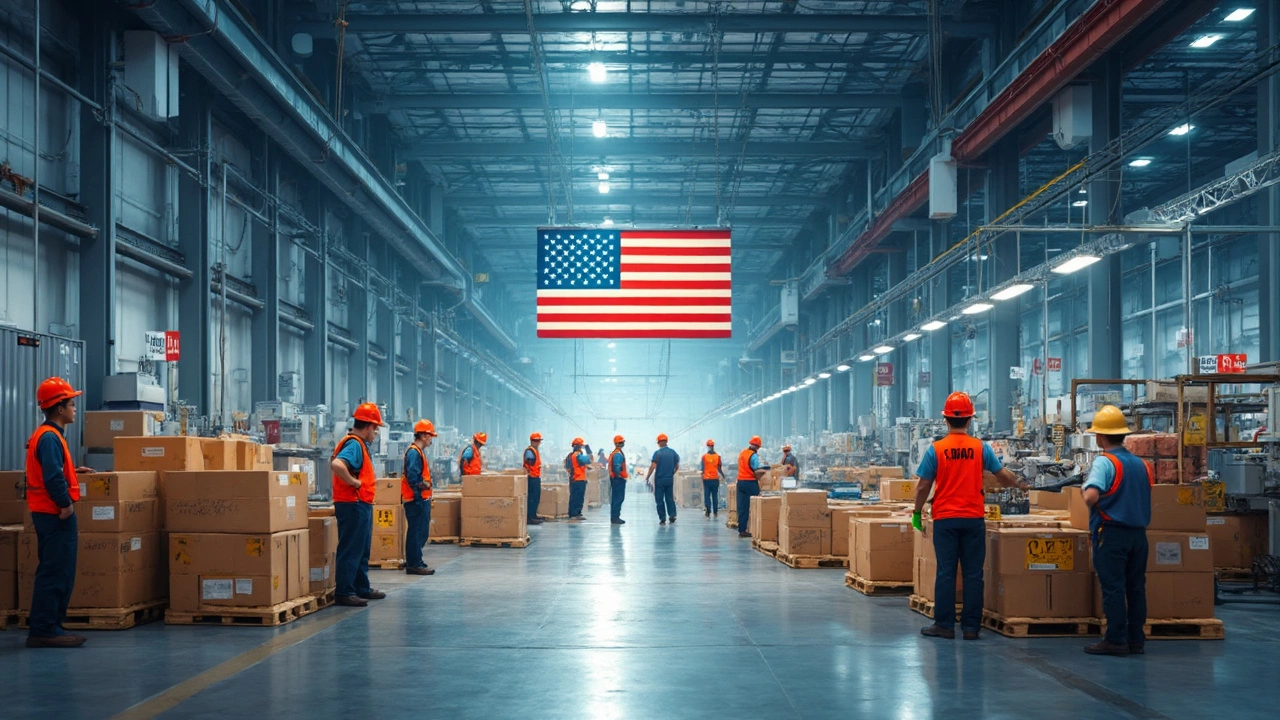
U.S. manufacturing has changed a lot, with many jobs and tasks moving overseas. This article digs into how much American manufacturing is actually outsourced, why it happens, and what it means for jobs and the economy. You'll find up-to-date facts, clear numbers, and reasons behind the trend. There are also tips for spotting what products are made abroad versus at home. The article even touches on what the government is doing to push more production back to the U.S.