Regulation in Manufacturing: Rules, Compliance, and What It Means for Indian Industry
When we talk about regulation, the official rules that govern how factories operate, including safety, environment, and labor standards. Also known as industrial compliance, it's not just paperwork—it’s what keeps your polymer products safe, legal, and market-ready. In India, manufacturing regulation isn’t one big law. It’s a mix of state and central rules that touch everything from how you dispose of plastic waste to whether your factory has proper ventilation. If you’re making polymers, you’re already in the middle of this system—whether you realize it or not.
Take government schemes, financial and policy support programs like PLI and PMEGP designed to help small manufacturers grow. These aren’t gifts—they’re incentives tied to compliance. If you want to claim benefits under the Production Linked Incentive scheme, you need to meet production targets, keep records, and follow environmental guidelines. Same with plastic pollution, the growing crisis driven by single-use plastics and poor waste management. It’s not just an environmental issue—it’s a regulatory one. Companies that ignore plastic waste rules face fines, shutdowns, or loss of export licenses. That’s why smarter manufacturers now design products with recycling in mind, not just cost.
Regulation also shapes who wins in the market. Gujarat’s chemical hubs, like Jamnagar and Dahej, don’t just thrive because of location—they thrive because they’ve built systems to meet strict environmental and safety standards. Meanwhile, small producers who skip compliance end up stuck—unable to sell to big buyers, excluded from export channels, or shut down during inspections. It’s not about being perfect. It’s about being consistent. Know the rules, track your inputs and outputs, and train your team. That’s how you turn regulation from a burden into a competitive edge.
What you’ll find below are real examples of how regulation shows up in manufacturing—from the 4 P’s and 5 P’s of government support to how corporate responsibility is changing plastic production. These aren’t theoretical guides. They’re snapshots of what’s happening on the factory floor right now. Whether you run a small workshop or manage a polymer line, this collection gives you the practical truth about what regulation means for your business today.
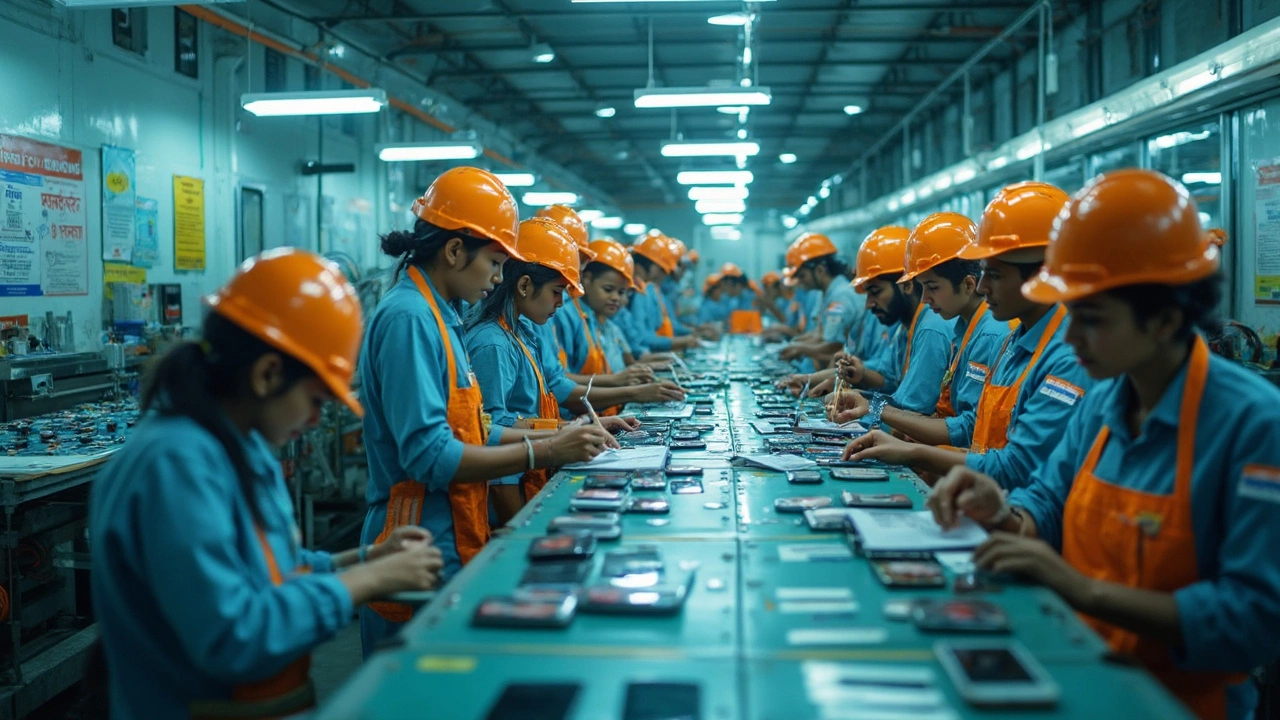
Ever wondered who actually keeps your favorite smartphone, car, or fridge up to standards before it lands in your hands? This article digs into how various government bodies oversee manufacturing, enforcing rules and rolling out schemes that shape what gets made and how. You'll find out which organizations have the final say on quality, safety, and compliance in the factory. We'll also fill you in on why this oversight matters, drop some surprising facts, and share advice for making sense of government programs. From small startups to big-time factories, see what’s happening behind the scenes.
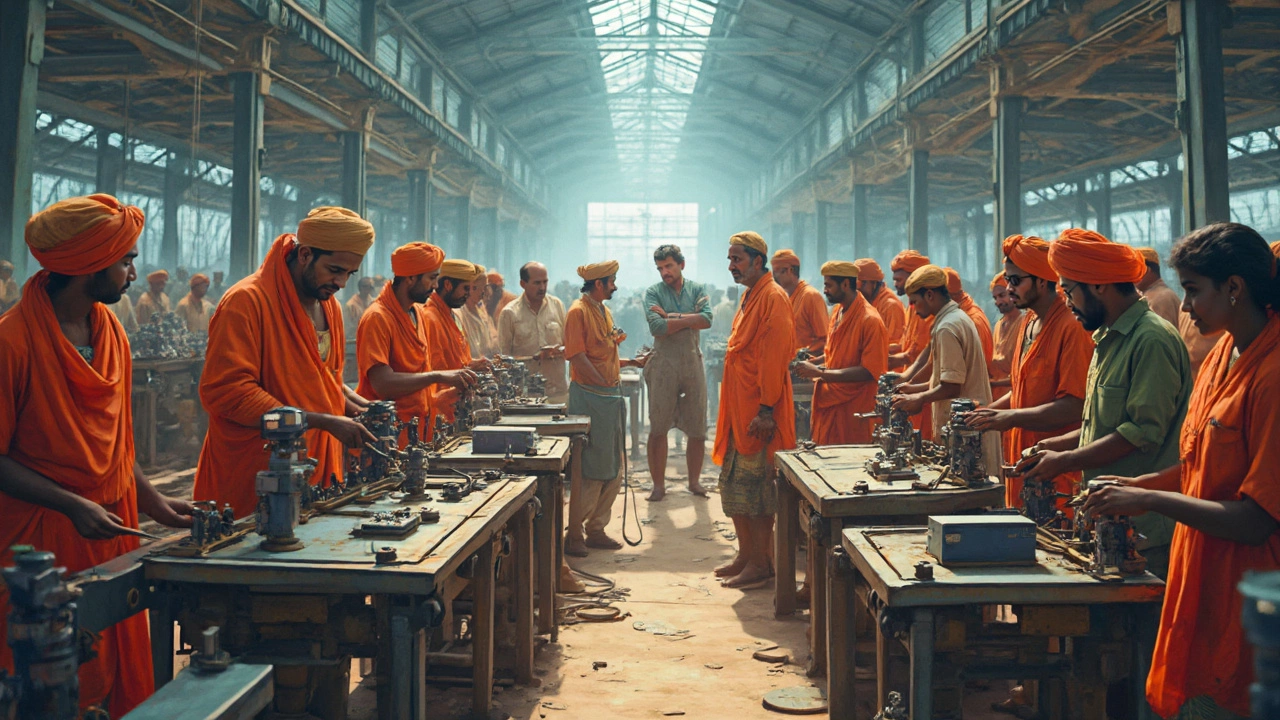
This article explores the concept of manufacturing in law, shedding light on how laws impact the production industry. It delves into the role of government schemes that support manufacturing, while providing tips on navigating legal requirements. Readers will learn about regulatory challenges and how law can shape manufacturing processes effectively. Real-life examples will illustrate these points for a comprehensive understanding.